

The landscape of mutantkind is shifting, and if the latest trailer for X-Men ’97 season two is any indication, the stakes have never been higher. Following the cataclysmic events of the season one finale, which saw the X-Men scattered across time and the nation of Genosha decimated, fans have been desperate for a glimpse into the future. Disney+ and Marvel Television have finally obliged, dropping a high-octane trailer that confirms our wildest theories while introducing a host of new threats and emotional arcs that promise to elevate the series to new heights.
While savvy fans were able to piece together some of the upcoming plot points through leaked merchandise and promotional art released earlier this year, the new footage provides crucial context. We aren’t just getting time-travel shenanigans and the looming threat of Apocalypse; we are witnessing a fundamental transformation of the X-Men mythos.
Main Facts: The New Mutant Order
The trailer confirms that X-Men ’97 is moving beyond the constraints of the original 1992 animated series and its specific comic-book influences. We are entering an era that blends the grit of the late 90s with the complex, modernized narrative arcs of the mid-2000s.

Key takeaways from the footage include:
- The Rise of Exodus: The Omega-level mutant is stepping out of the shadows and into a primary antagonist role.
- Colossus’s Dark Turn: Grief is driving the Russian powerhouse toward the Acolytes.
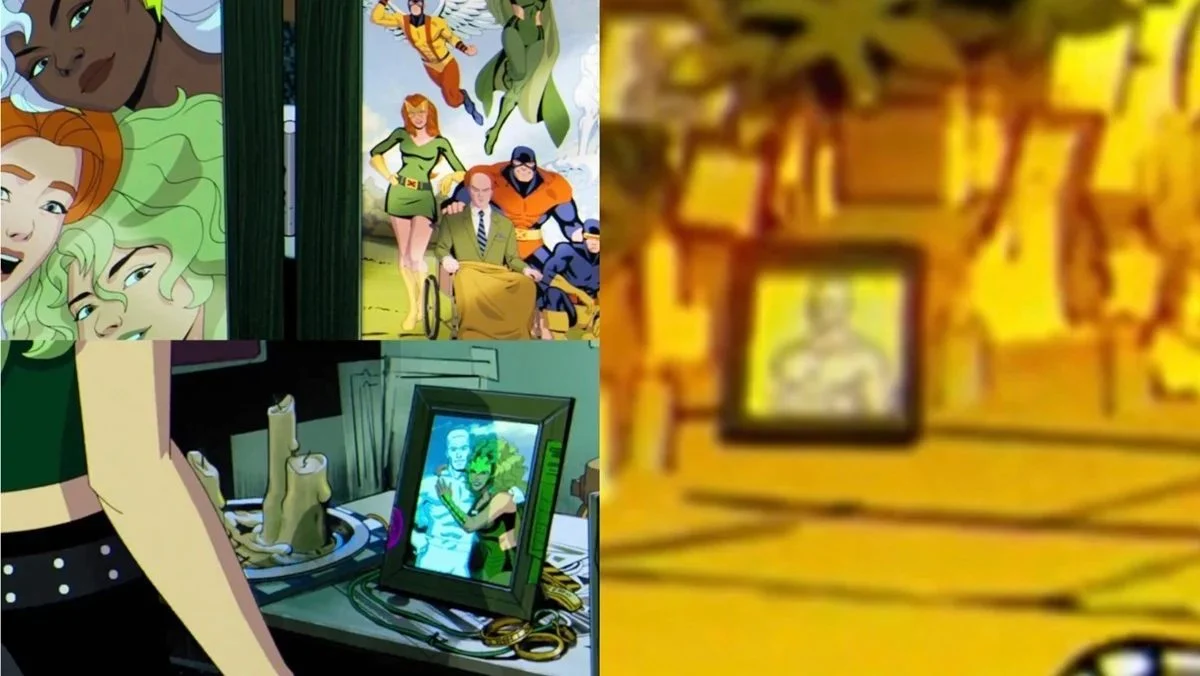
- The Mystery of the Fallen: The presence of Iceman on a memorial wall suggests a heavy cost for our heroes, though likely a catalyst for his own evolution.
- Cosmic Horror: The Brood are back, and this time, there are no network censors to hold them back.
- Technological Sentience: The Danger Room is evolving into "Danger," a sentient entity that threatens to turn the X-Men’s home into their greatest enemy.
Chronology: A Trajectory of Transformation
The narrative arc of X-Men ’97 has been one of accelerated growth. Season one masterfully honored the legacy of the original show while introducing modern animation sensibilities and darker themes. Season two, which is set to premiere on Disney+ on July 1, appears to be adopting a "no holds barred" approach to storytelling.
Chronologically, the series is positioning itself to bridge the gap between the classic Saturday morning era and the more serialized, character-driven dramas of the early 2000s. By introducing elements from Grant Morrison’s New X-Men and Joss Whedon’s Astonishing X-Men, the show is effectively creating a "greatest hits" compilation of the most pivotal mutant narratives of the last thirty years. The trailer implies that the team will not be reunited instantly; instead, we will follow them through different eras and dimensions, with the trauma of Genosha serving as the narrative anchor for the entire season.

Supporting Data: Examining the Threats
The depth of the season two trailer reveals a careful curation of Marvel’s deep-cut lore. To understand why these changes matter, we must look at the source material.
Exodus: The Crusader of the Mutants
Bennet du Paris, known as Exodus, is a character whose absence in the original animated series was a glaring hole for fans. His inclusion here is significant. As a 12th-century mutant who views the world through a lens of religious fanaticism, he represents a unique kind of villainy. Unlike Magneto, who fights for mutant survival out of political necessity, Exodus fights for a messiah. Whether he chooses to align himself with the rising threat of Apocalypse or attempts to reclaim the mantle of the Acolytes, his presence ensures that the ideological conflict within the mutant community will be just as violent as the physical combat.
The Tragedy of the Rasputins
Colossus has long been a fan favorite, yet he was relegated to a guest-star status in the 90s cartoon. By placing him at the center of a tragic arc involving the death of his sister, Illyana (Magik), the show is finally giving the character the gravitas he deserves. In the comics, this specific narrative arc—where the grieving brother turns toward the radicalization of the Acolytes—was a defining moment for Colossus. It suggests that the writers are interested in exploring how trauma changes even the most gentle of heroes.

The Evolution of Iceman
Bobby Drake is arguably the most interesting "mystery" in the trailer. By placing his image on a memorial wall alongside the victims of Genosha, the showrunners are playing a dangerous game with fan expectations. However, history tells us this is likely the "Omega-level" evolution arc. When Bobby is pushed to his absolute limit, his powers have historically expanded to god-like proportions. Furthermore, the inclusion of his connection to Polaris and the potential exploration of his identity as a gay man suggests the series is not afraid to tackle the character growth that defined the modern era of the X-Men.
Official Responses and Creative Direction
While Marvel Television has kept plot specifics under wraps, the creative team has frequently cited the desire to respect the spirit of the 90s while updating the stakes for a contemporary audience. The shift in animation style, which retains the iconic character designs but utilizes fluid, high-frame-rate combat, is a visual metaphor for the show’s philosophy: familiar faces, new consequences.
The decision to lean into horror elements—specifically with the Brood—marks a departure from the "kid-friendly" nature of the 90s. The Brood, essentially Marvel’s answer to H.R. Giger’s Xenomorphs, require a level of visceral intensity that wasn’t possible in 1994. By allowing them to be "as nasty as they want to be," the production team is signaling that X-Men ’97 is maturing alongside its original audience.

Implications: A New Era for Mutant Media
The implications for season two are massive. By introducing "Danger"—the sentient manifestation of the X-Men’s training facility—the show is moving toward a post-human narrative. When your own house can turn against you, the concept of a "safe haven" is obliterated. This mirrors the trajectory of the comics, where the X-Men moved from being protectors of humanity to a race fighting for its own existence in an increasingly hostile world.
Furthermore, the integration of X-Corp costumes and the transition into 2000s-era storytelling suggests that X-Men ’97 is positioning itself to be the definitive animated history of the franchise. It is no longer just a "sequel" to a cartoon; it is becoming a comprehensive adaptation of the X-Men’s most essential comic book runs.
As we look toward the July 1 premiere, the question isn’t just "who will win?" but "who will survive?" The X-Men have always been defined by their ability to rise from the ashes. With the Genosha tragedy still echoing through the halls of the Xavier Institute, and new threats like Exodus and Danger looming, the team will need more than just their powers to survive. They will need to evolve.

Whether it is Colossus seeking redemption, Iceman discovering his true potential, or the team learning to navigate a world that has turned its back on them, X-Men ’97 season two is poised to be a landmark event in animation. Fans should prepare themselves: the world of mutants is about to get much, much bigger.










No comments yet. Be the first to join the conversation!