Reynand Wu
The landscape of modern gaming is often defined by the rapid churn of AAA releases, where titles receive a flurry of attention at launch followed by a planned roadmap of updates, expansions, and, eventually, a quiet sunset as developers move on to their next project. Elden Ring: Nightreign, the unexpected roguelike spin-off from the hallowed halls of FromSoftware, appears to have reached that final chapter. Following the launch of the Forsaken Hollows DLC, the developer has remained notably silent, with no official word on future content or patches.
However, in the vacuum left by the studio’s silence, a vibrant and resilient community has emerged. Rather than resigning themselves to the end of the Nightreign era, dedicated fans have taken the mantle of development into their own hands. Through fan-made projects like Revenant Run, the spirit of the game continues to flourish, proving that the longevity of a title in the current era is often determined less by corporate support and more by the passion of its player base.
Main Facts: The State of Nightreign
Elden Ring: Nightreign was initially received as a daring experiment—a departure from the traditional open-world design of its predecessor, Elden Ring, in favor of tight, procedurally generated roguelike mechanics. It stripped away the sprawling vistas of the Lands Between and replaced them with focused, high-stakes combat loops that tested the mettle of even the most seasoned FromSoftware veterans.
After the release of Forsaken Hollows, which expanded the game’s bestiary and introduced new, punishing environments, the development cycle seemingly ground to a halt. In an industry where "live service" models dictate that games must be constantly updated to stay relevant, Nightreign’s cessation of updates is technically an outlier. Yet, for the core community, it is simply the point where the developers stopped providing content, and the players began creating their own.
Chronology of a Cult Classic
To understand the current state of Nightreign, one must look back at its rapid evolution:
- The Surprise Announcement: FromSoftware dropped Nightreign with minimal marketing, catching the industry off guard. It was framed as a "love letter" to the roguelike genre, utilizing existing assets from the Elden Ring universe.
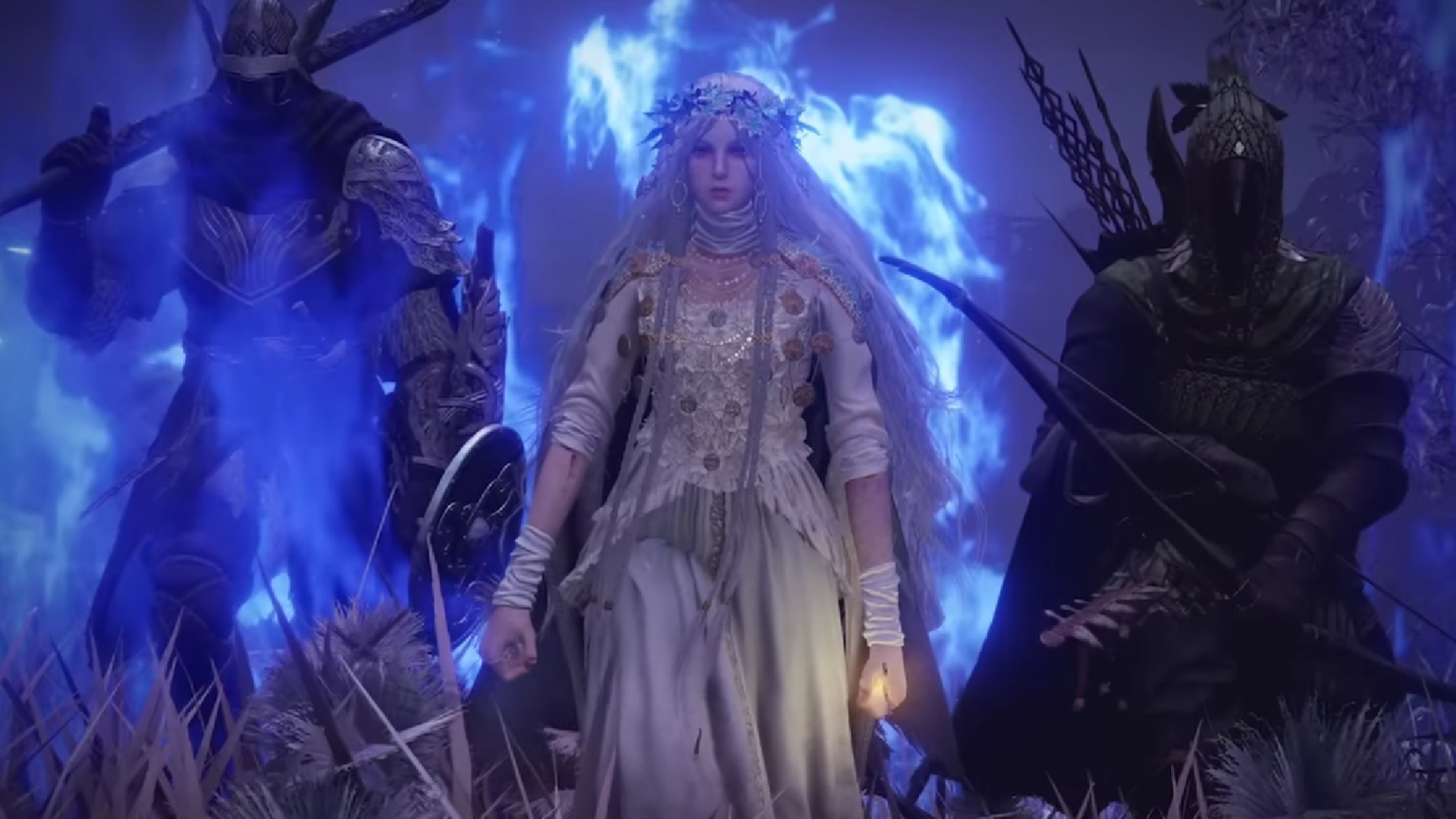
- The Launch Phase: Upon release, the game was praised for its brutal difficulty and addictive "one-more-run" gameplay loop. The protagonist, the doll-like Nightfarer, quickly became a cultural icon within the community, specifically due to the recurring meme of equipping her with comically oversized swords.
- The Expansion Era: The release of Forsaken Hollows served as the game’s primary content injection. It refined the combat mechanics and added a layer of depth to the procedural generation, stabilizing the game’s reputation as a high-quality spin-off.
- The Current Stasis: Since the conclusion of the Forsaken Hollows update cycle, official communication from FromSoftware has been non-existent regarding Nightreign. The studio has pivoted its full focus toward its next major projects, leaving Nightreign in a state of "completed" status.
Supporting Data: The Rise of Fan-Driven Content
The most compelling evidence of Nightreign’s continued vitality is the emergence of Revenant Run, a browser-based endless runner created by programmer Spagato and animator Keith Garces. Garces, who had previously gained notoriety for his viral "Hop on Nightreign" videos, brought a sense of visual flair and meme-worthy humor to the project that perfectly captures the game’s aesthetic.
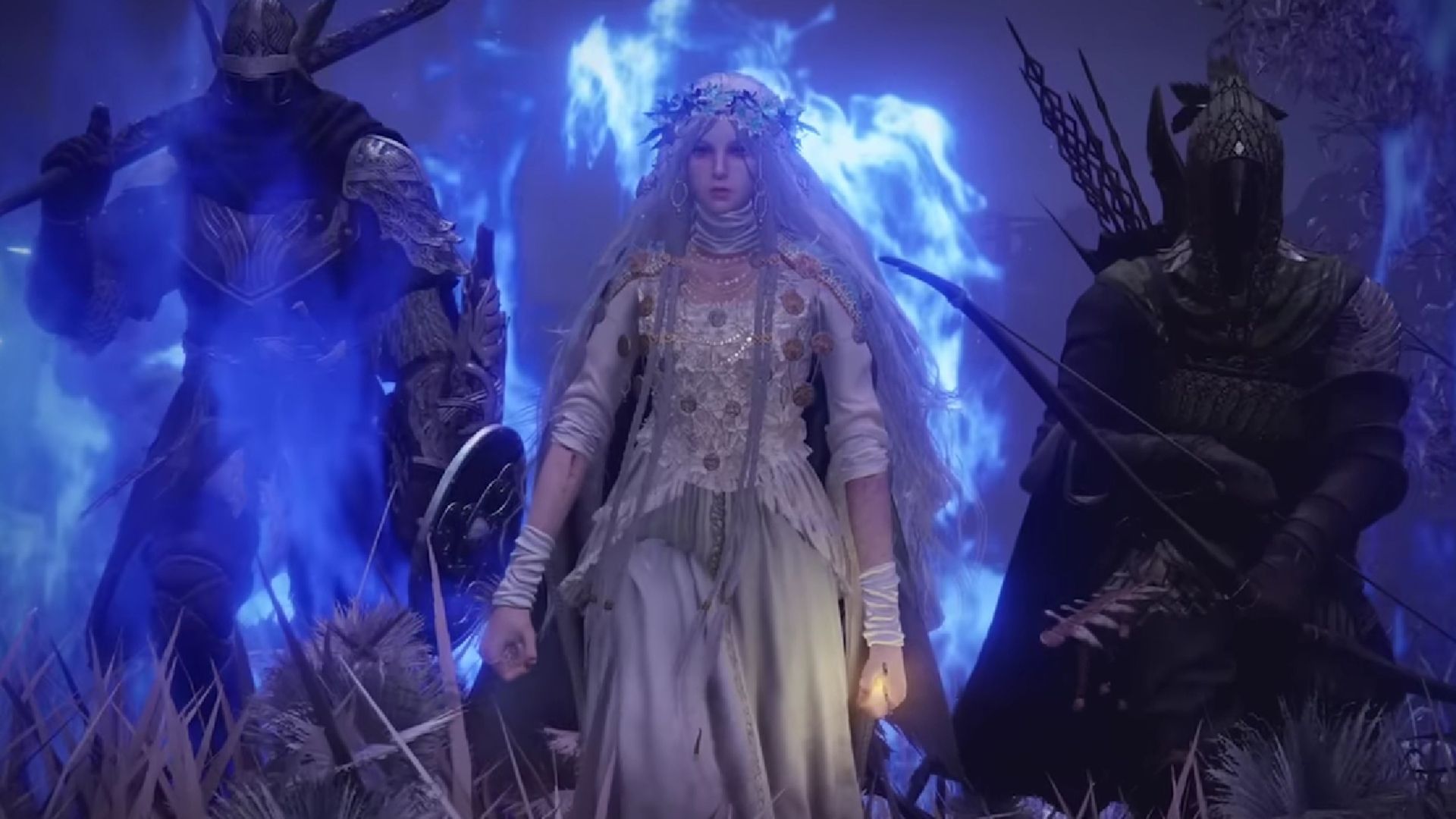
Revenant Run is not merely a homage; it is a functional, high-energy distillation of the Nightreign experience. Players control the Nightfarer as she dashes through iconic environments, slashing through familiar enemies—including the fan-favorite pumpkin-headed behemoths and the endearing, fragile "pot boys." The objective—smack monsters, collect runes, and avoid lethal obstacles—mirrors the core satisfaction of the original title.
The success of such projects highlights a shift in gaming culture: the "community-maintained" era. When developers stop updating a game, the community steps in to fill the void, ensuring that the title remains part of the cultural conversation for years to come.
Official Responses and Corporate Silence
FromSoftware has maintained its signature stoicism regarding the status of Nightreign. The studio is famously selective about its communications, often preferring to let their games speak for themselves rather than engaging in the constant PR cycles typical of other major developers.
While some fans view this silence as a sign of neglect, industry analysts suggest that Nightreign was never intended to be a long-term service game. By design, it was a finite experience. FromSoftware’s refusal to comment on potential future updates is likely a strategic decision to avoid setting expectations that they do not intend to meet. For the developers, the work is done; for the fans, the work is just beginning.
Implications: The Future of Fan-Led Game Development
The situation surrounding Nightreign raises important questions about the lifecycle of video games. If a game is "finished" in the eyes of the developer, does that mean it must die? The answer, increasingly, is no.
The Democratization of Game Content
Projects like Revenant Run demonstrate that the tools for game development are more accessible than ever. High-quality engines and creative communities on platforms like Itch.io allow fans to iterate on existing intellectual properties in ways that were impossible two decades ago. This creates a symbiotic relationship: the original game provides the foundation and the audience, and the fans provide the longevity.
The "Flash Game" Nostalgia
There is a profound sense of nostalgia at play here. Many of the fans currently building Nightreign projects are the same generation that grew up in the era of Newgrounds and browser-based Flash games. By creating these spin-offs, they are recreating the feeling of discovery they had in school computer labs. The medium has changed, but the spirit of grassroots game development remains constant.
The Role of Developers in Supporting Fan Work
While FromSoftware has not officially endorsed these fan projects, the lack of aggressive legal action (a common occurrence in the gaming industry) is a testament to the respectful relationship between the studio and its fans. By allowing these projects to exist, the community is essentially keeping the Elden Ring brand alive in the public consciousness during long development droughts between major releases.
Conclusion: A Legacy Defined by the Player
Elden Ring: Nightreign may not be receiving official updates, but it is far from dead. It has transcended its origins as a commercial spin-off to become a community-owned phenomenon. As long as fans continue to find joy in the rhythmic slashing of monsters, the gathering of runes, and the sight of a tiny doll wielding a sword twice her size, Nightreign will remain a cornerstone of the Elden Ring ecosystem.
The transition from a developer-led product to a community-maintained project is a natural evolution in the modern gaming landscape. As we look toward the future of the industry, it is clear that the most enduring games will not just be those that are best supported by their creators, but those that inspire their players to pick up the digital brush and create, innovate, and play in their own image.
Whether or not FromSoftware ever returns to the Nightreign IP is ultimately becoming a secondary concern. The community has proven that when a game is truly beloved, the ending of official support is merely the beginning of the real story. In the world of Nightreign, the run never really ends—it just changes hands.


 Asro
Asro
 Basiran