Lina Hope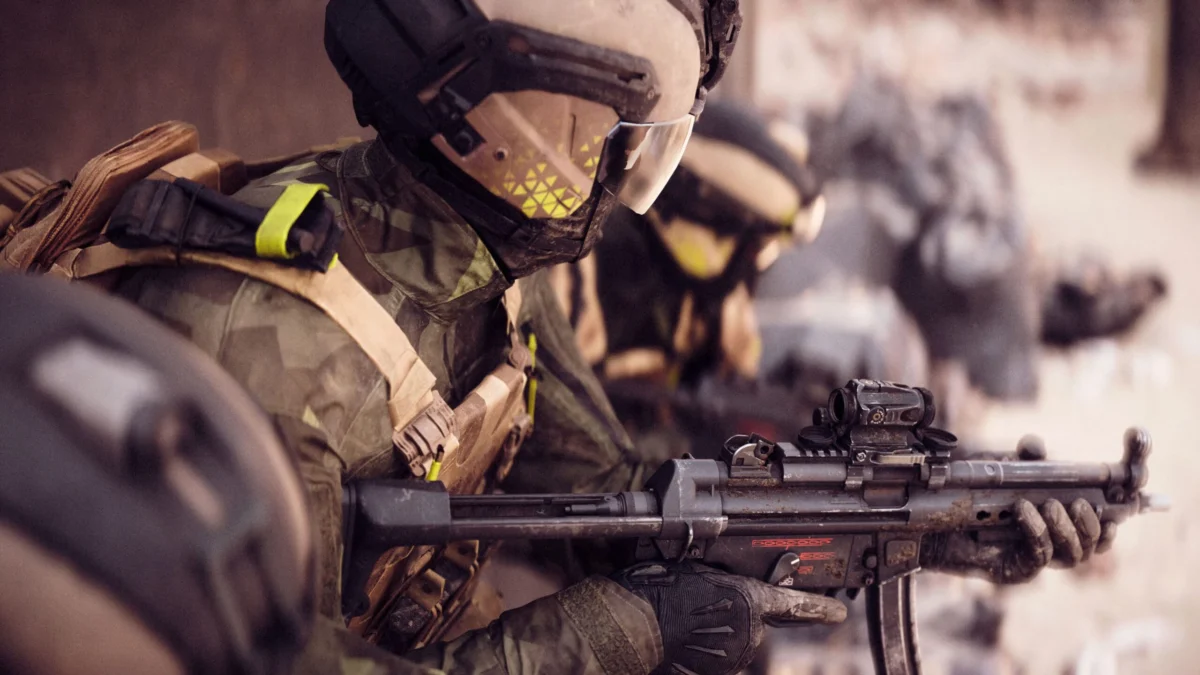
The anticipation surrounding the future of Battlefield 6 has reached a fever pitch. After a challenging period that saw the game’s second season delayed by a full month, Electronic Arts and the development team are finally pulling back the curtain. Following weeks of cryptic teasers and experimental "Battlefield Labs" testing sessions—specifically centered on the upcoming map, "Contaminated"—the community is on the cusp of seeing exactly what the next chapter of the NATO versus Pax Armata conflict entails.
Today marks a critical juncture for the title. With a formal gameplay reveal scheduled, players are eager to see if the new content can revitalize the player base and address the lingering feedback regarding content cadence and map design.
The Main Facts: What to Expect from Season 2
The reveal of Season 2 is not merely a content drop; it is a strategic pivot for Battlefield 6. The season officially goes live on February 17, and it promises a substantial injection of new mechanics and environments designed to shake up the current meta.
The Headlining Addition: "Contaminated"
The centerpiece of the update is the new medium-large map, "Contaminated." Set deep within the rugged, mist-covered mountains of Germany, the map is built around the ruins of a former NATO airbase. Initial insights from the Battlefield Labs testing phase suggest that this map will favor tactical, mid-to-long-range engagements while providing significant verticality.
The "VL-7" Variable
Perhaps the most intriguing narrative and gameplay element introduced this season is the presence of "VL-7," a psychoactive smoke. While official details remain under wraps until the trailer premiere, early whispers from the development blog suggest this environmental hazard may play a significant role in area denial and infantry movement. Whether it acts as a traditional smoke screen or a dynamic hazard that impacts soldier performance remains the subject of intense community speculation.
Arsenal Expansions
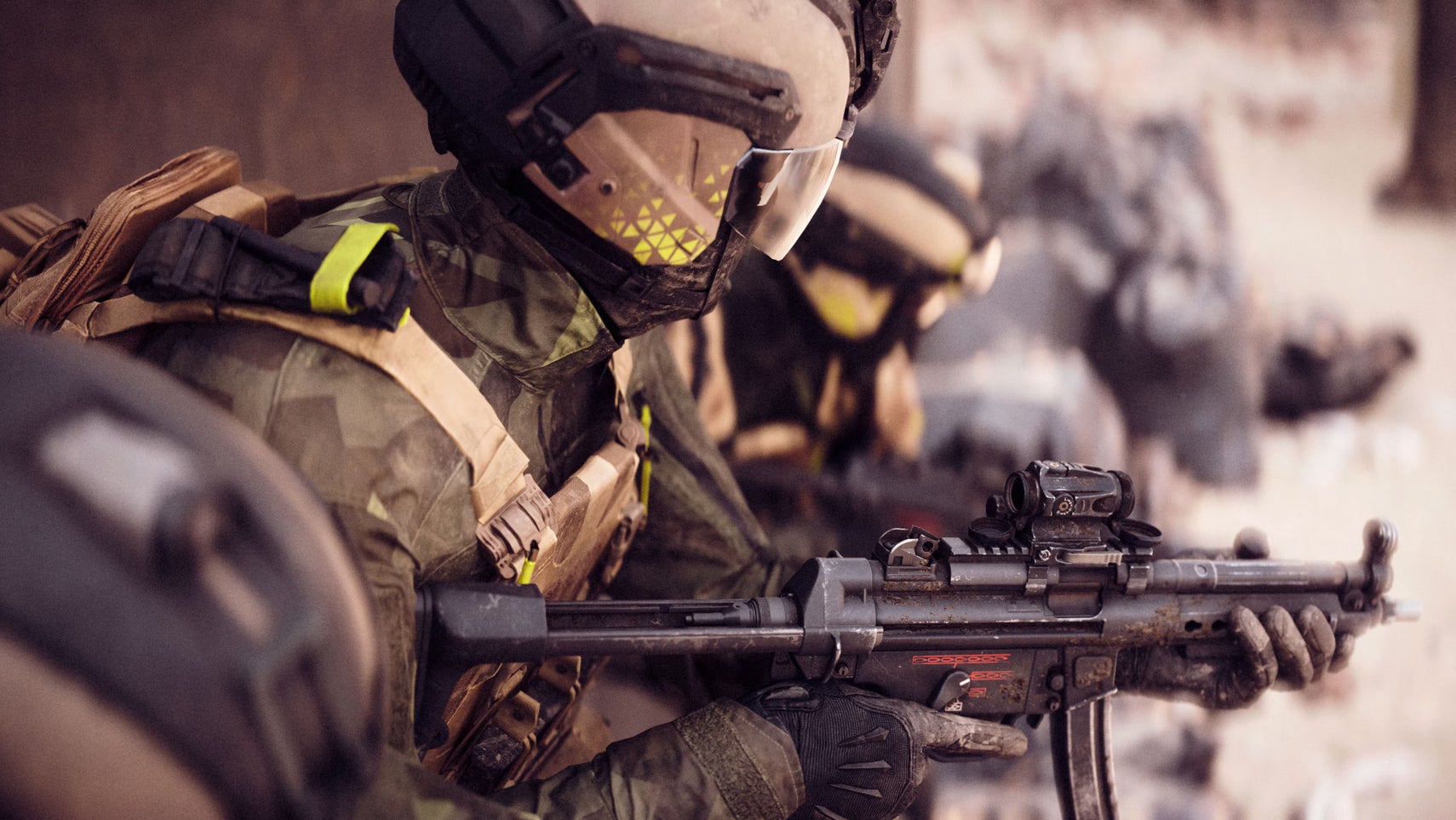
Season 2 is confirmed to bring a suite of new weapons and gadgets, aiming to provide players with more diverse loadout options. Most notably, the community’s vocal requests have been answered: the AH-6 Little Bird helicopter is officially returning. This classic platform is expected to bring a higher skill ceiling to the air-game, offering agility that the current roster of aircraft arguably lacks.
Chronology: The Road to the Reveal
The journey to Season 2 has been anything but linear. The development team has faced significant hurdles, most notably the unforeseen one-month delay that pushed the release into mid-February.
- Mid-January: Initial reports of development bottlenecks surfaced, leading to the official announcement of a one-month delay for the season. This caused significant unrest within the community, as players were looking for a fresh injection of content.
- Late January: The development team pivoted toward transparency. By launching "Battlefield Labs," they allowed a subset of the community to test early versions of the "Contaminated" map, providing crucial data on performance and balance before the official launch.
- Early February: A series of social media teasers began to drop, highlighting the lore of the conflict between NATO and Pax Armata, specifically focusing on the mysterious atmosphere of the German mountain base.
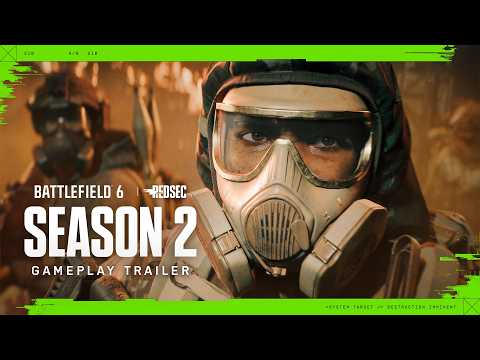
- Today (February 17th): The global reveal. The YouTube premiere at 8am PT / 11am ET / 4pm GMT serves as the definitive point of contact for players to see the roadmap, new gameplay mechanics, and the Battle Pass structure.
Supporting Data: Why Timing Matters
The pressure on the Battlefield 6 development team is immense. In an era where live-service games are judged by their "content velocity," the delay of Season 2 created a vacuum that many feared would lead to a drop-off in active daily users.
However, the "Battlefield Labs" initiative was a calculated move to retain player engagement. By allowing users to interact with early iterations of the new content, EA effectively turned a negative (the delay) into a constructive dialogue with the community. According to internal metrics and community sentiment polls on platforms like Reddit and the official forums, the "Labs" test saw high participation rates, suggesting that despite the delay, the core player base remains deeply invested in the game’s long-term health.
Furthermore, the introduction of the AH-6 Little Bird is a data-driven decision. Community surveys consistently identified the need for more agile, high-mobility air support. By prioritizing this request, the developers are signaling a move toward "fan-first" development, which is essential for rebuilding trust after a rocky launch period.
Official Responses and Developer Philosophy
While the studio has kept the specifics of the VL-7 smoke mechanics quiet, representatives have noted in previous dev-diaries that Season 2 is intended to be "the most immersive chapter yet."
"We understand that the delay was frustrating," a studio representative noted in a recent press release. "However, the extra time has allowed us to refine the environmental physics on ‘Contaminated’ and ensure that the integration of new gadgets doesn’t break the balance of existing combat loops. We aren’t just adding content; we are evolving the Battlefield experience."
The roadmap that follows today’s reveal will be the ultimate test of this philosophy. Players are looking for a clear, predictable timeline of content—not just for the next few weeks, but for the remainder of the year. The studio has hinted that this roadmap will provide a "much better idea about the volume and cadence" of future updates, a move that suggests they are ready to commit to a more rigorous, transparent schedule.
Implications: What This Means for the Future of Battlefield 6
The success of Season 2 will dictate the trajectory of Battlefield 6 for the rest of the year. If "Contaminated" succeeds in capturing the "classic" Battlefield feel—large-scale chaos combined with strategic squad play—the studio will likely double down on this style of map design.
The Shift in Engagement
The move toward narrative-heavy seasons (as seen in the NATO/Pax Armata focus) indicates that the developers are looking to foster a deeper connection between the player and the world. By grounding gameplay in specific locations like the German airbase, they are attempting to move away from generic "sandbox" warfare and toward a more cohesive, evolving story.

Technical Hurdles
The implementation of the VL-7 psychoactive smoke is a high-risk, high-reward feature. If it works as intended, it could redefine how players approach objective defense. If it suffers from technical issues or creates an unfair disadvantage for players, it could lead to further criticism regarding game stability. The eyes of the industry are on how well the engine handles these new, complex environmental assets.
Long-Term Sustainability
Ultimately, the goal for Season 2 is simple: retention. By providing a robust Battle Pass, the return of iconic vehicles, and a map that encourages tactical diversity, the studio hopes to convert casual players into long-term subscribers to the live-service model. The reveal today is the first step in proving that Battlefield 6 has the stamina to remain a top-tier contender in the competitive shooter market.
As we await the premiere later today, the community remains in a state of cautious optimism. The ingredients for a comeback are present: a high-quality map, requested hardware, and a renewed commitment to communication. Whether or not the final product matches the promise of the trailer will be decided by the players when the servers go live on the 17th.
Stay tuned for our deep-dive analysis following the official reveal, where we will break down the trailer frame-by-frame and provide a complete guide to the new weapons and gadgets coming to the front lines.


 Asro
Asro
 Muslim