

In the hyper-competitive landscape of modern gaming, the conventional wisdom suggests that titles have a shelf life. Games are launched, supported with seasonal content for a few years, and eventually sunset to make way for the next blockbuster. Yet, the Diablo franchise continues to defy this industry standard, proving that nostalgia, when paired with thoughtful, modern-day stewardship, is a potent economic and cultural force.
While Diablo 4 holds the crown as Blizzard’s fastest-selling game of all time, the true story of the franchise’s current vitality lies in the past. Even as millions of players continue to engage with Diablo 3, it is the 26-year-old titan, Diablo 2, that has recently commanded the spotlight. Through a daring experiment involving the game’s first expansion in over two decades, Blizzard has reignited a dormant community, proving that the classic ARPG experience remains "moreish" regardless of the era in which it was born.
The Facts: A Quarter-Century Leap
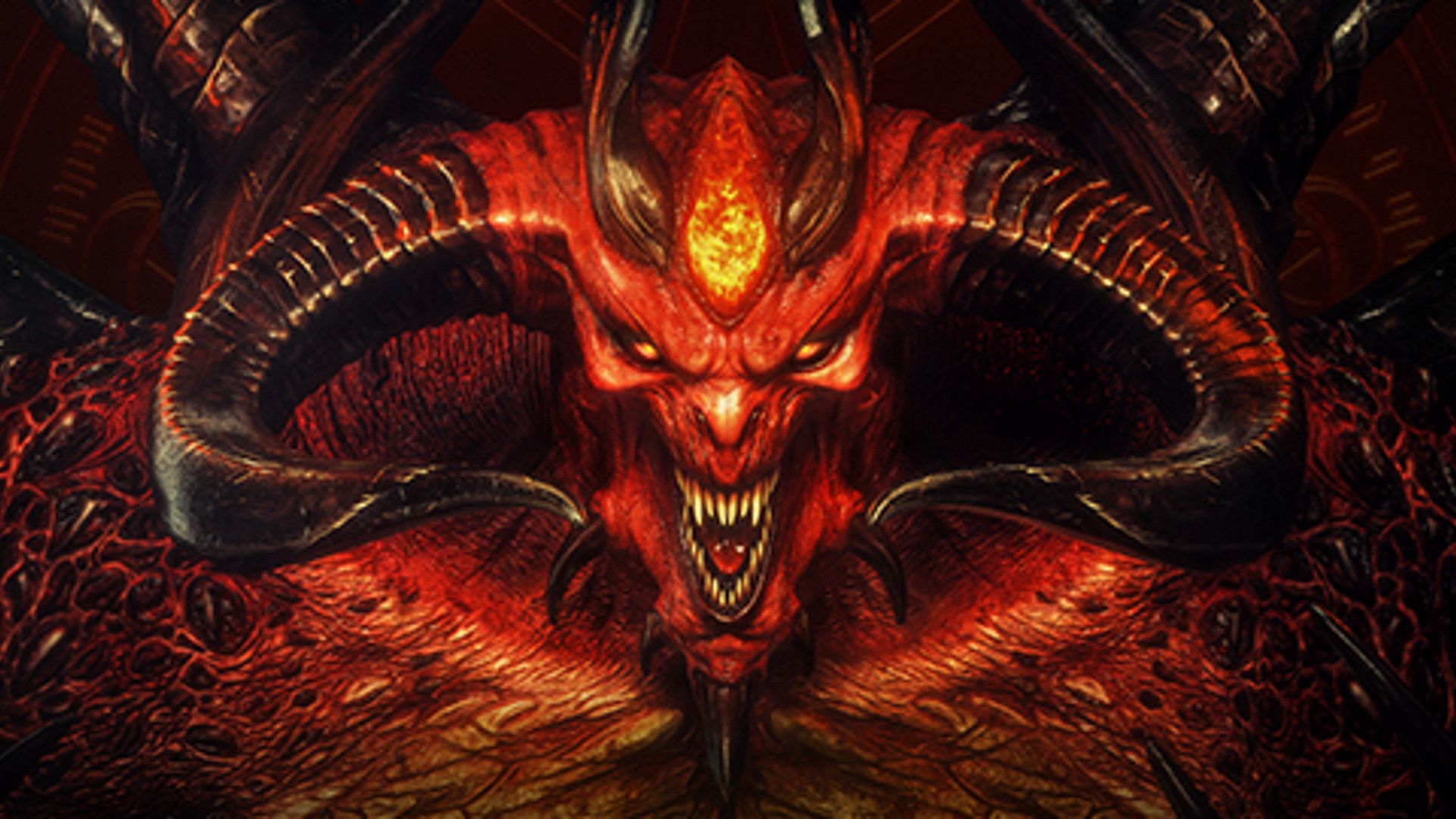
The phenomenon surrounding Diablo 2 centers on the surprise release of the Reign of the Warlock expansion. For a game that defined the action-RPG genre in the early 2000s, the introduction of a new character class—the Warlock—felt like a seismic shift.
Between February 11 and March 11 of this year, the engagement metrics were staggering:
- 1.92 million Warlocks were created by the player base.
- 93.4 million hours were collectively logged in the expansion within the first month.
These figures are not merely vanity metrics; they represent a deep, sustained engagement from a player base that is often considered "hardcore." The addition of the Warlock was not just a content drop; it was a signal that Blizzard is willing to revisit its legacy titles with the same vigor it reserves for its flagship modern releases.
Chronology of the Diablo Revival
To understand the current state of Diablo 2, one must look at the timeline of the franchise’s evolution:
- 2000–2001: Diablo 2 and its original expansion, Lord of Destruction, set the gold standard for ARPG mechanics, inventory management, and atmosphere.
- 2012: The release of Diablo 3 introduced a more accessible, arcade-like approach to the series, attracting millions but drawing criticism from traditionalists who preferred the darker, grittier tone of the second game.
- 2021: The launch of Diablo 2: Resurrected acted as a bridge, remastering the classic visuals and controls for a modern audience without compromising the game’s underlying systems.
- 2024: The Reign of the Warlock expansion marks the first time in 25 years that Blizzard has added substantial, gameplay-altering content to the original engine, effectively "breaking the seal" on a quarter-century of stasis.
This trajectory demonstrates a deliberate shift in strategy. Rather than forcing players to migrate to the latest iteration, Blizzard is now cultivating a multi-generational ecosystem where players can choose the version of Diablo that resonates with their specific gameplay preferences.
Supporting Data: Why Players Are Returning
The success of Diablo 2 in 2024 cannot be attributed solely to the novelty of a new class. It is the result of a "perfect storm" of community demand and mechanical refinement. According to industry analysts, the resurgence is driven by three key factors:
- Mechanical Depth: Modern gamers are increasingly gravitating toward games that reward theory-crafting. The return to the complex skill trees and rigid itemization of Diablo 2 offers a level of intellectual engagement that many modern, streamlined games lack.
- Inventory Management Updates: One of the most requested features of the last 20 years was a fix for the game’s notoriously clunky inventory. By finally addressing these quality-of-life issues, Blizzard removed the final barrier to entry for many lapsed players.
- The "Ladder" Economy: The implementation of a new competitive ladder season coinciding with the expansion launch provided a reset button, allowing veterans and newcomers alike to compete on a level playing field.
Official Perspectives: The "Screaming at the Mountain"
Matthew Cederquist, the lead producer for the franchise, notes that the decision to expand such an old title was driven by an undeniable grassroots pressure.
"There’s so many fans that were just screaming at the top of the mountain to give them something," Cederquist shared in a recent interview. He described the transition from initial shock to intense gameplay as rapid and organic. "It was nice because players moved extremely quickly from, ‘I can’t believe Diablo 2 has a new class, oh my God,’ to actually doing what players do best, which is digging into the game, testing builds, arguing about synergies, making build guides, and then preparing for the new ladder."
This sentiment underscores a shift in Blizzard’s internal culture. The company is no longer viewing its back catalog as museum pieces, but as living, breathing platforms that require active maintenance and community feedback loops.
Implications: A New Strategy for Blizzard
The success of this endeavor has significant implications for how Blizzard manages its legacy IP. We are witnessing the emergence of a "multi-tier" support strategy:
- The Modern Vanguard: Diablo 4 remains the primary vehicle for growth and player acquisition, utilizing a live-service model that keeps the game in a constant state of flux.
- The Legacy Ecosystem: Titles like Diablo 2 and the potential "Classic Plus" versions of World of Warcraft serve as stable, high-retention environments for players who prefer a traditional experience.
- Maintenance Mode Evolution: Even Heroes of the Storm, once considered a "dead" game, continues to receive balance updates, suggesting that the studio is committed to maintaining its entire portfolio regardless of market trends.
This approach is undoubtedly influenced by the broader "Golden Age" of ARPGs. With titles like Last Epoch and Path of Exile pushing the boundaries of the genre, the competition for the player’s time has never been fiercer. By keeping its older titles relevant, Blizzard is effectively hedging its bets against the volatility of the modern market.
The Bigger Picture: A Golden Age of Choices
We are currently living in a unique moment in gaming history. The barriers between "old" and "new" are dissolving. A player can now spend their morning exploring the dense, modern mechanics of Diablo 4 and their evening revisiting the gothic, pixelated terror of a refreshed Diablo 2.
This choice is a win for the consumer. When a company as large as Blizzard—a studio that has faced significant criticism regarding its corporate culture and output in recent years—chooses to respect the longevity of its titles, it creates a sense of trust. It signals that if you invest your time and passion into a Blizzard game, that investment won’t necessarily be rendered obsolete by the next marketing cycle.
As the industry looks toward the future, the lessons learned from the Reign of the Warlock expansion are clear: the most effective way to build the future is often to pay closer attention to the past. The success of Diablo 2 proves that if you give the fans the tools to continue their journey, they will gladly walk the path for another twenty years. The question is no longer whether old games can survive in a modern landscape, but whether modern developers have the vision to keep them alive. For now, it seems Blizzard has found that vision, and the result is nothing short of a resurrection.











No comments yet. Be the first to join the conversation!