

Updated April 7, 2025
In the vast, procedurally generated expanse of the Roblox metaverse, few titles have captured the imagination of survival-horror enthusiasts quite like Darkdivers. As players assume the role of an interstellar scavenger—a "Darkdiver"—they are tasked with navigating the treacherous, light-starved corridors of deep-space derelicts. To aid in this high-stakes venture, developers frequently implement a redemption code system, providing players with the essential resources needed to survive. This guide serves as your definitive resource for tracking active rewards, understanding the game’s core mechanics, and mastering the redemption process.
Main Facts: The Darkdivers Experience
Darkdivers is not your typical casual exploration game. It is a grueling test of nerves, resource management, and combat proficiency. Players are dropped into the cold, silent depths of uncharted galaxies, where the primary objective is to salvage technology and survive long enough to extract.
The core gameplay loop revolves around "Points"—the primary currency within the Darkdivers ecosystem. Points are essential for upgrading your weaponry, purchasing oxygen supplies, and acquiring specialized gear that allows you to venture deeper into the void. Without these resources, a Darkdiver is essentially defenseless against the monstrosities that lurk in the shadows of abandoned space stations.
Why Codes Matter
In a game where death is often swift and unforgiving, the economic barrier to entry can be high for new players. Redemption codes act as a vital lifeline. By providing instant injections of Points, these codes allow players to bypass the early-game grind, enabling them to focus on exploration and the atmospheric horror that defines the experience.
Chronology: The Evolution of the Darkdivers Meta
Since its initial release on the Roblox platform, Darkdivers has undergone a series of rapid iterations. The development team has been highly responsive to community feedback, often adjusting the spawn rates of hostile entities and the drop rates of critical resources.
- Launch Phase: The initial release focused heavily on atmospheric tension. Resource scarcity was at an all-time high, leading to a community demand for developer-led support.
- The "Points" Economy: As the game expanded, the introduction of standardized currency (Points) allowed developers to integrate a code-based economy. This was the first time players saw the implementation of limited-time promotional codes.
- Recent Updates (Q1 2025): The most recent patches have focused on quality-of-life improvements. The developers have signaled a shift toward more frequent, smaller code drops to encourage daily player retention, moving away from the "massive dump" strategy used in 2024.
Supporting Data: Understanding the In-Game Economy
To thrive in Darkdivers, one must treat the in-game economy with the same level of caution as one treats a xenomorph lurking in the vents.
The Role of Points
Points function as the lifeblood of your character’s progression. When you spawn, you are equipped with base-level gear. Upgrading this gear is mandatory for surviving the mid-to-late-game sectors.
- Weapons: Essential for dealing with the high-health, high-damage monsters that patrol the darker sectors.
- Survival Gear: Includes oxygen canisters and flashlights, both of which are limited-use items.
- Utility: Upgrades to your scanning equipment, which allows for better detection of hidden salvage.
When developers release a code, it usually provides a sum of Points ranging from 500 to 2,000. While this may seem like a modest amount, for a beginner, it represents the difference between a successful mission and a total loss of equipment.
Official Responses and Developer Philosophy
The developers of Darkdivers have maintained a transparent, albeit sporadic, relationship with their player base. Through their official social media channels and the Roblox game description, they have clarified their stance on the reward system.
"We want Darkdivers to be challenging, but not impossible," a representative from the development team noted in a recent update log. "Codes are our way of rewarding the community for their loyalty and for helping us stress-test the game during its beta phases. We encourage players to watch our official channels closely, as some codes are intentionally time-sensitive or limited in the number of uses."
This "limited-use" philosophy is critical. Unlike some games where codes remain active for months, Darkdivers codes are often designed to expire after a specific number of redemptions. This creates a "first-come, first-served" environment that rewards active community members.
Implications: The Future of Reward Systems in Roblox
The success of Darkdivers and its reliance on external redemption codes points to a broader trend in the Roblox ecosystem. Games that maintain a high degree of difficulty are increasingly using these "mercy mechanics" to prevent player burnout.
The Community Impact
The community surrounding Darkdivers has become highly organized. Discord servers and fan forums have emerged specifically to track the release of new codes. This collaborative effort has turned the hunt for codes into a meta-game of its own.
Strategic Implications for Players
For the dedicated player, the implications are clear:
- Preparation is Key: Always keep your inventory managed so that when a code drops, you can instantly apply those Points toward your next necessary upgrade.
- Stay Informed: Because codes are ephemeral, relying on a single source of information can be dangerous. Bookmark reputable hubs that track these codes in real-time.
- Risk Management: Never rely on codes to "fix" a bad run. They are supplements, not solutions. Always prioritize efficient scavenging over the hope of a quick code payout.
How to Redeem Codes in Darkdivers: A Step-by-Step Guide
Redeeming your rewards is a straightforward process, provided you know exactly where to look. Follow these steps to ensure your Points are deposited into your account correctly:
- Launch the Game: Open the official Darkdivers page on Roblox.
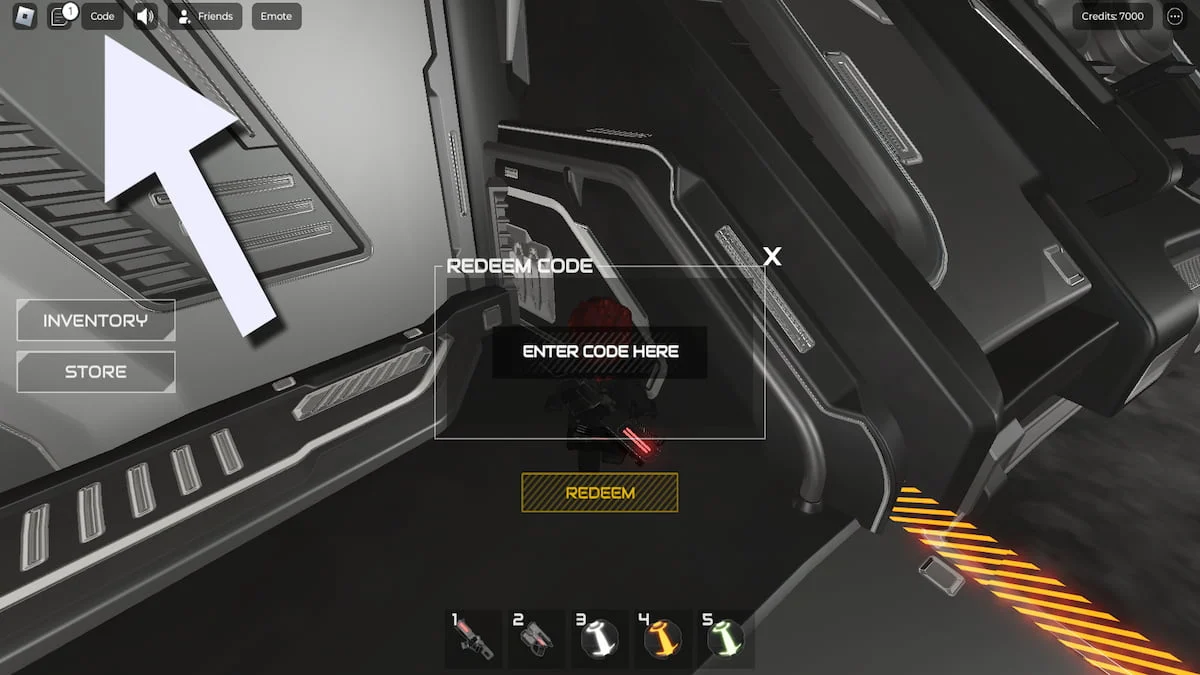
- Access the HUD: Once inside the game lobby or the main ship menu, look for the settings icon or the "Codes" tab, which is typically located in the left-hand sidebar of the screen.
- Input the Code: A text box will appear. Carefully type or paste the active code. It is recommended to copy-paste to avoid common typos (such as confusing ‘0’ for ‘O’ or ‘1’ for ‘l’).
- Confirm: Press the "Enter" or "Redeem" button. If the code is valid, you will receive an immediate notification confirming the addition of Points to your balance.
- Troubleshooting: If the code fails, check the following:
- Expiration: Has the code passed its end date?
- Case Sensitivity: Are you using the correct capitalization?
- Redemption Limit: Have you already used this code on your account?
Conclusion: Staying Ahead in the Dark
Darkdivers stands as a testament to the potential of the Roblox platform to deliver high-quality, atmospheric survival experiences. By balancing the harsh reality of deep-space exploration with a player-friendly reward system, the developers have fostered a dedicated and engaged community.
As we move deeper into 2025, the challenges within the game are expected to grow in complexity. New enemies, more expansive derelict maps, and higher-tier equipment will likely require even more strategic resource management. We will continue to monitor the status of all active and expired codes to ensure you have the best possible chance of survival.
Remember: The void is indifferent to your plight. Keep your weapons charged, your oxygen levels high, and your eyes peeled for the next batch of Darkdivers codes. Bookmark this page and check back frequently—you never know when the next supply drop will arrive to save your mission from catastrophe.
Disclaimer: This guide is intended for informational purposes only. We are not affiliated with the developers of Darkdivers, and code availability is subject to change at the developer’s discretion. Ensure you only ever enter codes in the official game client to protect your account security.












No comments yet. Be the first to join the conversation!