

"It’s hours of boredom interrupted by a few minutes of pretty intense adrenaline."
This is the assessment of one weary participant in the Florida Python Challenge, an annual, government-sanctioned event that invites the public to descend upon the Everglades in a high-stakes, low-margin search for one of the most invasive species in North American history.
In his latest documentary, The Python Hunt, filmmaker Xander Robin eschews the monotony of the wait to focus on the frantic, high-octane reality of the hunt. More importantly, he documents the bizarre sociological tapestry of the hunters themselves. By assembling a cast of true-to-life characters who navigate the line between environmental stewardship and primal bloodlust, Robin has crafted a piece of modern Americana that sits comfortably in the tradition of "Tiger King"—an intoxicating blend of earthy reality, bureaucratic pragmatism, and semi-surreal bad taste.
The Ecological Crisis: How the Everglades Became a Serpent’s Lair
To understand the madness of the hunt, one must first grasp the method behind the government’s desperation. The Burmese python, a creature native to Southeast Asia, has transformed from a popular exotic pet into the primary antagonist of the Florida Everglades ecosystem.
While the exact origin of the infestation remains a subject of debate, the most prominent theory points to the devastation of 1992. When Hurricane Andrew tore through Southern Florida, it leveled numerous reptile breeding facilities, inadvertently releasing a population of non-native giants into the swamp. Without a natural predator to keep their numbers in check, these pythons flourished, preying upon indigenous mammals, birds, and even smaller alligators with alarming efficiency.
Current estimates regarding the python population are as staggering as they are difficult to verify. State officials and biologists suggest that anywhere from 50,000 to half a million of the invasive serpents now call the Everglades home. As these apex predators continue to devastate local biodiversity, the state has moved from passive monitoring to an active, annual "war."
Chronology of a Conflict: From Scientific Study to Public Spectacle
The Florida Python Challenge is not merely a hobbyist’s weekend; it is a meticulously organized state event. Throughout the year, professional contractors are commissioned by the Florida Fish and Wildlife Conservation Commission (FWC) to conduct culls. However, for a ten-day period each summer, the doors are flung open to the public.
The timeline of the event is designed to maximize participation:
- Registration: Amateurs from across the country apply, often paying entry fees for the chance to compete for significant cash prizes.
- The Influx: As the challenge begins, the Everglades—a delicate, protected wilderness—becomes the site of a high-intensity, nocturnal dragnet.
- The Hunt: Participants spend their nights navigating the swamp, relying on headlamps and specialized equipment to spot the camouflaged pythons.
- The Weigh-in: Captured specimens are brought to designated check-in stations, where the largest or most numerous kills are tallied to determine the winners.
For those involved, the event is a complex mix of duty and obsession. Robin’s film captures this duality, documenting the transition from a scientific necessity into an event that one observer ruefully describes as "the Burning Man of snake-hunting."
The Cast: A Study in Eccentricity
The Python Hunt excels because it refuses to sanitize its subjects. Robin presents a "rum bunch" of hunters, each motivated by vastly different impulses.
The Veterans and the Outsiders
The film highlights figures like James McCartney, a former professional hunter who has become a renegade of sorts. After falling out with the administrative side of the industry, McCartney operates in the shadows, bringing his teenage daughter, Shannon, into the fold. Their expertise is undeniable, yet they operate on the fringes of the official sanctioned event, reflecting the friction that often exists within the hunting community.
The Unexpected Recruits
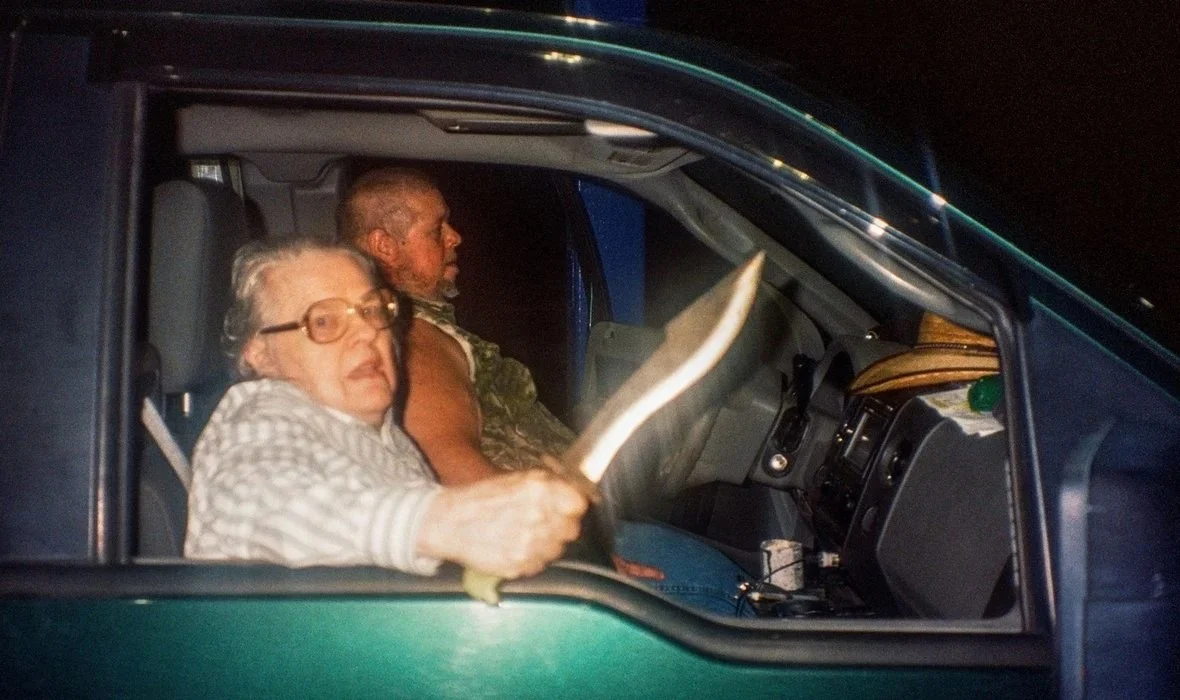
The spectrum of participants defies easy categorization. We see Anne Stratton, an 82-year-old widow who possesses no prior hunting experience but harbors a fierce, almost visceral desire to eradicate the snakes. Her driver, the burly, quintessential "man of the wild" Toby Benoit, serves as her guide through the murky waters.
Conversely, the film introduces viewers to Richard Perenyi, a San Francisco science teacher sporting a man-bun, whose presence in the swamp provides a jarring contrast to the stereotypical Florida outdoorsman. Then there is Madison Oliveira, an ex-Marine whose organized, disciplined approach to the hunt masks a deeper, more complex relationship with her quarry. While she is efficient in her task, she handles the pythons with a surprising, poignant tenderness, distinguishing her from those who hunt with pure, unchecked aggression.
Supporting Data and Environmental Implications
While the adrenaline of the chase drives the narrative, Robin maintains a critical, skeptical distance. The documentary raises essential questions that are often lost in the excitement of the "kill count."
- The Efficacy Question: Environmentalists interviewed in the film point to the potential for the hunt to serve as a distraction. They argue that while the python problem is undeniable, the state’s focus on hunting might be a political maneuver to draw attention away from the more systemic damage caused by industrial pesticides and water mismanagement in the Everglades.
- The Ethics of Bloodlust: A recurring theme is the question of intent. Are these hunters acting as conservationists, or are they motivated by a thrill-seeking bloodlust? When participants describe the pythons as "foreign invaders on American soil," the language shifts from ecological management to a socio-political rhetoric that feels far removed from biology.
- The Visual Language of the Hunt: Cinematographers David Bolen and Matt Clegg capture the "queasily atmospheric" nature of the event. By emphasizing the contrast between the oily, impenetrable darkness of the Everglades and the harsh, artificial glare of high-powered flashlights, the film achieves a fluorescent fever-nightmare aesthetic that underscores the absurdity of the human presence in this untamed, fragile ecosystem.
Official Responses and the Future of the Challenge
The FWC continues to defend the Python Challenge as a vital tool in the broader strategy of invasive species management. By inviting the public to participate, they increase the total number of eyes on the ground, potentially removing hundreds of snakes that would otherwise go unnoticed by the limited number of professional contractors.
However, the film suggests that the "social" aspect of the challenge—the prizes, the cameras, and the media attention—has created an environment where the spectacle may be eclipsing the science.
The Python Hunt, which premiered to acclaim at SXSW and secured a Special Jury Prize, is now making its transition from the festival circuit to U.S. theaters via Oscilloscope Laboratories. Its path to audiences has been organic, fueled by a reputation for being an unflinching, morbidly funny, and deeply strange piece of documentary filmmaking.
As the film reaches a wider audience on VOD platforms, it is poised to become a cult classic. It does not provide easy answers about the ethics of the hunt or the future of the Everglades. Instead, it offers a "rivetingly hazy" portrait of a state in conflict with its own landscape. By allowing his subjects the space to speak—and to hunt—Xander Robin has documented a ritual that captures the desperation, the eccentricity, and the profound uncertainty of modern American conservation. Whether the Python Challenge is a necessary evil or a misguided spectacle, the documentary leaves the viewer with an indelible truth: in the dark of the Florida swamp, the line between hero and villain is as thin as a serpent’s tongue.











No comments yet. Be the first to join the conversation!