Nana Muazin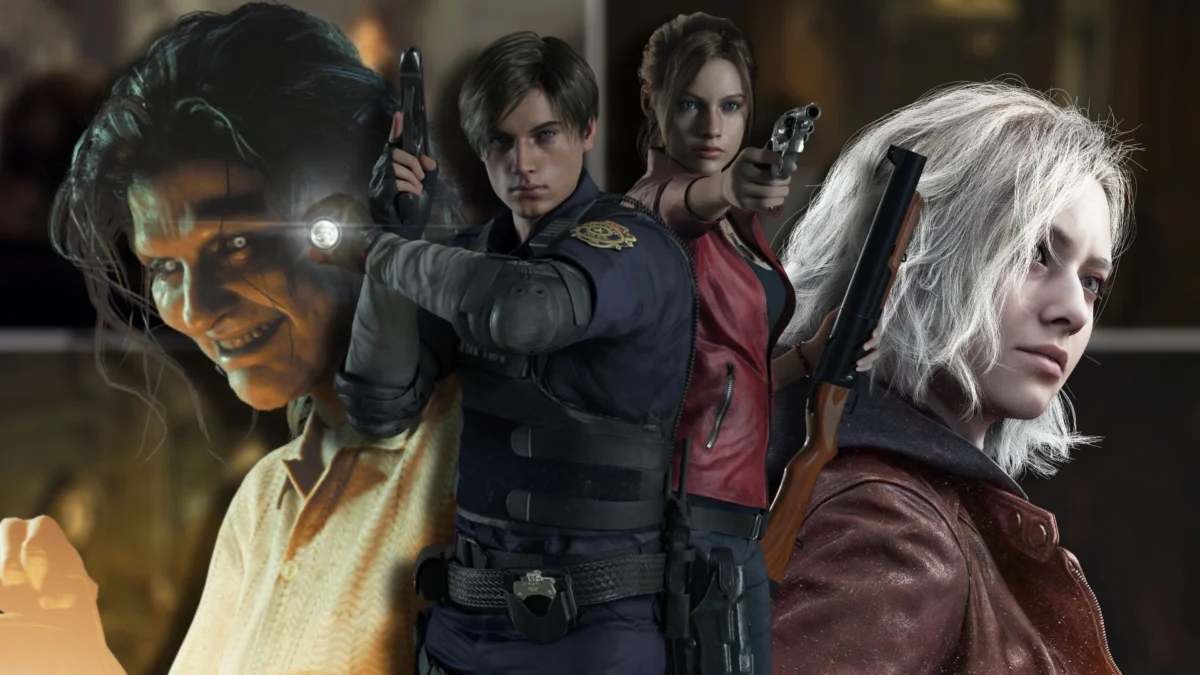
The Resident Evil series is arguably the bedrock upon which the modern survival horror genre was built. Since the release of the original title in 1996, Capcom has shepherded the franchise through decades of reinvention, shifting from claustrophobic, fixed-camera puzzles to high-octane action-horror, and eventually back to a revitalized, visceral terror.
However, the "horror" in Resident Evil has not been a constant. It has been a roller coaster, marked by shifts in industry trends, technological leaps, and experimental game design. While some entries are masterpieces of atmosphere and dread, others traded tension for ammunition, leaving long-time fans wondering where the fear went. As we evaluate the mainline series—excluding rail-shooters like The Umbrella Chronicles to focus on the core canon—it becomes clear that Capcom’s ability to scare us is a direct reflection of their willingness to embrace vulnerability.
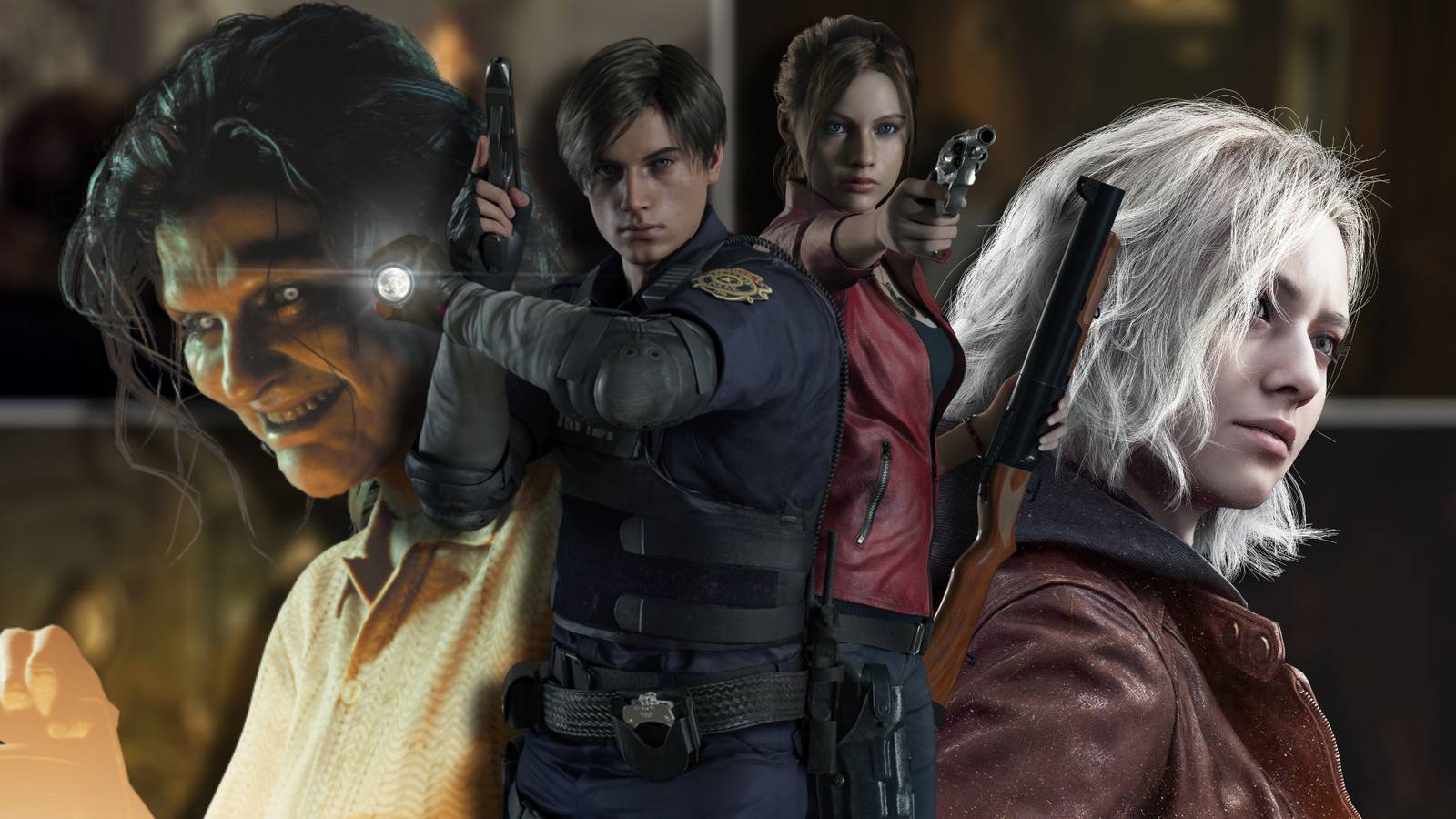
The Chronology of Terror: A Descent into Madness
To understand the current state of the franchise, one must look at how the fear factor has shifted over time. The series began with the isolated, gothic horror of the Spencer Mansion, moved into the urban apocalypse of Raccoon City, and eventually drifted into the global action-blockbuster phase of the late 2000s.
The Action-Horror Era: When Scares Took a Backseat
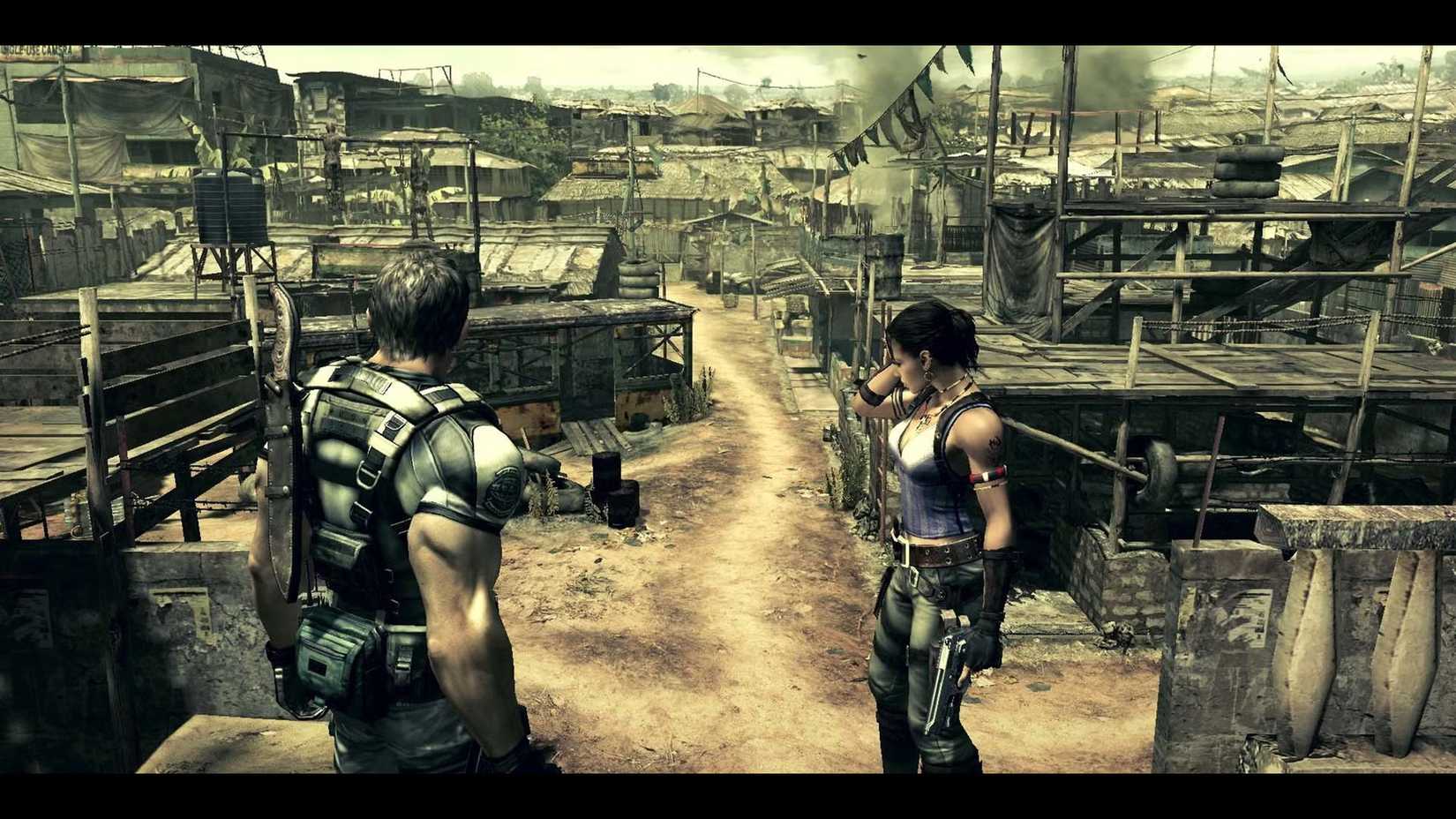
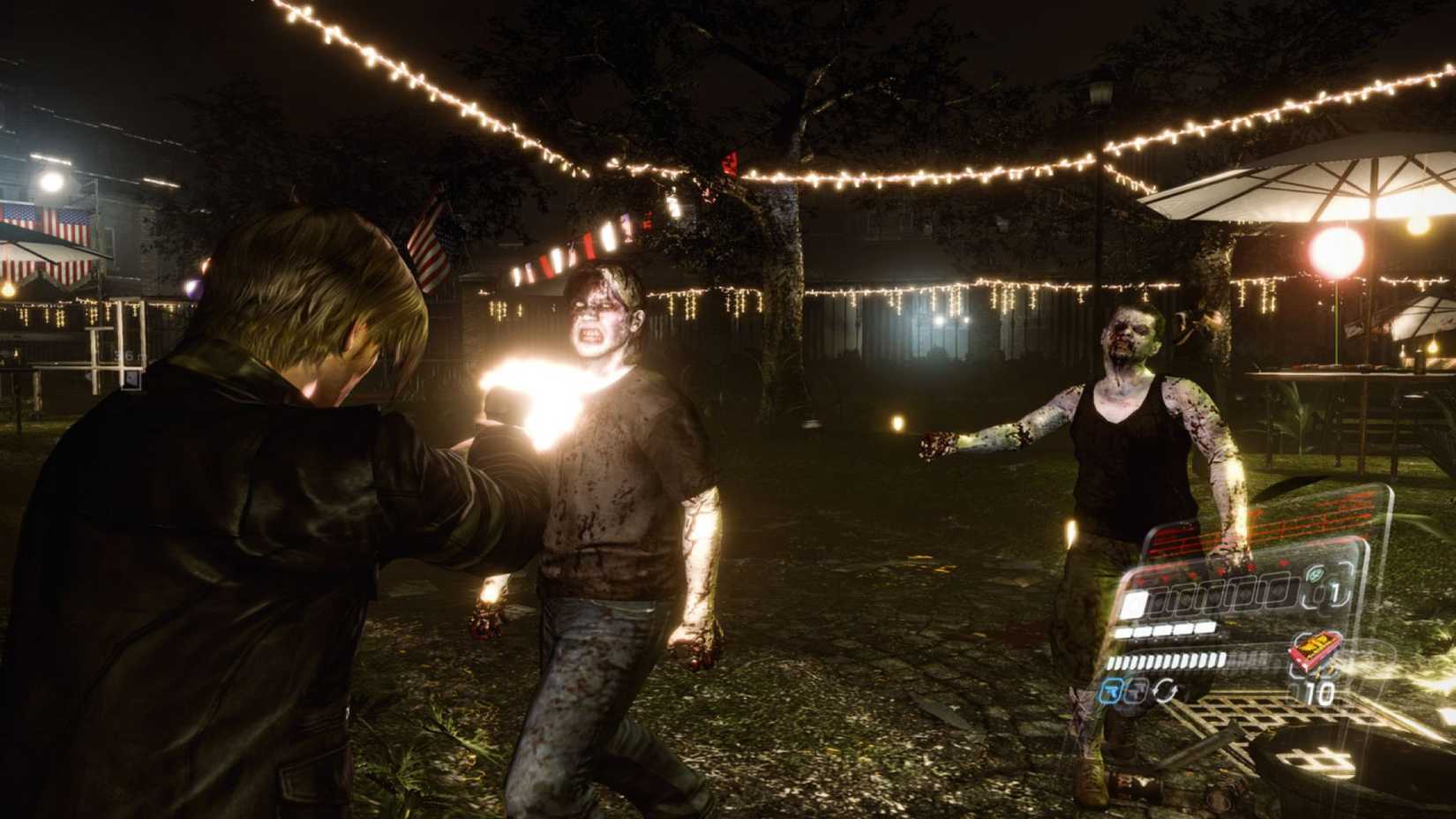
During the middle of the franchise’s lifespan, Capcom shifted its focus toward the "Action Horror" sub-genre. Titles like Resident Evil 5 and Resident Evil 6 represent the lowest points of the series’ "fear factor." While these games are technically impressive and highly replayable, they prioritize power fantasies over vulnerability. In Resident Evil 5, the co-op dynamic—while fun—effectively stripped away the feeling of isolation. The game functioned more as a third-person shooter than a survival horror experience.

Resident Evil 6 attempted to balance multiple campaigns, with Leon Kennedy’s path offering a brief glimmer of traditional creepiness within a college campus setting. However, even there, the game quickly devolved into horde-based combat, diluting the tension. These titles are often ranked lowest in terms of pure, unadulterated fear because they provide the player with too many tools for survival.
The Mid-Tier: Atmosphere and Anxiety
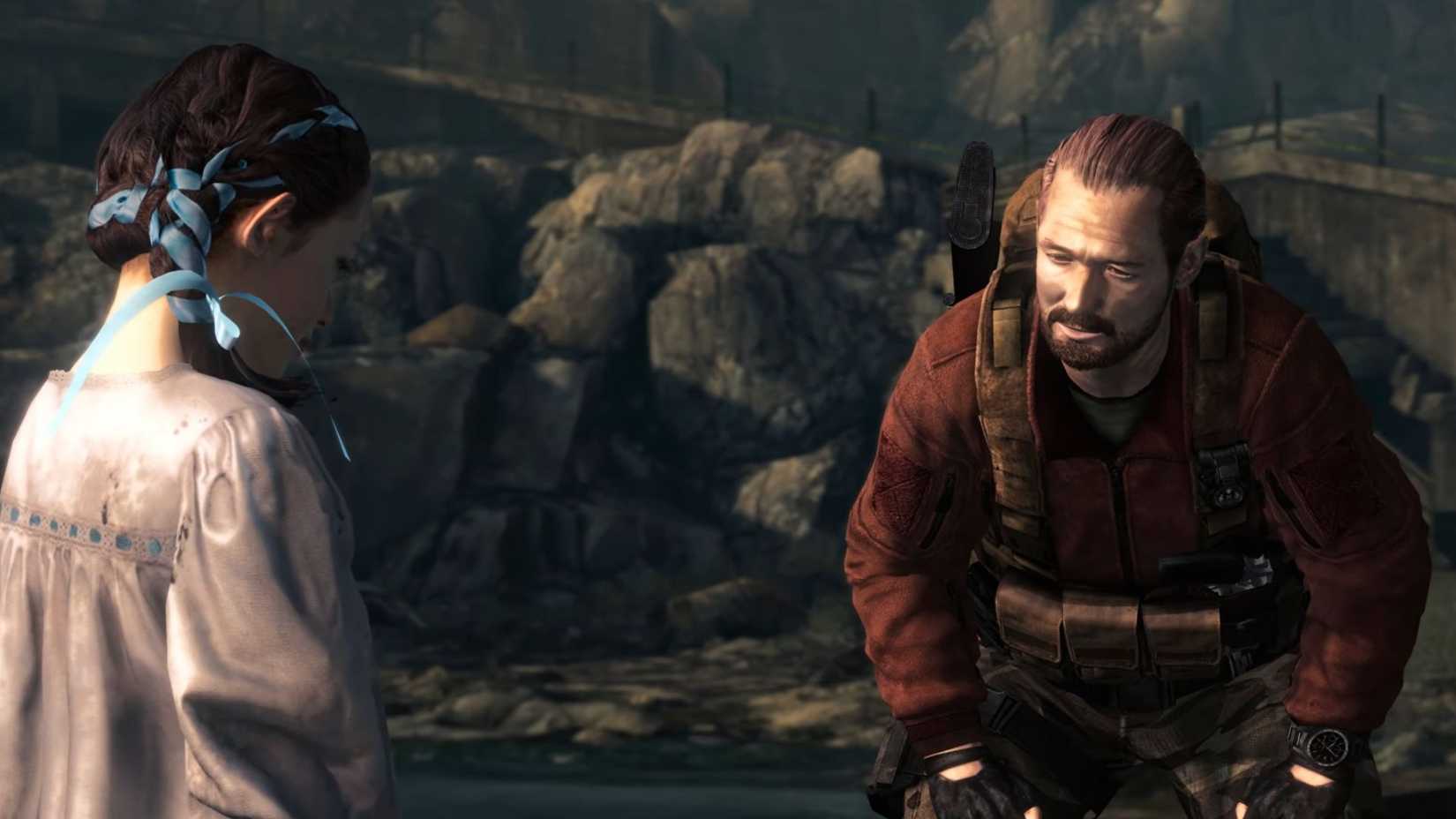
In the middle of the spectrum, we find games like Resident Evil 0 and Resident Evil: Revelations. Resident Evil 0 remains an underrated gem, largely due to its unsettling reliance on leech-based enemies. The claustrophobia of being trapped on a train, combined with the inventory management system, created a persistent sense of anxiety. Similarly, the Revelations titles successfully captured a "maritime horror" vibe. While they aren’t traditionally "scary" in the way a modern jump-scare game might be, they maintain a consistent, moody atmosphere that keeps players on edge.
Supporting Data: The Mechanics of Fear
What makes a Resident Evil game truly scary? According to fans and critics alike, it is rarely just the monsters. It is the restriction of resources.
- The Resource Constraint: The most effective entries in the series, such as the original Resident Evil and Resident Evil 2, thrive on the player’s fear of running out of ammunition. When you are one bullet away from death, every encounter becomes a high-stakes tactical decision.
- Environmental Storytelling: The Raccoon City Police Department (RPD) in Resident Evil 2 serves as a masterclass in design. By repurposing a museum as a police station, the developers justified the presence of bizarre, complex puzzles that would otherwise feel out of place in a modern building. This environment forces the player to slow down, absorb the atmosphere, and fear what is lurking behind the next corner.
- Stalker Mechanics: The introduction of entities like Mr. X or Nemesis changed the franchise’s DNA. These enemies provide an "unstoppable" threat, stripping away the player’s agency. As seen in the Resident Evil 2 remake, being pursued by a towering, relentless force creates a unique form of anxiety that standard zombies cannot replicate.
Official Responses and Creative Direction
Capcom’s approach to the franchise has been cyclical. Following the backlash against the hyper-action focus of Resident Evil 6, the developers underwent a significant strategic shift. By developing the RE Engine, they returned to their roots, prioritizing photorealistic environments and a more intimate, first-person perspective.
The recent remakes of the classic trilogy have acted as a litmus test for the series. Capcom has officially noted that these remakes are designed to bridge the gap between "classic survival" and "modern accessibility." By modernizing the controls and visuals while retaining the original map layouts and resource scarcity, Capcom has proven that they understand what made the 1996 and 1998 originals so impactful.
The upcoming Resident Evil projects (including the rumored Code: Veronica remake) indicate a clear path forward: keep the core mechanics of survival horror intact, but enhance the "freak factor" through modern technical fidelity.
Implications for the Future of Survival Horror
The success of recent entries suggests that the audience for "true" survival horror is as strong as it has ever been. The implication for the future is clear: players are tired of games that prioritize explosive set-pieces over genuine dread.
The "Resident Evil 1" Standard
The original Resident Evil remains a pillar of the genre. Whether playing the 1996 Director’s Cut or the 2002 GameCube remake, the feeling of isolation within the Spencer Mansion is unmatched. The game forces players to be vulnerable, and in that vulnerability, the horror thrives. The potential for a modern remake of the original title, utilizing the current RE Engine, is a subject of constant speculation. If such a project were to happen, it would likely be the definitive horror experience of the decade.

The Balance of Power
The current trajectory of the franchise suggests that Capcom has learned that "scary" and "fun" are not mutually exclusive, but they must be balanced carefully. As we look at the ranking of the series, the titles that occupy the top spots—Resident Evil 2 and Resident Evil 3—are those that successfully integrated the "unstoppable" enemy threat with limited player agency.
Looking forward, the franchise is in a position of strength. By leaning into the psychological and atmospheric elements that defined the late 90s, while utilizing the cutting-edge technology of the 2020s, Capcom is not just maintaining the legacy of the series—they are expanding it.
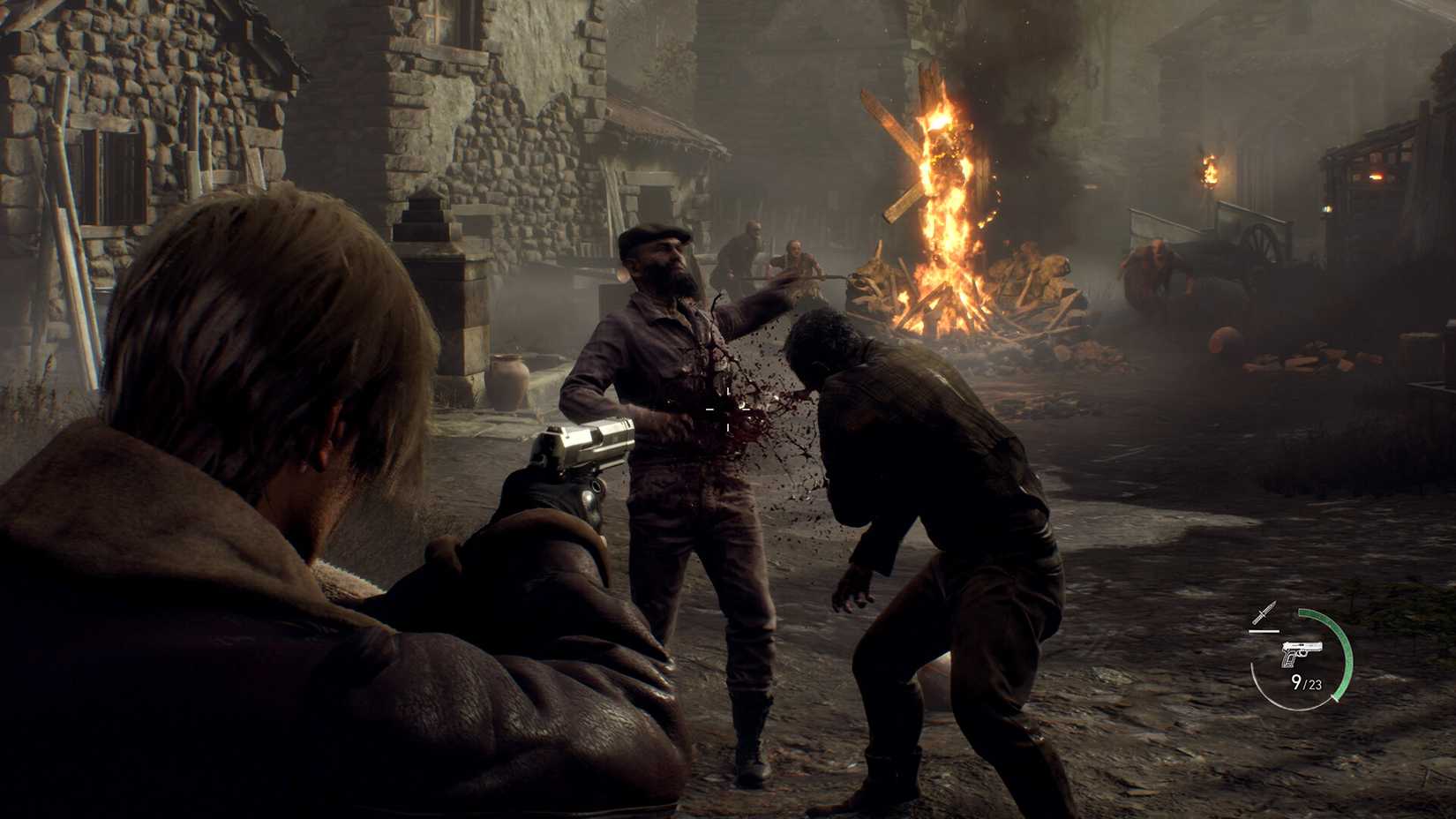
The lesson learned from decades of trial and error is simple: keep the player guessing, keep the ammunition scarce, and never, ever let them feel completely safe. As long as the Resident Evil franchise remembers that the most terrifying thing in the world is the unknown lurking in the next hallway, the series will continue to define the survival horror genre for generations to come.
Whether we are walking through the rain-slicked streets of Raccoon City or exploring the crumbling ruins of a remote laboratory, the heart of Resident Evil remains its ability to transform our deepest fears into a playable, terrifying reality. The "Action Horror" era may have been a necessary detour, but the return to the series’ roots has proven that, for Resident Evil, the future is indeed a frightening place to be.


 Dwi Wanna
 Sagoh
Sagoh