


The landscape of home entertainment is undergoing a seismic shift. As the traditional broadcast and cable television model continues its steady decline—with usage falling below the 50% threshold for the first time in 2023—consumers are increasingly migrating toward streaming platforms. However, the "streaming dream" has hit a reality check: subscription costs for premium services are climbing, and password-sharing crackdowns have soured the user experience. In this climate, free, ad-supported streaming television (FAST) services have become the last bastion for budget-conscious viewers.
Pluto TV, arguably the most iconic player in the FAST sector, is now bracing for a significant transformation. Paramount Global, the service’s parent company, has announced a comprehensive design overhaul of the platform. This update, set to roll out in the coming months, marks a pivot away from the "linear-first" experience that defined Pluto TV’s success, moving toward an interface that prioritizes on-demand content and data-driven personalization.
The Core Transformation: Moving Beyond the "Channel Surf"
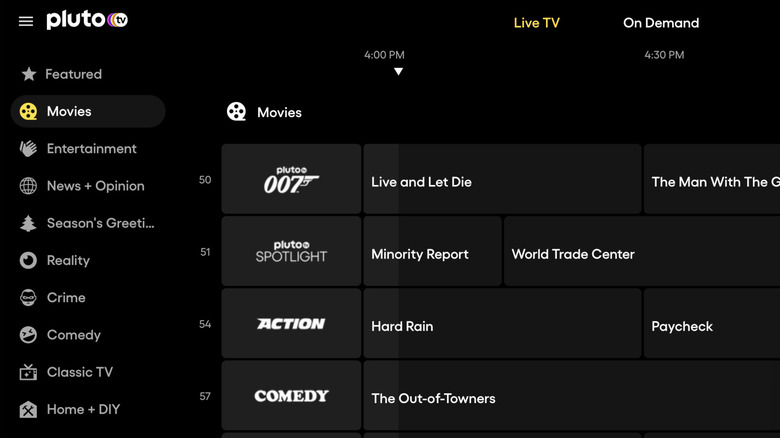
For years, Pluto TV’s primary appeal was its simplicity. By mimicking the traditional cable grid, it offered a passive viewing experience that resonated with millions. Viewers could open the app and immediately drop into a 24/7 stream of classic sitcoms, procedural dramas, or niche documentaries without the "choice paralysis" often associated with modern content libraries.
However, the upcoming update—previewed at this year’s ATX Television Festival by Tad Ro, Pluto TV’s SVP of Product Management—signifies a departure from this philosophy. The new interface will adopt the visual language and architecture of Paramount+. This means the homepage will no longer lead with a list of live channels; instead, it will greet users with a curated carousel of on-demand titles and personalized recommendations.
For longtime users, the experience will feel fundamentally different. While the live TV functionality remains, it is being relegated to a secondary navigation tab. The company is effectively transitioning from a "virtual cable box" into a comprehensive streaming destination that emphasizes intentional, on-demand discovery.

Chronology: From Linear Nostalgia to Data-Driven On-Demand
To understand why Pluto TV is making this move, one must look at the evolution of the streaming market over the last decade:
- The Early Years (2013–2018): Pluto TV launched with a clear mission: provide a free, linear experience that felt like cable. This appealed heavily to millennials who wanted a "lean-back" experience where the platform decided what was playing.
- The Acquisition Era (2019): Paramount (then ViacomCBS) acquired Pluto TV for $340 million, signaling a major bet on the FAST model.
- The Streaming Wars (2020–2023): As premium streamers like Netflix, Disney+, and Max raised prices, FAST services saw a massive influx of users. Simultaneously, competitors like Tubi began gaining market share by focusing on massive on-demand libraries rather than live feeds.
- The Pivot (2024): Recognizing that younger demographics (Gen Z and Gen Alpha) prioritize on-demand content, Paramount decided to unify its user experience. The upcoming summer 2024 update represents the most significant structural change in the platform’s history.
Supporting Data: Why the Shift is Happening Now
The decision to move toward an on-demand-first model is not arbitrary; it is driven by cold, hard data. According to industry analysts and internal feedback from Paramount, two primary factors are dictating this change:
1. Ad Revenue Efficiency
In the streaming economy, "intent" is more valuable than "passive viewing." Advertisers are willing to pay higher rates for slots on on-demand content because they know a user has actively clicked on a specific show or film, signaling a higher level of engagement. Tad Ro noted that because Pluto TV relies on advertising, aligning the platform with the demands of the advertising market is a survival necessity.
2. Generational Shifts
The "passive" viewer model is losing ground to the "active" viewer. Younger generations, raised on the algorithms of TikTok and YouTube, prefer to curate their own viewing sessions. By moving toward an on-demand interface, Pluto TV is attempting to capture this demographic, which finds the traditional channel-grid format clunky or outdated.
Official Responses and Strategic Synergies
The strategic rationale behind this redesign is deeply rooted in "corporate synergy." Paramount Global aims to harmonize the user experience across its ecosystem. By modeling the new Pluto TV app after Paramount+, the company creates a pathway for "cross-pollination."

"There’s a bigger push to get users to sign up and register so we can actually understand a user, how they consume content on Pluto," explained Tad Ro during his demonstration. "We can use that data to help personalize the experience both on Pluto and Paramount+."
Furthermore, the company plans to eventually merge user accounts. While the goal is to keep Pluto TV free, the platform is moving toward a mandatory sign-in model for full functionality. This allows Paramount to build a robust profile of the user’s habits, which in turn feeds into the recommendation engines for both their free and paid tiers. While some users may view this as an unnecessary hurdle for a free service, the company argues it is a small trade-off for a more refined, personalized experience.
The Implications: What This Means for the User
The transition to this new interface will have several long-term implications for the streaming landscape:
The End of the "Pure" FAST Experience
Pluto TV was the gold standard for linear-style streaming. By shifting the focus to on-demand, the service loses some of its unique "old-school TV" identity. While the live channels aren’t disappearing, they are being de-emphasized. This suggests that the industry as a whole is moving toward a standardized "Netflix-style" interface, regardless of whether the content is free or paid.
Enhanced Navigation and Personalization
On the positive side, the new interface aims to solve the "discovery problem." Many users have historically been unaware of the depth of Pluto TV’s on-demand library. By placing this content on the homepage, the update will likely increase engagement with older or less-seen content. Features like "in-player browsing"—which allows users to search for their next program while the current one is still playing—are intended to reduce "friction" and keep viewers within the ecosystem for longer durations.
Competition with Tubi and Others
The streaming market is essentially a zero-sum game for the user’s time. By acknowledging that Tubi is a major competitor, Pluto TV is essentially admitting that they need to compete on the same playing field. Tubi has thrived by offering a massive, easy-to-navigate on-demand library. Pluto’s makeover is a direct strategic counter-attack designed to ensure they don’t fall behind in the battle for ad-supported viewers.
Conclusion: A Double-Edged Sword
The "makeover" of Pluto TV is a reflection of the broader streaming industry’s maturation. As the novelty of "free TV" wears off, platforms are being forced to prove their value through better technology, deeper data integration, and improved user interfaces.
For the casual viewer who just wanted a simple, passive channel guide, these changes may feel like a step backward—a complication of a system that wasn’t broken. However, for a company struggling to navigate the transition from traditional cable to a digital-first world, this pivot is a necessary evolution. By borrowing from the design language of premium platforms like Paramount+, Pluto TV is betting that it can survive the transition from a "cable substitute" to a "data-driven content portal."
Whether this transition ultimately benefits the consumer remains to be seen. The true test will be whether the platform can maintain its status as the "best free streaming service" while navigating the friction of forced registration and a more complex interface. One thing is certain: the era of the simple, passive stream is fading, replaced by a sophisticated, algorithmic future where every click matters—both for the user and the advertiser.









No comments yet. Be the first to join the conversation!