Nana
Nana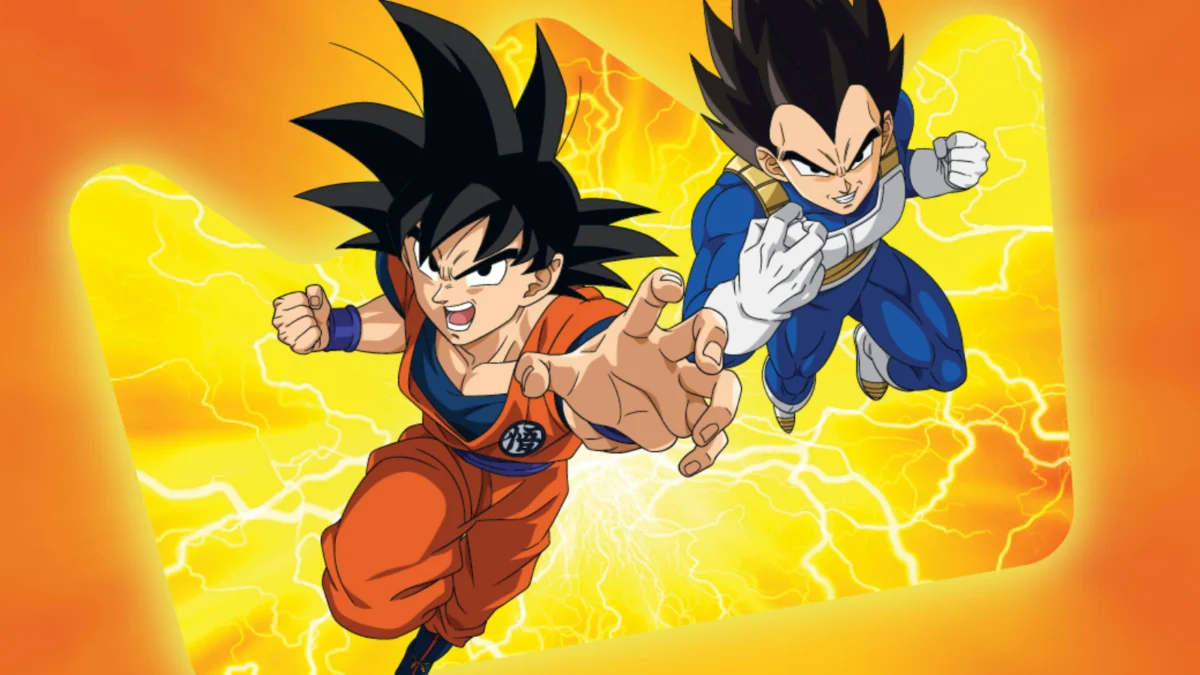
In a bold move that bridges the gap between quick-service dining and global pop-culture fandom, Burger King has launched its most ambitious anime partnership to date: a multi-continental collaboration with the legendary Dragon Ball Super franchise. Far exceeding the typical "toy-in-a-box" model, the campaign—executed in partnership with Toei Animation—has transformed physical restaurant locations into immersive arenas, introduced hyper-localized, thematic menus, and sparked digital scavenger hunts that have left fans across the globe buzzing.
While initial sightings of the promotion were reported in Mongolia, the campaign has since cascaded into a high-profile international rollout, reaching markets including the United States, Canada, Malaysia, Denmark, Sweden, and Brazil. This article explores the mechanics of this massive cross-promotional effort, the varying culinary strategies employed by regional branches, and the implications of this campaign for the future of branded entertainment in the food industry.
The Chronology of a Global Power-Up
The Dragon Ball Super collaboration did not arrive as a singular, uniform global event. Instead, it was rolled out in phases, allowing for regional customization that respected local taste buds and marketing trends.
- Initial Discovery (Early 2024): The partnership was first identified in the Mongolian market, where early adopters caught glimpses of promotional signage featuring iconic characters like Goku and Vegeta in their Super Saiyan Blue forms.
- Expansion Phase (Mid-2024): As the campaign gained traction, Western and Southeast Asian markets began to integrate the promotion. Malaysia launched its phase on September 7, featuring an extensive range of kid-focused meals and interior restaurant makeovers.
- The "Toronto Mystery" (September 2024): Perhaps the most intriguing development occurred in Canada, where Burger King teased an elaborate, city-wide scavenger hunt for seven "Dragon Balls" scheduled for September 8. The event promised fans a real-world quest for prizes. However, following the initial announcement, the social media posts were abruptly deleted. The mystery surrounding the cancellation—or potential rescheduling—remains a point of contention for local fans.
- The October Horizon: The campaign is perfectly timed to coincide with the broader Dragon Ball Super momentum, specifically the October release of Dragon Ball Super: Beerus, an enhanced adaptation of the fan-favorite Beerus arc.
Culinary Creativity: A Menu for Every Saiyan
One of the most striking aspects of this collaboration is the lack of a "one-size-fits-all" menu. Recognizing that a one-size-fits-all approach rarely succeeds in the global fast-food market, Burger King’s regional teams have exercised significant creative freedom to align with local palates.
The Western "Power Up" Approach
In the United States, the focus remains on the core Burger King experience augmented by brand synergy. Customers are offered a "Power Up Pack," a curated bundle that includes standard nuggets, the exclusive "Super Saiyan Sauce," a thematic "Dragon Ball Burst Lemonade," and, crucially, a collectible figure. This model emphasizes the "collectible" aspect of the anime experience, targeting both younger fans and the dedicated community of adult collectors.
The Danish and New Zealander "Super Saiyan" Experience
In contrast, Denmark and New Zealand have opted for a more radical culinary transformation. The "Super Saiyan Meal" features a flame-grilled beef burger served on a striking, vibrant orange bun—a visual nod to Goku’s signature gi. The flavor profile is equally bold, incorporating Japanese chili mayonnaise, fresh lettuce, tomatoes, roasted onions, and crispy bacon. The sides are equally thematic, with fries drenched in the same spicy Japanese chili mayo and roasted onions, mirroring the "power-up" intensity of the show. To incentivize engagement, the first 150 customers at each participating Danish restaurant who ordered via the app were rewarded with limited-edition, exclusive T-shirt designs.
Brazil’s "Dragon Ball" Innovation
Perhaps the most inventive menu item comes from Brazil, where the team introduced "Pepperoni Dragon Balls." These are crispy, deep-fried, orange-hued spheres filled with a savory blend of cheese and pepperoni. By turning the franchise’s iconic wish-granting orbs into an edible appetizer, the Brazilian team demonstrated a high level of brand awareness, creating an item that is both visually thematic and functionally distinct from the standard burger-and-fry fare.
Immersive Retail: The "Restaurant Transformation"
In Malaysia, the collaboration went beyond the menu to fundamentally alter the customer environment. By turning multiple locations into "immersive" Dragon Ball Super hubs, the company utilized character artwork, custom exterior graphics, and specialized lighting to create a "Saiyan" atmosphere.
Participating locations—including Wangsa Maju (Kuala Lumpur), Sunway Pyramid (Selangor), Botani Village (Perak), Limbongan (Melaka), and Lukut (Negeri Sembilan)—served as testing grounds for the effectiveness of "experiential dining." By creating a space where the brand’s physical presence is secondary to the thematic immersion, Burger King has effectively turned their restaurants into temporary pop-up exhibits, drawing in foot traffic from fans who might otherwise be dining at home.

Official Responses and the Toronto Scavenger Hunt Discrepancy
Despite the success of the rollout in most territories, the situation in Canada serves as a reminder of the complexities inherent in large-scale corporate marketing. When promotional materials for the "Seven Dragon Ball Hunt" in Toronto were removed from social media, it sparked immediate speculation.
The scavenger hunt, which would have required participants to follow clues across the city to secure secret prizes, was clearly intended to be the crown jewel of the North American activation. When approached for comment regarding the sudden removal of these posts, Burger King’s representatives did not provide a definitive clarification before the time of publication. This leaves the status of the event in a state of ambiguity, highlighting the challenges of managing multi-channel activations in the digital age, where social media posts can be archived or deleted in an instant, creating ripples of confusion among the consumer base.
Strategic Implications: Why Anime Matters to Fast Food
The partnership with Dragon Ball Super is not merely a marketing gimmick; it represents a fundamental shift in how global quick-service restaurants (QSRs) approach demographic targeting.
1. Reaching the "Nostalgia" Demographic
The Dragon Ball franchise has spanned decades, meaning that today’s consumers—many of whom have significant disposable income—grew up watching Goku’s ascent. By leaning into the aesthetic of the series, Burger King is tapping into a powerful emotional vein of nostalgia that simple mascot-based promotions cannot touch.
2. High-Value Intellectual Property (IP)
By partnering with Toei Animation, Burger King gains access to an IP with a massive, built-in, and highly vocal global community. Unlike generic themes, an anime collaboration allows for "limited edition" scarcity, which is a primary driver of modern consumer behavior. The use of collectible figures, exclusive T-shirts, and, in some cases, rare culinary items, ensures that customers return multiple times to "complete their collection."
3. Future-Proofing via Franchise Alignment
The timing of this campaign is no accident. With the upcoming Dragon Ball Super: Beerus and the anticipation surrounding the Galactic Patrol arc, Burger King is riding the wave of existing franchise momentum. This integration ensures that the marketing feels like part of the anime’s current news cycle, rather than an unrelated, disruptive advertisement.
4. The Potential for "Edible Merchandise"
The success of items like the Pepperoni Dragon Balls or the orange-bunned Super Saiyan burger indicates a new frontier in menu design. When food items are created to be "Instagrammable" or "social-media-ready," the customers themselves become the marketing team, sharing photos of their meals across platforms like TikTok, Instagram, and X (formerly Twitter). This user-generated content provides a layer of organic reach that paid advertising simply cannot replicate.
Conclusion
Burger King’s Dragon Ball Super collaboration is a masterclass in modern, multi-platform brand activation. While the scale of the project has led to minor inconsistencies—such as the quiet cancellation of the Toronto scavenger hunt—the overall execution is a testament to the power of high-value IP in the QSR space.
By allowing regional branches to experiment with unique menu items and immersive restaurant designs, Burger King has ensured that the campaign remains relevant across vastly different cultural landscapes. Whether through a simple figure-packed meal in the U.S. or a fully transformed, light-drenched restaurant in Malaysia, the message is clear: Burger King is betting heavily on the cultural cachet of anime. As the franchise prepares for its next narrative chapters, this collaboration serves as a potent reminder that the most effective marketing is that which meets the audience where their passions already reside.

 Nana Muazin
 Asep Darmawan