Pevita Pearce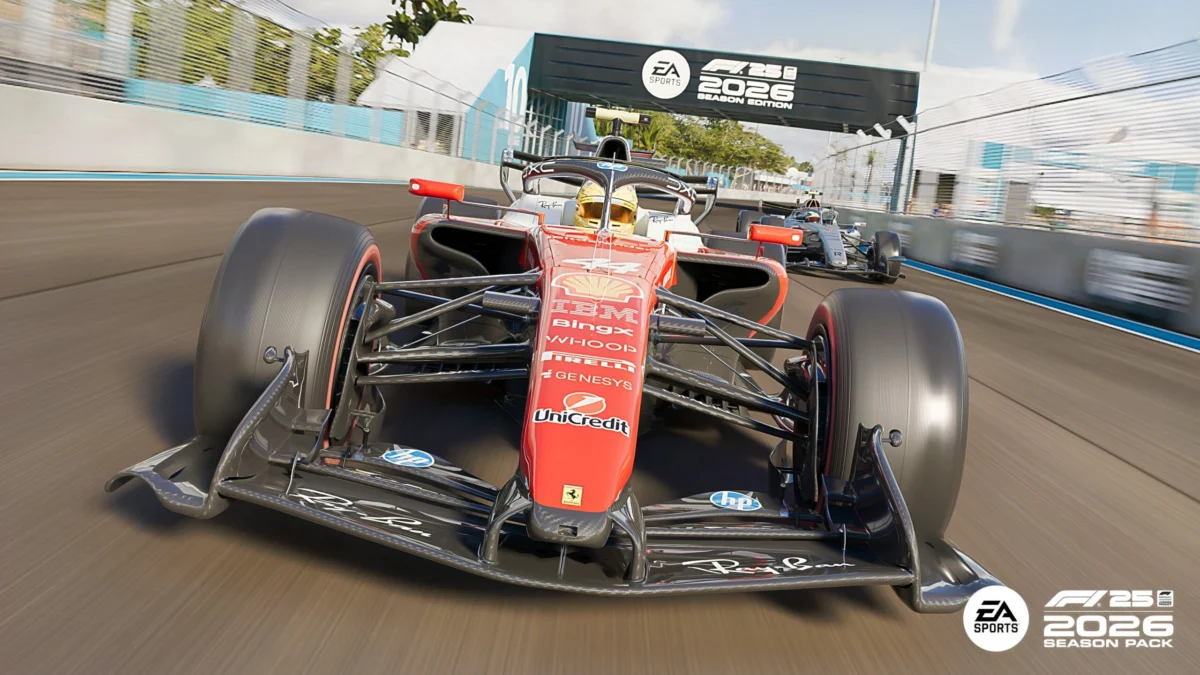
The world of professional motorsport is currently undergoing its most significant structural metamorphosis in over a decade. As the 2026 Formula One season introduces a radical new set of technical and sporting regulations, the digital representation of the sport—EA SPORTS and Codemasters’ F1 25—finds itself at a pivotal crossroads. Rather than opting for a standalone annual sequel, the developers have pivoted to a comprehensive, premium DLC update, effectively bridging the gap between the current iteration and the future of the franchise.
The Winds of Change: Why 2026 is Different
For years, the annual release cycle of the F1 video game series was a staple of the racing genre. However, with the 2026 regulations representing a seismic shift in vehicle design, power unit architecture, and racecraft, Codemasters faced a unique challenge. How does a developer capture the essence of a sport that is effectively rewriting its own rulebook?
The decision to forgo a full standalone release in 2026 in favor of a massive content expansion is not merely a logistical choice; it is a strategic maneuver. By integrating these complex changes into the existing F1 25 framework, the team has managed to provide a cohesive experience that allows players to master the nuances of the new cars without needing to relearn the foundational physics engine from scratch.
Chronology: From Concept to Digital Reality
The development of the 2026 content began long before the real-world cars touched the asphalt.
- Initial Planning: Following the announcement of the 2026 regulatory framework, the Codemasters design team initiated a "strategic reset." This involved close collaboration with F1 engineers to translate theoretical performance data into simulated handling characteristics.
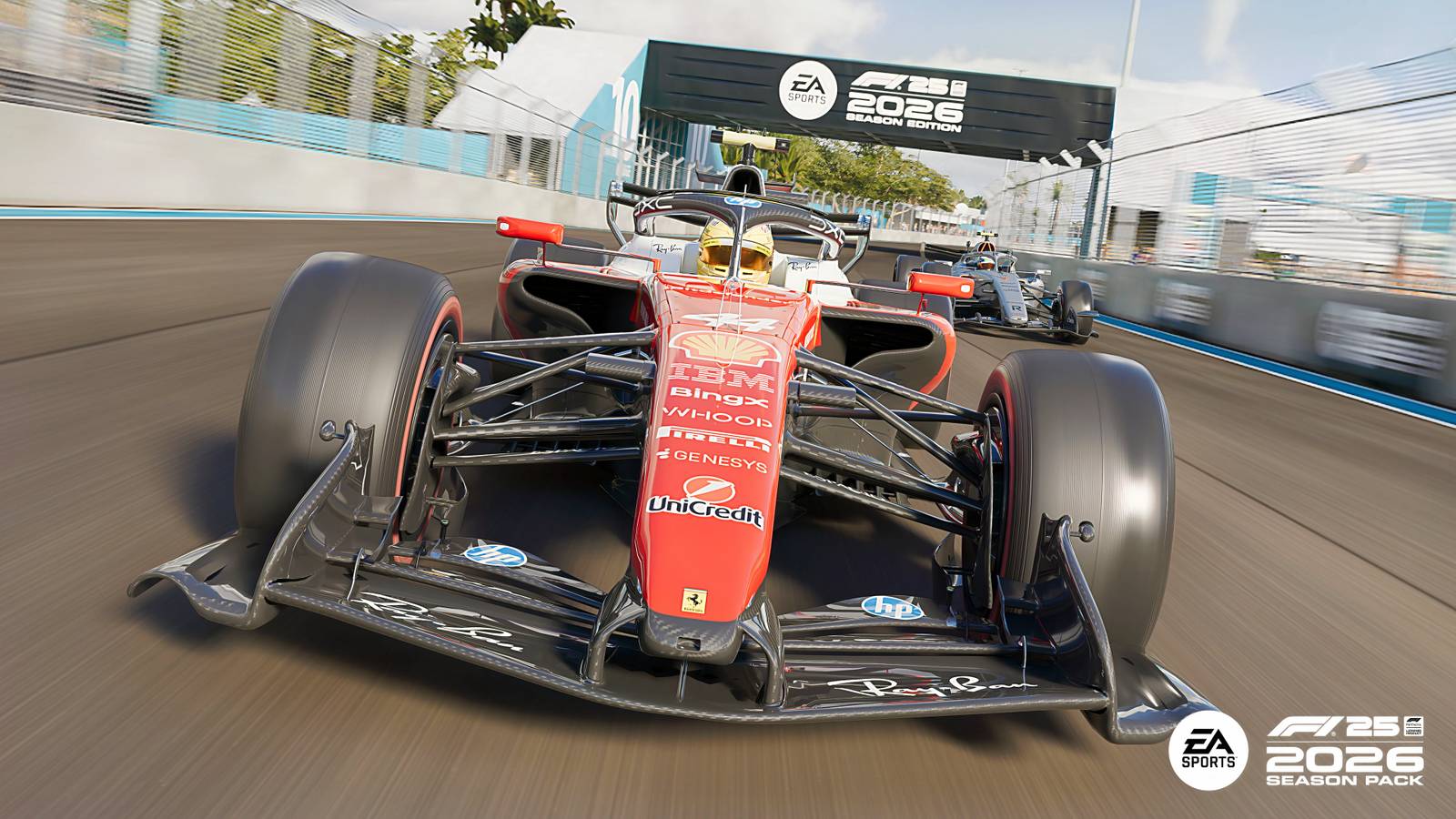
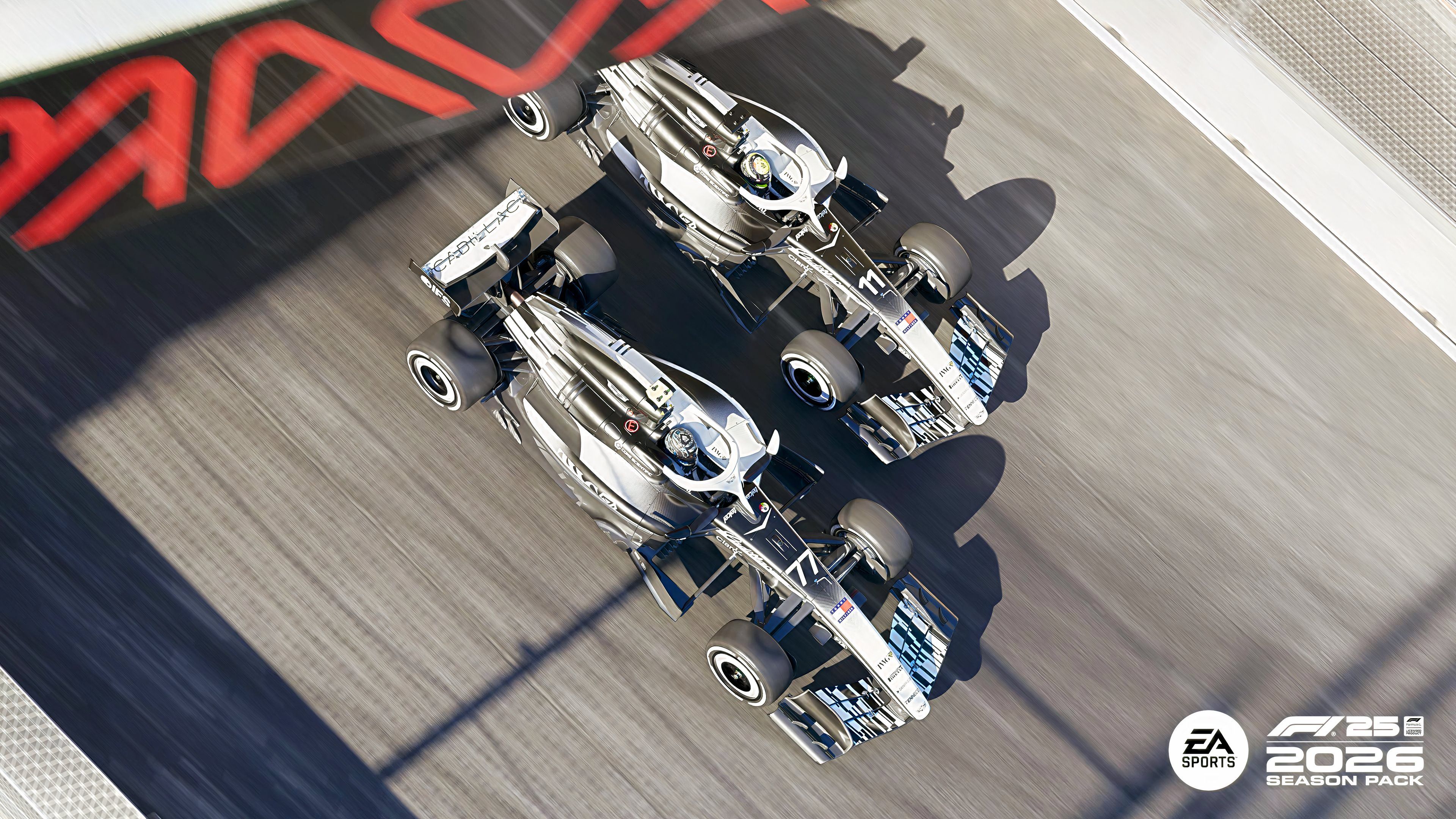
- The Mid-Season Pivot: As the 2026 real-world season progressed, the development team monitored the on-track performances of teams like Ferrari, Mercedes, and the newcomers—Audi and Cadillac. This data informed the "Driver Ratings" updates, which aim to mirror the fluctuating form of the grid.
- The DLC Launch: By choosing a DLC model, EA SPORTS allowed the community to transition into the 2026 era seamlessly, ensuring that the existing player base remained engaged with the evolving meta of the sport.
The Engineering Challenge: Simulating 2026 Power Units
Perhaps the most daunting task for the development team was the integration of the new Power Unit (PU) deployment curves. In 2026, the reliance on electrical energy is higher than ever, and the function of "Overtake Mode" has been completely recontextualized.
Steve Embling, Senior Games Designer at Codemasters, highlights the complexity of this implementation: "The 2026 regulations are among the most substantial changes we’ve seen in recent years. We had to interpret not just the handling, but the energy deployment curves that dictate how a car accelerates out of corners and maintains speed on the straights."

Managing the "Superclipping" Dilemma
One of the most technical hurdles the team faced was the phenomenon known as "Superclipping." In real-world F1, teams push energy systems to the absolute brink, which can lead to situations where cars lose significant speed if the battery is over-depleted.
Codemasters opted for a nuanced approach. To keep the game accessible, they implemented a "conservative" simulation of Superclipping by default. However, for the hardcore simulator crowd, the game offers manual ERS (Energy Recovery System) management, allowing players to push the limits of their engine at the risk of losing top-end speed—a feature that perfectly captures the "risk vs. reward" nature of modern grand prix racing.
Official Perspectives: A Conversation with Steve Embling
In a recent sit-down, we discussed the philosophy behind these changes and whether the game can bridge the gap for fans who feel skeptical about the new, regulation-heavy era of F1.
[Hardcore Gamer] Is the current form of Formula One reaching your expectations, in general?
[Steve Embling] "New regulations always provide an exciting reset to the competitive order and bring a fresh dynamic to the racing. It’s been impressive to see how quickly the teams have adapted to what are significant engineering and sporting challenges, and particularly encouraging to see the level of performance remain so close to that of the previous generation of cars."
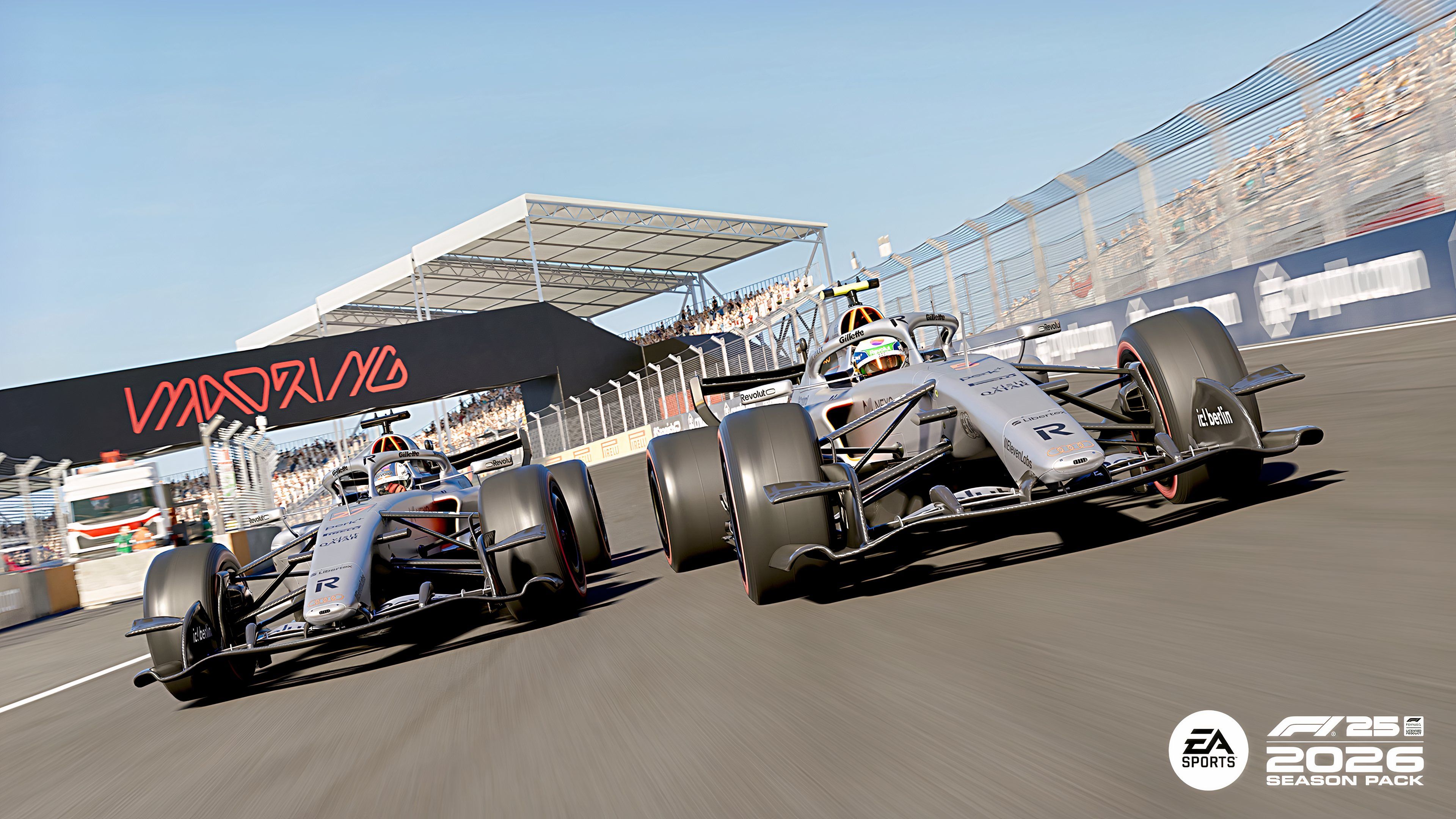
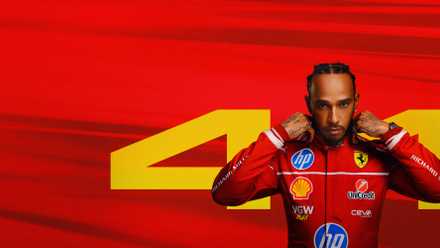
Embling notes that the racecraft has evolved significantly. Battles are no longer decided in a single, abrupt dive-bomb. Instead, we are seeing multi-corner, multi-lap chess matches, exemplified by recent duels between veterans like Lewis Hamilton and rising stars like Kimi Antonelli. "What has stood out is how these battles can develop over multiple corners and laps," Embling explains. "There is now a greater strategic element to both attacking and defending."
The Tactical Shift: Racecraft and Strategy
The introduction of the 2026 ruleset has fundamentally changed how players must approach a race. The art of "lifting and coasting" to recover energy for a later defensive maneuver is now a core mechanic.
In multiplayer lobbies, this creates a fascinating dynamic. Players can no longer rely on raw pace alone; they must now master the conservation of energy. If you burn through your electrical deployment too early in the lap, you become a "sitting duck" on the straights. This has introduced a layer of depth that previous iterations of the game lacked, rewarding players who possess not just fast hands, but a sharp tactical mind.
Implications for the Future of the Franchise
The decision to utilize a DLC model for 2026 has prompted questions about the long-term roadmap for the series. With the next major entry slated for 2027, the industry is watching closely to see if this "service-based" approach will become the new standard.
Beyond 2026: The Next Generation
Embling remains tight-lipped regarding the specifics of 2027, but he hints at a substantial leap forward. "In 2027, a new game will be released that looks, feels, and plays differently, delivering more gameplay choices," he stated. This suggests that while 2026 was a year of adaptation and integration, 2027 will likely be a year of technological overhaul, potentially utilizing a new engine or a more robust next-gen physics simulation.
The "Eras" Question
When asked about the potential for an "Eras" mode—a feature frequently requested by fans who wish to drive classic cars from the 80s or 90s—Embling noted that the team is always considering new ways to enjoy the game. While there is nothing to announce yet, the constant evolution of the F1 license suggests that the developers are aware of the community’s desire for a deeper dive into the sport’s rich history.
Conclusion: A Bridge to Tomorrow
The F1 25 2026 season update is more than just a roster change; it is a testament to the agility of modern game development. By choosing to evolve the current platform rather than forcing a rushed sequel, Codemasters has provided a high-fidelity experience that respects the complexity of the new regulations while keeping the core "fun" factor of the driving experience intact.
For the casual fan, the assist systems ensure that the game remains approachable. For the racing purist, the intricacies of the new ERS management and the tactical depth of the 2026 racecraft offer a rewarding challenge that mirrors the real-world tension of the F1 paddock. As the sport continues to change and reinvent itself, it is clear that its digital counterpart is more than capable of keeping pace, setting the stage for an even more ambitious leap in 2027.
Whether you are a newcomer to the sport or a veteran of the series, the 2026 update for F1 25 offers the most authentic, strategic, and intense racing experience currently available in the gaming market. The grid is set, the energy is deployed, and the future of racing is now firmly in your hands.


 Asro
Asro
 Muslim