Neng Nana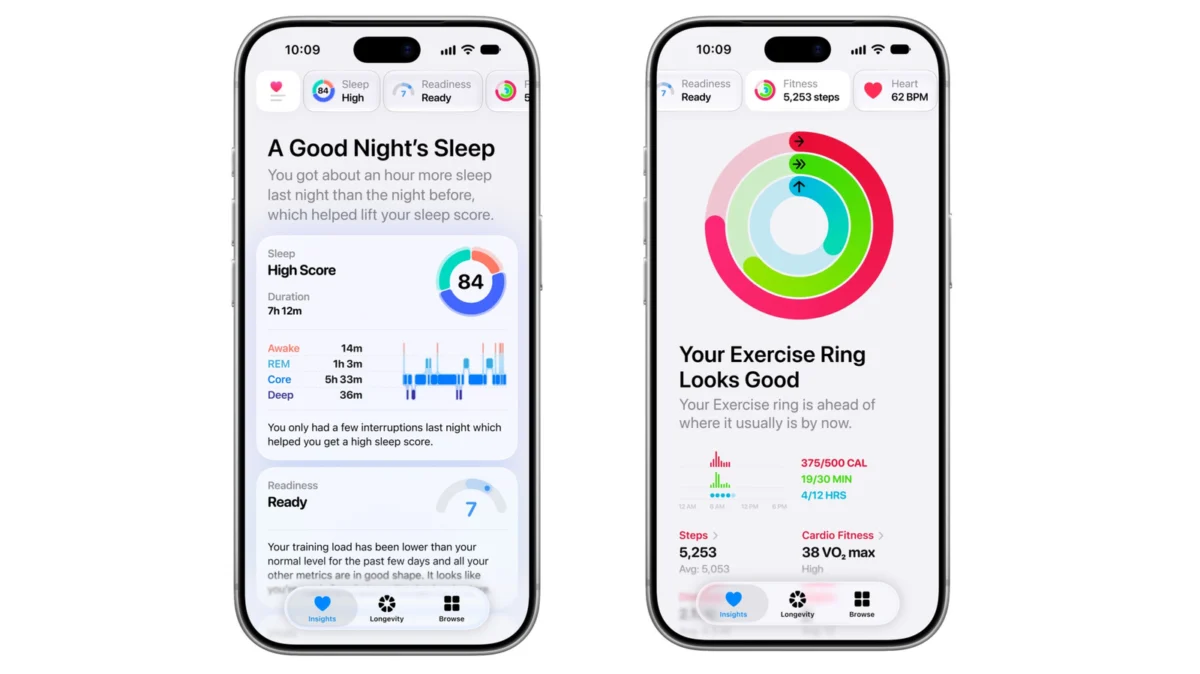
In a significant pivot for its wearable ecosystem, Apple has officially initiated the rollout of its long-awaited, overhauled Health app. Currently available to users enrolled in the iOS 27.2 developer beta, the update represents more than just a fresh coat of paint; it signifies a fundamental shift in how the Cupertino giant treats user data. For years, the Apple Health app has functioned primarily as a static repository—a digital vault for raw metrics collected by the Apple Watch and third-party peripherals. With the release of iOS 27.2, that paradigm is shifting toward proactive, AI-driven wellness management.
This redesign aligns Apple’s software capabilities with the sophisticated analytics platforms offered by industry stalwarts like Oura, Whoop, and Google’s Fitbit ecosystem. By introducing features such as "Health Age" and dynamic expert commentary, Apple is moving from simply reporting on your physical activity to actively interpreting it.
The New Core: Insights and Longevity
The transformation of the Health app centers on two primary structural additions: the Insights tab and the Longevity tab.
The Insights Tab: Contextualizing Daily Metrics
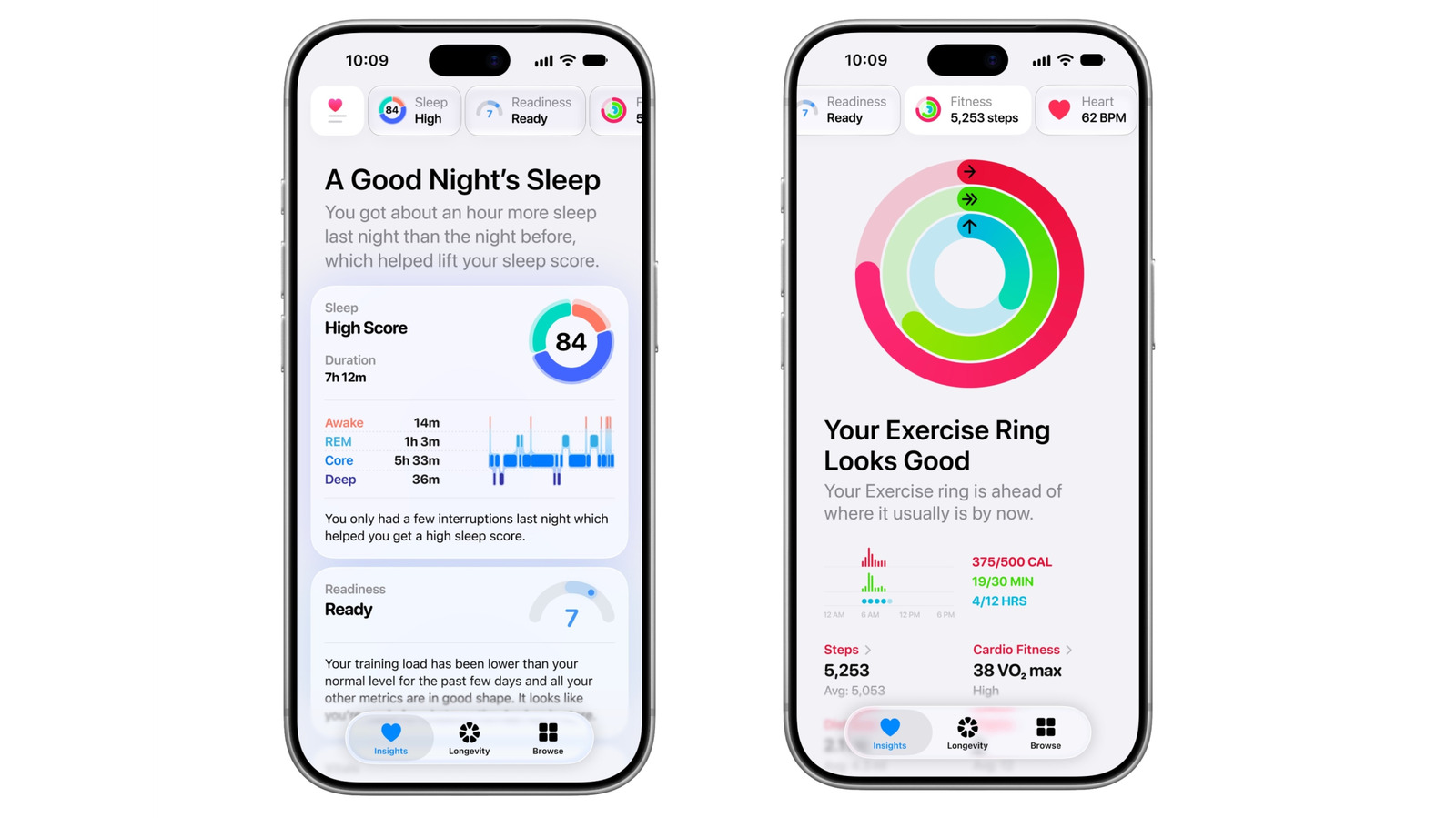
The Insights tab serves as the new command center for a user’s daily habits. While the previous iteration of the app displayed data in isolated blocks, the new dashboard creates a synthesized view of sleep quality, fitness exertion, and cardiovascular health. For owners of the Apple Watch Series 12 and the Apple Watch Ultra 4, this tab gains additional utility through the "Readiness" metric—a score that aggregates sleep and strain data to advise users on whether to push their bodies or prioritize recovery.
The Longevity Tab: A Forward-Looking Approach
Perhaps the most notable addition is the Longevity tab, which shifts the user’s focus from daily tracking to long-term physical health. Key features here include:
- Health Age: By leveraging historical data from Apple Watch sensors, this feature generates a score estimating the biological functional age of the user relative to their chronological age. It serves as a benchmark for cardiovascular and metabolic efficiency.
- Movement Assessments: Moving beyond simple step counts, this feature uses the Watch’s accelerometer and gyroscope to measure functional metrics such as flexibility, muscular strength, and balance.
- Dynamic Expert Commentary: Apple is integrating AI-driven insights that offer context to raw numbers. If a user’s resting heart rate trends upward or their sleep quality dips, the app will now surface video and written commentary from health experts to help explain potential causes and provide actionable, science-backed guidance.
Chronology of a Transformation
The journey toward this redesigned app did not happen overnight. It is the culmination of years of R&D in biometric sensing and machine learning.
- 2023–2025: The Data Collection Era. During this period, Apple focused heavily on expanding the hardware suite, introducing blood oxygen monitoring, ECG capabilities, and improved sleep stage tracking. The software remained largely passive, organizing data into the "Summary" view without providing synthesized interpretations.
- September 2026: At the fall keynote, Apple officially announced its intent to integrate "Apple Intelligence" into its health suite. The goal was to move from "data collection" to "intelligent coaching."
- Late 2026 (Ongoing): The launch of the iOS 27.2 developer beta marks the first public-facing implementation of these promised capabilities.
- Future Roadmap: Apple has confirmed that upcoming beta cycles will introduce personalized summaries, actionable health recommendations, and direct integration with third-party labs, such as Quest, for streamlined diagnostic testing.
Supporting Data: Why the Shift Matters
The shift to an interpretation-heavy health model is driven by changing consumer expectations. For the past half-decade, companies like Whoop and Oura have carved out a lucrative niche by offering "Readiness" scores. These companies operate on the philosophy that a user does not need more data—they need more understanding.
According to recent market research, 68% of smartwatch users report feeling "overwhelmed" by the amount of data their devices collect. By automating the analysis, Apple is attempting to solve the "data fatigue" problem. The Health app’s new ability to cross-reference sleep data with fitness strain, for instance, allows for a holistic view that was previously only available to users who manually exported their data to third-party data science platforms.
Furthermore, the focus on "Longevity" taps into the booming "health-span" movement. Consumers are increasingly interested in metrics that predict future health outcomes rather than just tracking current caloric burn. By offering Movement Assessments, Apple is positioning the Watch as a clinical-grade tool for preventative care.
Official Perspectives and Industry Implications
Apple’s approach to these features is rooted in the integration of its proprietary "Apple Intelligence" framework. The company has emphasized that while the app provides expert-curated guidance, it is not a replacement for medical advice. Instead, the focus is on "democratizing access to health trends."
Industry analysts suggest that this update is a defensive and offensive move. Defensively, Apple needed to close the feature gap with Whoop and Oura to retain power users who were migrating to specialized health trackers. Offensively, by building these capabilities directly into the iOS ecosystem, Apple is making it significantly harder for a user to justify buying a separate, niche wearable.
"The integration of personalized summaries and lab testing capabilities turns the iPhone from a smartphone into a comprehensive health dashboard," says Dr. Aris Thorne, a wearable tech consultant. "When you can order a blood test through the same app that tracks your morning run, the barrier to entry for health management drops significantly."
The Path Forward: What to Expect Next
While the current developer beta is feature-rich, Apple has explicitly stated that the most "personalized" elements are still in development. The upcoming ability to order laboratory tests directly through the Health app—potentially integrating with services like Quest—could be the most disruptive feature to date. It would essentially place the Apple Watch at the center of the user’s healthcare funnel, from the initial observation of a symptom to the diagnostic testing phase.
Challenges and Considerations
However, the company faces significant hurdles:
- Data Privacy: As Apple leans further into AI-driven health insights, the burden of proof regarding data privacy becomes heavier. Users will be watching closely to see how much of their health data is processed on-device versus in the cloud.
- Regulatory Hurdles: As the app moves toward providing "recommendations," Apple must navigate a complex web of medical regulations. The company has been careful to label these features as wellness-oriented rather than clinical diagnostic tools, but the line is becoming increasingly thin.
- User Adoption: For the average user, the depth of information provided by the new Health app may be intimidating. The success of the redesign will depend on whether Apple can maintain its signature "ease of use" while providing deep, data-heavy insights.
Final Thoughts
The redesign of the Health app is a milestone in the "Quantified Self" movement. By synthesizing data into clear, actionable advice, Apple is signaling that it wants the Watch to be the most important device you own—not because of the messages it shows, but because of the life it helps you lead. While the public release date remains TBD, the developer beta suggests that the future of wearable health is not just about tracking what you did; it is about telling you what you should do next.
As we look toward the wider public release, the industry will be watching to see if Apple’s interpretation of health data remains as accurate as its data collection. If successful, the Health app may very well become the standard-bearer for personal health management in the 2020s.


 Rifan Muazin