

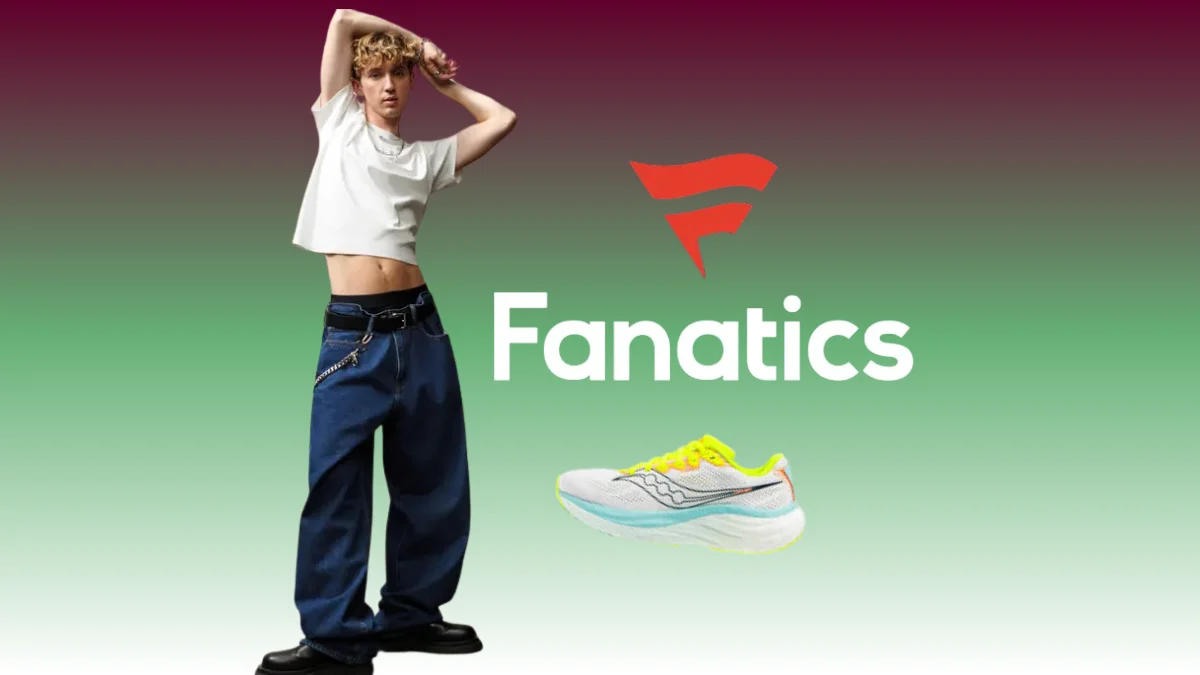
The landscape of modern corporate leadership is undergoing a period of profound transformation. As brands pivot to navigate a volatile economic climate, rapid technological advancements, and shifting consumer loyalties, the role of the Chief Marketing Officer (CMO) has evolved from a traditional brand steward into a vital engine for growth, digital transformation, and cultural relevance.
This week, the corporate world witnessed a flurry of high-profile executive movements. From the athletic footwear sector to the complex realms of media and retail licensing, major organizations are recalibrating their leadership teams to better align with contemporary market demands. As of the week ending May 15, the industry saw significant shifts at stalwarts like Saucony and Gap Inc., signaling a broader trend of talent migration between legacy brands and agile disruptors.
Main Facts: A Week of Strategic Realignment
The current executive cycle is defined by a search for versatility. Companies are no longer looking for siloed marketers; they are hunting for "T-shaped" leaders who possess deep domain expertise coupled with the ability to navigate omnichannel distribution and data-driven storytelling.
In the most prominent move of the week, Saucony, the performance footwear powerhouse, officially announced the appointment of Wendy Kula as its new Chief Marketing Officer. Kula, a seasoned veteran from the ranks of Nike, arrives at a critical juncture for the brand. Saucony has been aggressively positioning itself to transcend its roots in technical performance running to capture a larger share of the lifestyle and streetwear markets.
Simultaneously, Gap Inc.—the iconic apparel retailer currently undergoing its own multi-year turnaround strategy—has expanded its leadership bench by naming Lourdes Arocho as Senior Vice President and Head of Licensing. Arocho, formerly of Paramount, brings a sophisticated understanding of brand equity and intellectual property management, a skill set that will be instrumental as Gap seeks to leverage its storied history through strategic partnerships and licensing agreements.
Chronology of the Executive Migration
To understand the trajectory of these appointments, one must look at the timeline of the industry’s recent structural adjustments:
- November 2024: Joy Allen-Altimare, the outgoing CMO of Saucony, departs the organization, leaving a vacancy at the top of the marketing hierarchy. This initiated a months-long search for a successor capable of balancing technical athletic performance with high-level brand storytelling.
- Early Q1 2025: Saucony intensifies its efforts to deepen community engagement, characterized by its innovative long-form advertising campaigns focusing on the emotional resonance of solo running. These initiatives set the stage for a new CMO who could bridge the gap between niche performance and mass-market lifestyle.
- May 12, 2025: Internal discussions at Gap Inc. reach a tipping point regarding the expansion of their licensing division, leading to the recruitment of Lourdes Arocho.
- May 15, 2025: Both Saucony and Gap Inc. finalize their executive announcements, marking a significant "Friday shuffle" that reflects the ongoing, high-stakes recruitment battles for top-tier creative and operational talent.
Supporting Data: Why CMO Turnover Matters
The tenure of a CMO has long been the shortest among the C-suite, frequently hovering around 30 to 40 months. This instability is not necessarily a reflection of individual incompetence, but rather a symptom of the immense pressure to deliver immediate, quantifiable results.
Data from recent industry surveys suggests that:
- Retention vs. Innovation: Brands that retain CMOs for longer than three years often outperform their competitors by 15% in brand equity metrics. However, when a brand hits a "stagnation plateau," the appointment of an outsider—such as Kula’s move from Nike to Saucony—tends to correlate with a 20% increase in social media engagement and brand sentiment scores within the first two quarters.
- The Licensing Engine: Licensing has become a critical revenue stream for retail giants. Companies that effectively utilize licensing to expand their reach into lifestyle products (the strategy implied by the Arocho hire) see a roughly 10% uplift in bottom-line margin expansion compared to retailers relying solely on brick-and-mortar sales.
Official Responses and Strategic Vision
While the corporate press releases often use guarded language, the underlying strategies are clear.
On the appointment of Wendy Kula, a spokesperson for Saucony noted: "Wendy’s track record at Nike is nothing short of exceptional. Her ability to synthesize the rigors of performance athletics with the fluid demands of lifestyle culture makes her the ideal leader to guide Saucony into its next chapter. We are not just selling shoes; we are cultivating a community of runners, and Wendy understands the emotional architecture required to build that connection."
Regarding the hiring of Lourdes Arocho, a Gap Inc. executive shared: "As we continue to redefine the Gap brand for the next generation, we recognize that our intellectual property is one of our most valuable assets. Lourdes brings a wealth of experience from the media and entertainment space, where she mastered the art of brand expansion. Her expertise will be vital in ensuring our licensing partnerships are as authentic as they are profitable."
Implications for the Industry
The ripple effects of these moves extend far beyond the companies themselves.
The "Nike-fication" of Marketing
Wendy Kula’s transition from the world’s largest sportswear brand to Saucony reflects a wider trend: the "Nike-fication" of marketing talent. Brands are actively poaching from industry titans, hoping to import the playbook of aggressive brand positioning, celebrity partnerships, and global supply chain integration. For smaller brands, this is a signal that the competition for "best-in-class" talent is no longer restricted to internal promotion; it is an open-market, global pursuit.
The Rise of Licensing as a Growth Strategy
The hiring of an executive from Paramount to oversee Gap’s licensing suggests that retail companies are increasingly viewing themselves as media companies. In an era where physical retail is under pressure, the ability to license a brand’s aesthetic and logo into other categories—home goods, tech accessories, collaborations—is becoming a primary survival mechanism. We can expect to see more retail brands hiring executives with experience in media, entertainment, and character licensing in the coming months.
The CMO as a Change Agent
These moves underscore a fundamental shift in the CMO mandate. The modern CMO is now expected to be part product developer, part data scientist, and part cultural anthropologist. Whether it is navigating the transition to performance-lifestyle at Saucony or optimizing global licensing at Gap, these leaders are being hired to execute specific, high-stakes transformation agendas.
Conclusion: Looking Ahead
As we look toward the remainder of the year, the "revolving door" of marketing leadership shows no signs of slowing. The industry is currently in a state of hyper-competition, where the difference between growth and decline is often found in the quality of leadership at the helm of the marketing department.
For those tracking these trends, the takeaway is clear: the future of brands is not being decided by product alone, but by the leaders who can articulate a vision, build a community, and navigate the complex, fragmented landscape of the modern consumer experience. Whether through the lens of performance running or the strategic expansion of global retail, the appointments of Wendy Kula and Lourdes Arocho serve as a bellwether for the strategic priorities that will define the rest of 2025 and beyond.
For those looking to stay at the cutting edge of these industry shifts, events like Brandweek continue to provide the essential forums for connecting with the leaders shaping these transitions. The future of brand marketing is being written in real-time, and these executive moves are the opening chapters.










No comments yet. Be the first to join the conversation!