

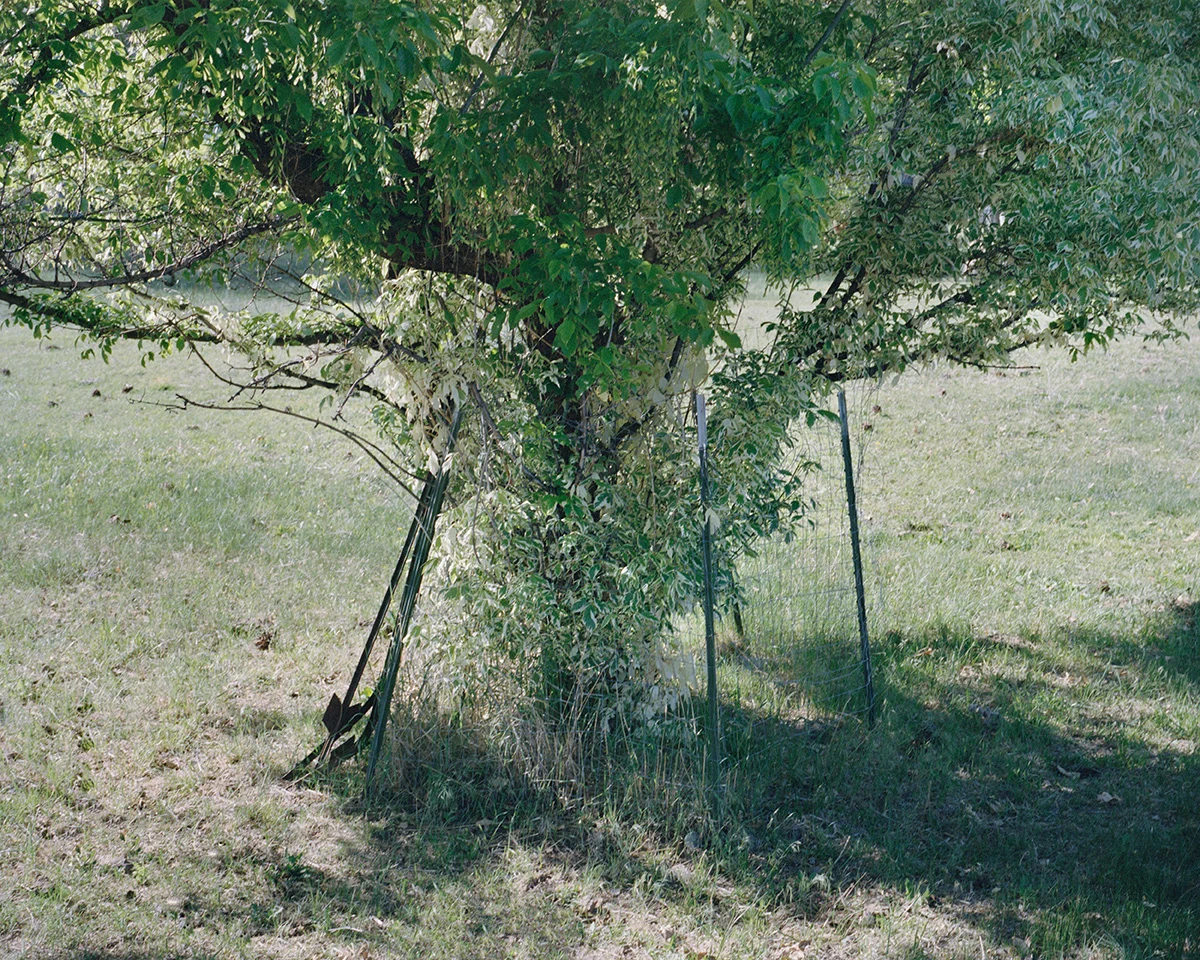
In an era defined by the relentless glow of screens and the algorithmic curation of our daily lives, the act of "unplugging" has become a radical, almost subversive, gesture. Photographer, artist, and educator Blake Masi, currently based in the San Francisco Bay Area, has spent the last two summers exploring this phenomenon. Through his ongoing photographic project, Camp, Masi documents the Northern Sierra region, capturing a world where human systems collide with the raw, untamed wilderness—and where the absence of digital technology fundamentally alters the human experience.
The Genesis of Camp: A Study in Digital Detoxification
Masi’s work has long been preoccupied with the intersection of human design and psychological landscapes. He is interested in how the environments we build—and those we occupy—shape the way we perceive ourselves and our community. His latest project, Camp, serves as a poignant case study of a "designed environment" that operates outside the conventional boundaries of the post-digital generation.
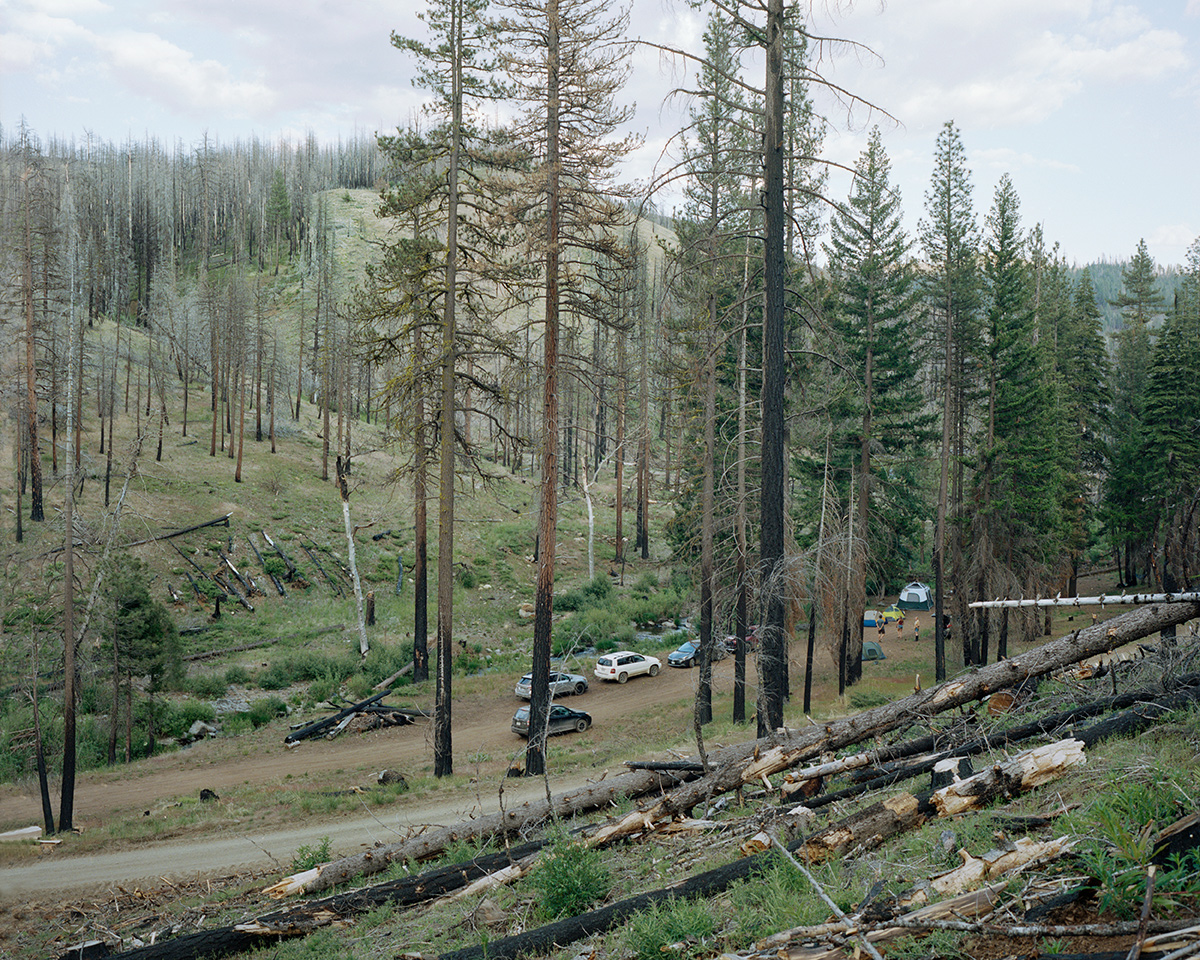
Set in a remote camp in Northern California, the project documents two summers of communal living. In these spaces, the wilderness is not merely a backdrop; it is an active participant in the social structure. Cabins are tucked into the tree line, and trails have been carved into the earth by decades of collective transit. Here, life is stripped of the digital tether. Phones are prohibited, creating a vacuum that is quickly filled by shared labor, routine, and a profound, often uncomfortable, sense of presence.
The Architecture of Human Trace
At the heart of Camp lies a philosophical inquiry: how do we leave our mark on a space that was designed to be temporary? For Masi, the answer is found in the minutiae of daily life. The photographs in the series capture the rhythm of play, the exhaustion of labor, and the nuances of interpersonal relationships.
"These photographs consider how individuals inhabit designed environments and leave traces of themselves within them," Masi explains. "At the camp, daily routines including play, labor, and interpersonal relationships mark the space, just as the structure of the place shapes those who move through it. The camp becomes a temporary world built through collective participation, where human psychology impresses itself upon the landscape."
In Masi’s lens, the camp is a negotiation between the artificial and the natural. It is a space where the rigidity of human structure (cabins, schedules, rules) meets the fluidity of the Sierra landscape. This tension, he argues, is where the "real" happens—where the psychology of the individual is forced to contend with the reality of the collective.
Chronology of the Project
The evolution of Camp has been a deliberate, two-year process of immersion.
- Summer One (The Observation Phase): Masi began his residency at the Northern Sierra camp, initially acting as both a participant and an observer. During this period, the focus was on the "strangeness" of the space—the way the landscape seemed to push back against the human architecture.
- The Interim Period: Between the two summers, Masi processed the thousands of images captured, realizing that the narrative was not about the camp itself, but about the psychological shift that occurs when individuals are removed from the digital grid.
- Summer Two (The Deeper Inquiry): Returning for a second season, Masi deepened his focus. He moved away from purely landscape-based imagery to capture the intimate, granular moments of human connection—the wear and tear on wooden benches, the expressions of participants engaged in labor, and the quiet stillness of the camp during off-hours.
Supporting Data: The Post-Digital Psychological Shift
While Masi’s work is artistic, it aligns with broader sociological research regarding the impact of "digital-free" environments on the human psyche.
Studies in environmental psychology, such as those published by the Journal of Environmental Psychology, suggest that immersion in nature without the interference of portable technology leads to a measurable decrease in cortisol levels and a significant increase in cognitive function. In a post-digital context, where the average user spends over six hours a day looking at screens, the "Camp" environment acts as a sensory reset.
Masi’s photographs capture this transition. We see subjects who are not performing for a camera or an audience, but who are existing in a state of "continuous present." The traces they leave—a discarded tool, a worn path, the collective mess of a communal kitchen—are not just signs of use, but markers of a life lived in real-time, untethered from the pressures of digital visibility.
Official Perspectives and Artistic Intent
Masi’s work is a critique of the "post-digital" condition. In his artist statement, he notes that his practice focuses on how environments shaped by human systems reflect the cultural conditions of our current age.
"The camp becomes a temporary world built through collective participation," Masi states. "In this setting, the tension between the artificial and the natural is negotiated and lived each day."
This negotiation is essential to understanding why Camp resonates so deeply with contemporary audiences. We are currently living through a period of profound disillusionment with the digital promise of connection. By documenting a space where connection is forced through proximity rather than curated through software, Masi provides a visual roadmap for what might be missing from our modern lives.
Implications for Modern Society
The implications of Masi’s work are twofold: they speak to the necessity of physical community and the importance of environmental mindfulness.
1. The Necessity of Physical Constraints
Masi’s work suggests that human beings thrive when their environments have constraints. In a world of infinite digital choices, the "cabin in the woods" provides a closed loop. The work at the camp is physical, the interactions are immediate, and the feedback loop is instantaneous. This is a rejection of the "frictionless" life that tech companies promise us.
2. Landscapes as Archives
Masi views the landscape as an archive of human behavior. By photographing the Sierra region, he is documenting the interaction between human psychology and the physical world. This perspective encourages viewers to look at their own environments—their offices, their homes, their cities—and ask: What traces am I leaving behind? How is this space shaping me in return?
Conclusion: A New Direction in Documentary Photography
Blake Masi’s contribution to the visual arts is significant because it refuses to romanticize nature. Instead, he treats nature as a collaborator. His work does not suggest that we should all move to the woods, but rather that we should cultivate the same level of intention in our daily lives that the campers exhibit in the Sierra.
As his work appears in the latest volume of Array 4, it is clear that Masi is part of a growing movement of photographers who are moving away from the ephemeral nature of the internet and toward a more grounded, tactile, and human-centric form of storytelling.

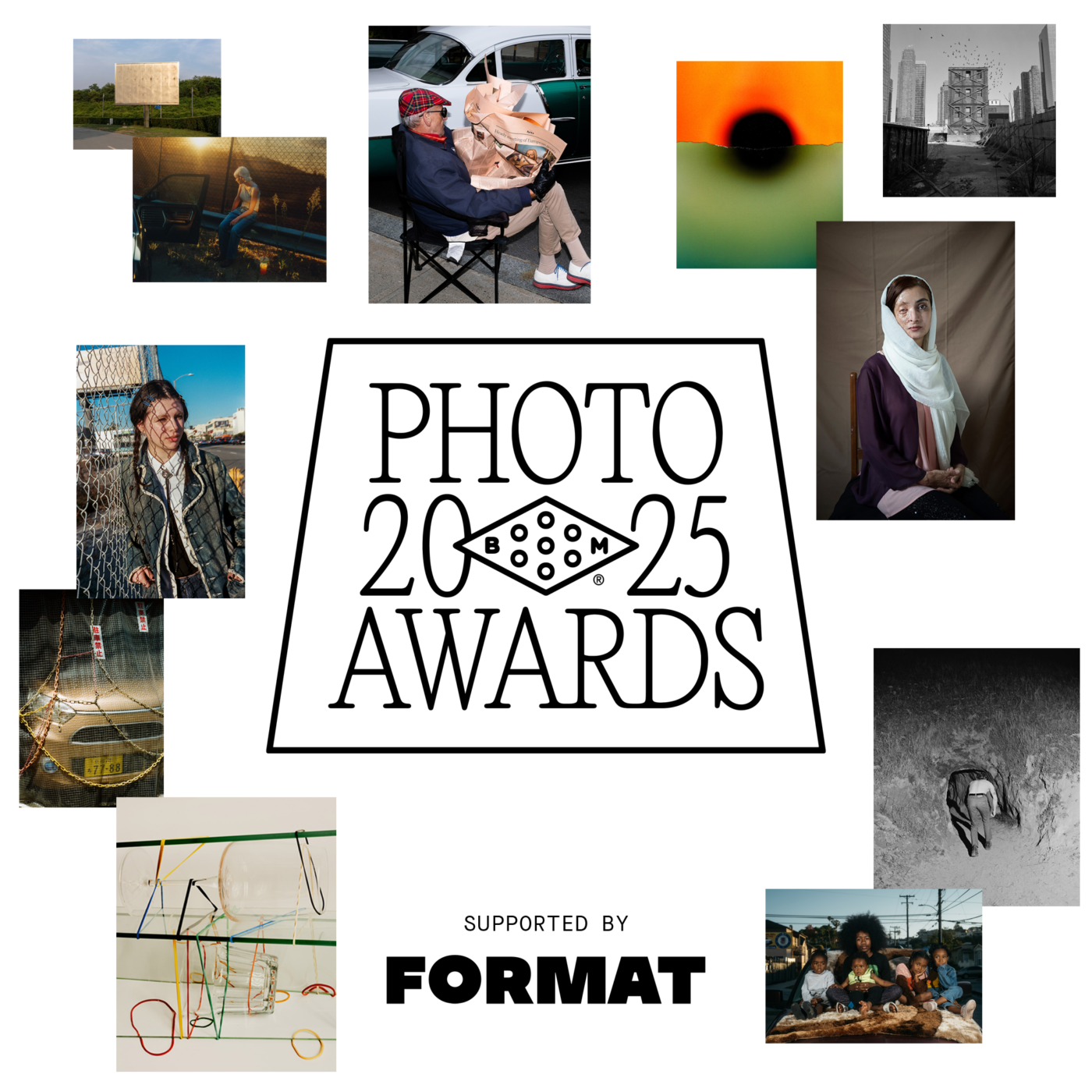
For those interested in exploring the work of Masi and his contemporaries, the Array 4 publication offers a broader context for these themes. Furthermore, for those interested in the wider photographic landscape, the recent 2025 Photo Awards highlight the diverse ways in which modern artists are grappling with the changing face of our world.
Whether it is through the lens of a wilderness camp or the urban sprawl, the goal remains the same: to find the human element in an increasingly digitized world. Blake Masi’s Camp is a vital, necessary, and hauntingly beautiful testament to that search.
Blake Masi’s work is currently featured in the latest edition of "Array 4," available for purchase via the Booooooom shop. For more updates on photography, artistic trends, and industry news, join the Booooooom Secret Email Club.










No comments yet. Be the first to join the conversation!