Laily UPN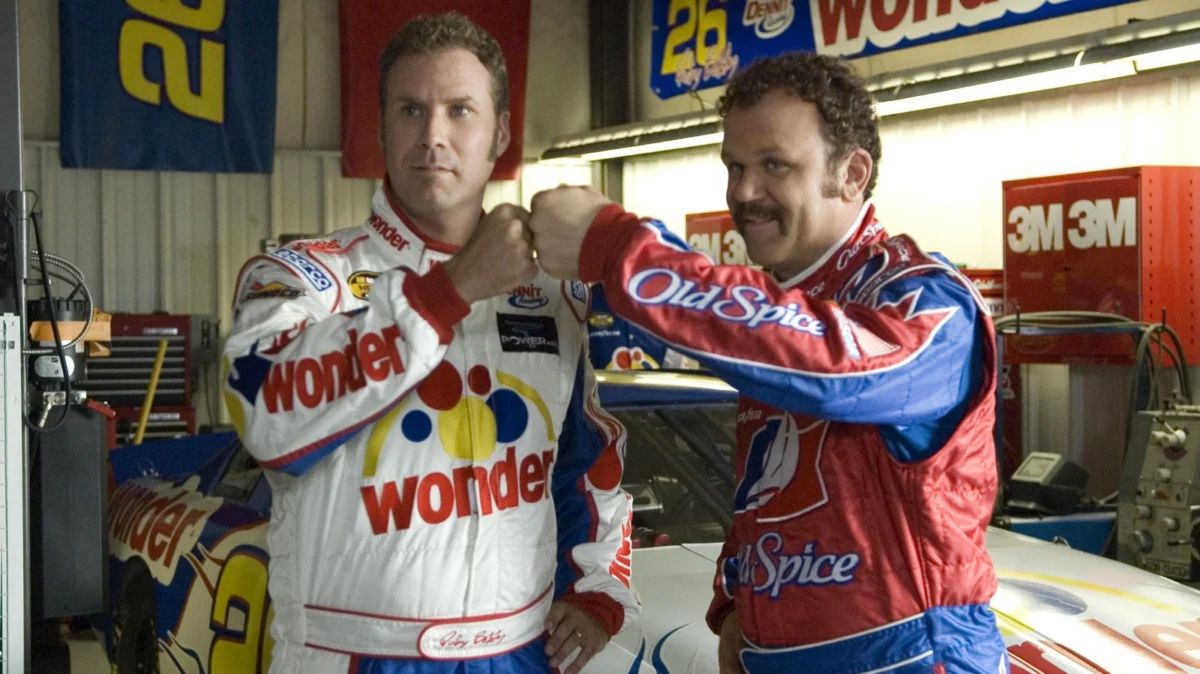
In the landscape of modern American comedy, few figures possess the seismic cultural footprint of Will Ferrell. From his humble, high-octane beginnings as a breakout star on "Saturday Night Live" to his ascension as a global box-office titan, Ferrell has defined the "man-child" archetype for a generation. Yet, a peculiar phenomenon is currently unfolding on Hulu’s streaming charts that encapsulates the best and worst of the comedian’s career. As of the latest data from FlixPatrol, two of Ferrell’s most divergent projects—the cult classic Talladega Nights: The Ballad of Ricky Bobby and the critically maligned Get Hard—are currently jockeying for position within the top five most-watched films on the platform.
This strange convergence serves as a mirror for Ferrell’s prolific, yet uneven, filmography. It forces an audience to reconcile the man who delivered some of the most quotable, inventive, and structurally sound comedies of the 2000s with the same performer who has occasionally leaned into the lazy, reductive tropes of the 2010s.
The Genesis of a Comic Titan: From "Get Off the Shed" to Stardom
To understand the current streaming rankings, one must first look at the trajectory that brought Will Ferrell to the silver screen. In 1995, during his second sketch on Saturday Night Live, a young Ferrell delivered a performance that remains a cornerstone of the show’s lore. Playing a suburban father hosting a backyard cookout, he abruptly transitioned from mundane conversation to a vein-popping, hysterical, and menacing diatribe, screaming at his children to "get off the shed."
It was a masterclass in the "zero-to-one-hundred" comedic style that would become his signature. While contemporaries often relied on clever wordplay or character-driven nuance, Ferrell brought a physical, almost dangerous intensity—reminiscent of the legendary John Belushi, but stripped of the dark, off-camera volatility that haunted the Blues Brothers star.
Following his SNL success, Ferrell’s transition to film was calculated and deliberate. Unlike many of his peers who rushed into lead roles, he honed his craft in supporting capacities, turning in memorable performances in the Austin Powers franchise and portraying a hilariously flustered Bob Woodward in the cult hit Dick. It wasn’t until the 2003 frat-house classic Old School—most notably in his iconic beer-bong scene—that Ferrell cemented his status as a cinematic powerhouse. The subsequent release of Anchorman: The Legend of Ron Burgundy in 2004 propelled him firmly onto the A-list, where he has largely remained for two decades.
Chronology of a Career: The Highs and the Lows
Ferrell’s career is defined by an unparalleled work ethic. He has remained a constant presence in theaters and on streaming services, a factor that has naturally led to a dilution of quality. When an actor works as frequently as Ferrell, the law of averages dictates that some projects will inevitably miss the mark.
The Golden Era: 2004–2008
This period arguably represents the pinnacle of Ferrell’s creative output, marked by his collaboration with director Adam McKay. Together, they crafted films that were not only hilarious but structurally sound, utilizing Ferrell’s intensity to skewer American masculinity and corporate culture.
- 2004: Anchorman: The Legend of Ron Burgundy
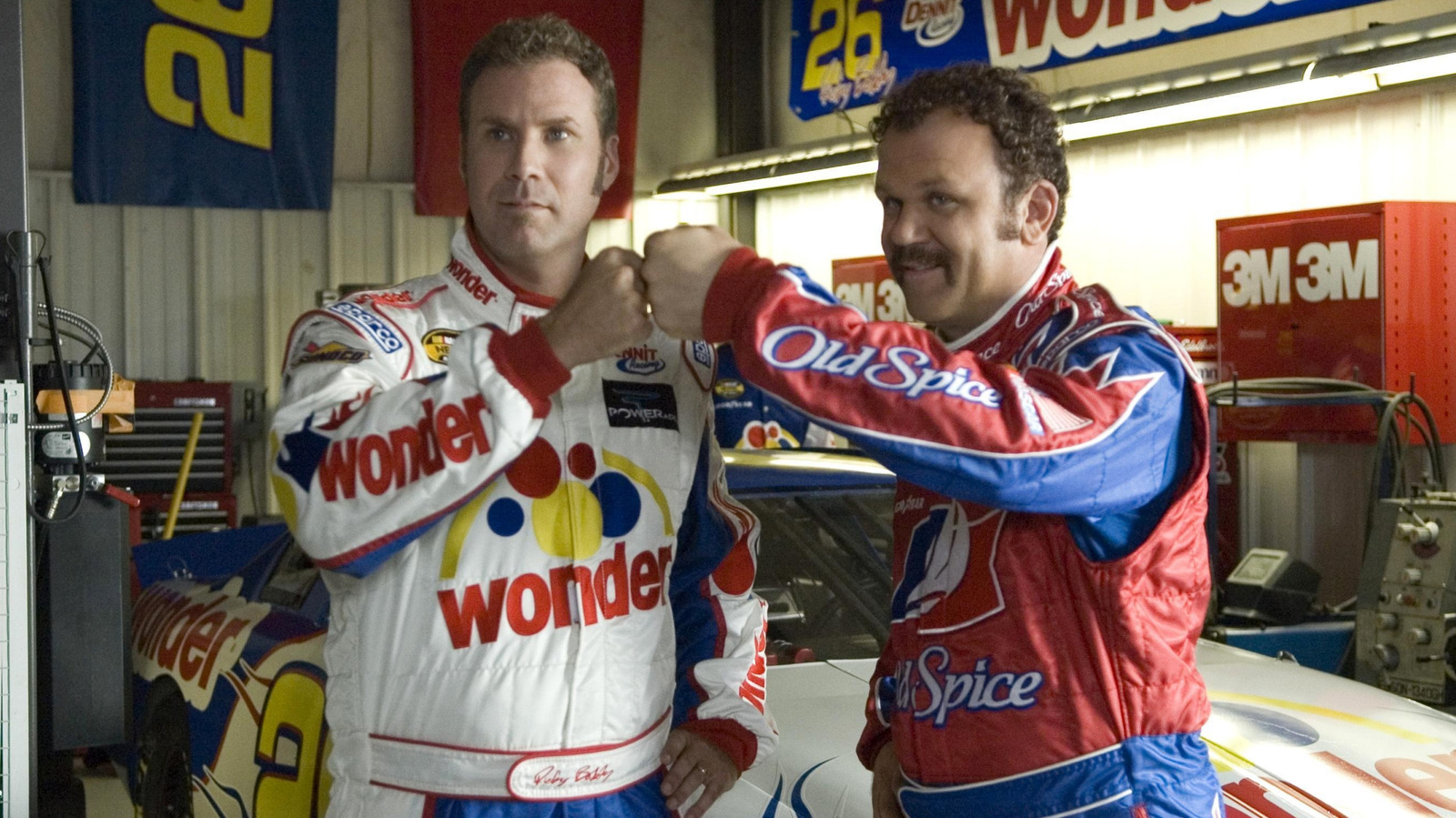
- 2006: Talladega Nights: The Ballad of Ricky Bobby
- 2008: Step Brothers
The Transition: 2010s to Present
As the decade progressed, Ferrell’s filmography began to show signs of fatigue. While he continued to produce hits like The Other Guys, he also began attaching himself to projects that relied heavily on tired stereotypes rather than the innovative, character-based absurdity that made him a star. Get Hard (2015) stands as the primary example of this creative shift.
Comparing the Contenders: Talladega Nights vs. Get Hard
The current Hulu rankings place Get Hard at number four, narrowly edging out Talladega Nights at number five. For cinephiles and comedy historians, this is a troubling inversion of quality.
Talladega Nights: The Anatomy of a Masterpiece
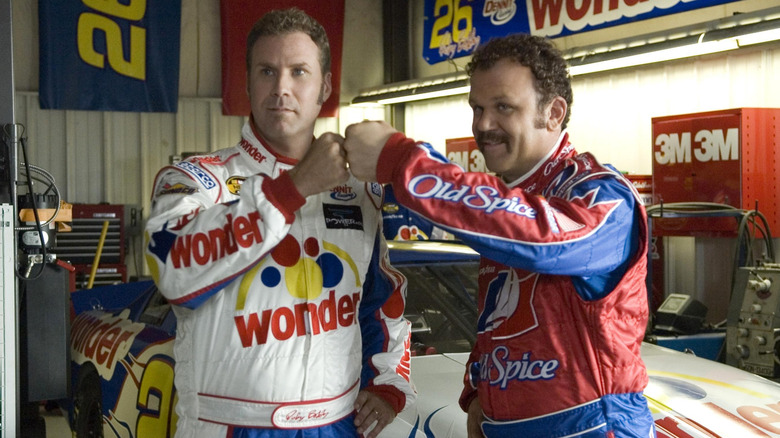
Talladega Nights remains a triumph of character comedy. Ferrell’s portrayal of Ricky Bobby—a NASCAR titan whose ego is as large as his sponsorship list—is a nuanced exploration of American hubris. When his world is upended by the sophisticated, French-speaking Jean Girard (Sacha Baron Cohen), the film avoids becoming a simple "sports comedy" and instead evolves into a battle of ideologies.
The film’s brilliance lies in its specific, biting satire and the electric chemistry between Ferrell and John C. Reilly. Their rapport is so palpable and bizarre that it provided the blueprint for their reunion in Step Brothers, which many critics consider the definitive Ferrell-McKay collaboration.
Get Hard: The Case for the "Miss"
In contrast, Get Hard represents the pitfalls of modern high-concept comedy. The premise—a wealthy hedge-fund manager (Ferrell) hiring a man (Kevin Hart) to "prepare" him for prison based on the racist assumption that the latter is a career criminal—is ripe for satire. However, the film opts for the path of least resistance.
Instead of subverting the racial dynamics of the justice system, the script leans heavily into lazy "gay panic" jokes and repetitive prison-rape humor. Despite the pedigree of the writers—a group including Idiocracy scribe Etan Coen and Key & Peele showrunner Jay Martel—the film fails to deliver a coherent message. It is a testament to the talent of Ferrell and Hart that the film is even watchable, yet it remains a disappointing exercise in "sanded-down" mainstream comedy.
Data and Streaming Implications: What the Numbers Tell Us
The fact that Get Hard is currently outperforming Talladega Nights on Hulu provides a fascinating look at modern audience behavior. Streaming algorithms often favor high-concept "hook" movies—films where the premise is easily understood in a 30-second trailer—over the more nuanced, character-driven satires that require a bit more patience from the viewer.
According to industry analysts, "comfort viewing" has become the dominant trend in the streaming era. Audiences often flock to movies they have seen before, even if they aren’t the best in an actor’s library. The inclusion of Kevin Hart in Get Hard also draws in a massive, overlapping demographic that may prioritize the presence of two comedy heavyweights over the critical reputation of the film itself.
Official and Critical Perspectives
The critical reception of these films serves as a stark reminder of the divide in Ferrell’s career. Talladega Nights holds a solid approval rating among critics, who praised its ability to balance absurdity with genuine heart. Get Hard, conversely, was widely panned upon its 2015 release. Critics argued that the film squandered the potential of its premise, turning what could have been a sharp social commentary into a collection of offensive cliches.
While neither Ferrell nor the film’s producers have released formal "apologies" for Get Hard, the shift in the comedian’s subsequent project choices suggests an awareness of his brand. In recent years, Ferrell has pivoted toward more grounded, dramatic, and prestige-adjacent work, such as Stranger than Fiction (which he revisited in spirit) and his work in The Shrink Next Door, signaling a desire to move away from the "loud, abrasive" characters that defined his early-to-mid career.
The Legacy of the Ferrell Brand
As we look at the current Hulu rankings, we see a comedian in a state of perpetual reinvention. Will Ferrell’s career is a testament to the risks of fame. When you are the funniest person in the room for a decade, the pressure to maintain that momentum can lead to choices that are safe, lucrative, and ultimately unfulfilling.
However, the enduring popularity of Talladega Nights suggests that audiences haven’t forgotten what made Ferrell a legend. They still crave the surreal, the daring, and the genuinely unhinged. If the current streaming charts tell us anything, it’s that while the public might watch a "miss" like Get Hard because it’s convenient and stars two familiar faces, they hold a deep, lasting affection for the work that pushed boundaries.
For now, the "Shake and Bake" duo remains in the hearts of viewers, even if they are currently being outsold by a film that serves as a cautionary tale of what happens when a comedy titan stops taking risks. The challenge for Ferrell—and for the audiences that continue to consume his vast library—is to recognize that while every movie has its place on a streaming chart, not every film carries the same weight in the history of comedy.


 Jia Lissa
 Muslim