

In the bustling transit landscape of modern Japan, where convenience store snacks and high-end ekiben (station bento) often blur into a generic landscape of industrial food production, there remains a rare, defiant pocket of culinary history. Tucked away inside the ticket gates of Chiba Station, Manyoken stands as a testament to nearly a century of tradition. Celebrating its 98th year of operation, this modest establishment has managed to transcend the ephemeral nature of the station food court, cementing itself as an institution of Japanese comfort food.
The Significance of Manyoken: A Pillar of Regional Culinary Heritage
The name "Manyoken"—often translated as "House of 10,000 Leaves"—is more than a branding exercise. While the kanji man (10,000) serves as a poetic nod to abundance and the fertile landscape of Chiba Prefecture, the shop’s true legacy is measured in decades. Since its founding in 1928, the company has weathered the volatility of the Showa, Heisei, and Reiwa eras.
For the modern traveler, Manyoken represents a connection to a slower, more deliberate era of railway travel. It is a place where the philosophy of the bento remains rooted in the concept of ekiben—a meal designed to provide comfort, satiety, and a sense of place to those in transit. As our senior correspondent Mr. Sato recently discovered, the experience of purchasing a meal here is less about a transaction and more about participating in a ritual that has been repeated by commuters for nearly 100 years.
Chronology: From 1928 to the Present
The history of Manyoken is an essential component of Chiba’s modernization.
- 1928: The company is founded, emerging during a period of rapid expansion for Japan’s railway network. Initially serving local travelers, it established a reputation for quality that would sustain it through the Great Depression and the subsequent upheaval of the mid-20th century.
- The Post-War Era: As the Japanese economy boomed, so too did the demand for efficient, high-quality station meals. Manyoken pivoted to meet the needs of the salaryman, cementing its iconic Tonkatsu Bento as the gold standard of their menu.
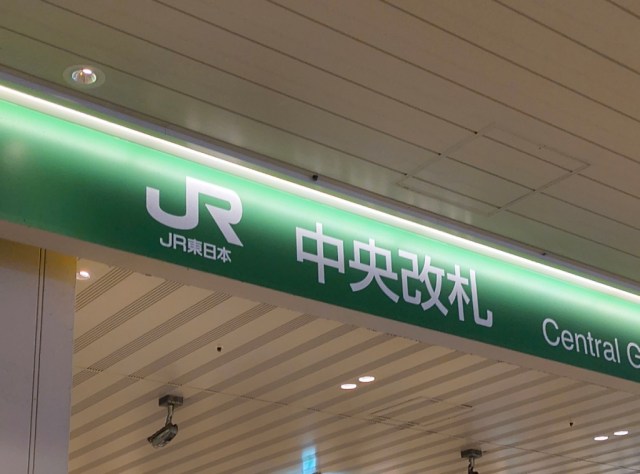
- Modern Expansion and Relocation: Moving with the development of the Perie Chiba shopping complex, the store solidified its current location within the station’s "Ekinaka" (inside the gates) zone. This strategic placement ensures that it remains the primary choice for commuters passing through the Chuo/Central Gate.
- 2026: The company approaches its centennial. With 98 years of service under its belt, the shop continues to operate with the same culinary ethos that defined its inception, currently looking toward a 2028 celebration of 100 years in business.
Navigating the Institution: A Practical Guide
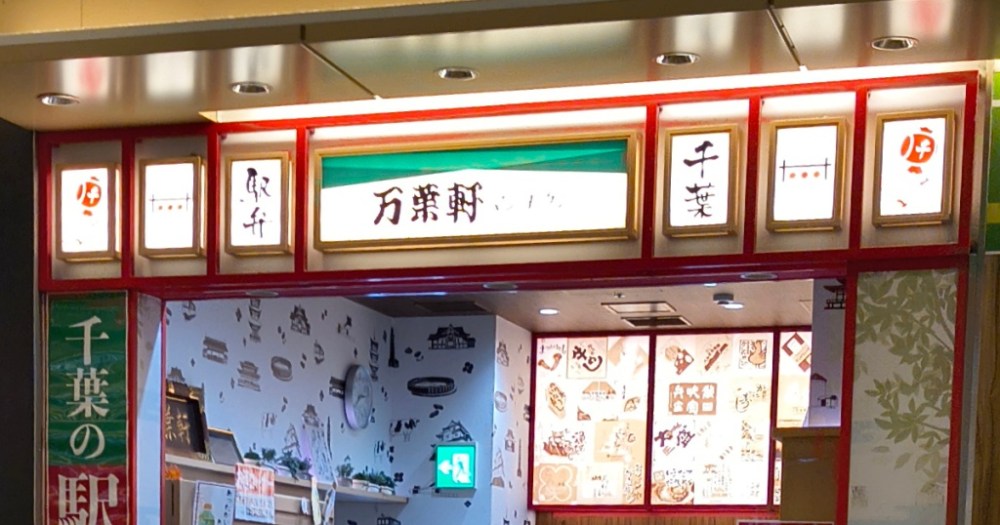
For the uninitiated, finding Manyoken can be an exercise in patience. Located on the third floor of the Perie Chiba complex, the shop is deceptively elusive. Many visitors assume the storefront is accessible from the public shopping floor, only to find that it is located strictly within the paid transit area.
To reach it, one must pass through the Chiba Station Chuo/Central Gate. Once inside, the signage—distinctly marked with the kanji characters 万葉軒—becomes clear. The shop’s design is purposefully understated, reflecting a "no-frills" approach that prioritizes the food over aesthetic trends. It stands as a physical boundary between the hectic pace of the platform and the quiet comfort of a well-prepared meal.
The Anatomy of the Signature Tonkatsu Bento
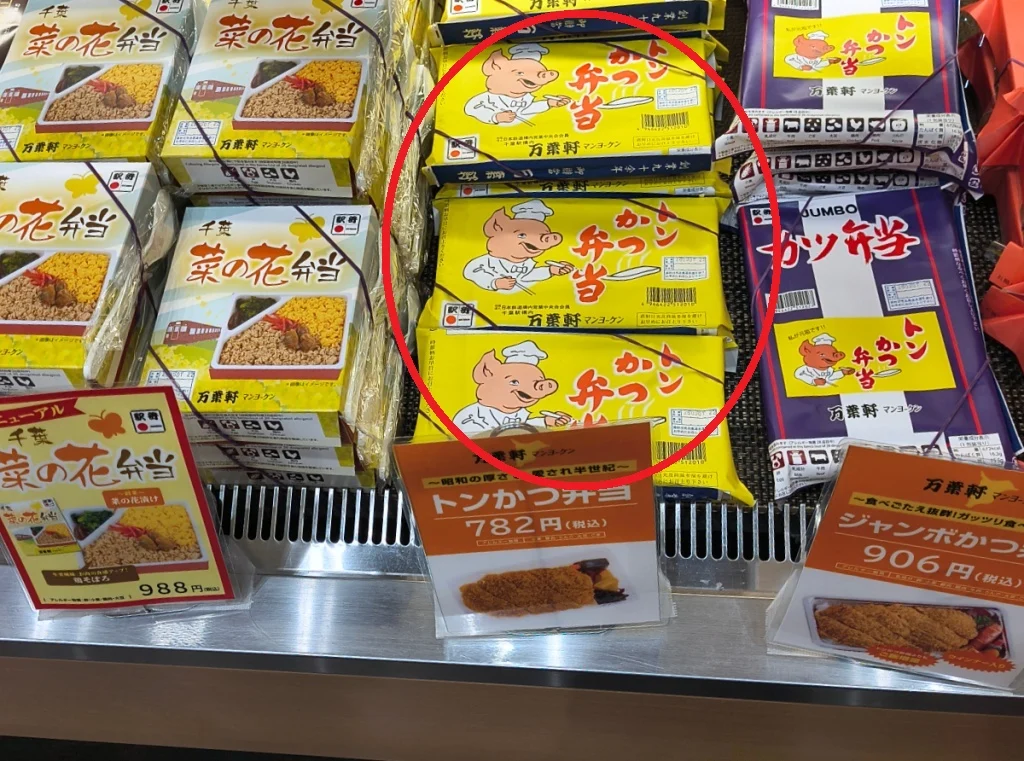
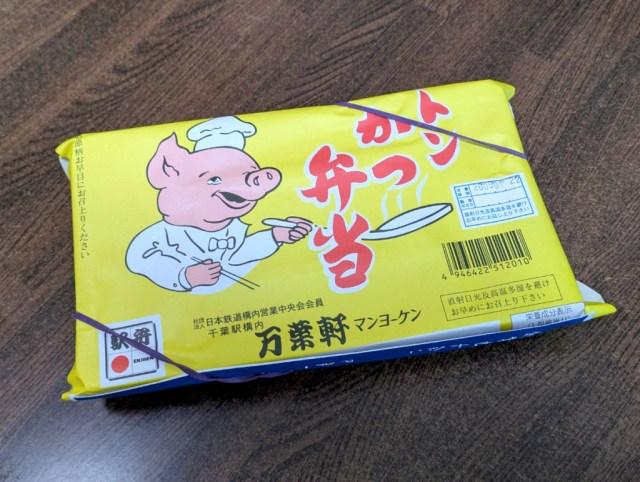
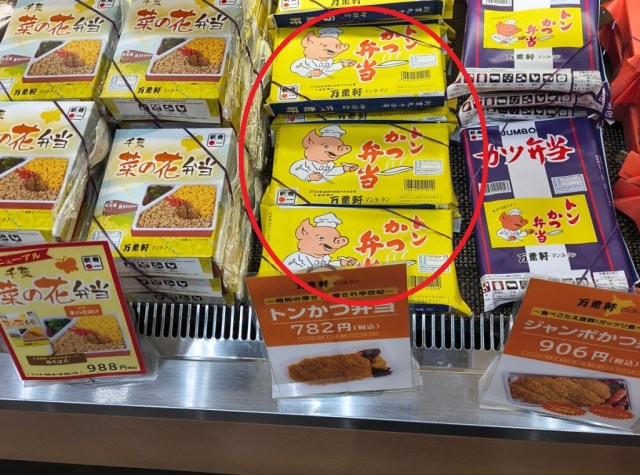
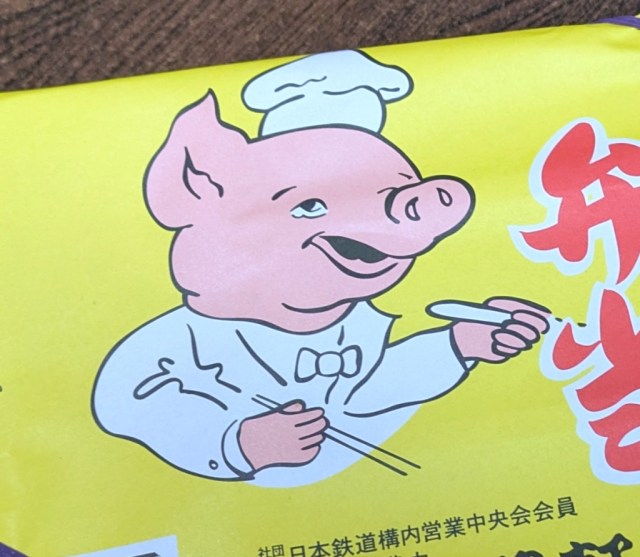
The flagship offering, the Tonkatsu Bento (782 yen / approx. $5.00), is a masterclass in minimalist design. The packaging features a charming, albeit slightly surreal, anthropomorphized character, a stylistic choice that harkens back to mid-century graphic design.
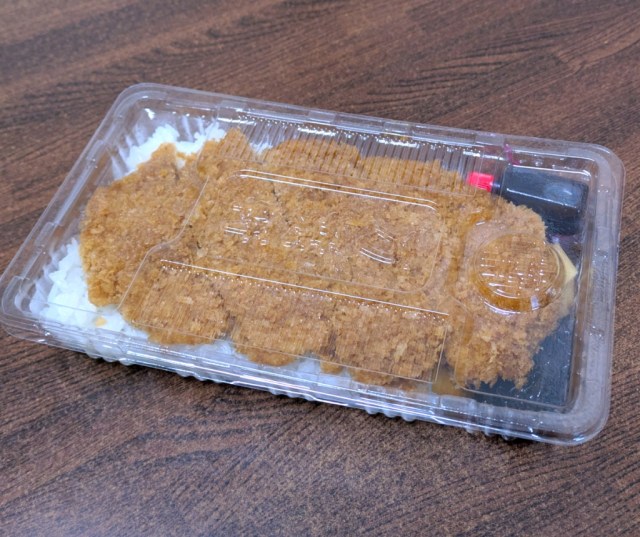
The meal itself is a lesson in textures. Unlike the thick, premium cutlets found in boutique restaurants, the Manyoken pork cutlet is notably thin. When viewed in cross-section, the higher ratio of breading to meat may surprise contemporary foodies, yet it is this specific composition that provides the dish with its unique character. The breading is designed to absorb the proprietary tonkatsu sauce, creating a savory, umami-rich experience that permeates every bite.
A Hidden Cache of Traditional Flavors
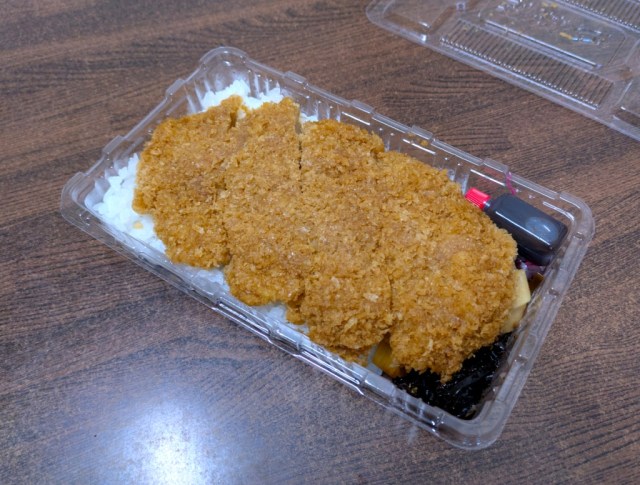
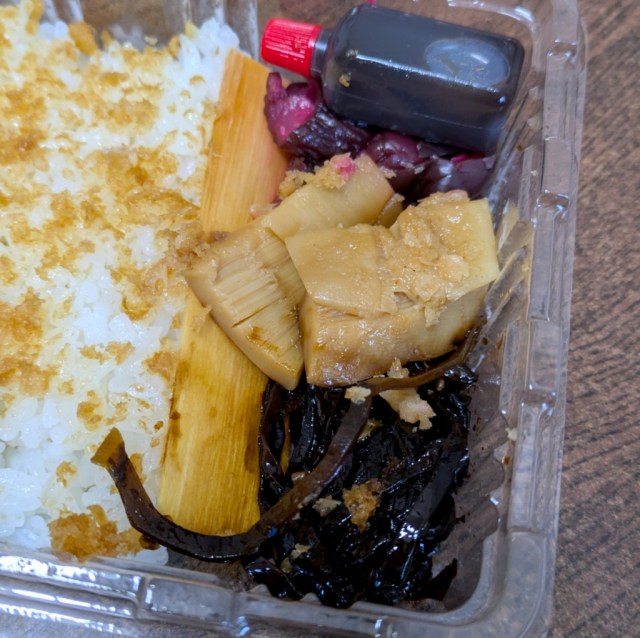
Beneath the cutlet lies a secondary layer of the bento: a collection of traditional sides that provide a necessary contrast to the richness of the fried pork. These include:
- Pickled Eggplant: Providing a sharp, acidic brightness.
- Bamboo Shoots: Adding a subtle, earthy crunch.
- Simmered Kombu (Kelp): Offering a deep, oceanic sweetness that bridges the gap between the rice and the meat.
This arrangement—the cutlet resting atop the rice like a "ruler on a chaise lounge"—is a nod to the classic bento aesthetic, emphasizing simplicity and the harmonious interaction of flavors.
Supporting Data: Economic Resilience and Customer Loyalty
In an era of rising food costs and shrinking portion sizes, Manyoken has managed to maintain an accessible price point of under 800 yen. This affordability is not merely a pricing strategy but a fundamental part of the brand’s identity as a "people’s kitchen."
Data from the surrounding station retail sector indicates that while many boutique food vendors in the area have cycled through various owners and concepts, traditional, long-standing shops like Manyoken maintain higher customer retention rates. This is attributed to the "nostalgia factor"—the psychological comfort that comes from consuming a meal that tastes exactly as it did for previous generations.
Official Responses and Corporate Outlook
While the management at Manyoken remains focused on daily operations, the upcoming centennial is a focal point of their current internal discussions. The shop currently issues chopsticks wrapped in paper that proudly declares: "Founded over 90 years ago."
According to company representatives, there is a tangible sense of anticipation regarding the transition of this copy to "Founded over 100 years ago" in 2028. This upcoming milestone is viewed not just as a marketing opportunity, but as a validation of the company’s decision to maintain its traditional recipes and preparation methods despite the pressure to modernize or streamline their processes.
Implications for the Future of Station Dining
The success of Manyoken offers a significant lesson for the food service industry. In an age dominated by high-tech, fast-casual dining, there is a persistent, powerful demand for "edible history."
The implication is clear: consumers are increasingly seeking authenticity. By resisting the urge to overhaul their menu or "elevate" their recipes to match modern trends, Manyoken has successfully positioned itself as a destination rather than a mere stopgap. The shop serves as a reminder that consistency is a form of innovation. As they approach their 100th anniversary, Manyoken is not just selling lunches; they are curating a sensory connection to the past, proving that in a world of constant change, there is enduring value in staying true to one’s roots.
For those traveling through Chiba, a visit to this unassuming, historic shop is more than just a meal—it is a mandatory pilgrimage for anyone who appreciates the intersection of culinary tradition and the rhythmic, transient nature of Japanese railway culture. Whether you are a local resident or a traveler passing through, the Tonkatsu Bento remains, after 98 years, a benchmark of quality and a beacon of tradition.












No comments yet. Be the first to join the conversation!