

In an era defined by the relentless pace of algorithmic optimization, a quiet rebellion is brewing among authors and creative professionals. For years, the literary community has been gripped by a palpable sense of existential dread. As generative artificial intelligence models scrape the internet to mimic human creativity, writers find themselves trapped in a digital "hamster wheel," struggling to balance the demands of platform algorithms with the intrinsic, often slow, process of artistic creation.
This article explores the growing movement of writers who are choosing to lean into their humanity—typos, quirks, and all—as a form of defiance against the sterile, machine-generated content flooding the market.
The Algorithmic Burden: A Chronology of Burnout
The current crisis in the writing industry did not appear overnight. It is the culmination of a decade-long shift in how content is produced and consumed.
- 2015–2018: The Rise of Platform Dependency. As social media algorithms shifted toward video and high-frequency posting, authors were increasingly pressured to move from "creators" to "content marketers."
- 2019–2022: The Speed Trap. Amazon’s marketplace algorithms began favoring authors who could release books at breakneck speeds, leading to a "quantity over quality" paradigm that prioritized the "machine" of the publishing funnel over the craft.
- 2023–2026: The AI Onslaught. With the public rollout of large language models (LLMs), the industry faced an unprecedented crisis. Suddenly, the ability to generate a book in hours replaced the years of dedication once required to hone a manuscript. The result has been a flooded marketplace of "AI slop," leaving authentic, human-authored works struggling for visibility.
Supporting Data: The Cost of the Machine
The human toll of this technological shift is significant. For many writers, particularly those balancing family responsibilities or caregiving roles, the pressure to "out-machine the machine" has led to unsustainable levels of burnout.

A recent informal survey of independent authors revealed that over 70% of respondents report suffering from chronic sleep deprivation and anxiety directly related to the pressure of maintaining a consistent digital presence. The "always-on" culture of modern publishing means that even in moments of respite—waiting for a child at a music lesson, or preparing dinner—writers feel compelled to perform labor.
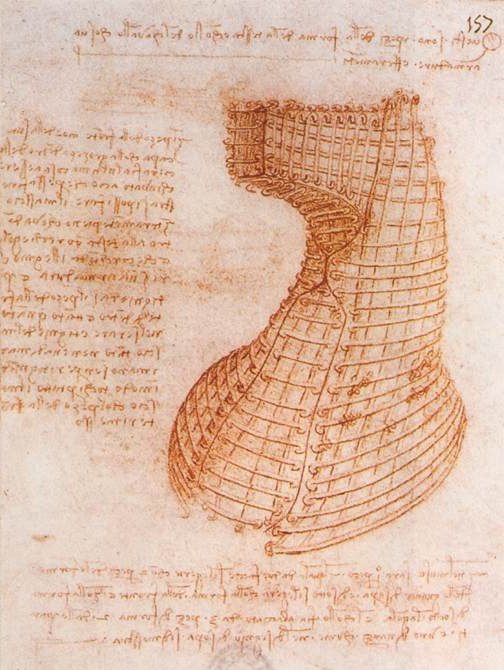
This is not a new struggle, historically speaking. Leonardo da Vinci spent a decade meticulously planning a bronze horse monument, only to see it destroyed by war and his efforts mocked by contemporaries. However, the modern writer faces a unique psychological burden: the knowledge that their work can be ingested by a neural network and reproduced in seconds, effectively stripping the author of the value of their lived experience.
Official Perspectives: The Value of Imperfection
Industry observers and literary critics are beginning to push back against the "polished" veneer of AI-generated content. A growing body of thought suggests that the "human touch"—defined by irrationality, personal bias, and even technical error—is becoming a premium commodity.
"Typos are no longer the enemy," says one industry commentator. "They are becoming a hallmark of humanity." For years, independent authors obsessively chased the eradication of every grammatical error, viewing them as stains on their professional reputation. Now, there is a paradoxical shift: imperfection is viewed as a form of "analog authenticity."
Human writing is characterized by:
- Contextual Nuance: The ability to weave in the complexities of real-world suffering, joy, and disability that AI models can only simulate, never truly understand.
- Emotional Resonance: The capacity to connect with readers through shared, messy experiences rather than statistically probable word choices.
- Creative Irrationality: The "happy accidents" of thought that occur when a human mind makes a leap an algorithm would deem inefficient.
Implications for the Future of Literature
The implication is clear: if the goal of the writer is to "beat the machines" at their own game, the battle is already lost. AI will always be faster, cheaper, and more consistent. However, if the goal is to create art, the machine is inherently impotent.
The rise of "grim-cozy" literature and character-driven fantasy suggests that readers are starved for genuine human connection. They are seeking narratives that reflect the depth of the human condition, including the parts we usually try to "sweep under the rug."
Recommended Reading: Celebrating the Human Condition
To navigate the gloom of the current landscape, many readers and writers are turning to works that celebrate the resilience of the human spirit. These selections serve as a testament to the power of human storytelling:
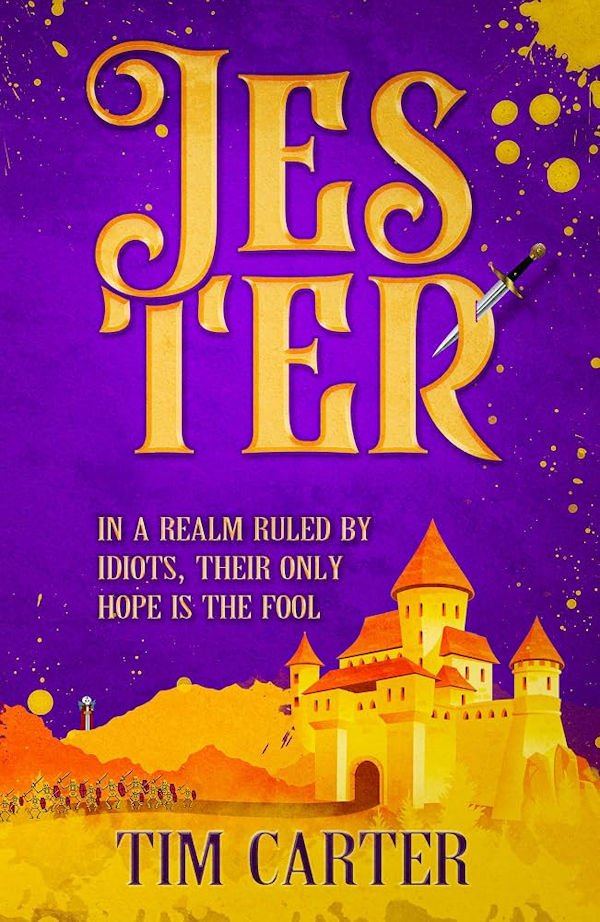
- Jester by Tim Carter: An SPFBO finalist that explores the journey of a goblin latrine slave. It is a masterclass in the "underdog" narrative, emphasizing wit and compassion over cold, calculated success.
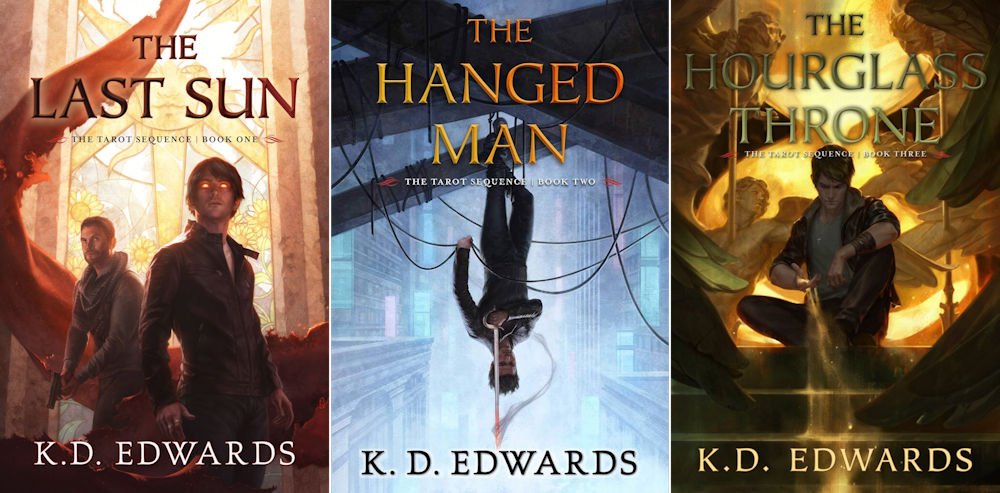
- The Tarot Sequence by K. D. Edwards: This series is a cornerstone of the "found family" trope. It succeeds because of the deep, lived-in relationship between the protagonists, which feels far more tangible than any AI-generated character dynamic.
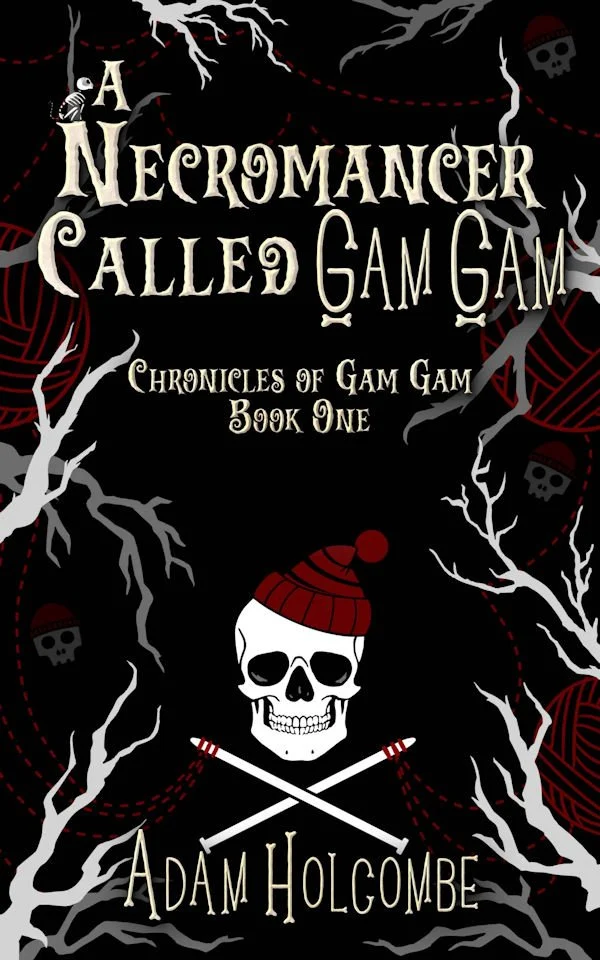
- A Necromancer Called Gam-Gam by Adam Holcombe: A novella that proves that true depth comes from the intersection of grief and healing. It is a story that feels earned, not generated.
- Vita Nostra by Marina and Sergey Dyachenko: A philosophical exploration of humanity trapped within an inhuman system. The irony of its subject matter makes it essential reading for the current climate.
- Year of the Reaper by Makiia Lucier: A powerful look at the aftermath of trauma. It reminds the reader that the process of "becoming human again" is a slow, difficult, and profoundly beautiful act of courage.
Conclusion
The struggle against the "hamster wheel" is a struggle for the soul of the creative arts. Whether you are a writer currently fighting to maintain your sanity while balancing a dozen different roles, or a reader seeking an escape from the deluge of algorithmic content, remember: you are not alone.
The machines may be able to synthesize text, but they cannot synthesize the experience of sitting in a car, smelling cardamom and ginger, or feeling the weight of a life well-lived. As we move forward, the most radical thing a writer can do is to remain exactly who they are: flawed, tired, and deeply, stubbornly human. Keep writing, keep reading, and most importantly, keep resisting the urge to let the machine define your worth.










