

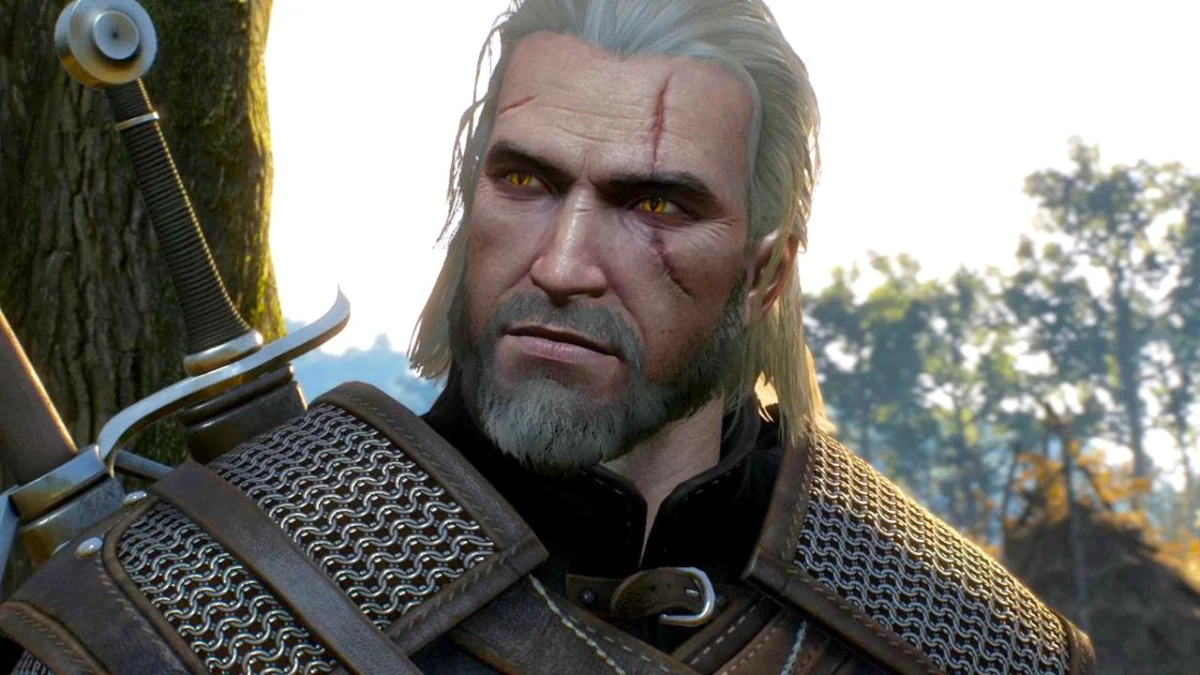
For over a decade, Geralt of Rivia has been the quintessential face of high-fantasy gaming. From the mud-caked roads of Velen to the sun-drenched vineyards of Toussaint, the White Wolf has defined the open-world RPG genre. However, as CD Projekt Red (CDPR) prepares to pivot toward a new horizon with The Witcher 4, the studio is granting its iconic protagonist one final, sweeping farewell.
The announcement of The Witcher 3: Songs of the Past—a massive, standalone expansion—has sent shockwaves through the gaming community. Far from a simple content drop, this project represents a narrative bridge between the storied past of Geralt and the uncertain, Ciri-led future of the franchise.
Main Facts: The End of an Era
CD Projekt Red confirmed that Songs of the Past is currently in development in partnership with Fool’s Theory, the studio currently spearheading The Witcher remake. Scheduled for a 2027 release on PlayStation 5, Xbox Series X, and PC, the expansion is being positioned as a "major piece of content" rather than a standard DLC.
Studio executives have been explicit in their desire to move away from the "DLC" label, which they view as reductive. Instead, they are framing Songs of the Past as a substantial, premium expansion that promises dozens of hours of gameplay. It is designed to be the final chapter of Geralt’s journey, serving as a thematic epilogue before the mantle is officially passed to Ciri in the upcoming The Witcher 4.
A Chronological Puzzle: When Does It Take Place?
The title Songs of the Past invites significant speculation regarding the timeline. Given that The Witcher 3: Wild Hunt offers several definitive endings—some of which see Geralt retire or face uncertain fates—placing a new adventure post-game is narratively complex.
The Case for a Prequel
Most industry analysts suggest that the expansion will likely function as a "mid-quel," potentially taking place during the events of the original trilogy or even earlier. By returning to a period where Geralt is still a wandering witcher, CDPR avoids the logistical nightmare of reconciling the various player-determined endings of Wild Hunt. This approach allows for a self-contained story that honors the established canon while offering fans a "trip down memory lane."
The Emotional Weight of the Narrative
The expansion is expected to delve into the folklore and character histories that defined the earlier years of Geralt’s career. By framing the narrative as a series of "songs" or stories, the writers have the creative freedom to explore untold contracts and encounters that shaped the man Geralt became.
Supporting Data: What to Expect in Scale
While specific plot points remain under lock and key, we can infer the scale of Songs of the Past by looking at CDPR’s history with expansions.
- The "Blood and Wine" Benchmark: Senior Community Manager Laura Beitzel noted during a recent livestream that the expansion will align with the quality and depth of Blood and Wine. That expansion introduced an entirely new region (Toussaint), dozens of hours of main and side quests, and a significant overhaul of core gameplay mechanics.
- Gameplay Expectations: Based on the precedent of Blood and Wine, fans should anticipate a 20 to 30-hour experience. This isn’t just a quest chain; it is a full-fledged addition to the Witcher ecosystem.
- Development Synergy: The collaboration with Fool’s Theory is telling. By leveraging the expertise of the team currently rebuilding the original Witcher game, CDPR ensures that Songs of the Past will benefit from updated technology and a deep understanding of the source material.
Official Responses: CDPR’s Vision
The decision to bring Geralt back was not made lightly. In the company’s Q1 2026 earnings report, Joint CEO Michał Nowakowski emphasized the dual nature of this release: it is both a gift to long-time fans and a strategic transition point.
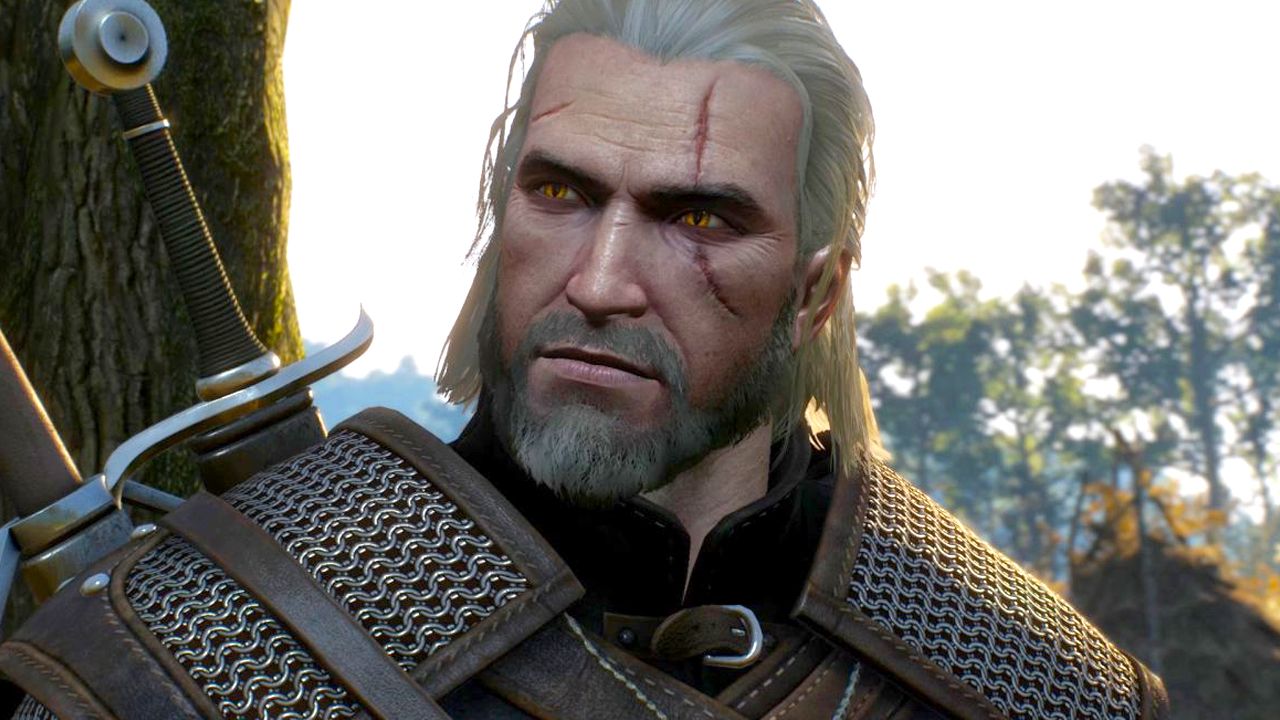
"The return of Geralt after more than one decade will be an excellent adventure, and a trip down memory lane," Nowakowski stated. "It serves as a final, meaningful bow before we pass the baton to Ciri in the upcoming The Witcher 4."
This statement is pivotal. It confirms that CDPR views the expansion as a vital narrative step in the evolution of the franchise. It isn’t merely filler content; it is a conscious effort to provide closure for the character who put the studio on the global map before they fully commit to the narrative shift that The Witcher 4 requires.
The Implications: Passing the Torch
The transition from Geralt to Ciri is the most significant change in the history of the franchise. For years, the Witcher games were synonymous with the White Wolf’s stoic, gravelly-voiced pragmatism. Moving to Ciri—a character defined by her heritage, her powers, and her youthful turbulence—changes the fundamental "feel" of the series.
Narrative Shift
Ciri’s inclusion as the protagonist of The Witcher 4 implies a more mobile, magic-heavy, and perhaps politically charged gameplay experience. Geralt was a hunter, a man who survived by his steel and his wit. Ciri is a force of nature, caught between worlds and factions. By giving Geralt one last, massive adventure in Songs of the Past, CDPR is allowing the audience to process the transition, ensuring that when the "baton" is passed, the player is emotionally ready for a new lead.
Setting the Stage for The Witcher 4
Songs of the Past will likely include "breadcrumb" narratives—small hints, character cameos, or world-state changes that lead directly into the setting of the fourth game. This is a classic CDPR strategy; much like how the expansions for The Witcher 3 hinted at the broader geopolitical state of the Northern Kingdoms, this new expansion will likely establish the status quo of the world as it exists on the eve of the new game.
Technical Foundations
Furthermore, Songs of the Past acts as a technical testbed. By developing this on modern hardware (PS5, Xbox Series X, PC), the team is refining their engine and workflow for the high-fidelity demands of the next mainline entry.
Conclusion: A Fitting Farewell
The industry is currently in a cycle of "remakes and sequels," but The Witcher 3: Songs of the Past feels different. It is an acknowledgment of a legacy. Geralt of Rivia is more than just a video game protagonist; he is the face of a decade of storytelling excellence.
As the calendar approaches 2027, the focus will undoubtedly sharpen on what The Witcher 4 holds in store. However, before the focus shifts entirely to the future, players will have one more opportunity to walk the Path as the Butcher of Blaviken.
For the fans who have spent hundreds of hours in the Northern Kingdoms, Songs of the Past represents the closing of a heavy, leather-bound book. It is a chance to say goodbye properly, to settle old scores, and to witness one final, legendary tale before the music changes and a new protagonist steps into the light. CD Projekt Red has promised a major experience, and if their history is any indication, they are poised to deliver a swan song that will be remembered as fondly as the games that preceded it.











No comments yet. Be the first to join the conversation!