In a move that marks a definitive pivot from social media discourse to global fintech, Elon Musk has officially unveiled "X Money," a comprehensive financial services platform integrated directly into the X (formerly Twitter) ecosystem. This launch represents the most significant milestone to date in Musk’s long-standing ambition to transform the platform into a "global town square" that doubles as a central hub for daily commerce, banking, and wealth management.
By embedding banking features, peer-to-peer (P2P) transfers, and a proprietary debit card into the X interface, Musk is signaling a direct challenge to traditional banking institutions and established payment processors. The rollout, currently focused on U.S.-based Premium and Premium+ subscribers, provides a blueprint for what the billionaire entrepreneur envisions as the "everything app"—a single digital gateway for social interaction, media consumption, and personal finance.
The Mechanics of X Money: A Digital Banking Powerhouse
X Money is not merely a payment feature; it is a full-fledged financial services suite designed to operate within the existing X mobile and desktop infrastructure. For subscribers, the platform functions as an integrated financial hub, bridging the gap between social engagement and fiscal responsibility.
Core Financial Offerings
The service provides a robust suite of tools designed to compete with modern neobanks like Chime, SoFi, and Cash App. Key features include:
- Integrated Deposit Accounts: Users can manage funds directly within the app, with deposit accounts held and managed by partner institution Cross River Bank. As an FDIC-member institution, the service ensures that deposits are insured up to $250,000, offering a level of security commensurate with traditional brick-and-mortar banks.
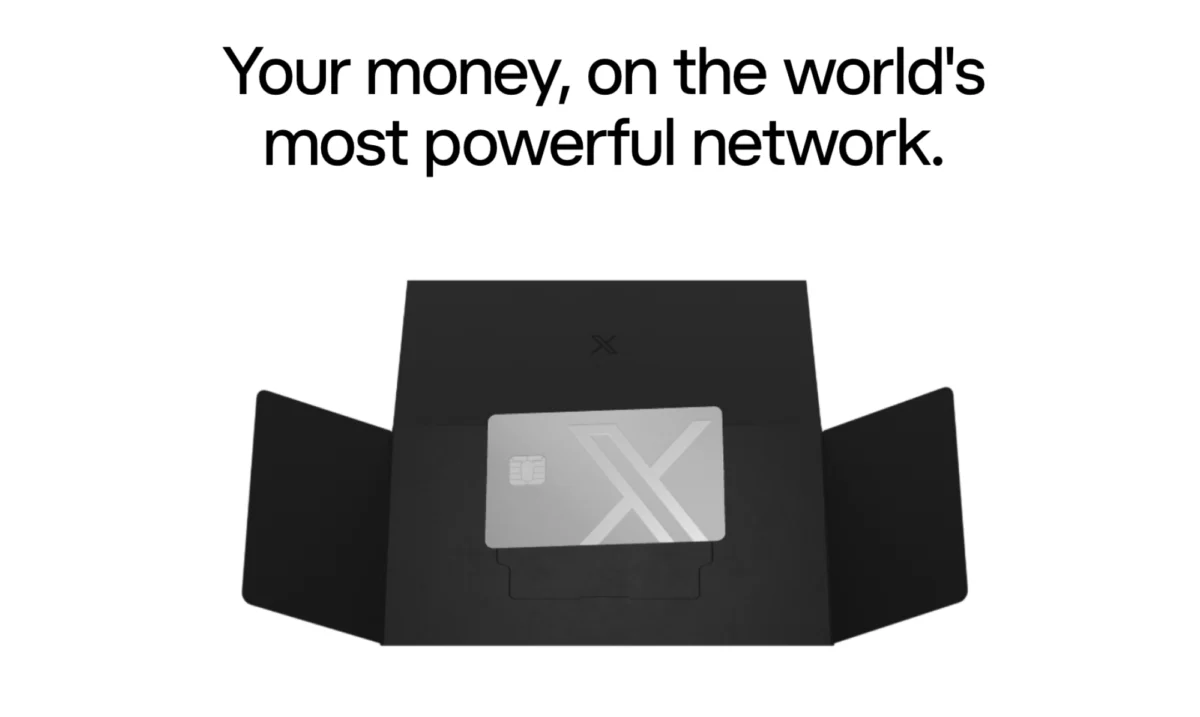
- The X Card: A physical Visa debit card issued to users, facilitating in-person transactions and global ATM access. The card is fully compatible with digital wallet ecosystems, including Apple Pay and Google Pay, ensuring seamless integration with existing mobile payment habits.
- Competitive Yields: In an aggressive move to attract capital, X is offering a 6% Annual Percentage Yield (APY). Premium+ subscribers are eligible immediately, while Premium subscribers can unlock this rate by meeting "Qualifying Direct Deposit" criteria, effectively incentivizing users to transition their primary paychecks to the X ecosystem.
- Incentivized Spending: The X Card includes a 3% cash-back program on eligible purchases, alongside a no-fee structure for global ATM withdrawals—a feature designed to appeal to frequent travelers and those tired of the opaque fee structures of legacy banking.
- Early Pay Access: Mirroring the features of modern digital-first banks, X Money allows users to receive their paychecks up to two days early through direct deposit, providing a liquidity advantage that often proves popular among the platform’s core demographic.
A Historical Retrospective: The Road to X Money
The launch of X Money is the culmination of a decades-long obsession for Elon Musk. To understand the significance of this moment, one must look at the historical arc of Musk’s involvement in digital finance.
The PayPal Genesis
Long before he was known for Tesla or SpaceX, Musk was a pioneer of the early dot-com financial revolution. In 1999, he co-founded X.com, an online bank that was among the first to offer FDIC-insured deposit accounts via the internet. X.com eventually merged with Confinity, the company behind PayPal, creating the payments giant that changed how the world handles digital transactions.
When Musk purchased Twitter for $44 billion in 2022, he explicitly stated his intention to rename the company and integrate the "X" brand, hinting at a return to the vision he started over twenty years ago. The rebranding of Twitter to X was not just a cosmetic change; it was the foundational step toward the "everything app" strategy.
The Development Timeline
The journey to the launch of X Money has been characterized by iterative testing and regulatory maneuvering:
- Late 2022/Early 2023: Musk begins signaling the intent to turn the platform into a "financial engine."
- Mid-2023: X begins acquiring money transmitter licenses across multiple U.S. states, a prerequisite for facilitating peer-to-peer payments and money storage.
- Early 2024: Internal test phases begin, involving a small cohort of "power users" and employees to stress-test the integration between the social feed and the financial backend.
- Late 2024: The public announcement of X Money, marking the shift from beta testing to active deployment.
The "Everything App" Thesis: Implications for the Tech Landscape
The introduction of financial services into a social media platform is a strategic gamble that pits X against both Silicon Valley incumbents and traditional Wall Street firms.
Disrupting the Social Media Business Model
Currently, the social media business model relies heavily on advertising revenue. However, with the volatility of ad markets, platforms are increasingly seeking "platform-native" revenue streams. By becoming a financial intermediary, X captures a piece of every transaction that occurs on the platform. Whether it is a subscription fee, a peer-to-peer transfer, or a debit card swipe, X is positioning itself to extract value from the movement of money, rather than just the consumption of content.

Competition with WeChat and Super-Apps
Musk has frequently cited WeChat—the Chinese "super-app" owned by Tencent—as his primary inspiration. In China, users rarely use separate apps for banking, messaging, shopping, or ride-sharing; everything is contained within the WeChat ecosystem. By launching X Money, Musk is attempting to replicate this model in the West, where digital services have historically been fragmented.
Data Monetization and Consumer Insights
From a data perspective, the move is unprecedented. By combining a user’s social graph (who they talk to, what they read, what their political leanings are) with their financial profile (what they buy, where they travel, how much they earn), X stands to gain a 360-degree view of its users. This level of insight is the "holy grail" for advertisers and could potentially make X the most valuable marketing platform in history—provided, of course, that users trust the company with their sensitive financial data.
Regulatory and Security Challenges
While the launch is ambitious, it arrives at a time of intense scrutiny. The financial services industry is one of the most heavily regulated sectors in the world, and X will face constant pressure from regulators regarding anti-money laundering (AML) compliance, data privacy, and cybersecurity.
The Role of Cross River Bank
By partnering with Cross River Bank, X is effectively outsourcing the heavy lifting of regulatory compliance. Cross River is a well-known "banking-as-a-service" (BaaS) provider that specializes in helping tech companies offer financial products. This partnership allows X to operate under the umbrella of a chartered bank, mitigating some of the legal hurdles of obtaining a full banking license from scratch.
Security Concerns
For users, the primary concern remains security. Integrating banking into a social media app—which is historically prone to phishing, hacking, and bot activity—creates a new surface area for cybercrime. X will need to demonstrate, through consistent uptime and rigorous account security, that the financial side of the app is as hardened as a traditional bank’s vault.
Official Responses and Market Outlook
Initial reaction from the tech and financial sectors has been one of cautious observation. While analysts applaud the move as a logical step toward the "everything app" goal, many remain skeptical about whether Western users—who are accustomed to using separate, dedicated apps for banking—will be comfortable moving their life savings into a social media platform.
"Elon Musk is playing a long game," says tech analyst Sarah Jenkins. "He isn’t looking for a quick win with X Money. He is looking to change the architecture of the internet, where identity, communication, and finance are unified. The success of this hinges on trust, and trust is something that X has had to work very hard to maintain over the last two years."
In his own posts regarding the launch, Musk has maintained that the goal is to make payments "as easy as sending a message." By removing the friction of external apps and banking portals, he believes he can capture a significant portion of the gig economy and creator market, providing a seamless way for users to monetize their presence on the platform and manage their earnings in real-time.
Future Projections: What Comes Next?
The rollout of X Money is only the beginning. Industry observers expect the next phase of development to include:
- Global Expansion: While currently restricted to the U.S., X is expected to seek regulatory approval in Europe, the U.K., and other key markets to facilitate international remittances.
- Investment Features: Rumors persist that X plans to introduce stock trading and cryptocurrency integration, allowing users to build portfolios directly within their X dashboard.
- Merchant Integration: A push to get retailers to accept X-based payments at the point of sale, potentially bypassing existing card networks and reducing transaction costs.
As the platform evolves, the line between social interaction and financial utility will continue to blur. Whether X Money succeeds or becomes another ambitious experiment in Musk’s portfolio remains to be seen, but one thing is certain: the landscape of digital finance has been irrevocably changed by the entry of the platform formerly known as Twitter. For the average user, the promise is simple: a more connected, more efficient way to interact with the world. For the banking industry, the message is clear: the competition is no longer just other banks—it is the apps that own the conversation.