For travelers and locals alike, the quintessential Japanese beer experience is inextricably linked to the izakaya—the bustling, wood-paneled pubs where a perfectly poured nama (draft) beer, topped with a dense, velvet-like head of foam, serves as the ultimate reward after a long day. However, the convenience of the modern world often dictates a "grab-and-go" lifestyle, forcing beer lovers to choose between the portability of a standard aluminum can and the tactile, aromatic indulgence of a glass-poured draft.
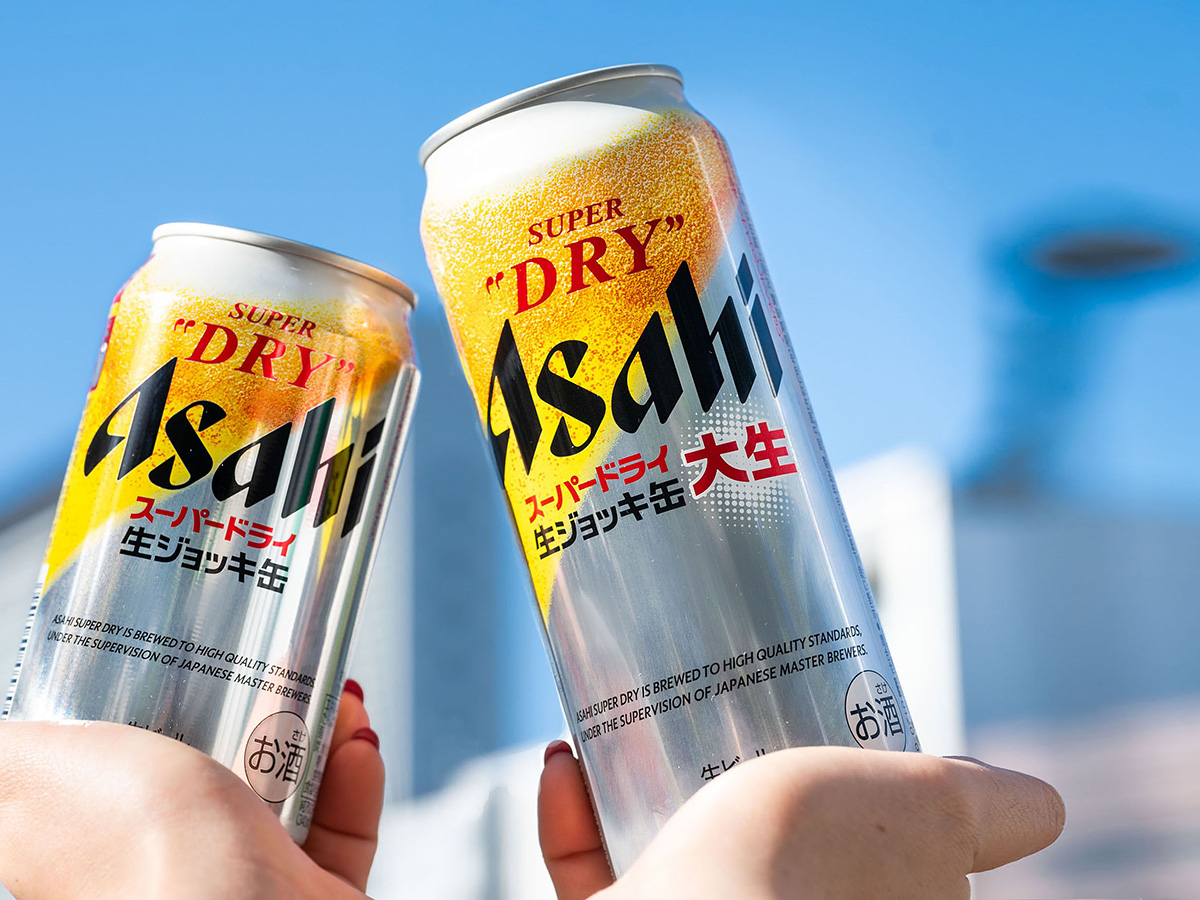
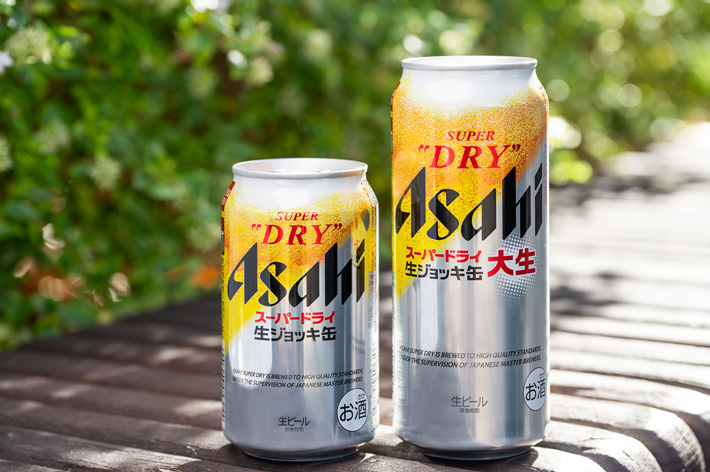
That compromise has officially been rendered obsolete. In a feat of industrial design and beverage engineering, Asahi Breweries, Ltd. has introduced the "Asahi Super Dry Nama Jokki Can," a product that successfully bridges the gap between the pub tap and the convenience store shelf.
The Engineering Behind the Foam: Breaking Down the Innovation
At the heart of the Nama Jokki (which translates to "Draft Beer Mug") is a technological departure from standard canning processes. While the exterior of the can appears familiar to the casual observer, the interior and the lid assembly represent a significant leap in sensory engineering.
The innovation centers on two primary design pillars: the wide-aperture opening and the specialized internal coating. Upon pulling the tab, the entire lid of the can is removed, mimicking the sensation of drinking from a glass mug. This wide opening is not merely for aesthetics; it allows for the release of the beer’s full aromatic profile, which is typically constricted by the narrow aperture of a traditional beverage can.

More importantly, the interior of the can is treated with a specialized, proprietary coating. This surface is engineered to create microscopic irregularities that act as nucleation points. When the can is opened and the pressure is released, these points stimulate the carbonation, causing a dense, creamy foam to rise naturally to the surface. It is a biological and physical mimicry of the turbulence created by a professional draft beer tap.
A Chronology of the "Nama Jokki" Phenomenon
The development of the Nama Jokki Can was not an overnight success story, but the result of years of consumer feedback and iterative testing.
- 2017–2019: The Research Phase. Recognizing a shift in consumer behavior toward home-drinking, Asahi began surveying drinkers about the "missing" elements of canned beer. The top two complaints were the lack of a "fresh-from-the-tap" head and the inability to smell the beer properly while drinking from a can.
- 2020: The Prototype. Engineers began experimenting with full-aperture ends (FAE), a technology typically used in food canning, to provide a wider mouthfeel.
- April 2021: The Launch. The Asahi Super Dry Nama Jokki Can made its debut in Japan. The demand was so immediate and overwhelming that Asahi was forced to suspend sales shortly after launch, as production lines could not keep up with the unexpected viral popularity.
- 2022–Present: Global Recognition. After refining the supply chain, the product was re-released to become a permanent fixture in the Japanese market, earning accolades for its contribution to the "at-home" drinking experience and changing the landscape of the canned beverage industry.
Supporting Data: Why "The Head" Matters
In Japan, the awa (foam head) is not merely a garnish; it is a critical component of the drinking experience. Asahi’s own consumer research, supported by independent data from the Mintel database, highlights that the "frothy head" acts as a protective lid for the beer.
- Aromatic Retention: The foam acts as a barrier that prevents the oxidation of the beer while locking in volatile aromatic compounds, ensuring that every sip maintains the crisp, sharp finish that characterizes Asahi Super Dry.
- Mouthfeel and Texture: The specific bubble density created by the Nama Jokki’s internal coating provides a creamy sensation that balances the dry, crisp bitterness of the beer.
- Aesthetic Satisfaction: In Japanese drinking culture, the visual presentation of a drink is as important as its flavor. A beer that produces its own head upon opening creates a sense of "theatricality" that standard cans lack.
Insights from the Frontlines: A Case Study
To understand the consumer impact, we look to the experiences of beer enthusiasts who have integrated this product into their daily lives. For many, the Nama Jokki has become a "travel companion."

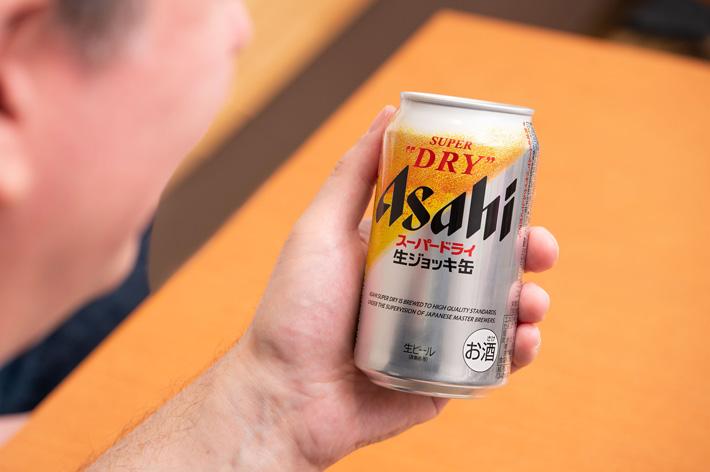
"When you are out sightseeing in places like Kyoto or Tokyo, you don’t always have the time or the reservation to sit at a crowded izakaya," notes Steven, a writer and beer enthusiast. "The Nama Jokki provides that same, satisfying, frothy experience during a picnic at a park during cherry blossom season or simply while relaxing in a hotel room. It effectively turns any location into a private pub."
The consensus among users is that the experience changes the way one consumes beer. Because the opening is wider and the foam is more pronounced, drinkers tend to take their time, savoring the aroma and the transition of the beer from the initial creamy foam to the crisp liquid below.

Official Responses and Strategic Implications
Asahi Breweries has framed the Nama Jokki not just as a product, but as a strategic solution to the evolving nature of the alcohol industry. Following the global pandemic, there was a measurable shift toward "home-based" premium experiences. Asahi, by investing heavily in the manufacturing of these specialized lids and internal coatings, has positioned itself as the leader in the "premiumization" of the canned beer segment.
"Our goal was to bridge the gap between the hospitality of the Japanese pub and the convenience of the modern consumer," an Asahi spokesperson noted during the initial launch phase. By investing in the R&D required for this project, Asahi has successfully differentiated itself from competitors who rely on standard, commodity-grade packaging.

The Cultural Impact: A Unique Souvenir
For international travelers, the Nama Jokki has become more than just a beverage; it is a cultural artifact. It serves as a testament to Japanese precision engineering—the idea that even something as mundane as a beer can be re-engineered to provide a superior sensory experience.
Bringing these cans back home (within legal limits) has become a popular trend for tourists looking to share a piece of their Japanese journey with friends. It serves as a conversation starter, a demonstration of design ingenuity, and a bridge between the vibrant, high-energy environment of a Japanese city and the quiet comfort of one’s own home.
Conclusion: A New Standard for the Industry
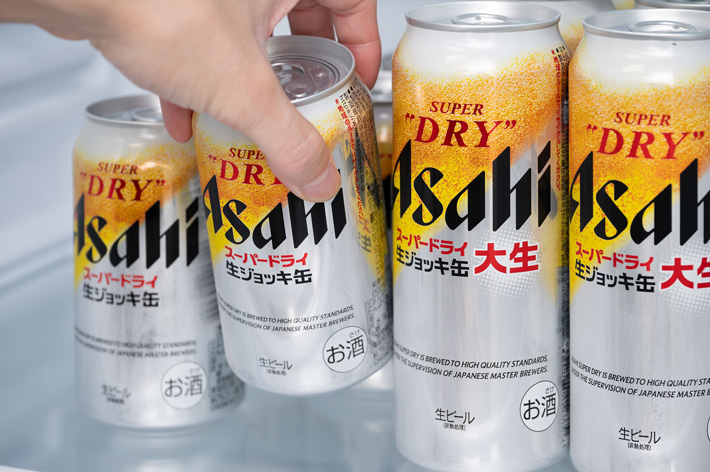
The Asahi Super Dry Nama Jokki Can represents a significant milestone in beverage technology. By solving the age-old problem of how to enjoy a draft-quality beer without the draft tap, Asahi has not only increased its market share but has also influenced the global beer market’s expectations.
As travelers continue to explore Japan, they will find that the Nama Jokki is more than just a quick drink—it is a symbol of Japan’s dedication to quality, innovation, and the enhancement of everyday moments. Whether enjoyed on a train ride through the countryside or as a toast at the end of a long day of adventure, the Nama Jokki ensures that the spirit of the Japanese izakaya is never far away.
Disclaimer: Underage drinking (less than 20 years of age) and drink driving are strictly prohibited by law in Japan. Please enjoy responsibly and ensure you dispose of your aluminum cans in the appropriate recycling bins as designated by local municipal regulations.