Asep Darmawan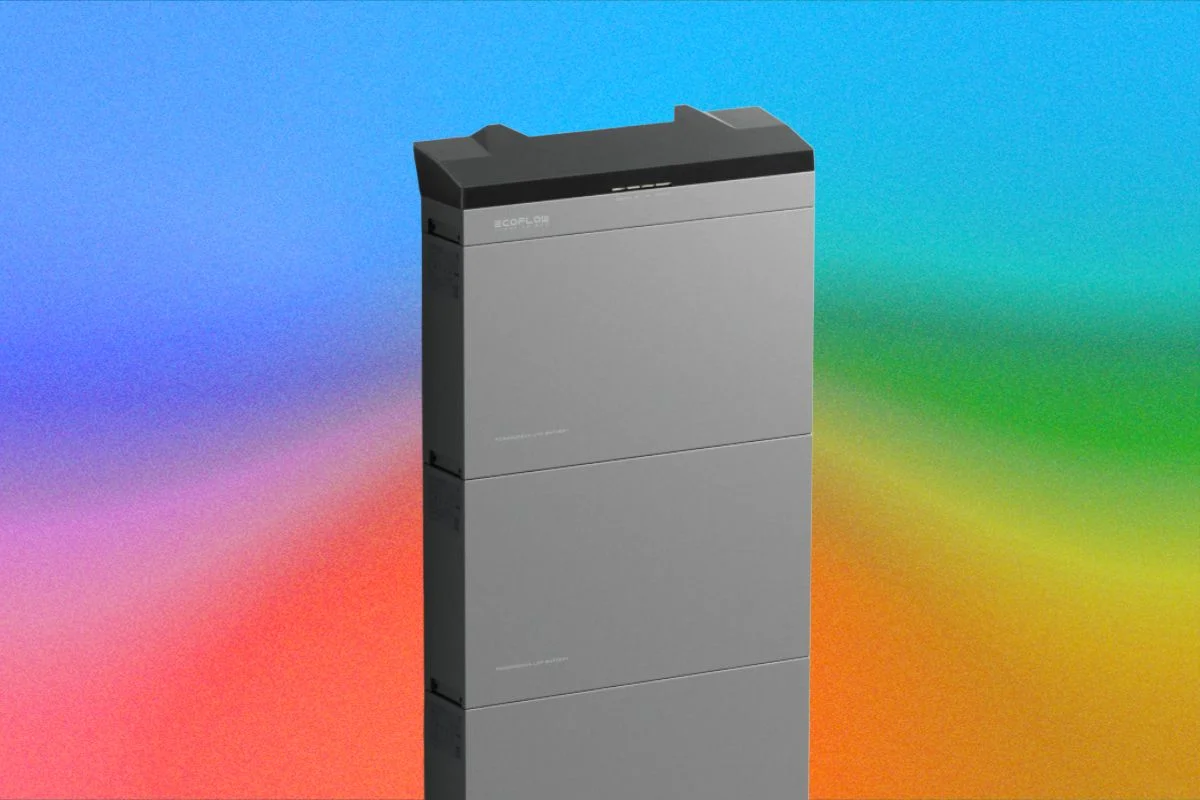
As global electricity costs continue to fluctuate at record highs, the residential energy landscape is undergoing a quiet revolution. For millions of homeowners, the grid is no longer the sole arbiter of their power supply. Home battery systems—essentially large-scale power banks for your residence—have moved from the fringes of the eco-conscious enthusiast market into the mainstream, promising a blend of energy independence, cost mitigation, and grid stability.
However, the rapid expansion of the energy storage sector has created a "wild west" of hardware options, technical specifications, and regulatory hurdles. If you are considering transitioning to a battery-backed home, understanding the nuance between chemistries, inverter capacities, and return-on-investment (ROI) timelines is not just recommended; it is essential to ensuring your financial and practical success.
The Core Fundamentals: Why Home Batteries Matter
The primary driver for the current surge in home battery adoption is economic. By leveraging "time-of-use" (TOU) electricity tariffs, homeowners can charge their batteries when grid rates are at their lowest—typically during the early morning hours—and draw from that stored energy when demand peaks and prices skyrocket.
Beyond individual savings, these systems serve a macro-level purpose. As the world shifts toward intermittent renewable sources like wind and solar, the grid faces the ongoing challenge of "balancing." Home batteries act as a localized buffer, storing excess energy generated during peak production hours and feeding it back into the system or shielding the grid from sudden surges in demand. It is a rare "win-win" scenario where individual autonomy supports national infrastructure stability.
The Technological Architecture
A home battery system is rarely just a battery. To function, it requires a complex ecosystem of components:
- Battery Chemistry: Most modern units utilize Lithium Iron Phosphate (LFP or LiFePO₄) technology. Unlike the volatile lithium-ion variants found in older electronics, LFP is favored for its resistance to "thermal runaway," making it significantly safer for indoor or garage installation.
- The Inverter: Batteries store power as Direct Current (DC), but your home runs on Alternating Current (AC). The inverter is the bridge. For those with solar panels, a "hybrid inverter" is the gold standard, capable of managing power flow between panels, the battery, and the home simultaneously.
- Capacity vs. Power: Understanding the difference between kilowatts (kW) and kilowatt-hours (kWh) is the most common point of confusion for buyers. Think of kWh as the "size of the fuel tank" and kW as the "horsepower of the engine." A high-capacity battery (kWh) will last a long time, but if the inverter power rating (kW) is too low, you won’t be able to run high-draw appliances like heat pumps or EV chargers simultaneously.
A Chronology of the Residential Storage Evolution
The rise of the home battery has been a multi-decade journey, punctuated by critical technological leaps:

- Early 2010s: Battery storage was limited to high-end lead-acid deep-cycle systems, often bulky, inefficient, and relegated to off-grid cabins.
- 2015–2018: The "Tesla Powerwall Effect." The introduction of sleek, wall-mounted lithium-ion solutions brought energy storage into the design-conscious consumer’s eye.
- 2020–2022: The Energy Crisis. Soaring natural gas prices and volatile grid rates prompted a shift in motivation. Batteries were no longer just for "green living"; they became a strategic financial asset.
- 2023–Present: The Modular Era. Today’s market is dominated by modular LFP systems, such as the EcoFlow PowerOcean or systems from industry incumbents like Enphase and Sonnen. These allow homeowners to scale their capacity incrementally, starting small and adding blocks as their budget or needs grow.
Supporting Data: The Math Behind the Investment
For the average consumer, the burning question remains: Will this pay for itself?
A typical high-quality, fully installed system in the US currently ranges between $8,000 and $15,000. In the UK and Europe, prices are generally pegged between £6,000 and £12,000 for a robust 10kWh setup.
The Return on Investment (ROI) Matrix
| Variable | Impact on ROI |
|---|---|
| Local Electricity Rates | High (The larger the gap between peak/off-peak, the faster the ROI) |
| Solar Integration | High (Free "fuel" drastically reduces the payback period) |
| Government Incentives | Medium (Tax credits and grants can shave 20–30% off initial costs) |
| System Longevity | High (LFP batteries generally offer 6,000+ charge cycles) |
Most analysts suggest a realistic payback period of five to 12 years. For those who already own solar arrays and are on dynamic, time-of-use electricity tariffs, the six-year mark is a common reality.
Official Perspectives and Regulatory Hurdles
The integration of home batteries into the wider grid has forced utility companies to update decades-old policies.
Regulatory Approval: In many jurisdictions, installing a battery is not a "plug-and-play" operation. Depending on the capacity of your inverter, you may need to file for approval from your local Distribution Network Operator (DNO). For example, systems with inverters over 3.6 kW often trigger a mandatory review process to ensure the neighborhood transformer can handle potential back-feeding from your system.
The "Permission to Operate" (PTO): Experienced installers warn that skipping this step is a recipe for disaster. Not only can unlicensed installations result in hefty fines, but they may also void your home insurance policy. Reputable installers will handle the paperwork, but homeowners should always verify that the "Certificate of Compliance" is filed with the local utility.

Practical Implementation: What You Must Consider
Before signing a contract, perform a "load audit." Total up the wattage of the appliances you want to keep running during an outage. If you need your refrigerator, HVAC system, and home office running at once, you require an inverter with at least a 6 kW to 10 kW continuous output rating.
Key Installation Pitfalls
- The Fuse Box Bottleneck: Your home’s existing electrical panel may not have the spare "ways" or the total amperage capacity to handle a battery connection. Budget for a potential breaker box upgrade or a dedicated sub-panel.
- Environmental Factors: While LFP batteries are robust, they are not impervious to extreme temperatures. Installing them in an uninsulated shed in a freezing climate will lead to significant performance degradation. An attached garage or internal utility closet is the gold standard.
- The "Smart" Trap: Many systems come with fancy, tablet-style interface screens. Don’t pay for them. Most manufacturers offer robust mobile apps that provide better data visualization at a fraction of the cost.
Implications: The Grid of Tomorrow
The long-term implication of this mass migration to battery storage is a fundamental change in the relationship between utility companies and consumers. We are entering an era of the "Prosumer"—the consumer who is also a producer.
As vehicle-to-grid (V2G) technology matures, the electric vehicle in your driveway may eventually serve as a secondary home battery, effectively doubling your storage capacity without requiring a second unit. However, we are not there yet. Current lithium-ion EVs are not designed for the constant, daily discharge cycles required to power a home without significantly degrading the vehicle’s primary battery lifespan.
Final Thoughts
Investing in a home battery is not just an appliance purchase; it is a long-term infrastructure project. It requires careful calculation of your household’s specific energy habits and a realistic understanding of local utility regulations. While the initial capital expenditure is significant, the combination of energy security and the ability to arbitrage electricity prices makes it one of the few home improvements that offers a tangible, quantifiable financial return alongside its environmental benefits.
As the market continues to evolve toward solid-state technology—which promises even higher energy densities and safety profiles—the barrier to entry will continue to drop. For now, the best strategy is to focus on modular LFP systems from established manufacturers that offer long-term warranty support, ensuring your energy independence is as durable as the grid you are learning to live without.


 Jia Lissa
 Ammar Sabilarrohman