Asep Darmawan
Manual transmissions remain a hallmark of automotive engagement, offering a tactile connection between the driver and the machine that automatic gearboxes simply cannot replicate. While they provide superior control, they also place the responsibility of mechanical longevity squarely in the hands of the operator. Among the most dangerous maneuvers a novice—or even an inattentive veteran—can perform is a radical downshift, such as jumping from fifth gear directly into second. Understanding the mechanics behind this shift is essential for any driver looking to preserve their drivetrain and ensure the safety of their vehicle.
The Anatomy of the Shift: What Happens Under the Hood
To understand the danger of a 5th-to-2nd gear downshift, one must first understand the relationship between engine RPM (revolutions per minute) and vehicle speed. In a manual transmission, the gear ratios are specifically engineered to keep the engine within a "power band"—an optimal range of rotation where the engine produces the most efficient torque and horsepower.
When you are cruising in fifth gear, your engine is likely turning at a relatively low RPM, perhaps between 2,000 and 3,000, depending on the vehicle. Your wheels, however, are rotating at a high speed. When you force the shifter into second gear while traveling at highway speeds, you are essentially asking the engine to suddenly match the rotational speed of the wheels, which are currently spinning at a rate much higher than second gear is designed to handle.
The transmission is a collection of gears of varying sizes. First and second gears are "short," meaning they provide high torque but limit top speed. Fifth or sixth gears are "tall," designed for efficiency at high speeds. By forcing the transition from a tall gear to a short one without adjusting speed, you are creating a violent mechanical mismatch.
The Chronology of a Mechanical Failure
The process of a "money shift"—a term often used in the racing community to describe an accidental, engine-destroying downshift—happens in a fraction of a second.
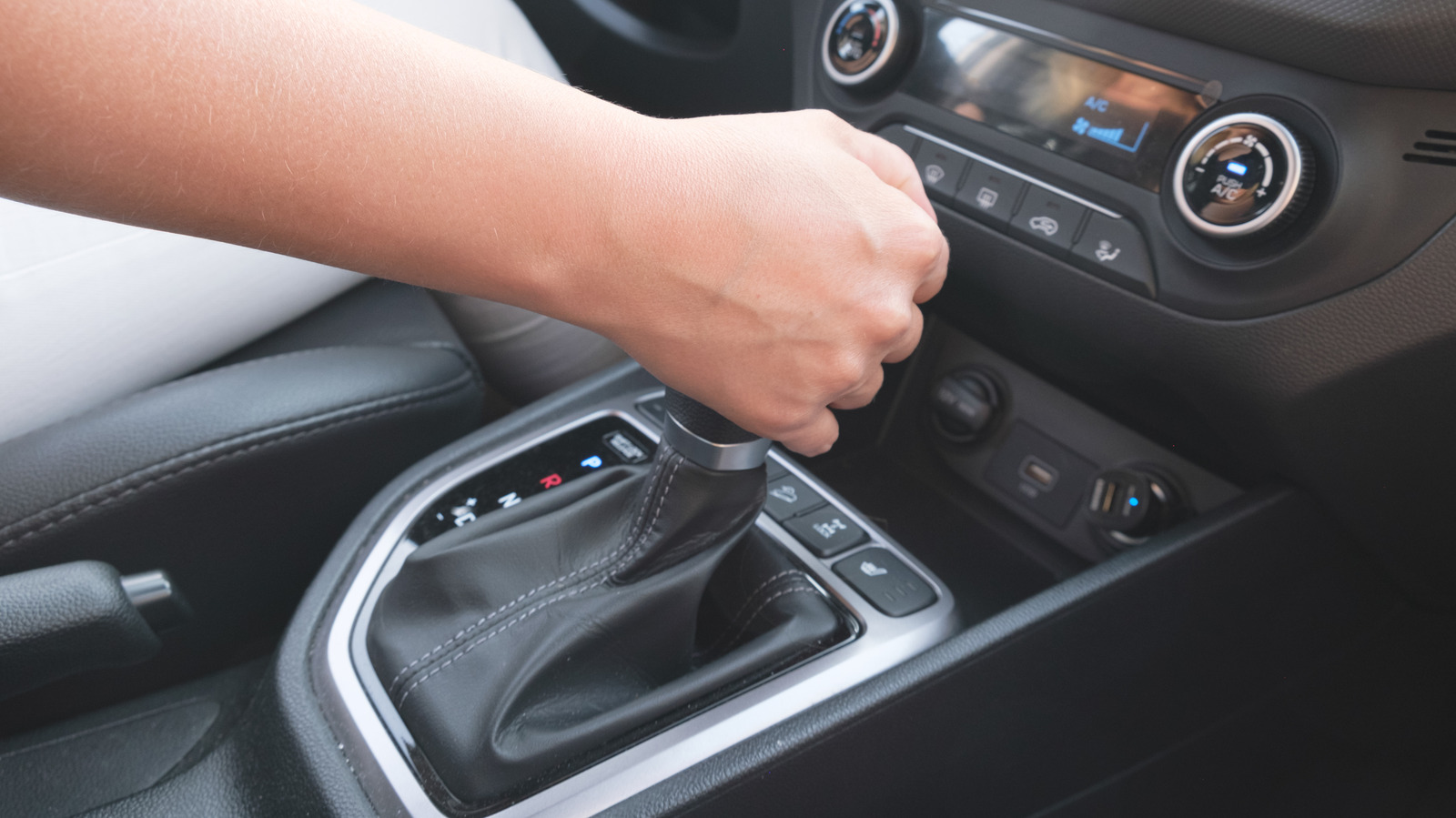
- The Engagement: As the driver pushes the clutch pedal and moves the gear lever from 5th to 2nd, the synchronizers in the transmission attempt to align the speed of the output shaft with the input shaft.
- The Resistance: Because the speed differential is so vast, the synchronizers will likely struggle or fail to mesh the gears smoothly. This often results in a harsh, grinding noise.
- The Re-engagement: If the driver releases the clutch, the engine is physically forced to spin up to the speed required by the wheels in second gear. If the speed is high enough, this required RPM will far exceed the engine’s redline.
- The Catastrophe: The inertia of the engine parts—the pistons, connecting rods, and crankshaft—cannot accelerate to that speed instantaneously. This creates a massive torque spike that travels backward from the wheels, through the transmission, and into the heart of the engine.
Rev Matching: The Professional’s Safeguard
Professional racing drivers and automotive enthusiasts mitigate the risks of downshifting through a technique known as "rev matching" (or "heel-and-toe" downshifting).
Rev matching is the art of synchronizing engine speed with transmission speed before the clutch is fully engaged. When shifting down, the driver performs a quick "blip" of the throttle while the clutch is depressed. This increases the engine’s RPM to the level it will need to be at for the lower gear, allowing the clutch to engage smoothly without the violent jolt of the engine being forced to speed up.
Modern automotive engineering has sought to bridge the gap between human error and mechanical preservation. Many performance vehicles, such as the Ford Mustang GT or various Nissan Nismo models, now feature automatic rev-matching software. Utilizing a suite of sensors, the vehicle’s Engine Control Unit (ECU) detects the gear change and automatically adjusts the throttle to match the engine speed, effectively preventing the shock of a poorly executed downshift.
The Myth of the "Safe-Guard"
A common misconception among newer drivers is the belief that a car’s computer will prevent a dangerous downshift. While it is true that almost all modern fuel-injected engines are equipped with "rev limiters," these systems are often misunderstood.
A rev limiter works by cutting fuel or spark when the engine reaches its maximum safe operating speed during acceleration. However, this is a passive system. It prevents the engine from over-revving due to the throttle being held open. It does not provide a physical barrier against a downshift. If the car is being pushed into a lower gear at high speed, the momentum of the vehicle itself is spinning the engine. In this scenario, the engine is being "mechanically driven" by the wheels. The rev limiter cannot stop the physical movement of the pistons and rods if the wheels are turning the crankshaft at 10,000 RPM when the engine is only rated for 7,000.
The Destructive Implications of Over-Revving
The result of an over-rev event can be total engine failure. When the engine is spun significantly past its redline, the internal forces can lead to several catastrophic outcomes:
- Valve Float: At extremely high RPMs, the valve springs may not be able to close the valves fast enough. If a valve remains open when the piston reaches the top of its stroke, the piston can strike the valve. This leads to bent valves, damaged pistons, and destroyed cylinder heads.
- Connecting Rod Failure: The connecting rods, which link the pistons to the crankshaft, are under immense tension and compression. An over-rev event can cause these rods to stretch or snap. A snapped rod can punch a hole through the engine block, effectively turning the engine into scrap metal.
- Clutch and Transmission Damage: Even if the engine survives, the clutch disc can shatter under the sudden, immense torque, or the transmission gears themselves can be stripped, leaving the vehicle immobilized.
Conclusion: Respecting the Machine
Driving a manual transmission is a skill that requires discipline and practice. While skipping gears during a downshift might seem like an efficient way to slow down or prepare for an exit, the mechanical risks are severe. For the average driver, the golden rule remains: shift in sequence.
If you are slowing down for a turn, transition from 5th to 4th, then 3rd, and finally 2nd as your speed drops. This sequential approach allows the engine to naturally shed RPMs and keeps the drivetrain within its designed parameters. By respecting the mechanical limits of your vehicle and mastering the art of smooth, deliberate gear changes, you not only preserve the life of your engine but also enhance the safety and pleasure of the driving experience.
For those interested in performance driving, learning to rev-match is an invaluable skill. However, until that skill is perfected, the most prudent course of action is to avoid aggressive, out-of-sequence downshifts entirely. Your transmission, your engine, and your wallet will thank you.


 Jia Lissa
 Asro
Asro