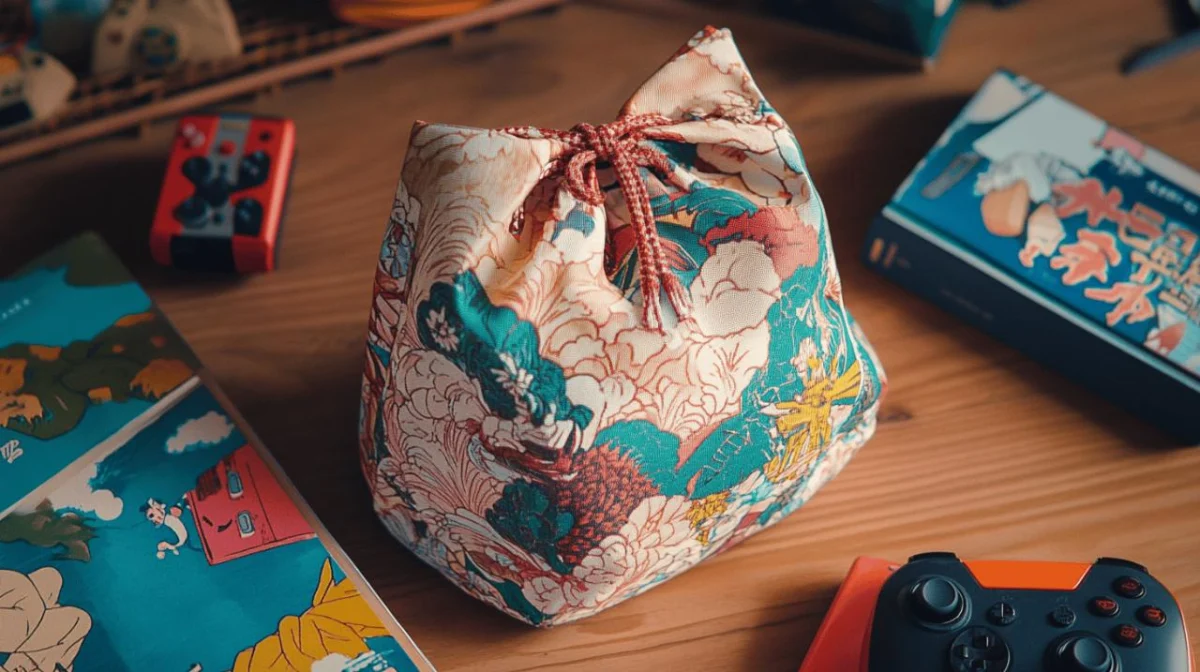
The Japanese tea ceremony, known as Chanoyu or Chadō (The Way of Tea), is far more than a simple act of preparing a beverage; it is a profound, meditative art form rooted in the philosophy of Zen Buddhism. At the heart of this ritual lies a commitment to aesthetic perfection and spiritual discipline. Central to the practical execution of this ceremony—and often overlooked by casual observers—is the ceremonial tea bag (or specialized carrier). More than a mere utilitarian accessory, these vessels are masterfully crafted to protect the fragile, high-value implements required to perform the temae (tea-making procedure). This article explores the historical significance, craftsmanship, and essential role of these bags in preserving the sanctity of the Japanese tea tradition.
The Historical Foundations: From Kamakura to Modernity
The roots of the ceremonial tea bag are inextricably linked to the evolution of the tea ceremony itself. During the Kamakura period (1192–1333), Zen monks returning from China introduced the practice of whisking powdered matcha. As the custom transitioned from monastic ritual to a refined social art among the aristocracy and, eventually, the samurai class, the need to transport delicate equipment—such as the chawan (tea bowl) and natsume (tea caddy)—became paramount.
Chronology of Evolution
- 12th–14th Century (Kamakura/Muromachi): Early monks utilized simple linen pouches to transport basic ceramic bowls and bamboo whisks between temples.
- 16th Century (Momoyama Period): Under the influence of Sen no Rikyū, the tea ceremony was stripped of ostentatious display, favoring the wabi-sabi aesthetic. Bags became more subdued yet technically sophisticated to protect increasingly valuable ceramic tea bowls.
- 17th–19th Century (Edo Period): As tea culture spread to the merchant classes, the design of bags diversified. Regional artisans in areas like Uji began specializing in textiles specifically woven to withstand the rigors of travel while maintaining an elegant appearance.
- Modern Era: While the essence remains unchanged, contemporary artisans now blend traditional hand-weaving techniques with ergonomic improvements to accommodate the modern practitioner’s needs.
The Philosophy of the Vessel: Wa, Kei, Sei, and Jaku
The selection and use of a tea ceremony bag are guided by the four pillars of the Way of Tea: Wa (Harmony), Kei (Respect), Sei (Purity), and Jaku (Tranquility).
When a practitioner selects a bag, they are not merely choosing a container; they are selecting a vessel that reflects their respect for the tools within. A bag crafted with care, utilizing high-quality materials, demonstrates Kei (respect) for the tea master and the guests. The internal organization of the bag promotes Sei (purity) by ensuring that every implement—from the chasen (bamboo whisk) to the chashaku (bamboo scoop)—has a dedicated, clean space, thereby preventing cross-contamination and maintaining the meditative state required for the ritual.
Craftsmanship and Materiality
The production of these bags is a testament to the endurance of Japanese artisanal excellence. Unlike mass-produced alternatives, a traditional ceremonial bag is often the product of weeks of labor.
The Selection of Noble Materials
Artisans prioritize fabrics that offer both durability and aesthetic grace. Silk, often sourced from ethical producers, is the gold standard for its texture and resilience. In regions like Uji, which is world-renowned for its matcha production, the local textile industry has evolved in tandem with tea culture, producing fabrics that are light enough to be portable but dense enough to protect delicate ceramics from thermal shocks and physical impact.
Technical Finishes and Structural Integrity
A high-quality tea bag is defined by its structural integrity. The stitching must be precise, often reinforced to support the weight of heavy stoneware bowls. Modern designers are increasingly focusing on:
- Fermoirs (Fasteners): Using traditional silk cords (kumihimo) that do not scratch the surface of the tea caddy.
- Internal Lining: Utilizing soft, moisture-wicking materials that protect against humidity, which is the primary enemy of matcha-related equipment.
- Compartmentalization: Custom-fitted sections that prevent the chawan from rattling against the natsume, ensuring the longevity of the collection.
Functional Standards: Dimensions and Usage
For the modern practitioner, the choice of a bag is a balance between capacity and minimalism.
Sizing and Ergonomics
The standard dimensions for a comprehensive ceremonial bag typically range between 25 and 30 centimeters in height and 20 centimeters in width. This allows for a "core kit" to be transported:
- Chawan: The primary bowl.
- Chasen: The bamboo whisk, stored in a protective case.
- Chashaku: The scoop.
- Fukusa: The silk cloth used for ritual cleansing.
- Matcha Container: Usually a small ceramic or lacquer jar.
For a Chakai (an informal tea gathering), a smaller, more minimalist pouch is often preferred, reflecting the spirit of "less is more." Conversely, formal Chaji ceremonies may require larger, more structured bags to accommodate a greater variety of utensils.
Maintaining the Vessel: Preservation and Care
Just as the tea implements themselves are treated with reverence, the bag requires a specific regimen of care to remain in pristine condition.
Cleaning Protocols
Traditional wisdom dictates that these bags should never be machine-washed. Instead, dust should be removed with a soft, natural-bristle brush. For surface stains, practitioners are advised to use a clean, white cloth slightly dampened with distilled water. Harsh chemicals are strictly forbidden, as they can degrade the natural dyes and fibers.
Storage and Longevity
When not in use, the bag should be stored in a cool, dry environment away from direct sunlight, which can fade the fabric’s intricate patterns. Many masters suggest stuffing the bag with acid-free tissue paper to maintain its structural form. This practice ensures that when the next ceremony arrives, the bag is not only ready for use but retains the shape and dignity befitting the tea ritual.
Implications for the Global Tea Community
As the Japanese tea ceremony gains popularity globally, the demand for authentic, high-quality equipment has risen. This has created both opportunities and challenges for the industry.
Professional Perspectives
"The bag is the silent guardian of the tea ceremony," notes a prominent tea master from the Uji region. "If we lose the craftsmanship involved in these accessories, we lose the physical bridge between our daily lives and the sacred space of the tea room."
Official responses from cultural preservation boards in Kyoto emphasize the importance of provenance. Consumers are increasingly encouraged to look for pieces that carry the seal of authentic Japanese artisan guilds. This not only supports the local economy of traditional craft hubs but ensures that the spiritual intent behind the product is preserved.
The Future of the Craft
The intersection of technology and tradition offers a new horizon. While some fear that industrialization might dilute the quality, others see an opportunity for "new-traditionalism," where CAD-designed internal structures are wrapped in hand-woven, traditional silks. This synthesis ensures that the bag remains a relevant, functional tool for the 21st-century practitioner while honoring the aesthetic values established in the 12th century.
Conclusion: A Ritual in Every Detail
The ceremonial tea bag is a profound symbol of the Japanese commitment to mindfulness. By organizing the chaos of travel into a disciplined, elegant structure, it allows the practitioner to step into the tea room with a clear mind. Whether it is the subtle floral motif on a silk pouch or the reinforced stitching that keeps a centuries-old bowl safe, every element is a reminder that in the Way of Tea, there are no minor details. To carry the tools of the tea ceremony is to carry the history and the heart of Japanese culture, ensuring that the legacy of Wa, Kei, Sei, and Jaku continues to flourish for generations to come.