Asro
Asro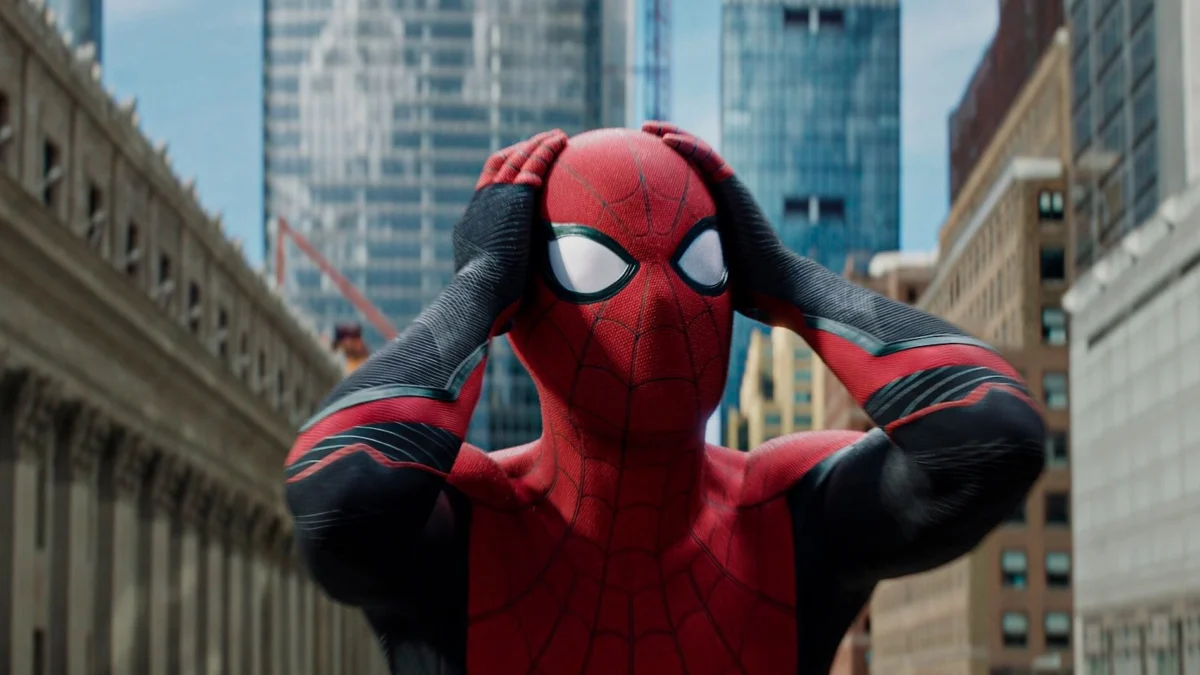
By Rianna De Bono Smith
Published June 16, 2026
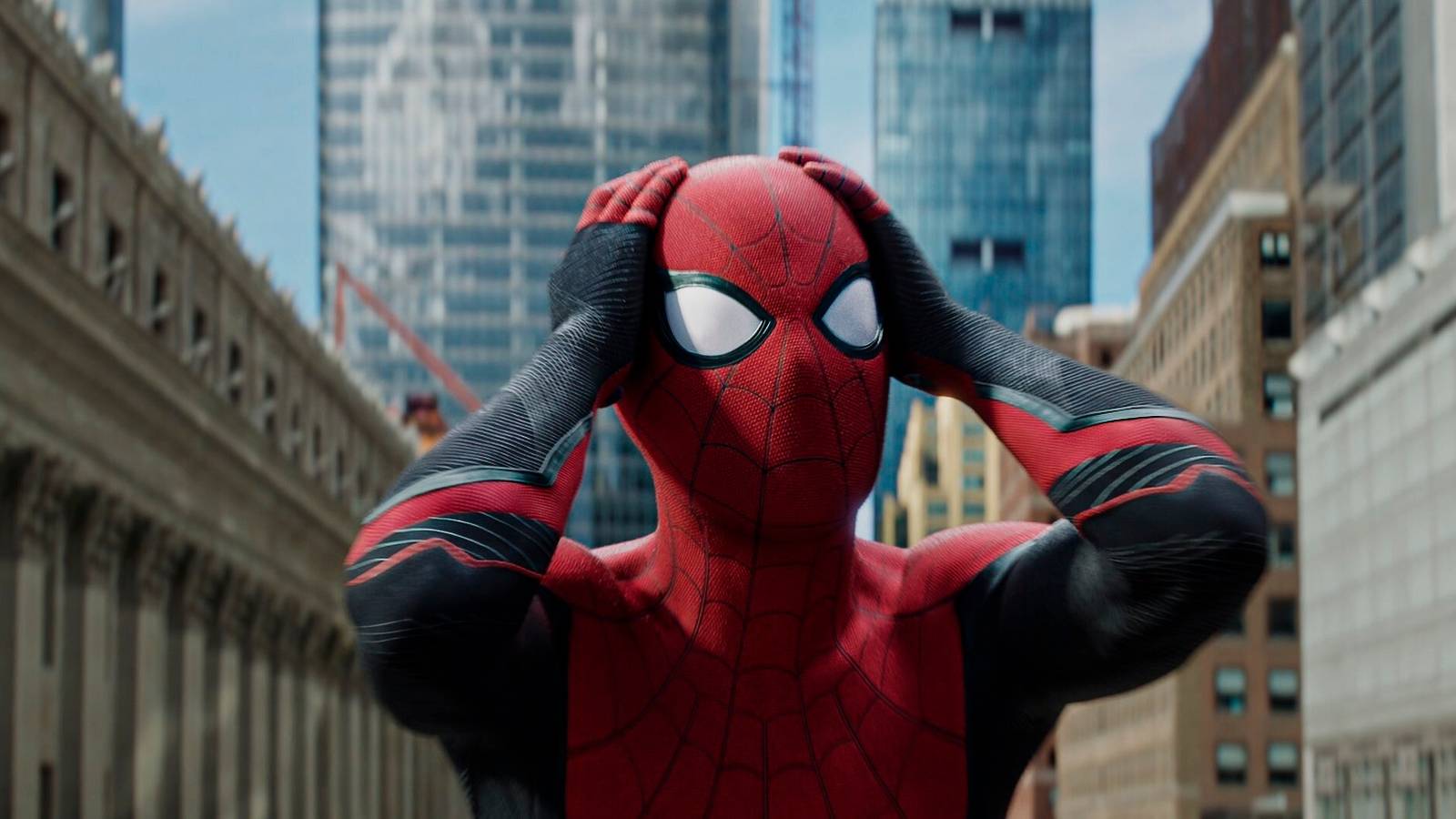
The Marvel Cinematic Universe (MCU) stands at a crossroads. Since his electrifying debut in 2016’s Captain America: Civil War, Tom Holland has become synonymous with Peter Parker, anchoring three solo films and appearing in multiple Avengers blockbusters. However, as the franchise looks toward its next decade of storytelling, questions regarding the longevity of Holland’s tenure as the wall-crawler have intensified. In a surprise development that has sent ripples through the entertainment industry, Holland has publicly identified British rising star Owen Cooper as the ideal successor to don the iconic red-and-blue suit.
The Changing of the Guard: A New Web-Slinger?
The lore of Spider-Man is built upon the foundation of legacy. Created by the legendary Stan Lee and artist Steve Ditko in 1962, Peter Parker’s journey from a nerdy, socially awkward high schooler to a world-saving hero has resonated with generations. While the character has been portrayed by various actors—including Tobey Maguire and Andrew Garfield—Holland’s iteration has been arguably the most integrated into the wider Marvel tapestry.
During a candid interview with Esquire, Holland addressed the inevitable nature of character rotation within the MCU. When asked who might possess the charisma, physicality, and emotional depth required to carry the weight of the Spider-Man mantle, Holland did not hesitate.
"Owen Cooper would be awesome," Holland remarked. "Obviously, he’s super-talented, and he’s the talk of the town right now."
This endorsement from the incumbent Spider-Man is not merely a passing comment; in the high-stakes world of Hollywood casting, it serves as a powerful signal to Marvel Studios executives and casting directors that the torch-passing process is being discussed at the highest levels.
Chronology of a Legacy: From Lee to Holland and Beyond
To understand the weight of this potential transition, one must look at the historical trajectory of the character.
- 1962: Amazing Fantasy #15 introduces Peter Parker, the radioactive-spider-bitten teenager who learns that "with great power comes great responsibility."
- 2002: Sam Raimi’s Spider-Man brings the character to the modern blockbuster era, with Tobey Maguire defining the role for a decade.
- 2012: The Amazing Spider-Man reboots the franchise with Andrew Garfield, focusing on a more grounded, kinetic aesthetic.
- 2016: Tom Holland makes his MCU debut, bringing a youthful, mentorship-heavy dynamic to the character alongside Robert Downey Jr.’s Iron Man.
- 2026: As the MCU enters a new phase of multiversal exploration, speculation reaches a fever pitch regarding the long-term future of the Spider-Man brand.
For six decades, Spider-Man has remained Marvel’s most marketable and culturally significant asset. The transition between actors has historically been a point of contention among fans, yet each iteration has added a new layer to the character’s complex identity.
Owen Cooper: The Rising Star in the Spotlight
Owen Cooper, a young British actor whose recent string of independent projects and breakout performances has garnered critical acclaim, is currently considered one of the industry’s "hottest" commodities. Known for his ability to blend vulnerability with sharp comedic timing—traits essential for any successful Peter Parker—Cooper has been on the radar of major studios for some time.
Industry analysts suggest that Cooper’s trajectory mirrors Holland’s early career path. Much like Holland before he was cast, Cooper possesses a background in rigorous theater training and a physicality that allows him to perform many of his own stunts. His rising profile in the UK and his growing fan base in the United States position him as a natural candidate for a global franchise that requires a face recognizable enough to carry a billion-dollar film, yet grounded enough to sell the "everyman" aspect of the character.
The Economics of the Web-Slinger: Supporting Data
The commercial success of the Spider-Man franchise is unmatched. The most recent installment, Spider-Man: No Way Home, shattered box office records, grossing nearly $2 billion globally. This financial juggernaut status means that any decision regarding the next iteration of the character is scrutinized by investors, marketing departments, and merchandise conglomerates alike.
Data from the last five years indicates a shift in audience demographics. Younger viewers are increasingly drawn to "legacy" characters who undergo transformation. As the MCU looks to refresh its lineup, replacing a veteran lead like Holland with a fresh face like Cooper could serve to revitalize the merchandise line and attract a new cohort of Gen Z and Gen Alpha fans.
Furthermore, the "British Invasion" of the MCU—which has seen actors like Holland, Benedict Cumberbatch, and Charlie Cox lead major projects—suggests that Marvel’s casting directors prioritize a specific blend of classical training and modern screen presence that Cooper exemplifies.
Official Responses and Industry Speculation
While Marvel Studios and Sony Pictures have remained tight-lipped regarding any official casting decisions, the industry buzz is undeniable. Sources close to the production suggest that while Holland is still under contract for future appearances, the studio is actively developing "multiversal" scripts that would allow for a graceful exit for his version of Peter Parker and the introduction of a new successor.
In the wake of Holland’s comments, representatives for Cooper have declined to comment, a standard practice during the sensitive early stages of franchise negotiations. However, internal whispers suggest that preliminary discussions regarding the expansion of the Spider-Man cinematic footprint are already underway.
Critics have noted that the "Holland-Cooper" dynamic mirrors the mentor-mentee relationship seen in the films, suggesting that if Marvel follows this route, the transition could be written directly into the narrative of the upcoming Avengers installments.
Implications: What Does This Mean for the MCU?
The potential casting of Owen Cooper signifies a broader shift in how Marvel intends to handle its legacy heroes. If the studio chooses to replace Holland, it signals a move away from the "Iron Man-era" of the MCU toward a more decentralized, ensemble-based approach.
- Narrative Continuity: A new Spider-Man would need to be integrated into a world that has already seen multiversal incursions. This allows the studio to explore different versions of the hero without erasing the impact of Holland’s contributions.
- Franchise Fatigue: By introducing a new, younger actor, Marvel can reinvigorate the character’s "coming-of-age" themes, which were a cornerstone of the original Lee-Ditko comics but had to evolve as Holland’s Peter Parker aged.
- The Multiverse Factor: The existence of the Spider-Verse—both in live-action and animation—means that the studio doesn’t have to choose between actors. Cooper could exist as a variant, or as a direct successor, providing narrative flexibility that few other franchises enjoy.
As the industry waits for official confirmation, one thing is certain: the conversation surrounding the next Spider-Man has officially shifted from "if" to "who." With Tom Holland’s seal of approval, Owen Cooper has moved to the front of the line, becoming the name to watch in what promises to be the most anticipated casting news of the decade.
The evolution of Spider-Man has always mirrored the evolution of cinema itself—from the pulpy pages of the 1960s to the digital spectacle of the 2020s. Whether Cooper ultimately takes the mantle or serves as a catalyst for a new direction in the franchise, the legacy of the wall-crawler is poised to remain in safe, capable, and undeniably talented hands.
Stay tuned to ScreenRant for further updates as this story develops.

 Nana Wu
 Layla Zulfa