

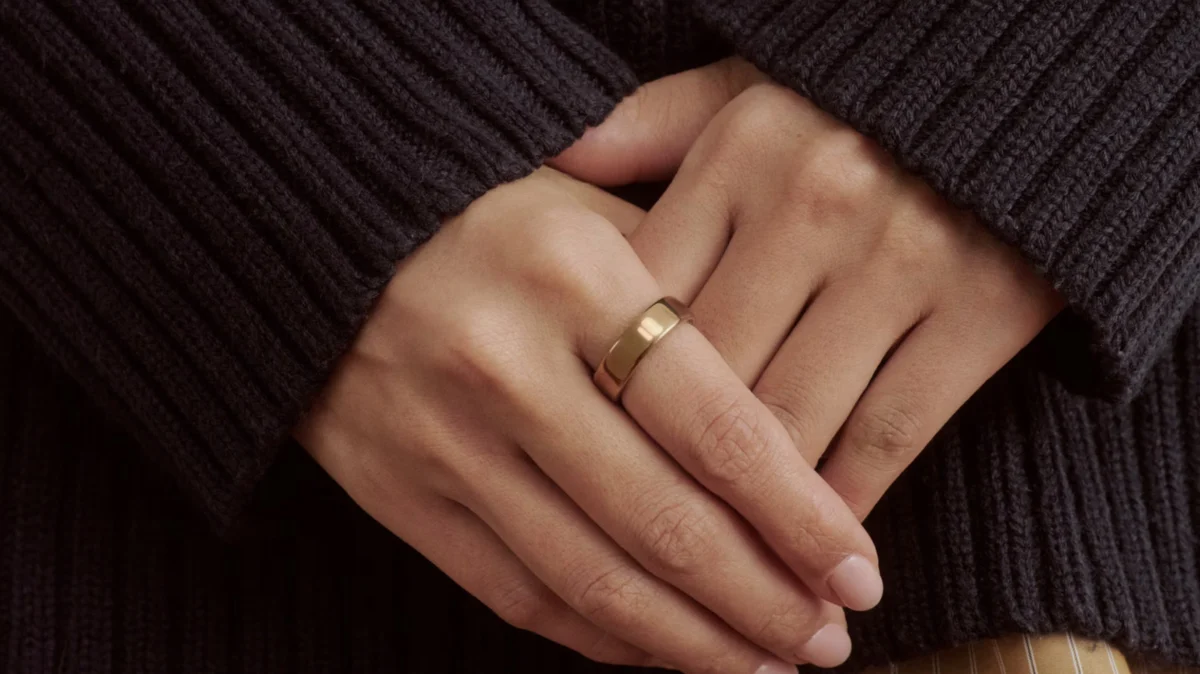
More than a decade after its humble beginnings as a Kickstarter project, Oura has firmly cemented its position as the industry standard for smart rings. As the wearable technology market matures, Oura continues to lead a competitive field that includes tech giants like Samsung and specialized innovators such as Ultrahuman and RingConn. While the company has long been celebrated for producing the premier sleep-tracking hardware on the market, 2026 marks a pivotal pivot in the company’s design philosophy. With the launch of the Oura Ring 5, the brand is officially transitioning from "tech gadget" to "jewelry-like" accessory, aiming to capture a broader audience that prioritizes style just as much as biometric precision.
The Evolution: A Chronology of Innovation
To understand the significance of the Oura Ring 5, one must look back at the company’s trajectory. Oura first gained mainstream attention by proving that high-fidelity health data did not require a bulky, screen-heavy smartwatch.
- 2013-2015: Oura launches its initial Kickstarter campaign, promising to revolutionize sleep science through a minimalist form factor.
- 2018-2021: The brand gains cult status among biohackers and wellness enthusiasts, moving from a niche health device to a household name.
- 2024: The release of the Oura Ring 4 brings significant improvements in sensor accuracy and material science, solidifying the brand’s dominance against the entry of the Samsung Galaxy Ring.
- June 2026: Oura officially unveils the Oura Ring 5, dubbed "the world’s smallest smart ring." This launch represents the brand’s commitment to "invisible tech," ensuring that the hardware disappears into the user’s daily life, functioning as a piece of fine jewelry rather than a piece of clinical equipment.
The Oura Ring 5: Technical Specifications and Aesthetic Shifts
As of June 2, 2026, the Oura Ring 5 is available for pre-order, signaling a new chapter in wearable miniaturization. The device is offered in six distinct finishes. The base models—Black and Silver—are priced at $399, while the premium Stealth, Brushed Silver, Gold, and Deep Rose editions retail for $499.
Dimensions and Ergonomics
The most striking feature of the Oura Ring 5 is its physical profile. Compared to the already impressive Oura Ring 4, the Gen 5 model is approximately 40% smaller in volume. The width has been pared down from 7.9 mm to a remarkably slim 6.09 mm.
Weight-conscious users will appreciate the reduction in mass; while the lightest Oura Ring 4 weighed in at 3.3 grams, the Oura Ring 5 drops to just 2 grams. This makes the ring significantly lighter and more unobtrusive than its primary competitor, the Samsung Galaxy Ring. By prioritizing a "daintier" aesthetic, Oura is clearly targeting the fashion-conscious consumer who may have previously found smart rings too cumbersome for everyday wear.
Enhanced Connectivity and Battery Efficiency
The technical leap isn’t just external. The Oura Ring 5 boasts an expanded ecosystem, now supporting integration with over 100 third-party applications, a massive jump from the 40+ apps supported by the Gen 4.
Battery life, often the Achilles’ heel of wearable tech, has also seen an incremental boost. While the Oura Ring 4 offered a solid five-to-eight-day battery life, the Gen 5 pushes this to nine days. Furthermore, the updated Charging Case is a feat of power management: a 10-minute charge provides a full day of usage, and the case itself can recharge the ring five times over, ensuring that the device remains operational during extended travel.
Supporting Data: Why Small Matters
In the world of wearable health tech, the "Form Factor Paradox" is a significant hurdle. Users want powerful sensors, but they also want the device to be small enough to wear while sleeping, exercising, and working.
Oura’s internal data suggests that user adherence—the likelihood that a customer will wear the device 24/7—correlates directly with the comfort of the ring. By reducing the width by nearly 2 mm and cutting the weight by over a third, Oura is aiming to increase "wear-time compliance." The more a user wears the ring, the more longitudinal data is captured, which in turn leads to more accurate insights regarding sleep architecture, stress levels, and recovery metrics.
Official Stances and Industry Implications
Oura’s messaging regarding the Ring 5 is focused on the concept of "delicate utility." In official press releases, the company emphasizes that the design language—specifically the introduction of the Deep Rose finish—is a direct response to feedback from a demographic that felt the previous, more utilitarian designs were too masculine or bulky.
Industry analysts suggest that this move is a strategic defense against Samsung. By leaning into the "jewelry" aesthetic, Oura is carving out a defensive moat. While tech giants like Samsung have the manufacturing power to produce massive quantities of smart rings, Oura is betting that its history of wellness-focused data science and its pivot toward high-end jewelry will keep it relevant to the premium consumer segment.
Implications: Is the Upgrade Worth It?
For the average consumer, the release of the Oura Ring 5 prompts an important question: Does the hardware change warrant a new purchase?
The Case for Staying with Gen 4
Both the Oura Ring 4 and the Oura Ring 5 share the same fundamental DNA:
- Materiality: Both are crafted from seamless, high-grade titanium.
- Durability: Both are water-resistant up to 328 feet (100 meters).
- Charging: Both models share an identical charging window of 20 to 80 minutes.
If your primary goal is to track macro-trends in your sleep or activity, the Oura Ring 4 remains a top-tier performer. With the older model now available for $349—a $50 savings over the base Gen 5—it represents a better value proposition for the budget-conscious user.
The Case for the Upgrade
However, the Oura Ring 5 is designed for the user who views their wearable as a lifestyle accessory. If the current form factor of your existing tracker feels too heavy, or if you are deeply invested in the integration of a wide array of fitness and health applications, the ergonomics and connectivity of the Gen 5 are objectively superior.
A Note on the Subscription Model
Regardless of whether you choose the Oura Ring 4 or the Ring 5, consumers must remain cognizant of the ongoing costs. Oura’s business model relies on a monthly or annual subscription service to unlock the full suite of data insights. Before investing in the hardware, users should reflect on whether they will actually utilize the granular health data. If your tracking needs are limited to basic step counting or total sleep time, free smartphone apps may provide sufficient data without the added cost of a wearable subscription.
Conclusion: The Path Forward
The Oura Ring 5 is more than just a minor hardware refresh; it is a statement of intent. As we move into the latter half of the decade, the line between technology and fashion is dissolving. By successfully shrinking the hardware while simultaneously increasing battery efficiency and app integration, Oura is attempting to set a new ceiling for what a smart ring can be.
For the early adopters and the style-conscious, the Ring 5 is the most refined iteration of health tracking to date. For the pragmatic user, the legacy of the Oura Ring 4 proves that the brand’s core technology remains robust and reliable. As the pre-orders begin to ship and real-world performance data starts to emerge, the true measure of the Oura Ring 5 will be whether its "jewelry-first" approach can finally bring smart rings into the wardrobes of the mainstream public.












No comments yet. Be the first to join the conversation!