

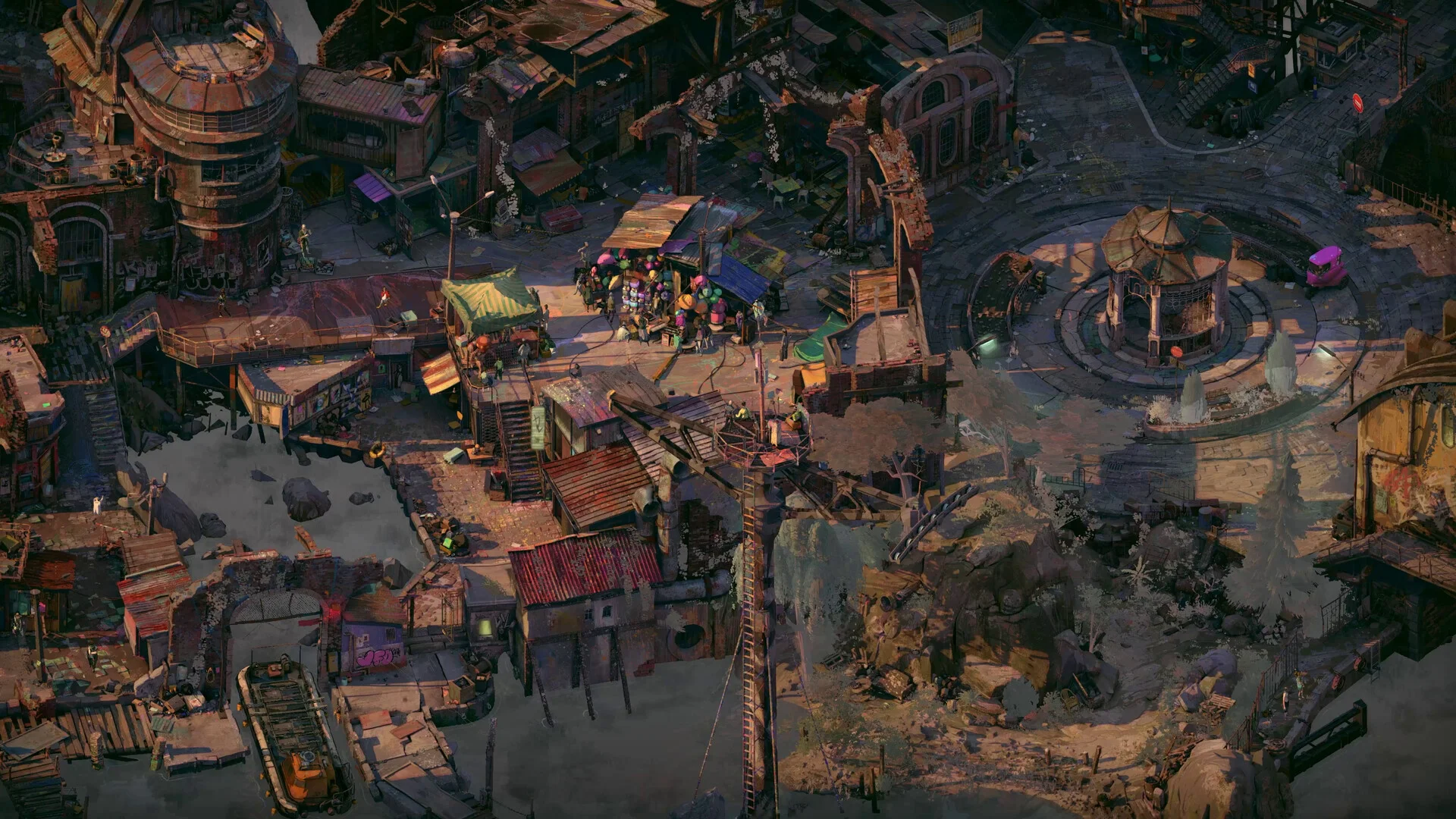
When Disco Elysium debuted in 2019, it was not merely released; it arrived as a seismic event in the landscape of interactive fiction. By recontextualizing player agency and externalizing the fractured psyche of protagonist Harry Dubois into anthropomorphized mental faculties, the game shattered the conventions of the RPG genre. It balanced heady, existentialist philosophy and dense political theory with a biting, often crude, sense of humor. In the years since, the legacy of that title has become inextricably linked with a narrative of corporate turmoil, making the arrival of ZA/UM’s latest offering, Zero Parades: For Dead Spies, a complex, melancholic affair.
A Legacy of Turmoil: The Chronology of ZA/UM
To understand Zero Parades, one must first acknowledge the fraught history of the studio that produced it. The period following Disco Elysium’s release has been characterized by what many consider a "brain drain" of unprecedented proportions within the indie sector.
In October 2022, the industry was shocked by the firing of the game’s core creative leadership: Director and Lead Writer Robert Kurvitz, Lead Writer Helen Hindpere, and Art Director Aleksander Rostov. This purge was followed by the systematic dismissal of other key contributors, including writer Argo Tuulik, amidst the cancellation of several internal projects. ZA/UM, now firmly under the control of investors Tonis Haavel—a figure previously convicted of financial crimes—and Ilmar Kompus, has faced persistent allegations of fraud and the forced acquisition of intellectual property from its original creators.
For a studio that once represented the pinnacle of artistic independence, the transition to a corporate-controlled entity was underscored by tone-deaf merchandising, most infamously the $165 plastic bag. Given this backdrop, Zero Parades: For Dead Spies enters a market already deeply skeptical of its parent company’s intentions.
The Narrative Landscape: Portofiro and the Cold War
Zero Parades moves the action away from the decaying streets of Martinaise to Portofiro, a fictional city-state serving as a microcosm of the 1970s and 80s Cold War era. The protagonist, Hershel Wilk (codenamed CASCADE), is a field operative for the "Communist Superbloc" returning to duty after a five-year exile in the archives.
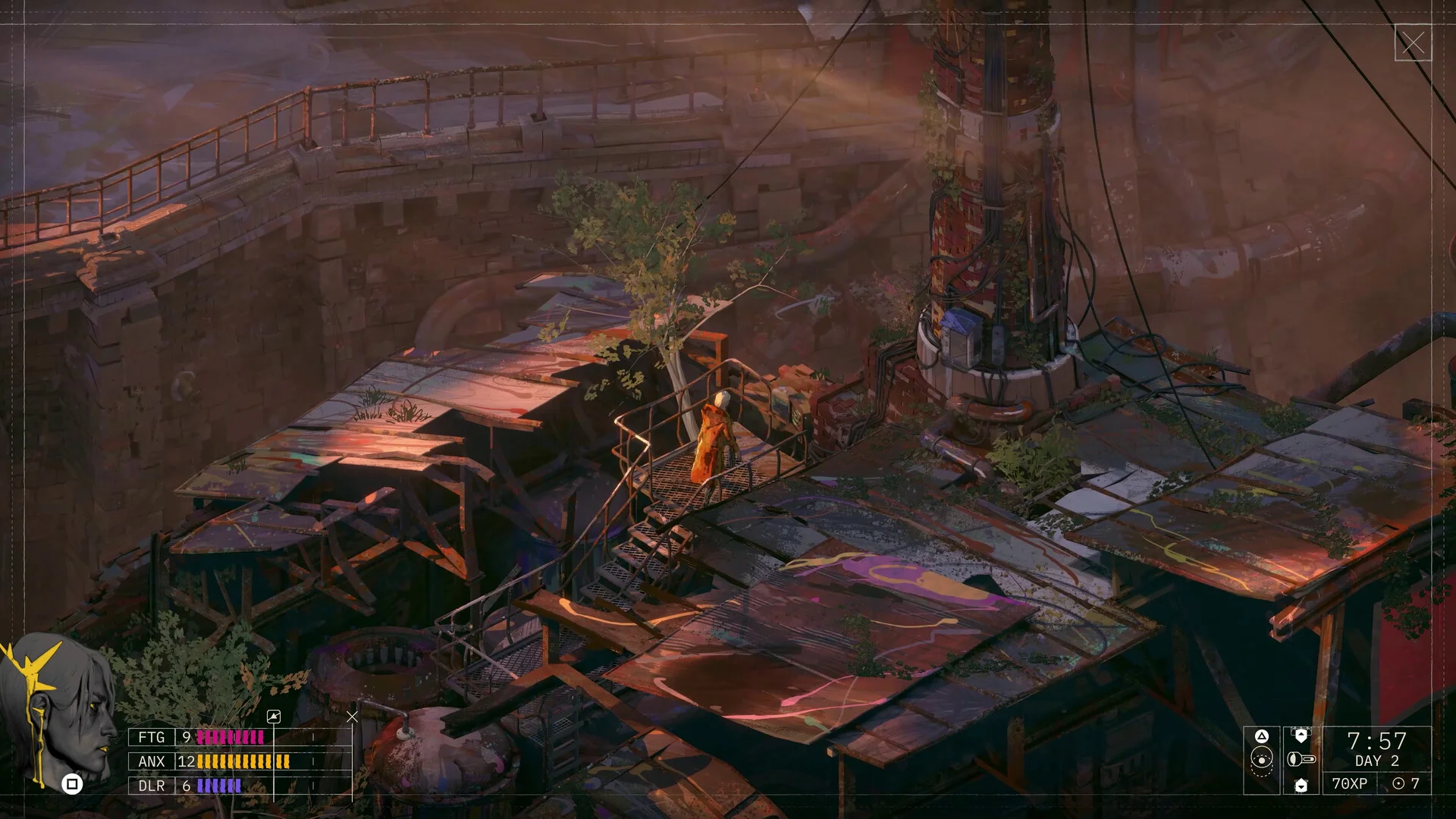
The game’s setting is undeniably compelling. Portofiro is a fusion of Mediterranean aesthetics and Latin American political history, heavily influenced by the rise and fall of "Nestorism"—a nationalistic, populist ideology akin to Argentina’s Peronism. The narrative pits three global power structures against one another: the Communist Superbloc, the techno-fascist expansionist empire of La Luz, and the neoliberal banking behemoth EMTERR.
The game effectively depicts the mechanisms of soft power. La Luz wields cultural hegemony, flooding the bazaar with fast fashion and animated media, while EMTERR utilizes the crushing weight of debt, predatory loans, and financialization to dismantle local sovereignty. In this theater of subversion, the player’s goal is to maintain the status quo, ensuring that Portofiro does not fall entirely into the hands of the opposing empires.
Mechanics and the Shadow of the Predecessor
Despite the change in setting, Zero Parades struggles to escape the structural gravity of Disco Elysium. The game employs a similar "espionage RPG" framework, but the marriage of mechanics and narrative often feels dissonant.
In Disco Elysium, the protagonist was a disheveled detective whose bumbling investigations were a core gameplay loop. In Zero Parades, Hershel is a trained spy; yet, the game demands the same level of open, conspicuous social interaction and dumpster-diving for consumables. It creates a ludonarrative disconnect: why is a high-level operative drawing attention to herself by scavenging trash or engaging in long-winded, philosophical diatribes with random passersby in hostile territory?
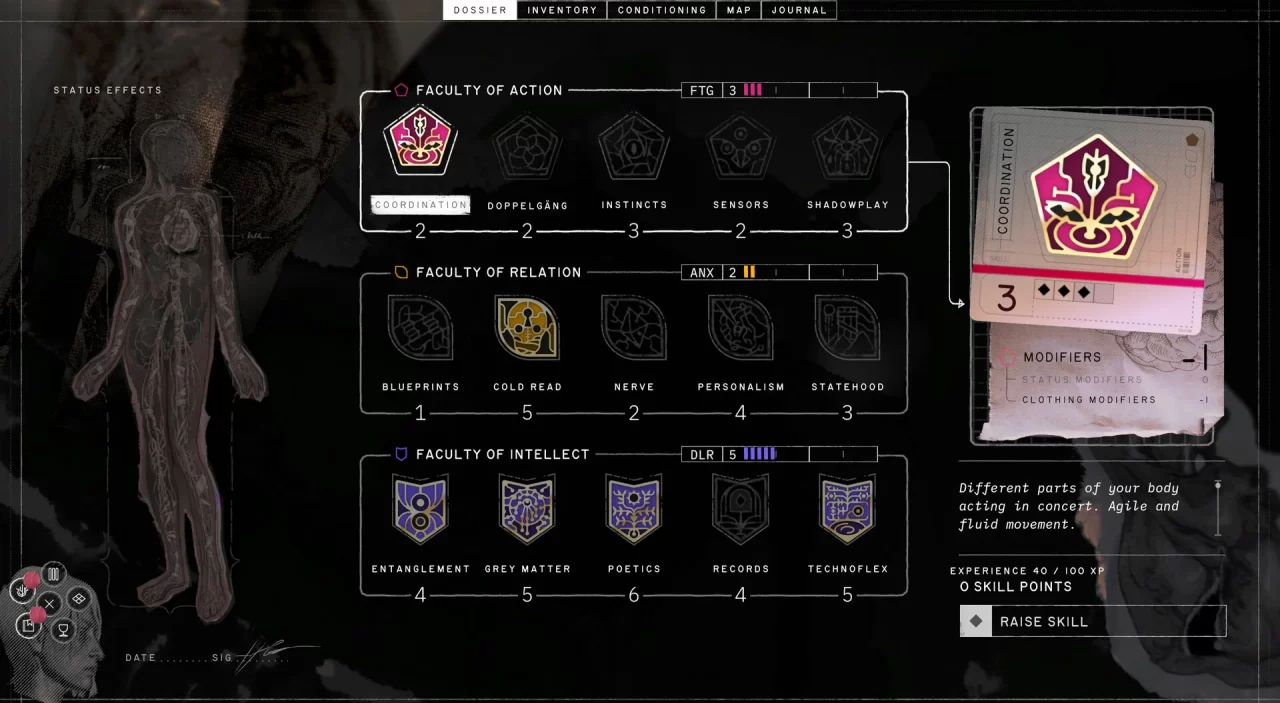
The skill system, while robust, feels like a lateral move. "Conditioning" replaces the "Thought Cabinet," but the internal logic remains largely the same. The introduction of "Delirium," "Fatigue," and "Anxiety" meters adds a layer of management that is punishing in the early game but becomes a triviality once the player accumulates enough equipment.
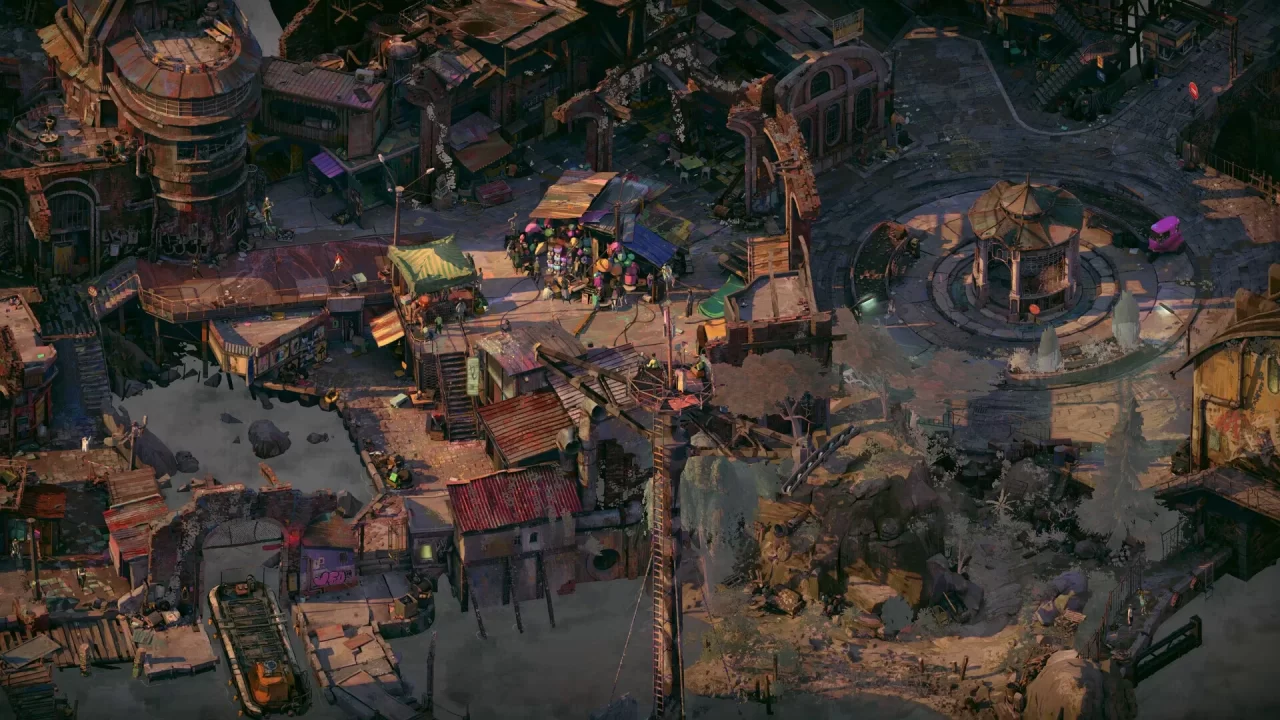
Furthermore, the game fails to replicate the brilliance of Disco Elysium’s failure states. In the original title, failing a skill check was often more interesting than succeeding, pushing the narrative into strange, unexpected directions. Zero Parades leans into a more traditional "gated" structure, where failure simply halts progress until a stat check can be repeated or an alternative path is found. This reliance on the player’s persistence—and the introduction of a metatextual "manual save restriction" for stat bonuses—feels like a concession to standard RPG design rather than the bold, subversive experimentation that defined the studio’s earlier work.
Official Responses and the "Same People" Myth
The marketing for Zero Parades has relied heavily on the narrative that the "soul" of the studio remains intact. In an interview with IGN, writer and voice-over director Jim Ashivel stated, "Since such a large number of the key players that built Disco Elysium are here… it just didn’t make sense for us to disregard that part of our experience."
However, official studio communications, including statements from current head Allen Murray, are often viewed as disingenuous by the community. While Murray notes that roughly 35% of the development team worked on Disco Elysium or its Final Cut, this statistic obscures the departure of the primary visionaries. The absence of the original writing team—Kurvitz, Hindpere, and their peers—is palpable. The writing in Zero Parades often feels like a pastiche, attempting to mimic the esoteric, neurotic inner monologue of Harry Dubois without capturing the underlying, genuine human pathos.
The inclusion of anachronistic references—such as TikTok-style "shifting" or modern "Buy Now, Pay Later" microcredit schemes—in a setting that is otherwise strictly analog, further serves to undermine the immersion. These choices feel like superficial nods to modern internet culture rather than substantive commentary on the era the game purports to inhabit.
Implications: The Industry and the Artist
The ultimate tragedy of Zero Parades is not that it is a "bad" game—it is, by most metrics, a polished, competent, and occasionally brilliant experience. The tragedy is that it is a product of an industry that prioritizes intellectual property over the people who create it.
The story of Zero Parades is a blueprint for modern AAA development: mass layoffs, the abandonment of long-term artistic projects, and the repurposing of existing tools and templates to churn out "franchise" content. When we analyze Zero Parades, we are witnessing the institutionalization of an artistic movement.
The game’s failure to fully "stand on its own" is a direct result of its creation within a vacuum where the original architects of its predecessor are no longer welcome. The developers remaining at ZA/UM are undeniably talented, but they are working within a structure designed for them by others, creating a work that feels like a ghost haunting its own machine.
Conclusion: A Future in the Balance
As the credits roll on Zero Parades: For Dead Spies, the player is left with a sense of emptiness. The game illustrates the mechanics of how communities are destroyed by global powers, but it fails to articulate why the characters sacrifice their humanity to facilitate that destruction.
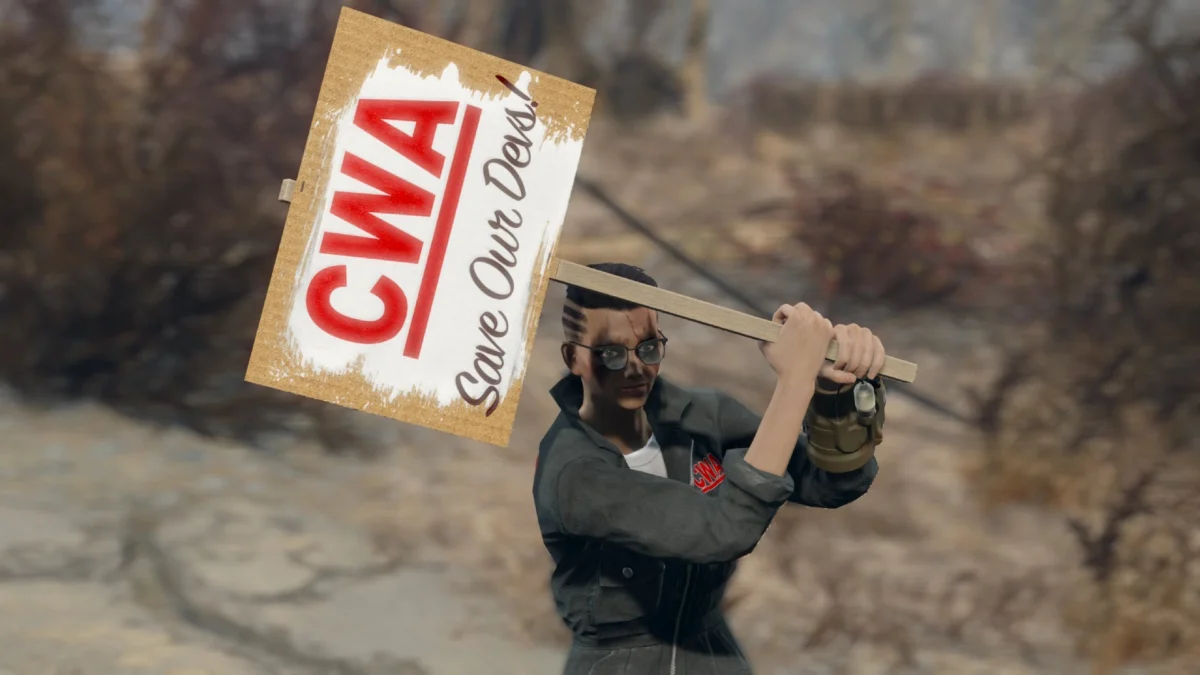
Yet, there is a glimmer of hope. The recent unionization of the workforce at ZA/UM—a pioneering move for the British gaming industry—suggests that the power dynamic within the studio may be shifting. If the industry is to move past the era of disposable talent and hollowed-out franchises, it will be because of the collective bargaining and resistance of the workers themselves. Zero Parades serves as a poignant reminder that we must value the hands that build our worlds, for without them, even the most beautiful art becomes merely another piece of corporate inventory.











No comments yet. Be the first to join the conversation!