Nana Muazin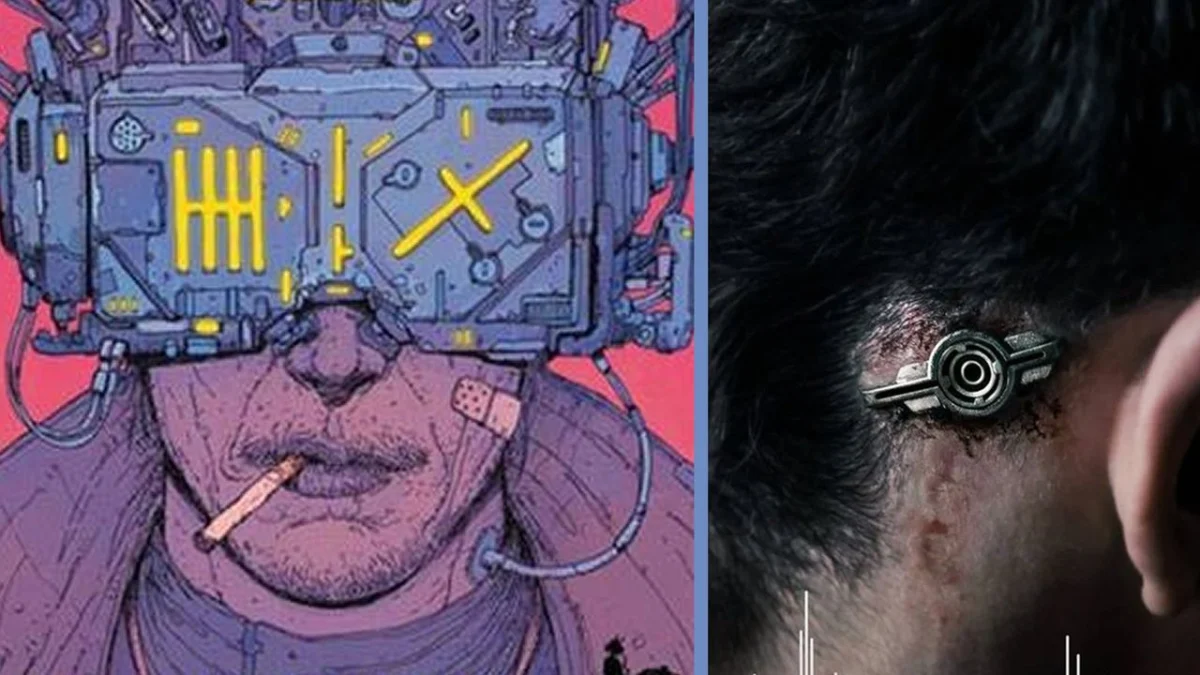
For four decades, William Gibson’s Neuromancer has sat atop the pantheon of science fiction as the "holy grail" of adaptation—a seminal, genre-defining work that effectively birthed the cyberpunk aesthetic and predicted the architecture of the modern internet. Yet, despite its monumental status, the novel has remained notoriously resistant to the screen. Now, Apple TV+ is mounting a ten-episode series to attempt what many thought impossible. With J.D. Dillard (Sleight, Devotion) and Graham Roland (Dark Winds) at the helm, the industry is watching with a mixture of breathless anticipation and deep-seated skepticism.
The Weight of History: A Chronology of Failed Visions
The journey of Neuromancer from page to screen is a graveyard of "might-have-beens." Since its publication in 1984, the novel has haunted Hollywood, serving as a siren song for visionary directors who found themselves unable to reconcile its dense, abstract prose with the limitations of visual media.
- The Early 90s Struggle: Following the release of Johnny Mnemonic (1995)—a film based on a Gibson short story set in the same universe—the commercial and critical disappointment of that project cast a long shadow over the Neuromancer IP. It proved that capturing Gibson’s "high tech, low life" ethos was a tall order for the era’s CGI capabilities.
- The Development Hell Era: In the early 2000s, British director Chris Cunningham, known for his groundbreaking music videos for Aphex Twin and Björk, spent significant time developing a version that promised to be a surreal, visceral experience. It ultimately folded. He was followed by a revolving door of high-profile names, including Chuck Russell (The Mask) and Vincenzo Natali (Cube), all of whom failed to secure the necessary backing to bring the Sprawl to life.
- The Modern Pivot: Most recently, Deadpool director Tim Miller spent years attempting to shepherd a feature-film version. When those efforts stalled, the project shifted toward the episodic format, eventually landing at Apple TV+. The transition to a ten-episode series is perhaps the most strategic decision made in the property’s history; it allows for the "breathing room" required to explain the novel’s complex lore, something a two-hour film could never achieve.
Decoding the Aesthetic: The Poster Controversy
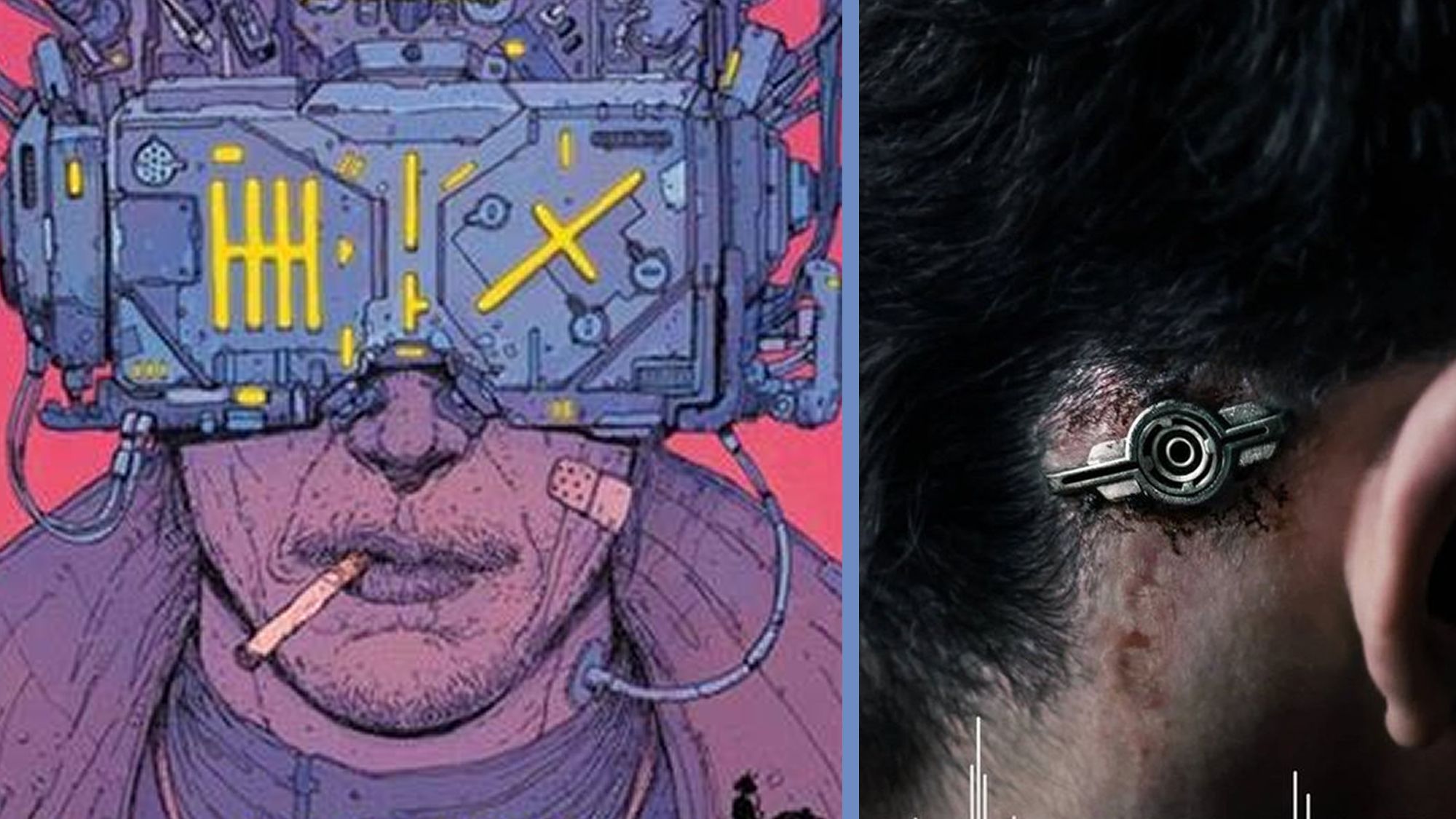
Apple TV+ recently dropped its first teaser art for the project, and it has already ignited a firestorm of debate within the fandom. The design is minimalist, relying on a stark, retro-futuristic font that echoes the dripping, binary aesthetics of late 20th-century terminal screens.
However, the imagery itself—a close-up of a human ear with a metallic port—has raised eyebrows. In the original text, the protagonist, Case, connects to the digital plane of "cyberspace" using electrodes rather than a permanent, implanted socket. Fans on platforms like Reddit have been quick to point out this discrepancy, with some speculating that the image might actually depict a secondary character like Larry, a "microsoft" dealer who possesses such hardware.
This debate touches on a larger tension: the desire for fidelity versus the necessity of modernization. While purists argue that the port is a departure from Gibson’s original vision, others note that visual shorthand is essential for television. In a post-Matrix and post-Black Mirror world, a "jack-in" port is an instantly recognizable piece of visual language that communicates "cyberpunk" to a modern audience in a way that static-filled electrodes might not.
Bridging the Gap: Modernizing the Sprawl
The decision to adapt Neuromancer in 2024 requires a delicate balance. William Gibson’s 1984 vision of the future was grounded in the technology of the 1980s—payphones, physical data cartridges, and a world where the "internet" was a terrifying, nascent frontier. Today, those elements feel like a retro-future aesthetic rather than a prophecy.
The "Anachronism" Problem
Updating the tech is a double-edged sword. If the showrunners lean too heavily into modern aesthetics—smooth touchscreens, wireless cloud computing, and sleek AR—they risk losing the "grimy", tactile, industrial decay that defines the Sprawl. The beauty of Neuromancer lies in its grit; it is a world of rusted steel and flickering neon, not the pristine glass towers of contemporary Silicon Valley.
Why the Story Remains Relevant
Despite the aging technology, the thematic core of Neuromancer is arguably more relevant now than it was during the Cold War. Gibson’s exploration of autonomous AIs, the blurred line between human consciousness and digital existence, and the rise of mega-corporations that wield more power than sovereign nations are the defining issues of the 21st century. By focusing on these moral quandaries rather than the specific mechanics of the hardware, Dillard and Roland have a chance to transcend the "dated tech" issue entirely.
The Architectural Challenge: Translating Cyberspace
The greatest hurdle for the Apple TV+ team is the visual representation of cyberspace. In the novel, Gibson describes it as a "consensual hallucination," a non-geometric landscape of data visualization.
In the 80s, readers had to imagine this space. Today, audiences have been saturated with digital visualizations of the internet, from Tron to Ready Player One. To succeed, the production team must create a visual language for the digital plane that feels as dangerous, alien, and addictive as it did in the book. If the series succeeds in this, it could set a new visual standard for science fiction, just as the novel did for literature.
Implications for the Genre
The success or failure of Neuromancer will have significant ripple effects for the genre of "hard" science fiction on streaming services. Apple TV+ has established itself as a home for high-concept, high-budget sci-fi (Foundation, Severance, For All Mankind), and Neuromancer is its most ambitious swing to date.
If they can successfully adapt the Sprawl, it opens the door for the rest of the trilogy—Count Zero and Mona Lisa Overdrive. Furthermore, it validates the shift toward prestige television as the primary home for dense, intellectual science fiction that requires long-form storytelling.
Conclusion: The Final Verdict Awaits
The skepticism surrounding this project is not a sign of negativity, but a testament to how deeply Neuromancer has permeated the cultural consciousness. It is a work that belongs to its readers as much as its author.
As we await a release date, the question remains: Can a television show capture the "vibe" of a book that was essentially a mood piece about the end of the human era? We have the cast, the budget, and the format. What remains to be seen is whether Dillard and Roland can inject the same "ghost" into the machine that William Gibson did forty years ago. For now, we are all just waiting to jack in.


 Sagoh
Sagoh
 Lina Irawan