Nila Kartika Wati
Main Facts
Bungie’s highly anticipated extraction shooter, Marathon, has officially launched, marking a significant moment for the renowned studio known for its work on Halo and Destiny. However, the initial player engagement on Steam has presented a nuanced picture, with the game failing to replicate the robust concurrent player numbers achieved during its preceding "Server Slam" open test. While the pre-launch event garnered a peak of over 143,000 concurrent players, the full release has, so far, peaked at approximately 88,000, raising questions about immediate market penetration despite largely positive user reviews. This disparity between a free public test and a paid product’s launch performance contrasts sharply with recent industry precedents and sets a cautious tone for Marathon‘s early trajectory in the fiercely competitive live-service gaming landscape.
A Rocky Road to Launch: Chronology of Development
The journey for the revival of Marathon has been anything but smooth, characterized by a series of internal and external challenges that underscore the complexities of modern game development, particularly for a high-profile title from a studio like Bungie. Originally announced in 2023, the project was revealed to be a complete reimagining of Bungie’s classic 1994 sci-fi first-person shooter series, pivoting from its narrative-driven roots to embrace the popular extraction shooter genre. This ambitious shift immediately garnered attention, but also skepticism from long-time fans of the original trilogy, which laid foundational groundwork for Bungie’s future successes.
Early development was reportedly fraught with difficulties, leading to what sources close to the project described as "at least one internal reboot." Such reboots often signify fundamental shifts in design philosophy, core mechanics, or even engine choices, costing valuable development time and resources. This process can be disruptive but is sometimes deemed necessary to realign a project with its strategic goals or address foundational issues identified during prototyping. For Marathon, this likely meant significant revisions to its gameplay loop, progression systems, and perhaps even its art direction, aiming to craft a compelling experience that could stand out in a burgeoning genre.
Adding to the development hurdles were "a couple of delays," a common occurrence in the industry but one that can further strain resources and public anticipation. Each delay pushes back release windows, potentially clashing with other major titles and impacting marketing strategies. For Marathon, these delays may have been linked to the internal reboots, the need for extensive polishing, or ensuring server infrastructure stability for a live-service title.
Perhaps the most unexpected external challenge came in the form of a "plagiarism lawsuit." While details remain sparse in public reports, such legal entanglements can be incredibly distracting and costly for a development studio. Lawsuits related to intellectual property, design elements, or even marketing materials can halt progress, divert legal teams, and cast a shadow over a game’s public image. While Bungie navigated this challenge, the cumulative effect of these obstacles undoubtedly contributed to a prolonged and arduous development cycle, ultimately shaping the version of Marathon that has now reached players’ hands. These preceding events form a critical backdrop against which the game’s initial launch performance must be evaluated, highlighting the immense effort and tribulations involved in bringing this particular title to fruition.
The Server Slam: A Precursor to Mixed Fortunes
In the weeks leading up to Marathon‘s official launch, Bungie strategically orchestrated a "multi-day Server Slam" event. This open test served multiple critical purposes: stress-testing the game’s server infrastructure, gathering crucial telemetry data on player behavior, identifying bugs, and, perhaps most importantly, generating pre-release hype and collecting community feedback. Unlike closed betas, the Server Slam was open to anyone interested, offering a generous slice of the game’s content, including access to "almost all of its classes, two of its maps, as well as many of its gameplay and progression systems."
The event proved to be a resounding success in terms of player engagement. Tracking platforms like SteamDB reported an impressive peak of 143,621 concurrent players on Steam. This figure was not only robust on its own but also placed Marathon within striking distance of the concurrent player peaks achieved by the pre-launch tests of its perceived "chief competitor," Arc Raiders, another extraction shooter. The Server Slam’s performance indicated a strong initial interest in Bungie’s new IP, suggesting that the concept resonated with a significant portion of the PC gaming audience.
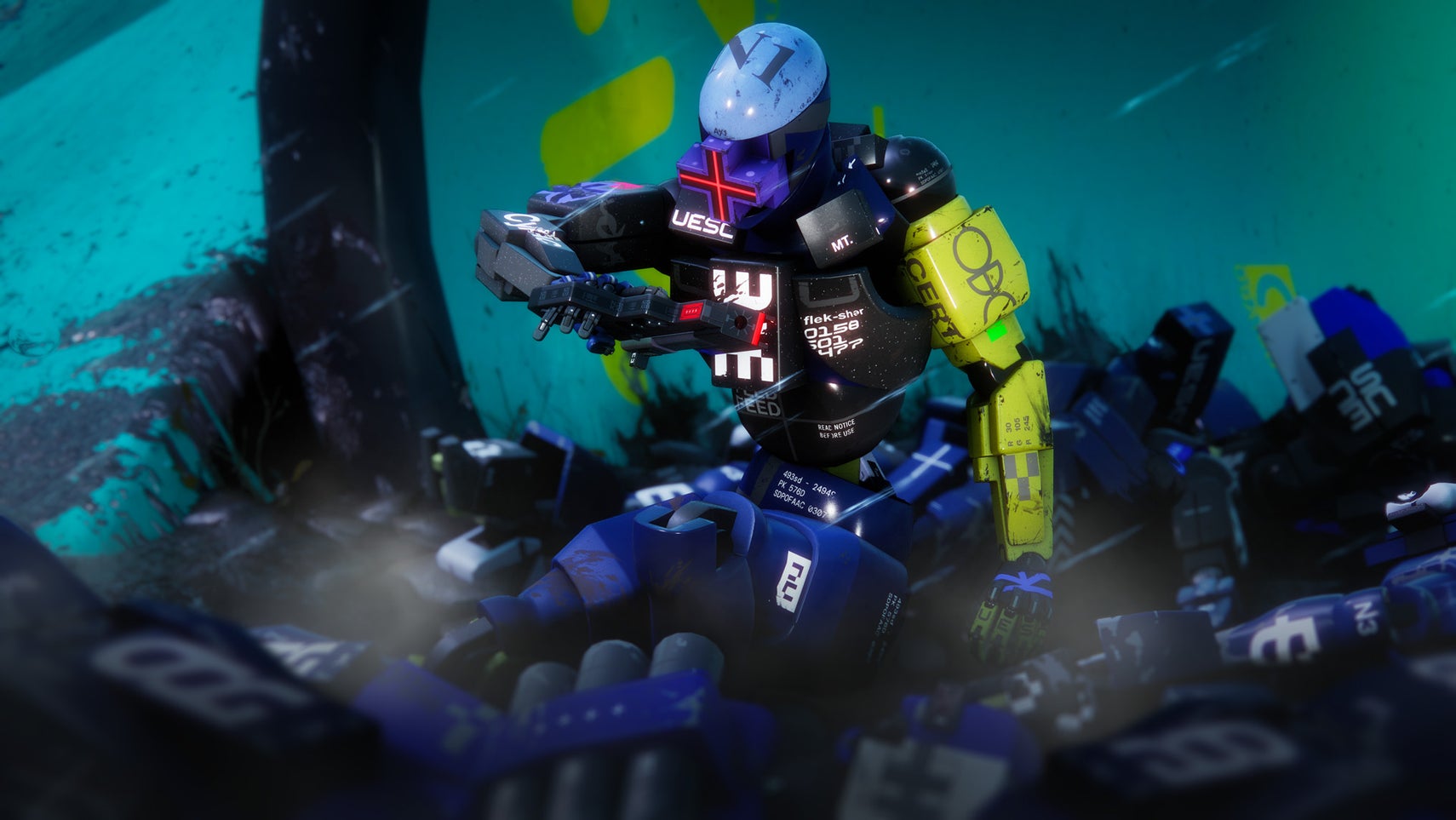
The positive reception and high player turnout during the Server Slam naturally fostered a sense of optimism, both within Bungie and among the player community. Many interpreted the strong engagement as a harbinger of a successful full launch, assuming that a free, time-limited test would logically attract fewer players than the eventual complete, persistent game. The Server Slam successfully introduced Marathon‘s unique take on the extraction shooter formula, showcased its refined gunplay—a Bungie hallmark—and gave players a taste of its distinctive sci-fi aesthetic. This successful preliminary showing set a high bar, shaping expectations for the official release and creating a hopeful narrative that the game was poised for a strong debut.
Launch Day Reality: Unpacking the Numbers
With the anticipation built by a successful Server Slam, the official launch of Marathon presented a somewhat different picture in terms of immediate player uptake. Upon its full release, the Bungie shooter recorded a peak of 88,337 concurrent players on Steam, according to data compiled by SteamDB. While a respectable figure for a new IP, this number represents a significant drop compared to the 143,621 concurrent players who participated in the free Server Slam event. This means that at its peak, the paid launch attracted only a little over half of the players who sampled the game during its open test phase.
This disparity is particularly noteworthy because, in the conventional lifecycle of a game release, especially a paid product following a free demo, one typically expects the full launch to surpass the numbers of its precursor. The free test serves as a funnel, converting interested samplers into paying customers. When the full release draws fewer players than the test, it can signal several potential issues, ranging from conversion rates not meeting projections to players adopting a "wait and see" approach before committing their funds.
Numbers have, as is common, shown a natural decline since this initial peak as players log off after their first sessions. This post-launch drop-off is normal for any game; the crucial metric becomes the sustained concurrent player base over days and weeks. However, the initial gap between the Server Slam and launch day peak is difficult to ignore. It suggests that while many were curious enough to try Marathon for free, a substantial portion either decided against purchasing the full game immediately, or they are delaying their purchase for various reasons. This phenomenon warrants further examination, especially given the game’s premium price point and its entry into an already saturated market.
The "Arc Raiders" Anomaly: A Tale of Two Launches
To contextualize Marathon‘s launch performance, it is instructive to draw a comparison with Arc Raiders, another extraction shooter that recently launched after its own pre-release testing phase. Arc Raiders‘ trajectory provided an example of a more conventional and generally positive outcome for a game following a free test. In Arc Raiders’ case, its free Server Slam event garnered a certain level of interest, but crucially, "those figures were far outpaced at the game’s actual launch." The paid product, upon release, commanded a significantly larger and more active player base than its free sampler event, and the Embark Studios shooter "continues to command a very active player base to this day."
This Arc Raiders scenario represents the ideal for developers: a free test effectively generates buzz, refines the product, and successfully converts a portion of the testing audience into purchasers, while also attracting a new wave of players who waited for the full release. A paid product garnering far more players than the same product’s own free sampler is almost universally seen as a good sign, indicating strong market demand and a successful transition from trial to purchase.
Marathon‘s launch, by contrast, appears to have "not managed to pull an Arc Raiders – at least so far." The inverse relationship, where the free test out-performs the paid launch in terms of concurrent players, is generally viewed with caution. It suggests that the conversion rate from trial to purchase may be lower than anticipated, or that a significant segment of the player base is hesitant to commit financially. This could be due to a variety of factors, including the perceived value proposition of the game, concerns about its live-service model, or simply players waiting for further reviews and community sentiment to solidify before making a purchase decision. The divergence from the Arc Raiders model highlights the immediate challenge Marathon faces in translating initial curiosity into sustained commercial success.
Beyond the Peak: User Sentiment and Community Reception

While the raw concurrent player numbers present a mixed initial picture for Marathon, a deeper dive into community feedback reveals a more encouraging story regarding the game’s actual quality and player satisfaction. Crucially, Marathon is currently sitting at a "Very Positive" user review rating on Steam, based on over 4,600 reviews. This high rating is a powerful indicator that those who have purchased and played the game are, on the whole, genuinely enjoying the experience.
The "Very Positive" rating suggests that Bungie has delivered a polished and engaging product that resonates with its current player base. Players are likely praising the game’s hallmark Bungie gunplay, which is often described as fluid, responsive, and satisfying. The extraction shooter mechanics, which involve players venturing into hostile zones to collect loot and escape, appear to be well-executed, offering a compelling loop of risk versus reward. Reviewers are also probably highlighting the game’s distinctive sci-fi aesthetic, intricate level design, and perhaps innovative twists on the genre that differentiate it from competitors. The robust class systems and progression paths sampled during the Server Slam are likely contributing to a sense of depth and replayability for early adopters.
However, it is also important to consider potential criticisms, even within a largely positive review landscape. Some players might be vocal about the game’s price point for a new live-service IP, especially in a market increasingly populated by free-to-play alternatives. Concerns typical of the live-service model, such as monetization strategies, battle pass value, and the long-term content roadmap, may also be simmering beneath the surface. For a game that asks players to invest both time and money, the perceived longevity and developer support are crucial.
Nevertheless, the strong positive sentiment expressed in player reviews is a vital asset for Marathon. As the article notes, "nothing catapults a game like players emphatically advocating for it to their friends." This powerful force of "word of mouth" can often overcome initial numerical hesitations. Positive reviews can serve as a catalyst, reassuring cautious players and encouraging new ones to take the plunge. In an era where mainstream players are increasingly discerning and wary of early access or unfinished launches, a "Very Positive" stamp of approval from early adopters is invaluable for building momentum and fostering long-term growth.
Official Responses and Developer Outlook
As of the immediate post-launch period, Bungie has not released an official statement directly addressing the concurrent player numbers or the comparison between the Server Slam and full launch. However, given Bungie’s extensive experience with live-service titles, particularly Destiny 2, their approach is likely to be measured and long-term oriented. The studio is well-versed in the ebb and flow of player engagement and understands that initial launch figures are but one data point in a game’s ongoing lifecycle.
It is highly probable that Bungie’s internal teams are meticulously analyzing all available data, including player retention, engagement metrics, in-game behavior, and, of course, the positive feedback from Steam reviews. Their focus will undoubtedly be on sustaining and growing the current player base through continuous updates, bug fixes, and new content. Bungie’s track record with Destiny demonstrates a commitment to iterative development, seasonal content drops, and major expansions that consistently re-engage players and attract new ones.
The developer outlook for Marathon is expected to mirror this philosophy. Bungie will likely continue to monitor community sentiment closely, addressing player concerns and implementing improvements based on real-time feedback. Given the competitive nature of the extraction shooter genre, swift responses to balance issues, technical glitches, and content droughts will be critical. Furthermore, as a studio now operating under the PlayStation Studios umbrella following its acquisition by Sony, Bungie faces additional expectations to deliver successful new IPs that contribute to the broader ecosystem. While Marathon is multi-platform, its performance will be watched closely as a testament to Bungie’s continued ability to innovate and deliver within the live-service space. The absence of an immediate public statement is not unusual; studios often prefer to consolidate data and formulate a comprehensive strategy before communicating their plans, especially in the crucial early days post-launch.
Broader Implications for Bungie and the Live-Service Landscape
Marathon‘s initial performance carries broader implications, not just for the game itself but for Bungie’s strategic direction and the wider live-service gaming landscape. For Bungie, the launch of Marathon represents a significant diversification beyond the Destiny franchise, a critical move for any major studio looking to expand its IP portfolio and ensure long-term relevance. The somewhat understated launch numbers, however, mean that Marathon will need to work harder to carve out its niche and establish itself as a third pillar alongside Halo (historically) and Destiny.

The game enters an increasingly crowded extraction shooter market, a genre that has seen a surge in popularity with titles like Escape from Tarkov, Hunt: Showdown, Dark and Darker, and The Cycle: Frontier. Each of these games offers a unique take on the core concept, fostering dedicated communities. For Marathon to thrive, it must not only attract new players but also convince veterans of other extraction shooters to invest their time and money. This competition makes initial momentum crucial, as player communities often coalesce around established titles.
Furthermore, the "wait and see" approach from mainstream players is a growing trend in the industry. Gamers are becoming more cautious with their purchases, especially for live-service titles, due to past experiences with unfinished launches, aggressive monetization, or games that fail to deliver on their long-term promises. This discernment means that a game’s initial launch is less about a sprint and more about setting the foundation for a marathon (pun intended) of sustained engagement. The positive user reviews are therefore critical, as they build trust and signal that the game is a worthwhile investment.
The implications also extend to the business model of premium-priced live-service games. In an era where many new titles in competitive genres are launching as free-to-play, Marathon‘s decision to be a paid product at launch puts an additional barrier to entry. While this can signal confidence in the game’s value, it also requires a stronger justification for the upfront cost compared to free-to-play competitors. Bungie’s ability to demonstrate consistent, high-quality content updates and a fair monetization strategy will be paramount to its long-term success and to validating the premium live-service model in a challenging market.
The Road Ahead: What the Weekend Holds
The immediate aftermath of a game’s launch, particularly the first weekend, is often a crucial period for establishing its early trajectory. For Marathon, the upcoming weekend will serve as a critical test of its ability to convert the positive word-of-mouth from early adopters into tangible player growth. As players, friends, and streamers delve deeper into the game, their experiences will heavily influence whether "mainstream players are cautious" or decide to join the fray.
If the "Very Positive" user reviews continue to hold sway and attract new players, especially during peak weekend gaming hours, the numbers could indeed "push closer to the Server Slam heights." A strong showing over the weekend would alleviate some of the concerns raised by the initial launch day figures, demonstrating that Marathon has the potential for sustained growth beyond its initial dip. It would also validate the positive community sentiment and confirm that Bungie has a solid foundation upon which to build.
Ultimately, Marathon‘s journey is just beginning. While its launch has presented a nuanced picture of immediate player engagement, the underlying quality, as indicated by strong user reviews, offers a promising outlook. The true test of its success will lie not in a single peak concurrent player count, but in its ability to foster a vibrant, engaged community over the long term, adapting and evolving in response to player feedback and the ever-changing demands of the live-service genre. The coming days will be pivotal in shaping the narrative of Bungie’s ambitious return to the Marathon universe.


 Lina Irawan
 Sagoh
Sagoh