

By David Crow
July 3, 2026
As the United States reaches its 250th anniversary—the Semiquincentennial—the national atmosphere is marked less by the boisterous, bicentennial pride of 1976 and more by a palpable, collective reticence. In the mid-70s, the American cultural apparatus was engaged in a raucous, messy, and deeply invested dialogue about the national identity. Today, as we stand at the quarter-millennium mark, Hollywood and the broader entertainment landscape appear to have largely retreated from the American experiment, opting for franchise-driven distraction over the ideological wrestling matches that once defined our landmark birthdays.
The Pragmatism of Patriotism: The Rocky Paradigm
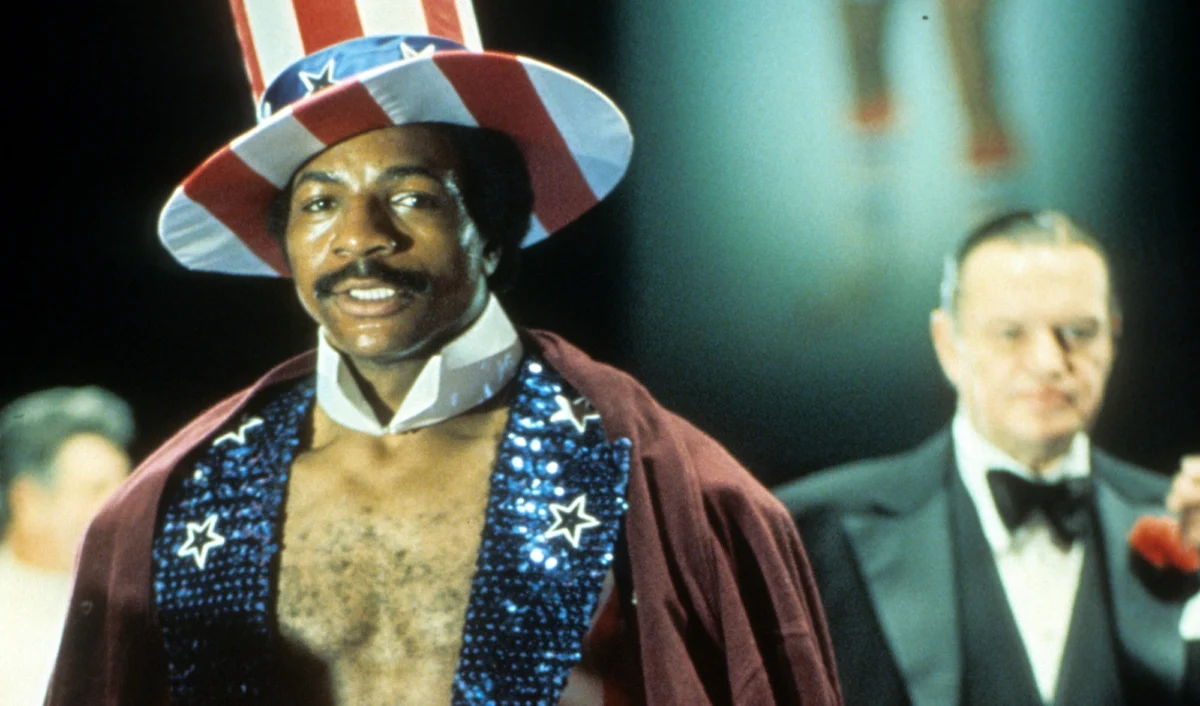
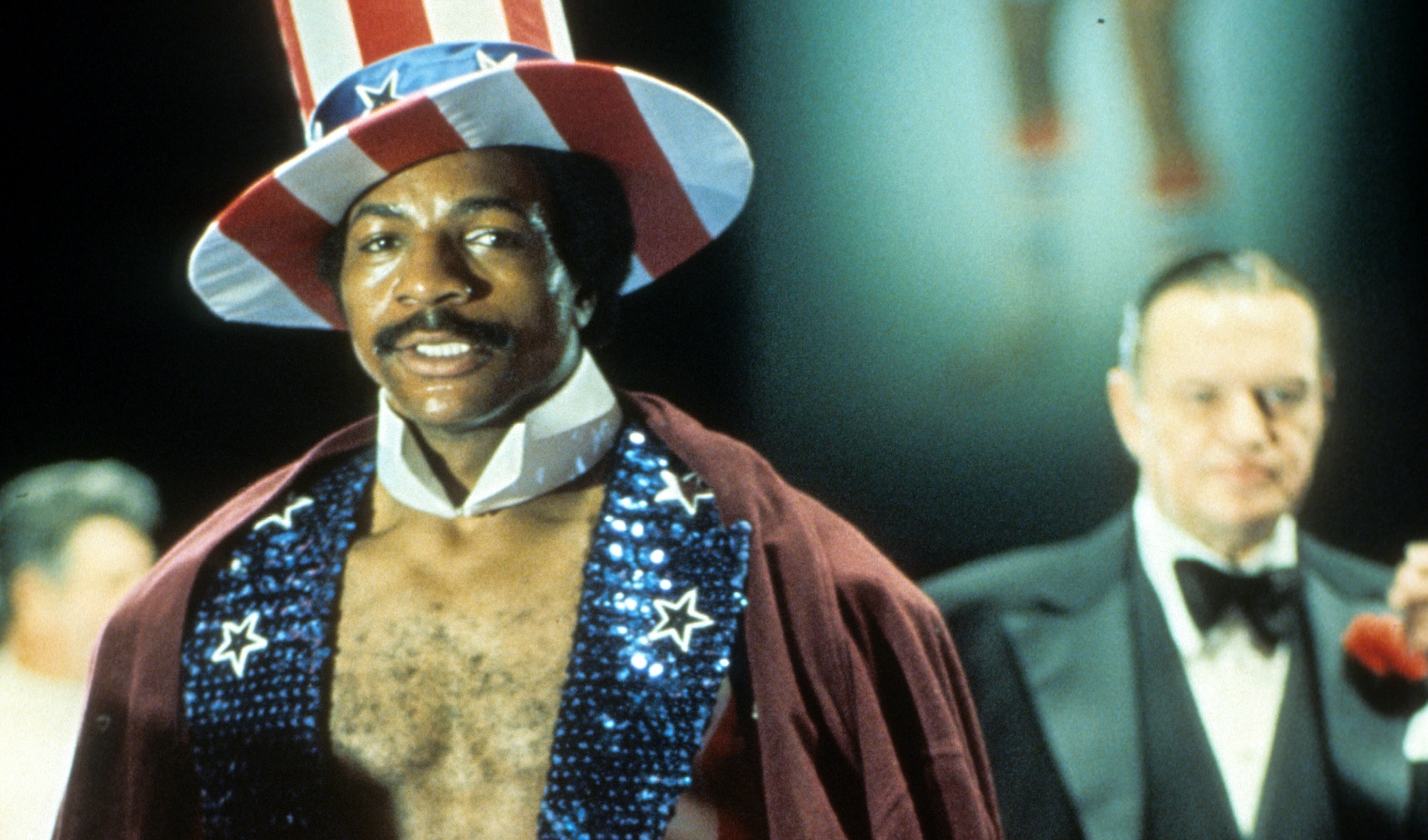
Apollo Creed, the character that turned Carl Weathers into a cinematic legend, provides the perfect lens through which to view 1976. In the opening scenes of John G. Avildsen’s Rocky, Apollo is not a patriot in the traditional sense; he is a shrewd businessman. Faced with the collapse of his New Year’s Day title defense on the eve of the bicentennial, he concocts a marketing masterstroke: an exhibition match against a local Philadelphia underdog.
"This is the land of opportunity, right?" Apollo asks, his words dripping with a calculated, performative patriotism. He understands that a "Snow White" underdog facing a Black champion on the country’s biggest birthday is the ultimate sales pitch. When an associate compliments his "vision," Apollo curtly corrects him: "No, it’s very smart."
Rocky was a film that understood the cynicism of the post-Vietnam and post-Watergate era while still managing to tap into a genuine, if "sneaky," sentimentalism. It was a movie that acknowledged the struggle of the individual while wrapping itself in the stars and stripes. By winning the Best Picture Oscar, it solidified the idea that, even in a time of institutional distrust, the American dream could still be sold—and believed in—if it felt authentic.
A Chronology of Engagement: From the Bicentennial to the Semiquincentennial
The 1976 landscape was a study in contrasts. While Rocky provided a populist, feel-good narrative, it shared the cultural stage with All the President’s Men. The latter, a procedural masterpiece about the journalists who dismantled the Nixon administration, was essentially a love letter to the Fourth Estate.
Compare these two titans: one celebrated the triumph of the individual spirit, the other the necessity of democratic oversight. Both, however, were deeply concerned with the health of the American project.
- 1969: Easy Rider signals the end of the idealism of the 1960s, with Peter Fonda’s "Captain America" meeting a violent, nihilistic end. It was the first major cracks in the foundation of the post-war American myth.
- 1972: The release of 1776, a musical adaptation that humanized the Founding Fathers—warts, slave-holding hypocrisy, and all—reminded audiences that the nation was born of fractious, sweaty, and deeply human compromise.
- 1976: The Bicentennial year. The Tall Ships in New York Harbor, the Freedom Train, and the massive commercial success of "Philadelphia Freedom" by Elton John. The culture was actively engaging with history, both celebrating its grandeur and critiquing its flaws.
- 2015: The release of Hamilton on Broadway brings a new, rhythmic energy to the debate, though it marks one of the final instances where mainstream pop culture genuinely engaged with the American origin story in a way that captured the national imagination.
- 2026: The Semiquincentennial. A landscape dominated by intellectual property, IP-driven sequels, and a profound silence regarding the state of the union.
Supporting Data: The Great Retreat
The shift in how American media handles national identity is quantifiable. In the 1970s, the "New Hollywood" movement was driven by directors like Coppola, Scorsese, and Pakula—filmmakers who were deeply invested in the American landscape as a character itself.
Today, data from major streaming platforms and box office analysts show a significant "flight to safety." Studios are increasingly avoiding political or historical narratives that could be perceived as polarizing. According to recent industry sentiment surveys, the primary directive for major studios in 2026 is the avoidance of "cultural friction."
This is a stark departure from 1976, when films like 1776 dared to portray Thomas Jefferson as a man of deep contradictions. Modern audiences, according to the industry’s risk-averse metrics, are viewed as too fragmented to engage in a shared discussion about the country’s past or future. When patriotism is portrayed, it is almost exclusively through the lens of the Marvel Cinematic Universe—a sanitized, corporate version of the flag that acts as a brand identifier rather than a political statement.
Official Responses and the "Hagiographic Hokum"
The current vacuum has been filled by a bifurcated market. On one side, we see a complete disengagement from mainstream "blue-chip" studios. On the other, we have an emergence of niche production houses, such as Angel Studios, which produce content that leans heavily into a specific, often hagiographic, version of American history.
However, critics argue that this approach—which presents the Founders as infallible icons—is just as detrimental as total silence. It repeats the mistakes that 1776 sought to rectify over 50 years ago. By removing the "messy" reality of history, we lose the very tension that makes the American experiment interesting.
There has been no official "Bicentennial-style" commission for the arts in 2026 that has successfully captured the public’s heart. While government-funded commemorative events exist, they feel largely institutional and disconnected from the vibrant, chaotic pop culture that defined the 200th birthday.
Implications: The Dangers of Apathy
The implications of this cultural withdrawal are profound. If our art, cinema, and television cannot facilitate a conversation about what it means to be an American, that conversation will inevitably be subsumed by the loudest, most divisive voices on the fringes of political discourse.
When the mainstream stops asking questions about liberty, justice, and the "more perfect union," it creates an ideological void. We see the consequences of this in the current state of national discourse: a climate where political rhetoric is increasingly characterized by aggressive, performative cruelty rather than thoughtful debate.
The inability—or unwillingness—to engage with the American story in our shared fantasies is not just a missed opportunity for entertainment. It is a dereliction of duty. To abandon the debate is to surrender the national narrative to those who would use the 250th anniversary to champion division and grievance rather than the shared principles that, however imperfectly, have held the country together for two and a half centuries.
As we look at the celebrations—or lack thereof—in 2026, we are forced to conclude that the greatest threat to the American experiment may not be the external pressures we often fear, but the internal silence we have chosen. By failing to hold up a mirror to ourselves, even a flawed or cynical one like the original Rocky, we are letting the spirit of 1776, and the lessons of 1976, fade into a history that we are no longer interested in writing.










