Rifan Muazin
The smartphone landscape, once defined by a vibrant ecosystem of independent, enthusiast-driven brands, is witnessing a seismic shift. For months, the industry has been gripped by rumors regarding the stability of OnePlus—a company that rose to prominence as the “flagship killer.” Today, those rumors have matured into a reality of sweeping organizational restructuring. As OPlus—the parent group encompassing OPPO, OnePlus, and realme—moves to tighten its corporate belt, the once-distinct identities of these brands are being systematically dismantled in favor of a unified, streamlined operating structure.
The Departure of Michael Guo: A Catalyst for Change
The latest indicator of this internal upheaval comes from India, a market historically crucial to the growth of the OPlus group. Michael Guo, the Representative Head overseeing realme’s operations in India, has officially stepped down from his role. His departure is not merely an isolated resignation; it is a strategic signal of the "sweeping restructuring exercise" currently underway.
According to reports from Moneycontrol, Guo’s exit arrives at a pivotal moment. Not only was he a primary figure for realme, but he had also been informally managing the operational threads of OnePlus India. With his exit, the lines between the two brands are blurring further. Realme India has confirmed that Chase Xu, Vice President of realme Global, will assume oversight of the Indian market, signaling a top-down consolidation of power intended to bring both brands under the broader, iron-fisted control of the OPPO organizational umbrella.
A Chronology of Contraction: How We Got Here
The erosion of the independent "OnePlus experience" did not happen overnight. To understand the current climate, one must look at the systematic dismantling of the brand’s regional autonomy over the past year.
Early 2025: The First Cracks
The year began with whispers of internal dissatisfaction and shifting priorities within the OPlus group. While OnePlus officially denied claims of a global shutdown, the actions taken on the ground told a different story. Regional teams across Europe began experiencing a "brain drain," with high-profile PR and management staff exiting in waves.
Mid-2025: The Indian Retail Pivot
The most drastic move occurred in India, where OnePlus abandoned its long-standing strategy of maintaining a physical retail footprint. The company shuttered its offline stores, pivoting to an online-only model. This transition was accompanied by a shift in product philosophy, moving away from high-end "flagship killer" devices toward the budget-conscious Nord series, specifically the Nord 6, Nord CE6 5G, and Nord CE6 Lite 5G.
Late 2025: The Executive Exodus
The departure of OnePlus India CEO Robin Liu, which occurred shortly after he publicly dismissed rumors of the brand’s demise, signaled that the company’s internal messaging was no longer aligned with its operational trajectory. The loss of leadership, combined with the removal of display units from major retailers like Best Buy in the United States, has left consumers and analysts alike questioning the longevity of the brand’s international presence.
The "Product Series" Paradigm Shift
Perhaps the most significant revelation from current reports is the long-term intent of the OPlus leadership. The group appears to be moving toward a model where OPPO, realme, and OnePlus will no longer function as independent entities. Instead, they are being repositioned as "product series"—distinct lines under one master brand—rather than autonomous companies with their own corporate cultures and marketing strategies.
This shift suggests that the "OnePlus" name may eventually survive only as a label for a specific price tier or feature set within the OPPO ecosystem, rather than a brand with its own R&D, management, and vision. This is a common strategy in the automotive industry, but for a brand that built its reputation on community engagement and an "enthusiast-first" identity, it represents a fundamental betrayal of its origins.
Supporting Data and Regional Variations
The intensity of this restructuring varies by region, creating a fragmented picture of the company’s future:
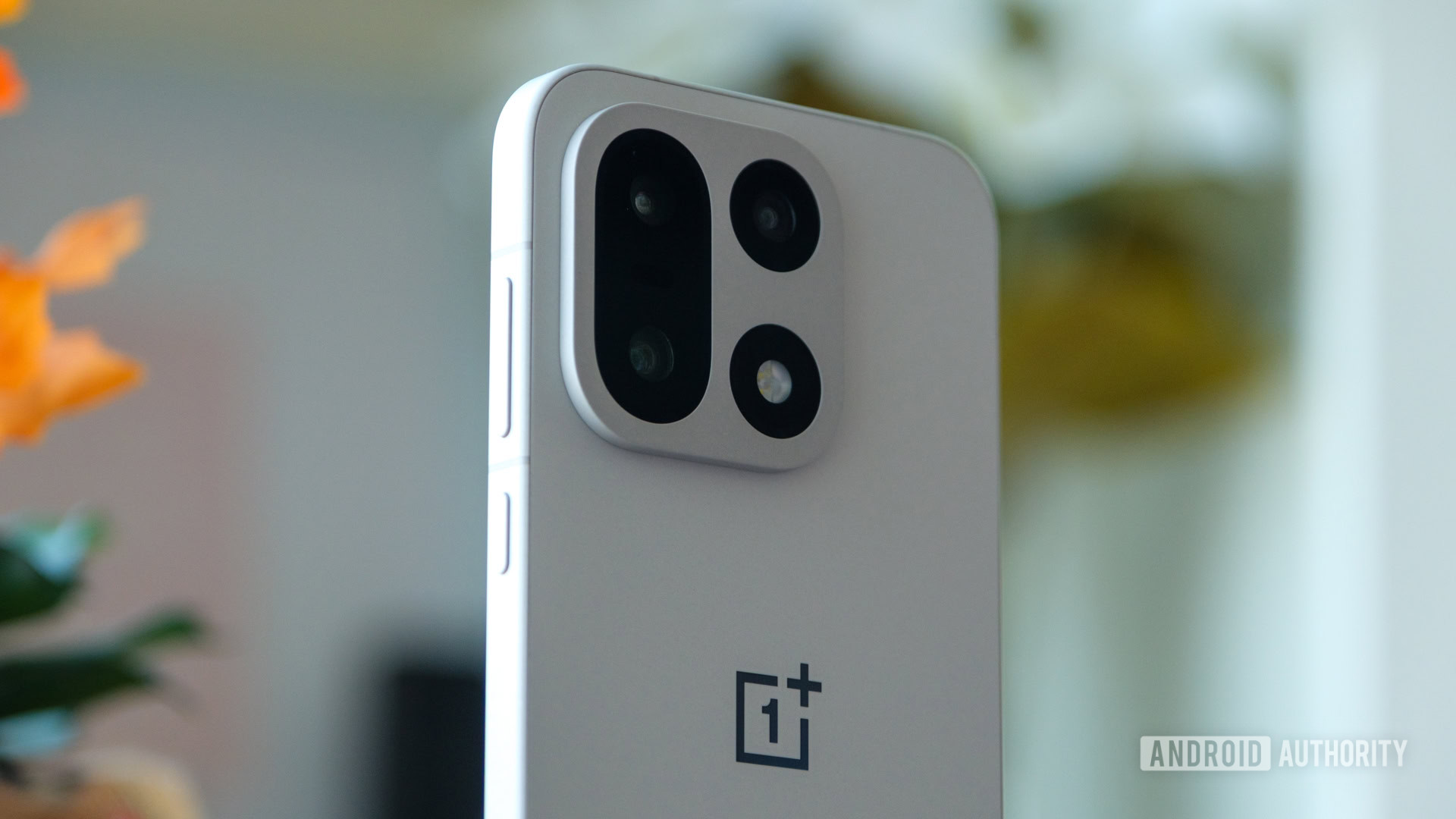
- India and China: These markets remain the primary focus of the OPlus group. Industry analyst Yogesh Brar has noted that these regions are the only ones where OnePlus remains actively engaged, hinting that further consolidation news is expected in the coming month.
- The European Market: The situation in Europe is the most dire. With social media channels remaining dormant for months and the departure of the entire PR and management apparatus, the brand effectively exists in a state of "zombie operations." While the company cites an "evaluation of its regional roadmap," the lack of activity speaks volumes.
- The North American Market: The US remains the last bastion of relative normalcy, though the cracks are showing. The removal of the OnePlus 15 and 15R from retail shelves in Best Buy stores is a significant indicator that the brand is losing its brick-and-mortar leverage. While the official US website remains functional, the lack of a formal statement regarding these retail changes leaves a void that is increasingly being filled by speculation.
Official Responses and Corporate Stance
In the face of these developments, the official communications from OPlus brands have remained rigidly optimistic. Regarding Michael Guo’s departure, a realme spokesperson stated:
"We confirm that Michael Guo has stepped down from his role… due to certain health reasons. The company respects his decision and extends its sincere appreciation for his valuable contributions to the business including the India territory during his tenure."
This standard corporate response—attributing the departure to health—is a common tactic to minimize the optics of a major management shakeup during a period of crisis. Similarly, when pressed about the future of OnePlus in Western markets, the company has largely retreated behind claims that they are "fully supporting" users, even as the hardware disappears from physical retail locations.
Implications: The End of an Era?
The implications of this restructuring are profound for the smartphone market. For years, OnePlus acted as a "challenger brand," forcing industry giants like Samsung and Apple to innovate by offering premium hardware at competitive prices. As OnePlus is absorbed into the monolithic structure of OPPO, that competitive pressure is likely to vanish.
Loss of Brand Identity
The "Never Settle" slogan, which once defined a culture of transparency and community feedback, is being replaced by the cold efficiency of a conglomerate. The enthusiast base that helped build the company is already migrating to other brands, feeling alienated by the removal of features, the shift to budget devices, and the opaque communication from leadership.
Market Consolidation
The OPlus move mirrors a broader trend in the tech industry: the consolidation of power. As component costs rise and the market reaches saturation, maintaining multiple brands is becoming increasingly expensive. By folding them into one, the parent group can optimize supply chains, reduce redundant HR costs, and leverage collective R&D. However, the cost of this efficiency is the death of diversity.
The Future for the Consumer
For the average consumer, this means fewer choices disguised as more options. If the "OnePlus 16" or "OnePlus 17" eventually becomes just a rebadged OPPO phone, the distinction between the two disappears. While this may lead to more consistent software or hardware support in the short term, it eliminates the "x-factor" that made OnePlus a household name in the enthusiast community.
Conclusion
The story of OnePlus is entering its final act. Whether the brand survives as a premium product line under the OPPO banner or fades into obscurity as a historical footnote, the reality is clear: the era of the independent, community-driven "flagship killer" is effectively over. The reshuffling of the OPlus deck is not about growth or expansion; it is about survival. As the company retreats from its global footprint and consolidates its power in India and China, the rest of the world is left to watch as a once-beloved pioneer is slowly assimilated into the corporate machine.
For those who championed the brand in its early days, the message is clear: the dream of a company that listens to its users and disrupts the status quo has been superseded by the cold, hard realities of corporate consolidation. The question is no longer whether OnePlus will change, but whether anything of its original identity will remain once the dust of this "sweeping restructuring" finally settles.


 Reynand Wu
 Laily UPN