

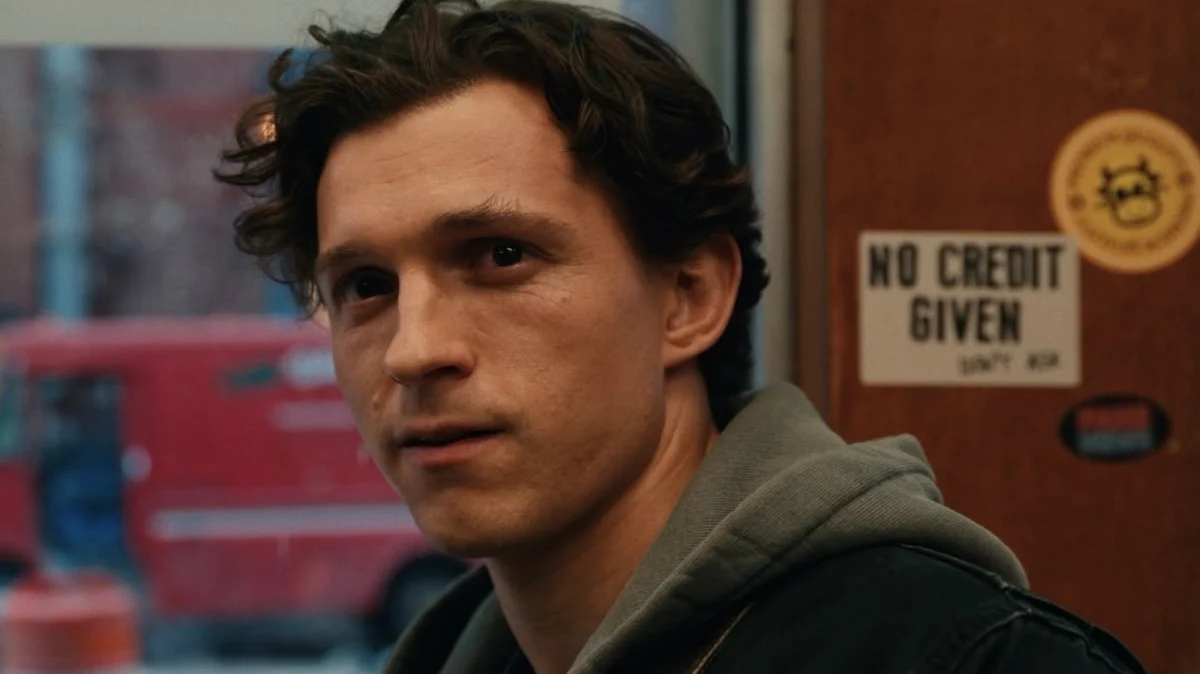
For a decade, Tom Holland has stood as the definitive face of Peter Parker in the Marvel Cinematic Universe. From his star-making debut in Captain America: Civil War to the multiversal stakes of Spider-Man: No Way Home, Holland’s portrayal has been lauded for its youthful energy and emotional depth. Yet, beneath the critical acclaim and box-office dominance, a persistent critique has simmered within the fandom: Was the MCU version of Spider-Man truly "Spider-Man" before now?
With the upcoming Spider-Man: Brand New Day, directed by Destin Daniel Cretton and slated for a July 31, 2026 release, Marvel Studios and Sony Pictures appear ready to answer that question. By stripping away the high-tech suits, the mentorship of Tony Stark, and the global Avengers infrastructure, the fourth installment promises a return to the foundational essence of the character—the "friendly neighborhood" hero struggling to pay rent while protecting the streets of New York.
The Evolution of a Hero: A Decade-Long Chronology
To understand the necessity of Brand New Day, one must look back at the trajectory of the MCU’s Peter Parker.
- 2016 (The Introduction): Peter Parker is introduced as a tech-savvy teenager recruited by Tony Stark. This established a dynamic where Peter was positioned as an apprentice to the world’s most famous billionaire.
- 2017–2019 (The Homecoming Era): Spider-Man: Homecoming and Far From Home centered on Peter’s desire to "level up" and join the Avengers, often utilizing Stark-designed suits and resources.
- 2021 (The Turning Point): Spider-Man: No Way Home concluded with a radical shift. By casting a spell to protect the multiverse, Doctor Strange effectively erased Peter Parker from the memory of everyone who ever knew him.
- 2026 (The Reset): Spider-Man: Brand New Day picks up in the aftermath of this erasure. Peter is now a solitary figure, stripped of his support network, his technology, and his history, forcing him to rely solely on his wits and his moral compass.
This chronology highlights the studio’s long-term strategy: move the character from a position of "superhero-in-training" to an independent, self-reliant vigilante. While the transition has taken four films, the studio contends that this slow burn was essential to truly earning the "classic" Spider-Man experience.
The "Small Apartment" Philosophy: Kevin Feige’s Vision
For years, fans have argued that the MCU’s Spider-Man lacked the "everyman" struggle that defined the source material. Stan Lee and Steve Ditko’s original vision was a hero who worried about his grades, his aunt’s health, and his landlord—not just alien invasions or multiversal rifts.
In an exclusive interview with Empire magazine, Marvel Studios president Kevin Feige addressed these concerns directly. "[‘Brand New Day’] is the first ‘Spider-Man’ film that we’ve made in the MCU that is focused on the classic elements of Spider-Man," Feige stated. "He’s doing the Spidey thing of living in a rather sad, small apartment, listening to the police scanner and going out and using his great power responsibly."
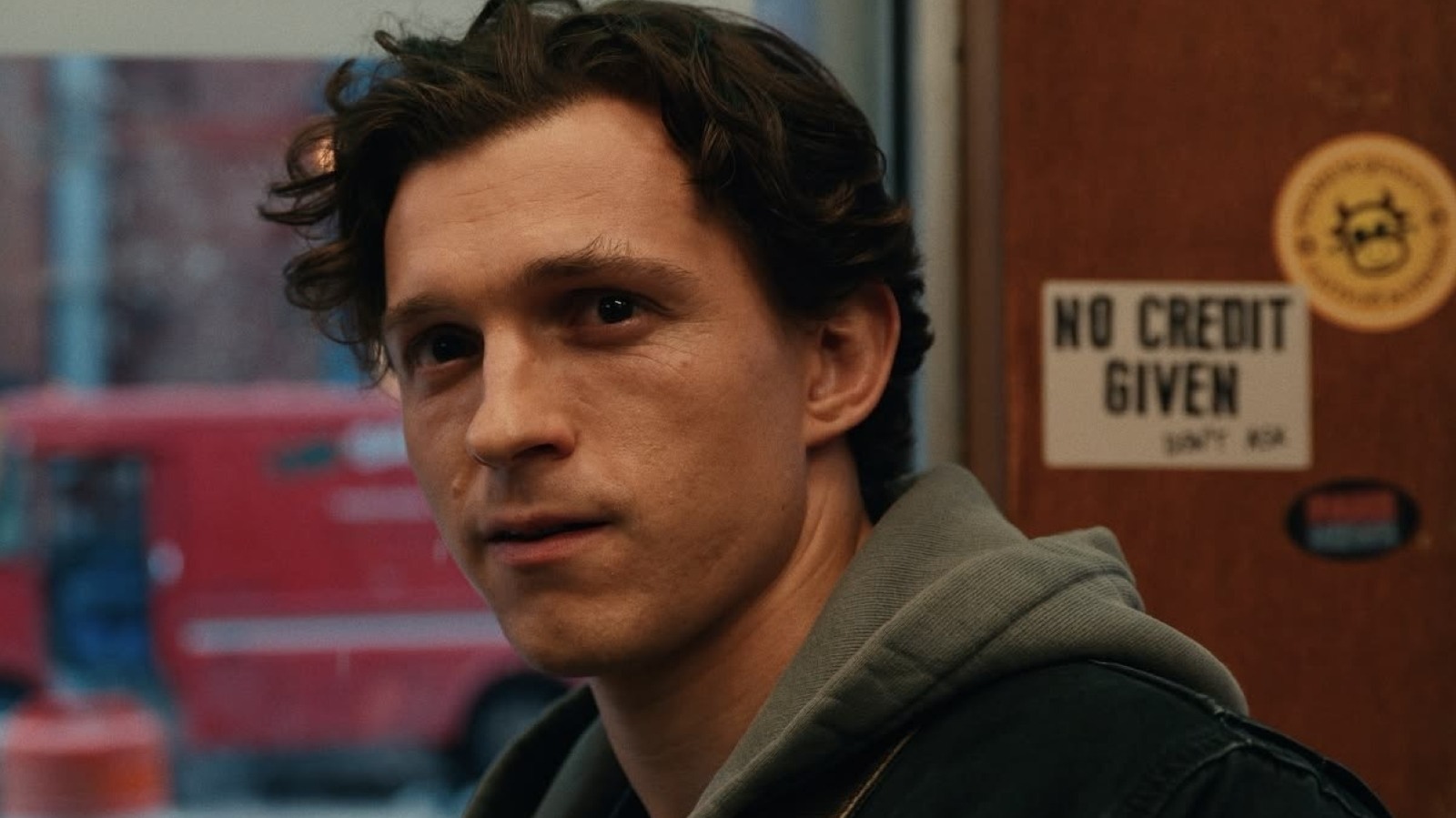
This pivot is not merely aesthetic; it is a fundamental shift in the character’s narrative stakes. By removing the safety net provided by Stark Industries, the film forces Peter to confront the reality of being a working-class hero. The "sad, small apartment" is a powerful visual shorthand for the isolation that has become the hallmark of the Spider-Man mythos.
The Psychological Toll: Grief as a Narrative Engine
If No Way Home was about the loss of identity, Brand New Day is about the process of living with that loss. Director Destin Daniel Cretton, known for his character-driven work in Shang-Chi and the Legend of the Ten Rings, has signaled that the film will delve deeply into Peter’s mental state.
Peter Parker is currently dealing with a compounding mountain of trauma: the death of his mentor, Tony Stark; the loss of his beloved Aunt May; and the existential erasure of his entire personal history. According to Cretton, Peter’s response to this grief is the central emotional pillar of the film.
"He is dedicating his entire existence to his job," Cretton told Empire. "That’s the core theme that I find incredibly relatable. I think most people at certain points in our lives have gone through loss. At least for me, and I think for many people, the result can be: ‘Screw it. I’m just going to work. I’m going to do nothing else but work.’ That’s obviously not the most healthy state."
This internal conflict provides a grittier foundation for the action. Rather than a superhero motivated by a sense of duty to a larger team, this version of Spider-Man is driven by a compulsive need to keep busy—a way to avoid facing the silence of his lonely apartment.
Antagonists and Escalating Stakes
The film’s focus on the "streets" does not imply a lack of action. On the contrary, the internal isolation of the character is balanced by a formidable array of threats that test his physical and mental limits.
Early reports and promotional materials suggest a diverse lineup of adversaries that pull directly from the deeper corners of the Spider-Man rogues’ gallery. Confirmed threats include:
- The Scorpion (Michael Mando): Having been teased since Homecoming, Mando’s Mac Gargan is expected to be a primary physical antagonist, representing the lingering consequences of Peter’s past actions.
- The Tarantula: A classic Captain America villain known for his brutal, combat-heavy approach, his inclusion suggests a more grounded, visceral fighting style for the film.
- The Hand: The inclusion of this shadowy organization hints at a larger, more organized criminal underworld that Peter will have to navigate without the help of S.H.I.E.L.D. or the Avengers.
Furthermore, the casting of Sadie Sink has ignited intense speculation among fans, with theories ranging from a new love interest to a complex antagonist tied to the web-slinger’s past. By layering these threats on top of Peter’s psychological instability, the film creates a "pressure cooker" environment that promises to push Holland’s character to his breaking point.
Implications for the Future of the MCU
The success of Spider-Man: Brand New Day will have significant implications for the wider Marvel Cinematic Universe. For one, it establishes a new template for "street-level" storytelling. After years of cosmic and multiversal threats, Marvel appears to be pivoting back toward the human element.
Furthermore, the film serves as a litmus test for Tom Holland’s longevity in the role. By moving away from the "Iron Boy" tropes and embracing the lonely, blue-collar life of Peter Parker, the studio is setting up a version of the character that can feasibly exist for another decade. If audiences resonate with the "sad, small apartment" version of the hero as much as they did with the high-tech Avenger, it guarantees that Spider-Man will remain the anchor of the MCU for years to come.
Ultimately, Brand New Day is an apology and a promise. It is an acknowledgment that the path to becoming the "classic" Spider-Man was unconventional, perhaps even flawed. But in doing so, it provides a blank slate. We are finally going to see the version of Peter Parker who is truly on his own, learning that while he may have the power to save the city, he must also find the strength to save himself.
As we look toward July 2026, the question is no longer "How many movies does it take to make a Spider-Man?" Instead, the question is: "Now that he is finally here, what will he do with the weight of the world on his shoulders?"











No comments yet. Be the first to join the conversation!