

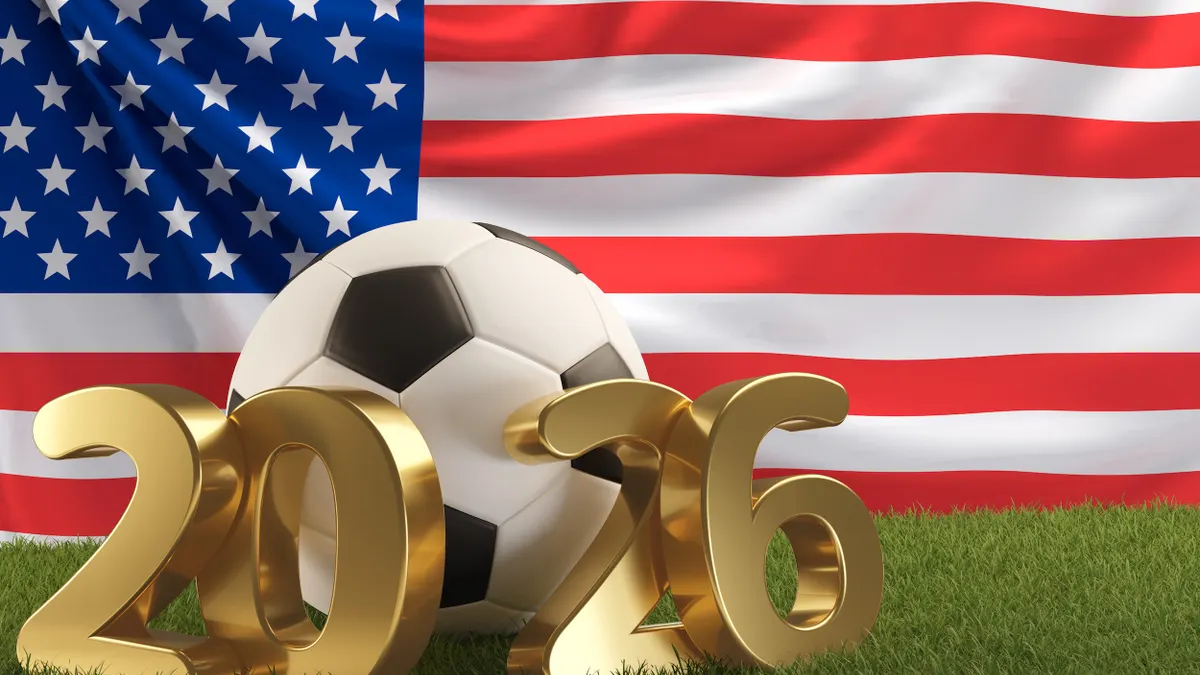
As the calendar turns toward June 11, 2026, the United States, Canada, and Mexico are preparing to host what is arguably the most significant sporting event of the decade. The 2026 FIFA World Cup is not merely a tournament; it is a massive, multi-national cultural phenomenon. With the expansion to 48 teams—the largest in the history of the competition—and the unprecedented scale of being hosted across three nations, marketers are moving beyond traditional advertising to embed themselves into the very fabric of global "football culture."
From alcohol and beverage giants to retail titans, the corporate world is betting big that the tournament will serve as a definitive marketing catalyst. As brands deploy record-breaking budgets, the race to capture the attention of a younger, affluent, and highly engaged audience is well underway.
Main Facts: A Tournament of Firsts
The 2026 World Cup represents a departure from the traditional tournament model. For the first time, three nations are serving as joint hosts, creating a complex but lucrative landscape for advertisers. The expansion to 48 teams increases the volume of matches, providing more inventory for broadcasts and more opportunities for consumer touchpoints.
For marketers, this is a unique window of opportunity. Unlike previous tournaments that may have felt geographically distant to North American audiences, this event is "on the doorstep." The proximity allows for physical activations, experiential marketing, and a level of localized engagement that was previously impossible for many global brands.
Recent data suggests that this is the first time marketers are treating the World Cup as a "total-market" event rather than a niche sports play. Brands that have historically shied away from soccer are now pivoting their entire summer strategy around the tournament, recognizing that the "soccer fan" demographic now encompasses a broader cross-section of the population than ever before.
Chronology: The Road to the Pitch
The marketing buildup to the 2026 tournament has been characterized by a multi-year strategy:
- 2024 (The Awareness Phase): Major brands began securing long-term partnerships with FIFA and regional governing bodies. Strategic planning focused on infrastructure, licensing, and aligning brand values with the inclusivity narrative of the 48-team expansion.
- Early 2025 (The Content Pivot): Advertisers shifted from traditional TV spots to content-led strategies. Social media campaigns began emphasizing the "identity" of soccer fans—highlighting the intersection of fashion, music, and gaming.
- Late 2025 (The "Early Mover" Advantage): Companies like Modelo and other major alcohol brands began rolling out their initial creative, testing localized messaging to ensure resonance across the diverse host cities.
- Spring 2026 (The Pre-Tournament Sprint): As the opening whistle nears, we are seeing the launch of "halo effect" campaigns. Brands without official sponsorship status are flooding the airwaves, utilizing clever copy and cultural nods to associate themselves with the energy of the event without infringing on trademark restrictions.
- June 11, 2026 (The Kickoff): The commencement of the tournament marks the shift from awareness to conversion. Real-time marketing, reactive social media, and on-the-ground experiential activations will dominate the next four weeks.
Supporting Data: Why the Stakes Are Higher
According to a comprehensive report from YouGov, the profile of the 2026 World Cup audience is a marketer’s dream. More than four in 10 global adults indicate they are "likely" or "very likely" to follow the tournament. Crucially, this audience skews younger, male, and toward the higher-income brackets—segments that are historically difficult to reach via traditional media.
The impact of sponsorship is measurable and profound:
- Brand Trust: In some key markets, over 80% of fans report that they view sponsors more favorably than non-sponsors.
- Purchase Likelihood: Sponsorship is directly correlated with increased brand relevance, with a significant percentage of fans admitting that their purchasing decisions are influenced by a brand’s association with the tournament.
- The "Halo Effect": Even brands that lack the budget for official FIFA sponsorship are reporting positive sentiment by simply participating in the cultural conversation. By aligning their messaging with the spirit of the game, these companies are capturing a portion of the "fan equity" generated by the event.
Official Responses and Strategic Perspectives
Nicole Pike, global head of YouGov Sport, highlights the seismic shift in how fans interact with the sport. "This isn’t just a tournament; it’s a cultural event with a gravitational pull that touches sport, music, travel, and identity," Pike stated. "The impact of sponsorship is already visible as companies align not just with a four-week event, but with a movement."
Brands are recognizing that the modern soccer fan is not just watching a game; they are participating in a digital ecosystem. Whether it is through fantasy sports apps, social media commentary, or e-commerce integrations, the "fan journey" has become digitized.

"Early movers are seeing real returns well ahead of the opening whistle," Pike added, noting that the brands succeeding today are those that understand the "shifting way younger audiences connect with sport." It is no longer about the 90 minutes on the pitch; it is about the 24/7 conversation surrounding the tournament.
Implications: Risks and Opportunities
While the enthusiasm is palpable, the 2026 World Cup is not without its hurdles. Several complexities remain that could impact the efficacy of marketing campaigns:
The Travel Dilemma
Recent reports have indicated that hotel bookings in host cities are currently trending below initial forecasts. While this could be a temporary fluctuation, it poses a risk for brands banking on high-volume, location-based activations. If the anticipated influx of international travelers does not materialize as expected, marketers may need to pivot their focus toward domestic fan engagement and digital-first experiences.
The Political Climate
The U.S. political landscape remains a point of consideration for global brands. In a polarized environment, brands are walking a tightrope, attempting to appeal to a broad, diverse audience without alienating segments through tone-deaf messaging. The goal for most is to focus on the unifying power of sport—a strategy that has historically been the safest and most effective way to navigate global events.
The Battle for Share of Voice
With so many brands clamoring for attention, the "noise" in the marketplace is reaching an all-time high. Official sponsors are spending hundreds of millions to secure their exclusivity, but the rise of "ambush marketing" and reactive social media tactics means that every brand, regardless of its sponsorship status, is competing for the same limited window of consumer attention. The winners will be those who can provide genuine value to the fan experience—whether through exclusive content, rewards, or innovative digital tools—rather than those simply shouting the loudest.

Conclusion: A New Era of Sports Marketing
As we stand on the precipice of the 2026 FIFA World Cup, one thing is certain: the marketing playbook is being rewritten. The tournament serves as a stress test for how brands can navigate an increasingly fragmented media landscape. By focusing on the intersection of identity, culture, and high-stakes sport, marketers are not just selling a product; they are attempting to become part of the history of the game.
The brands that succeed this summer will be the ones that understand the gravity of this moment. They will be the companies that view the 2026 World Cup not as a fleeting advertisement opportunity, but as a strategic milestone in their long-term growth. As the opening match approaches, the eyes of the world—and the wallets of the world’s biggest corporations—are firmly fixed on the pitch. The game is about to begin, and for the marketing world, the stakes have never been higher.












No comments yet. Be the first to join the conversation!