

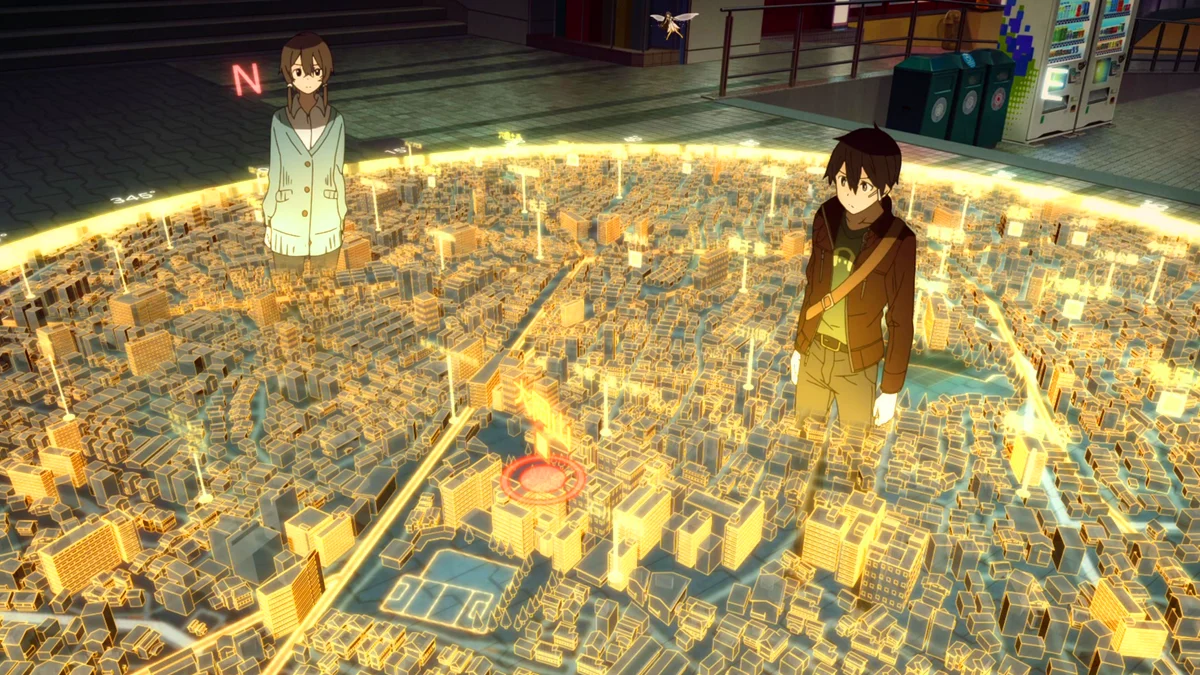
In the rapidly evolving landscape of global entertainment, Japanese animation—once a niche subculture—has ascended to a position of undisputed dominance. However, this newfound status has brought with it a complex set of creative and commercial pressures. Tomohiko Itō, the acclaimed director behind the Sword Art Online franchise, has stepped into the center of this debate, issuing a stern warning to his peers: the drive to "globalize" anime by catering to international sensibilities may be the very thing that leads the medium toward creative stagnation and commercial failure.
Main Facts: The Rejection of Creative Pandering
During a comprehensive interview with the Japanese news outlet Daily Shincho, Tomohiko Itō addressed the current "anime boom" sweeping through North America and Europe. While acknowledging the pride he feels regarding the medium’s success, Itō expressed significant skepticism toward the growing trend of Japanese studios tailoring their content to appease overseas audiences.
Itō’s central thesis is that "focusing too much on ‘the world’ often leads to failure." He argues that when Japanese creators attempt to guess what will appeal to international viewers, they often produce a diluted product that loses its unique cultural identity—the very quality that made it popular in the first place.
The director specifically highlighted the friction between traditional Japanese creative freedom and the "political correctness" (PC) standards prevalent in North American markets. He noted that while Western critics might view certain anime tropes—such as "girls fighting with lots of skin"—with suspicion or hostility, these elements are often intrinsic to the established aesthetic and demographic appeal of the medium within Japan. By attempting to sanitize these works for the West, creators risk alienating their core domestic base without necessarily securing a loyal international one.

Furthermore, Itō utilized the interview to advocate for a shift in how the industry is marketed. He expressed a desire for more domestic and international recognition of the "internal staff"—the directors, cinematographers, and animators—rather than the industry’s current heavy reliance on the star power of voice actors (seiyuu).
Chronology: From Niche Subculture to Global Hegemony
To understand the weight of Itō’s comments, one must examine the timeline of anime’s expansion over the last decade. The shift from a "Galapagos" industry (one that evolves in isolation) to a global powerhouse did not happen overnight, but rather through a series of strategic consolidations and global crises.
The Streaming Revolution (2010–2019)
The early 2010s saw the rise of dedicated streaming platforms like Crunchyroll and Funimation. During this period, Itō’s own Sword Art Online (2012) became a foundational pillar of the modern "Isekai" (trapped in another world) genre. Its success in the West proved that Japanese narratives regarding digital identity and virtual reality had a massive, untapped market.
The 2020 Pivot and the Pandemic Effect
The COVID-19 pandemic served as a massive catalyst for anime’s growth. With Hollywood productions stalled and cinema doors shuttered, global audiences turned to streaming services. Anime, which could continue production under remote or socially distanced conditions more easily than live-action film, filled the void.

Corporate Consolidation (2020–2024)
Itō noted the significance of major corporate acquisitions in his interview. In 2020, Sony’s anime division, Aniplex, moved to acquire Crunchyroll in a deal worth $1.175 billion, effectively merging the world’s largest anime library with one of Japan’s biggest production powerhouses.
More recently, in 2024, the Japanese film giant Toho acquired the American/British distributor GKIDS, further signaling that Japanese companies are no longer content with just licensing their work—they want to own the global distribution pipelines.
The Hollywood Decline
Itō pointed out that the recent Hollywood writers’ and actors’ strikes, combined with a general sense of "superhero fatigue" and "Disney-style predictable harmony," created a power vacuum. Japanese anime, with its complex moral themes and high-stakes storytelling, effectively "filled that gap."
Supporting Data: The Value of the "Uniquely Japanese"
The data regarding the anime industry supports Itō’s claim that authenticity, rather than pandering, drives success. According to the Anime Industry Report 2023 by the Association of Japanese Animations (AJA), the market value of the industry reached an all-time high of approximately 2.9 trillion yen ($20 billion USD). Interestingly, the "Overseas" segment now accounts for nearly 50% of total revenue.

However, the top-performing titles globally are rarely those that were designed specifically for a Western audience.
- Demon Slayer: Kimetsu no Yaiba: A series deeply rooted in Taisho-era Japanese history, folklore, and Shinto-adjacent aesthetics. It broke records globally despite (or perhaps because of) its uncompromisingly Japanese cultural setting.
- The Boy and the Heron: Hayao Miyazaki’s latest film won an Academy Award in 2024. Miyazaki has famously never altered his films to suit Western "political correctness," often clashing with Harvey Weinstein in the 1990s over attempts to edit Princess Mononoke.
Itō’s argument aligns with these data points: international audiences gravitate toward anime because it offers an alternative to the homogenized, focus-tested narratives of Western media. When anime begins to mirror the "PC" sensitivities of North America, it loses its competitive advantage as a "counter-cultural" or "alternative" medium.
Official Responses and Industry Sentiment
Itō is not the only high-profile creator to voice these concerns. His comments echo a growing sentiment within the Tokyo animation circles that the "Westernization" of content is a slippery slope.
The Creative Freedom Defense
Earlier this year, the Japanese government and various industry groups proposed policies to defend "creative freedom" in the face of international pressure. This was largely a response to the growing influence of Western "sensitivity readers" and platform-level censorship (notably on platforms like Sony’s PlayStation or various streaming giants) that have forced developers and animators to alter character designs or dialogue.
The "Disney Fatigue" Argument
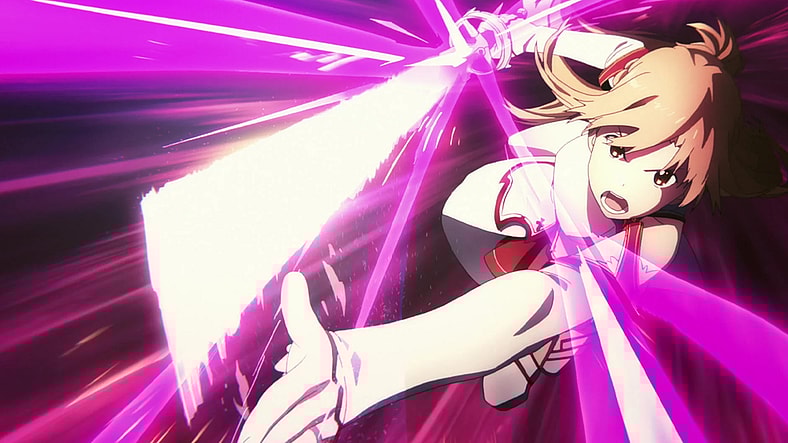
Other directors have been more blunt. The director of One Piece and Dragon Ball recently stated that Western audiences are flocking to anime specifically because they are "tired of Disney-style predictable harmony." This supports Itō’s view that the "strictness" of American cultural politics is actually creating a demand for Japanese content that remains outside those ideological boundaries.
The Call for Staff Recognition
In his interview, Itō specifically mentioned Haruo Sotosaki (director of Demon Slayer) and Yuichi Terao (cinematographer at Ufotable). He lamented that while these individuals are responsible for the visual revolutions that define modern anime, they are often overshadowed by voice actors in domestic marketing. Itō believes that for the industry to survive and attract new talent, the "craft" must be celebrated as much as the "voice."
"For the sake of those aspiring to work in anime in the future, I hope the history of who did what is preserved," Itō stated. He argued that if the world is going to consume Japanese culture, it should also consume the Japanese "Auteur" theory, recognizing the directors who are the architects of these global hits.
Implications: The Risk of the "Sanitized" Future
The implications of Itō’s warnings are profound for the future of the medium. If the industry ignores his advice and begins to prioritize "global compatibility" over local authenticity, several risks emerge:
1. The Loss of the "Galapagos" Spark
The "Galapagos Effect" is often used pejoratively to describe an industry that cannot compete globally. However, in anime, this isolation allowed for the development of unique genres (Isekai, Magical Girl, Seinen) and visual styles that do not exist elsewhere. If creators start asking, "Will this be met with suspicion in North America?" before they draw a frame, the creative boundaries of the medium will inevitably shrink.
2. Domestic Alienation
The Japanese domestic market remains the bedrock of the industry. If studios begin producing content that feels "foreign" or "sanitized" to Japanese fans, they risk losing their most loyal and profitable consumers. History in the video game industry (such as Capcom’s mid-2000s attempt to "Westernize" their titles) shows that trying to please everyone often results in pleasing no one.
3. Structural Shifts in Production
Itō’s push for staff recognition suggests a need for a structural change in how anime is produced and funded. Currently, the "Production Committee" system often prioritizes merchandise and voice actor events. By shifting the focus back to the directors and internal staff, the industry could potentially improve working conditions and creative autonomy, ensuring that the next generation of creators is not just "filling a gap" left by Hollywood, but leading the way with a distinct, uncompromising vision.
Conclusion
Tomohiko Itō’s remarks serve as a vital reality check for an industry currently intoxicated by global success. While the expansion of anime into every corner of the globe is a triumph of Japanese soft power, Itō reminds us that this power is derived from the medium’s unique—and sometimes controversial—identity.

As he prepares for the release of his next film, an adaptation of Keigo Higashino’s Kusunoki no Bannin, the industry will be watching closely. Whether anime continues to thrive as a distinct cultural alternative or becomes a mere subsidiary of the global entertainment machine will depend on whether creators heed Itō’s warning: that the path to global success is paved with local authenticity, not international pandering.










No comments yet. Be the first to join the conversation!