

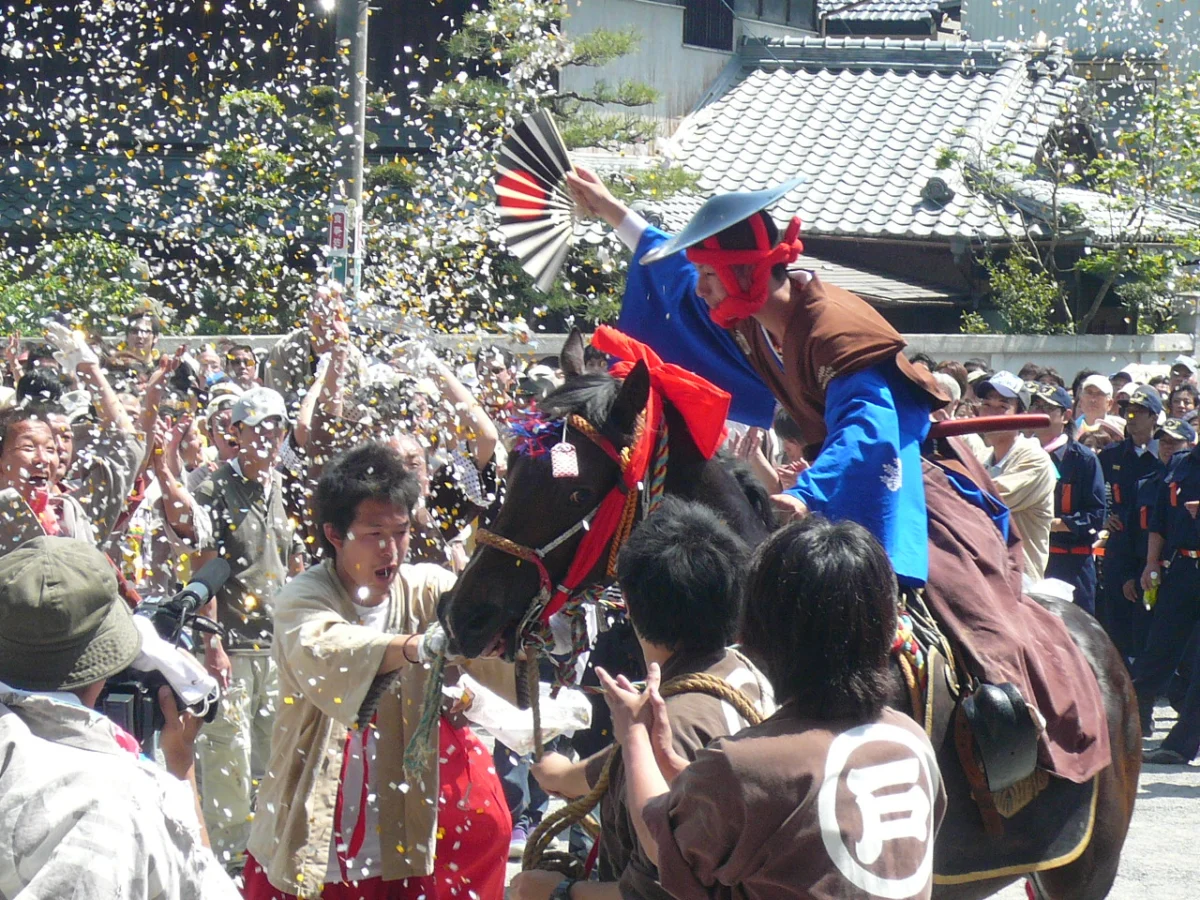
In the verdant foothills of northern Mie Prefecture, Japan, stands the Tado Taisha—a Shinto sanctuary that has served as a spiritual bastion for over a millennium. Every May 4th and 5th, this tranquil site transforms into the epicenter of the Tado Matsuri, a festival defined by the Ageuma Shinji, or "Rising Horse Rite." While this spectacle offers a visceral window into the equestrian culture of Japan’s medieval past, it has recently become the focus of a heated national debate regarding animal welfare. As the festival navigates its second millennium, it finds itself at a crossroads between preserving sacred intangible heritage and answering to the evolving moral standards of the 21st century.
The Essence of the Ageuma Shinji
The Ageuma Shinji is a physically demanding spectacle that stands as one of the most dramatic rituals in the Shinto calendar. Clad in traditional early-Edo-period samurai armor, young riders guide their horses at a gallop toward a steep, 100-meter-long slope of packed earth. The culmination of this run is a daunting two-meter-high vertical wall that the horse and rider must leap over.
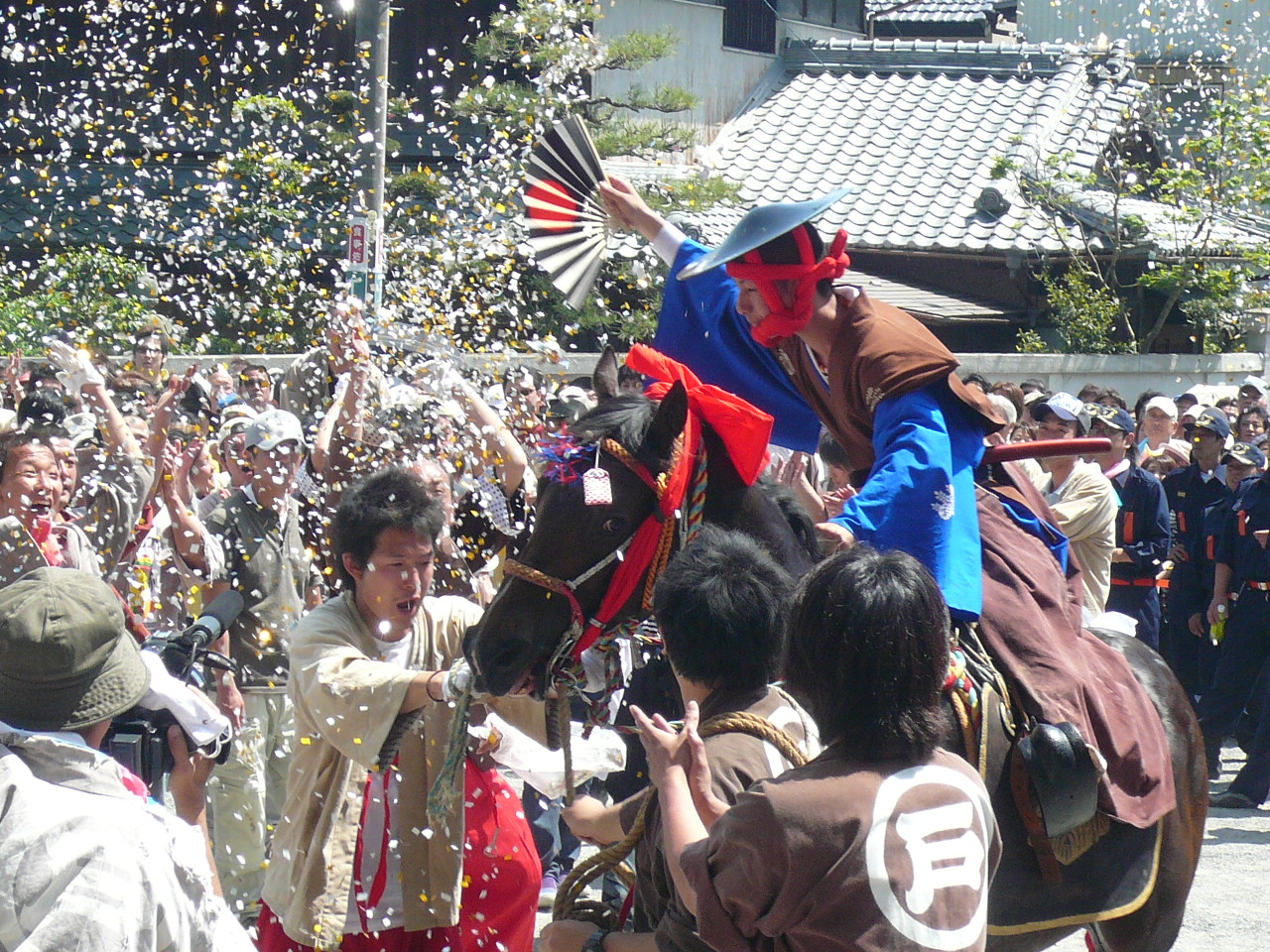
This is not merely a display of horsemanship; it is an act of divination. The success or failure of the jump is believed to predict the agricultural prosperity of the year ahead. A clean, successful leap is interpreted as an omen of a bountiful rice harvest, while a refusal or failure is seen as a harbinger of potential drought or hardship. This tradition, which has been performed continuously since the Kamakura period (1185–1333), serves as a living bridge to an era where the fate of the community was inextricably tied to the whims of the land and the divine.
Chronology and Historical Significance
Tado Taisha’s roots run deep. Historical records suggest the shrine was founded in 459 CE during the reign of Emperor Yuryaku, potentially predating the famed Ise Grand Shrine. By the 9th century, Tado Taisha had firmly established its prestige, appearing in the Engishiki—the definitive 927 CE register of government-sanctioned Shinto shrines.
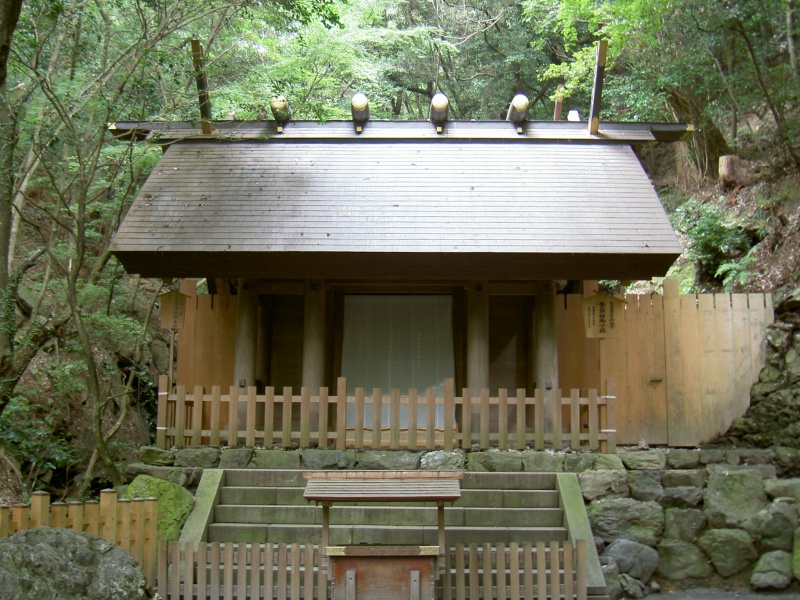
The shrine’s theology is centered on Amatsuhikone-no-mikoto, a deity identified in Shinto mythology as the protector of horses. This "horse-deity" connection has evolved through the centuries:
- Medieval Period: Knights and warriors visited to pray for victory and the health of their warhorses.
- Edo Period: Farmers sought blessings for their draft animals, the engines of their agrarian economy.
- Modern Era: The tradition has pivoted toward the mechanical age, with motorcycle and car enthusiasts flocking to the shrine for safety blessings, proving that the ancient connection to mobility remains as potent as ever.
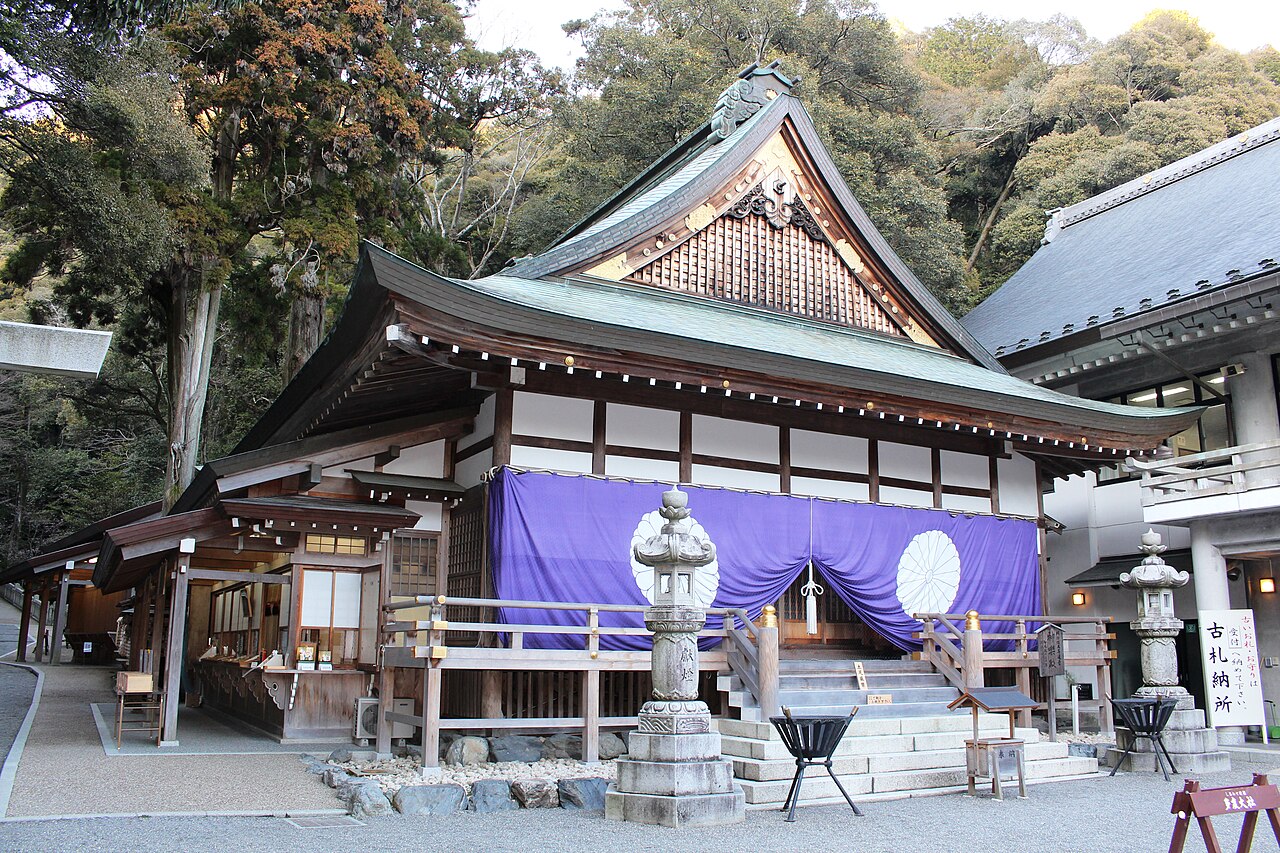
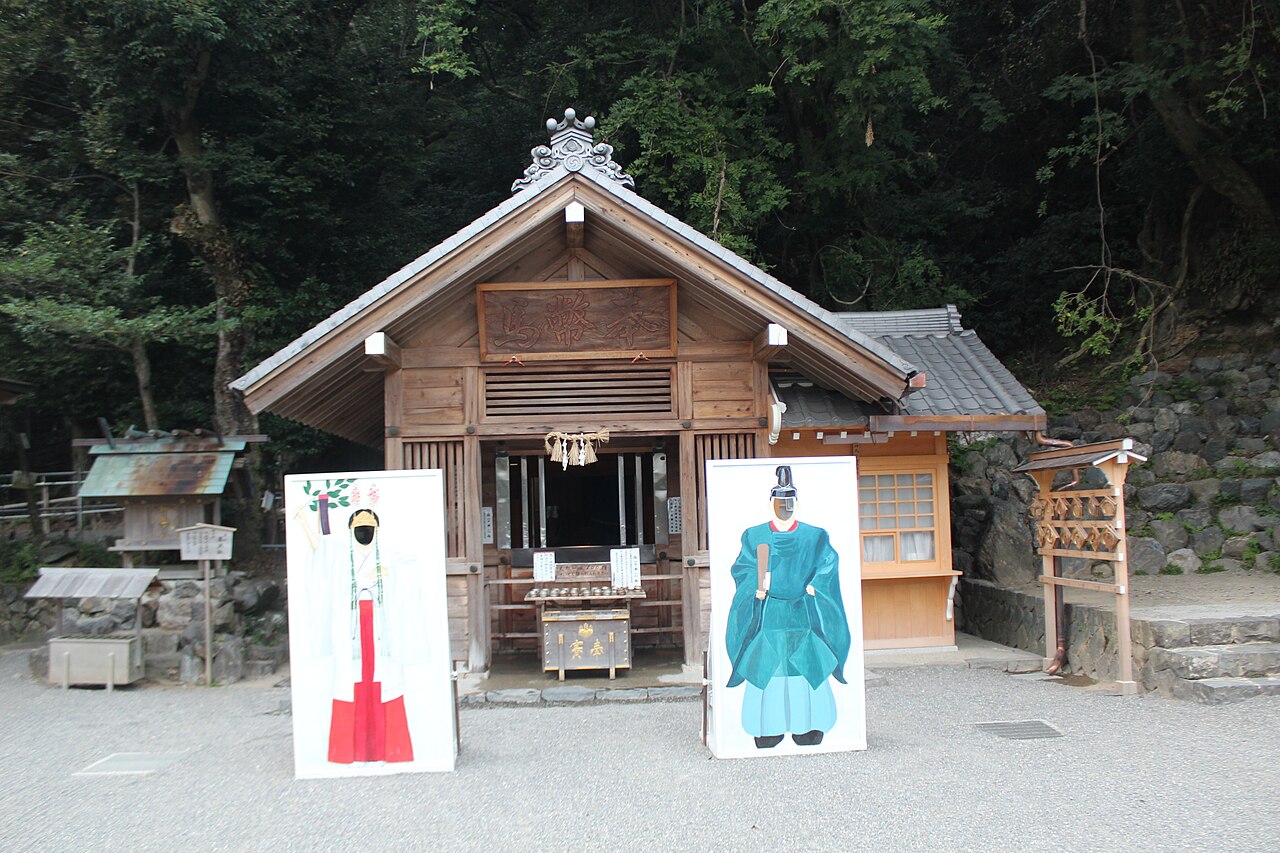
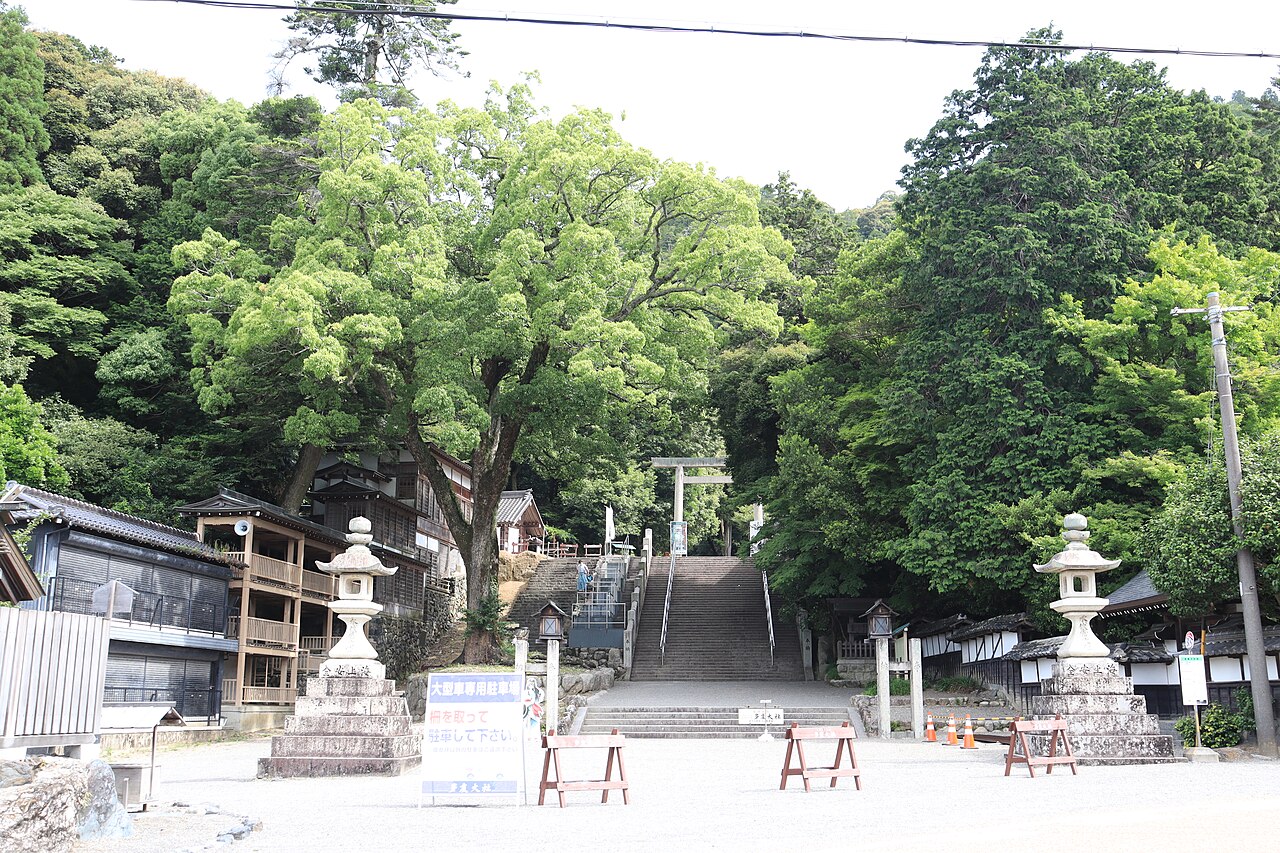
The shrine precinct itself, reconstructed on a roughly 300-year cycle, reflects this enduring legacy. The Gakuraden (ceremonial music hall) and the Jinmesha (sacred horse stable) stand as silent witnesses to centuries of prayer. Today, the sacred horse, a white thoroughbred named Kintaro, serves as a serene contrast to the intensity of the Ageuma rite, acting as a living symbol of the shrine’s enduring bond with the equine world.
The Mounting Controversy: Ethics vs. Tradition
Since the early 2020s, the Ageuma Shinji has faced mounting scrutiny. The physical toll on the horses has become a point of public contention, with animal-welfare activists documenting injuries—most commonly to the legs and shoulders—sustained during the impact with the wall.
The images of horses struggling to clear the barrier have ignited a firestorm on social media and in the Japanese press. Critics argue that the ritual, while culturally significant, imposes unnecessary suffering on animals for the sake of entertainment and tradition. This has placed the Mie prefectural cultural-properties board in a difficult position: how does one protect a designated "Intangible Cultural Property" while acknowledging the valid concerns of a modern, animal-conscious society?
Official Responses and Institutional Reform
Rather than shuttering the ritual, Tado Taisha has opted for a path of incremental reform. The shrine has demonstrated a willingness to adapt, implementing several critical changes since 2021:
- Reduction of Obstacles: The height of the vertical wall has been lowered to reduce the impact force on the horses.
- Surface Modification: The landing zone has been cushioned to mitigate the risk of injury upon impact.
- Age and Weight Restrictions: New regulations govern the age and experience of the riders, ensuring that those who participate possess the necessary skill to handle the horses safely.
- Increased Oversight: Enhanced veterinary presence during the festival ensures that any animal showing signs of stress or injury receives immediate attention.
Despite these efforts, the controversy remains unresolved. Visitors today will witness a curious, perhaps jarring, duality: the thunderous, centuries-old cheers of the festival-goers alongside the presence of protestors holding signs and demanding further change. The shrine, for its part, maintains that the ritual is a vital component of Japanese folk religion and that its preservation is essential to the local identity.
Implications for the Future of Japanese Festivals
The Tado Festival provides a microcosm of the challenges facing traditional culture in modern Japan. Many ancient rituals are experiencing a crisis of relevance as societal values shift. When a ritual involves physical risk—whether to humans or animals—the question arises: is the preservation of tradition sufficient justification for its continuation?
For the traveler, the Tado Festival is no longer just a site of cultural curiosity; it is a space for ethical reflection. If you choose to visit, you are participating in a conversation that is currently shaping the future of Japanese heritage. Whether you view the Ageuma Shinji as a noble, ancient rite or an outdated practice in need of further reform, your presence at the shrine is part of that evolving dialogue.
Practical Guide for Visitors
If you decide to witness the Tado Festival, preparation is key.
- Festival Logistics: The event draws upwards of 300,000 to 400,000 visitors. If you intend to secure a prime spot to view the jumping, arrive by 10:00 AM. Paid seating is available and highly recommended, as it allows for a more comfortable experience away from the crushing crowds.
- The "Other" Tado: If you prefer a more contemplative experience, visit outside the May 4-5 festival window. The shrine is a serene destination year-round, offering a 90-minute hike to the summit of Mt. Tado and a glimpse into the fascinating world of modern motorcycle blessings.
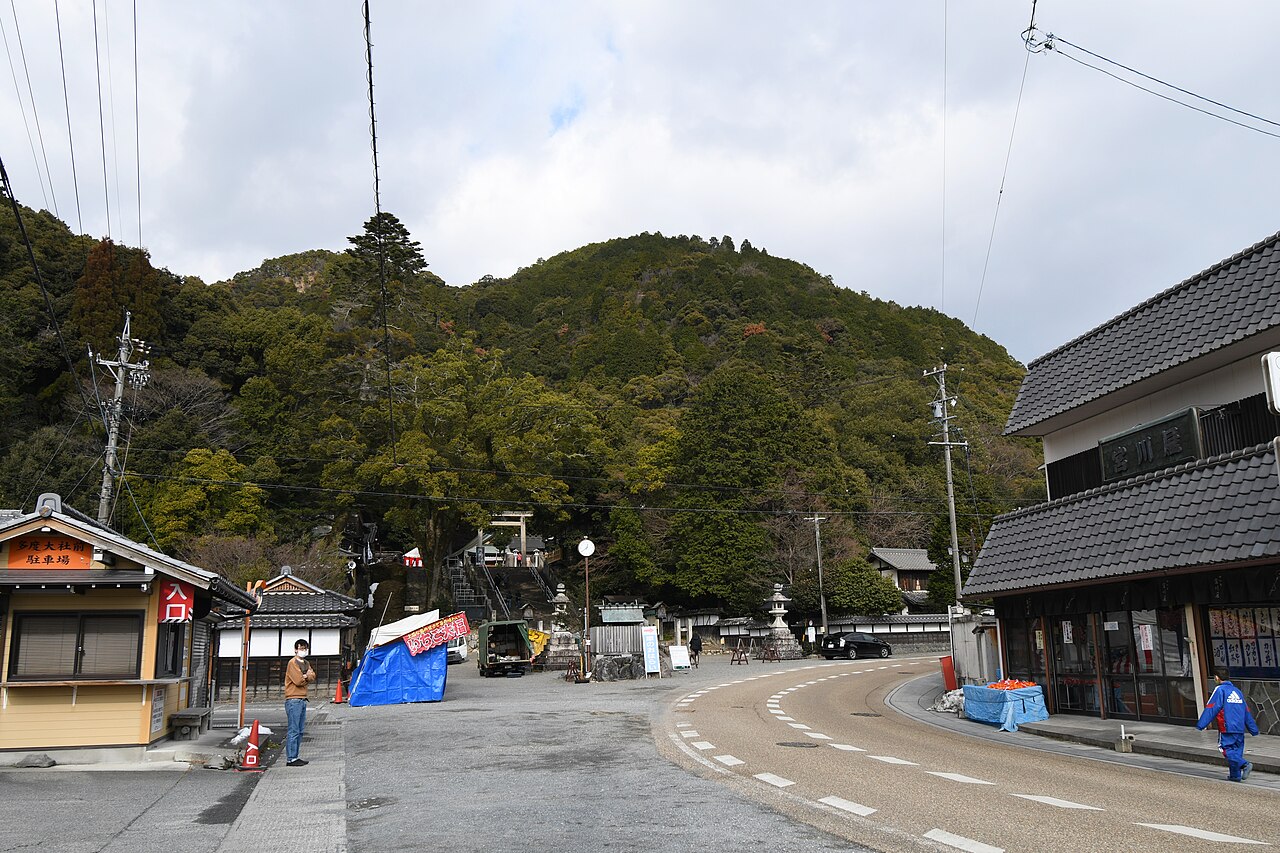
- Getting There: The journey is straightforward. From Nagoya, take the Kintetsu Line to Kuwana, then transfer to the Yoro Railway to Tado Station. The total travel time is approximately 70–80 minutes.
- Cultural Sensitivity: Keep in mind that the festival is a religious event. While the atmosphere is festive and, at times, boisterous, maintain a respectful demeanor. Be prepared to see the protest presence; it is an unavoidable part of the current festival environment.
Conclusion: A Living Legacy
The Tado Festival remains a testament to the resilience of Shinto tradition. While the Ageuma Shinji faces its greatest existential challenge in a millennium, its ability to draw thousands of people suggests that the desire to connect with the divine—and with the heritage of the past—remains a powerful force in modern Japan. Whether through the lens of history, the thrill of the sport, or the complexities of animal ethics, Tado Taisha invites us all to look closer at what we value and why we choose to keep certain flames burning. As the shrine prepares for its next cycle, it does so with the knowledge that it is not merely repeating the past, but actively negotiating the future.












No comments yet. Be the first to join the conversation!