Evan Lee Salim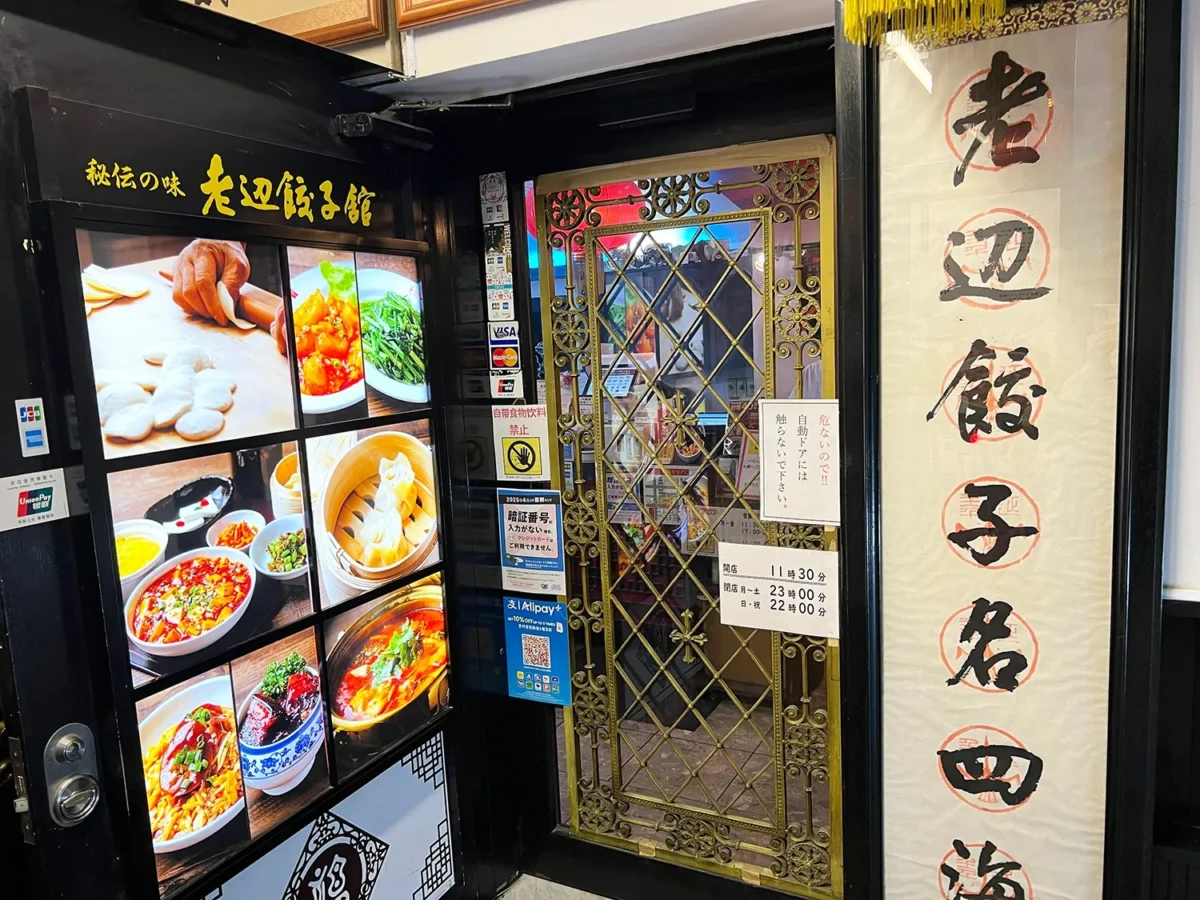
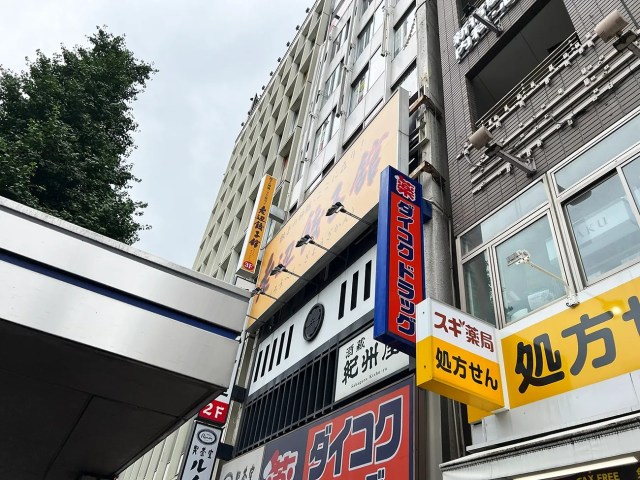
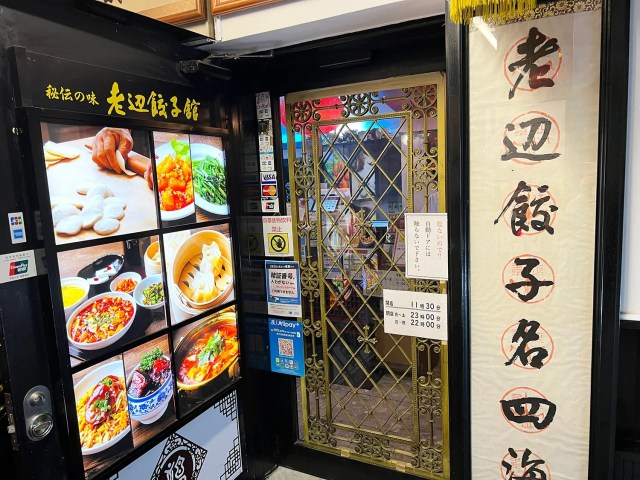
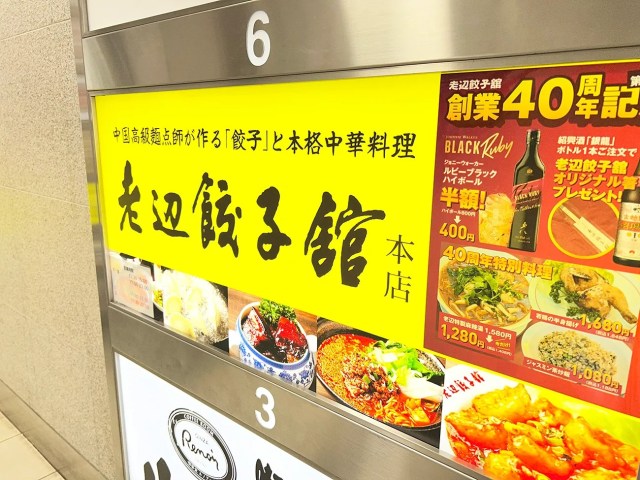
In the labyrinthine streets of Shinjuku, Tokyo, where the neon glow of modern commerce often masks the quiet endurance of tradition, there exists a culinary portal to the 19th century. For years, commuters and local office workers have hurried past the unassuming entrance of Rouben Gyozakan, often glancing at its signage with a vague intention to "check it out sometime." For our reporter, Seiji Nakazawa, that "sometime" finally arrived, leading to a revelation that transcends the standard Shinjuku lunch fare.
Beneath the veneer of a standard neighborhood eatery lies a legacy spanning nearly two centuries. Rouben Gyozakan—or Laobian Dumpling—is not merely another spot for a quick bite; it is an outpost of what is widely recognized as the oldest existing gyoza chain in the world.
The Weight of Two Centuries: A Historical Overview
The story of Laobian is one of persistence and culinary mastery. The restaurant’s lineage traces back to 1829, during the twilight years of China’s Qing Dynasty. It was founded by a man named Bian Fu, a visionary whose craft would eventually set the gold standard for dumpling preparation.
While the modern traveler might associate gyoza with the ubiquitous, pan-fried "potstickers" found in Japanese izakayas, the history of the Laobian craft is rooted in a much deeper tradition of artistry. The original shop in China gained fame not just for its ingredients, but for the precise, guarded techniques used to create the perfect balance of dough texture and savory filling.
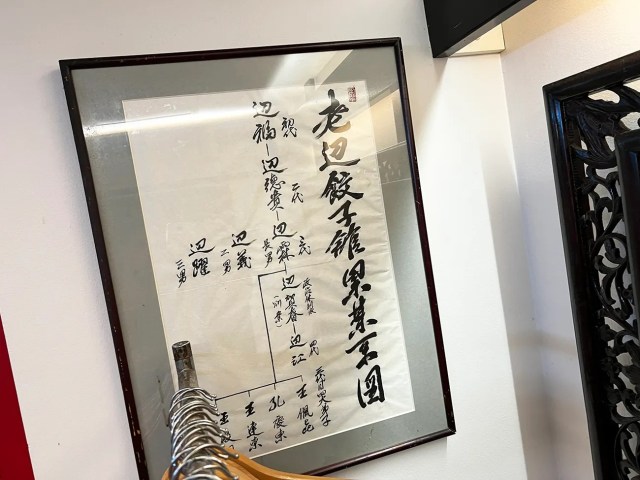
The Shinjuku branch, which recently marked its 40th anniversary, was established in 1986. To ensure that the passage of 150 years and a shift in geography did not dilute the integrity of the original recipes, the owners took the extraordinary step of inviting master chefs directly from the main branch in China. These culinary guardians were tasked with overseeing the kitchen to ensure that the "authentic taste" remained uncompromised. Today, an ornate family tree tracing the lineage back to founder Bian Fu adorns the walls of the Shinjuku restaurant, serving as a stark reminder that patrons are consuming a legacy, not just a meal.
Chronology of a Culinary Landmark
- 1829: Bian Fu establishes the original Laobian shop in China during the Qing Dynasty.
- 1986: The Shinjuku branch opens its doors in Tokyo, importing traditional methods and chefs from the Chinese headquarters.
- 2006–2025: The restaurant solidifies its reputation as a hidden gem in the Shinjuku restaurant district, maintaining a consistent, albeit low-profile, presence.
- 2026 (June): Our reporter conducts an in-depth review, discovering that the shop is recognized by the Shanghai Great World Guinness organization as the oldest gyoza chain in existence.
The Gastronomic Experience: Beyond the Pan-Fried Norm
Upon entering the restaurant, the menu declares, "The only restaurant in Japan where you can eat the closely guarded gyoza of Laobian Dumpling." It is a bold claim, and one that demands scrutiny.
The Pan-Fried Standard
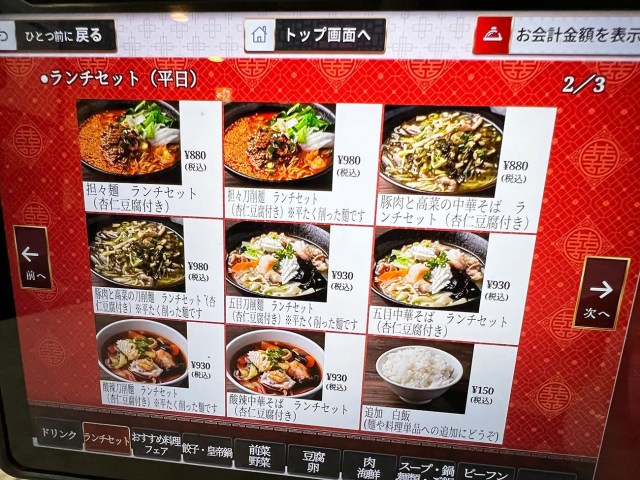
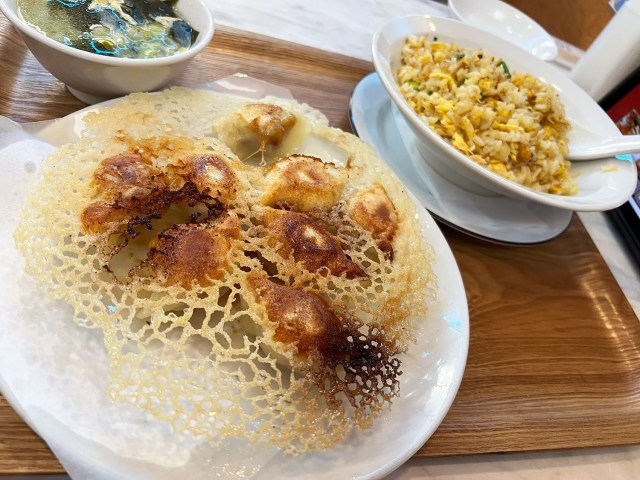
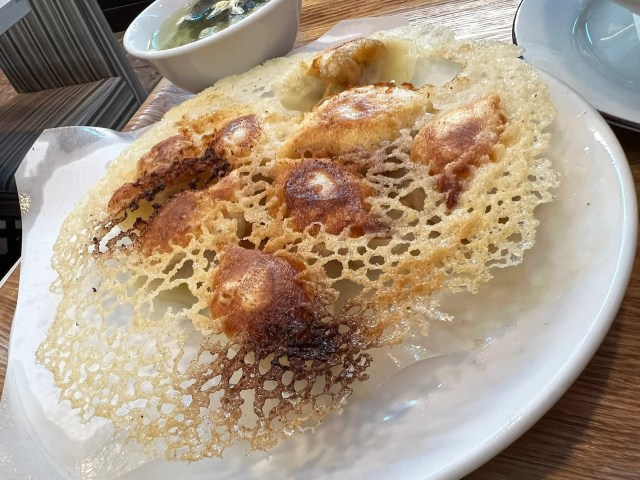
Seiji’s first foray involved the Eight Pan-Fried Gyoza (1,298 yen). Unlike the subtle, perhaps "dated" flavors one might expect from a 200-year-old recipe, the experience was jarringly vivid. The dumplings arrived with characteristic "wings"—the thin, crispy layer of starch formed during the frying process. The contrast between the crunch of the base, the chewy elasticity of the handmade wrapper, and the explosive, savory juices within offered a profile that felt surprisingly contemporary and bold.
Accompanying the dumplings was the Laobian Special Fried Rice (1,089 yen), a masterclass in texture. Where many fried rice dishes rely on heavy seasoning to mask mediocre technique, this dish allowed the eggs and rice to stand on their own merit, reflecting a mastery of wok hei (the "breath of the wok") that only decades of practice can produce.
The Steamed Revelation
The true epiphany, however, came from the menu’s finer print. The restaurant makes a distinct point of educating its patrons: "When people think of gyoza in Japan, they think of pan-fried gyoza, but in China, boiled gyoza is often made at home, whereas what people eat when dining out is steamed gyoza."
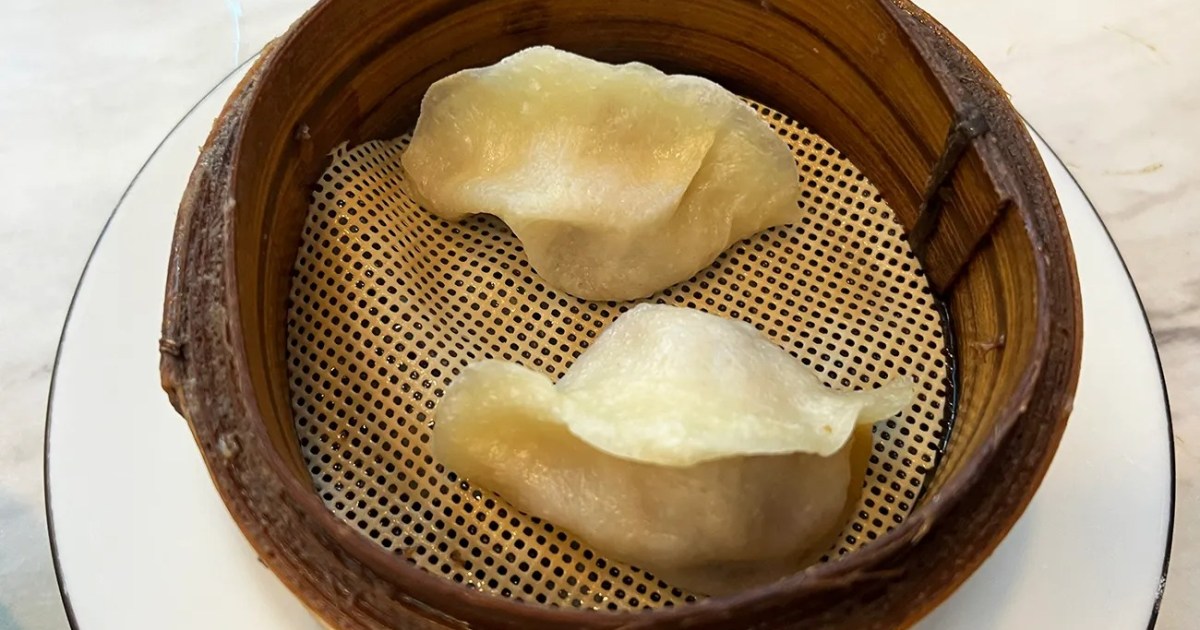
Acknowledging his oversight, Seiji ordered the "Chicken’s Comb-shaped Chicken Gyoza with Shiitake Mushrooms" (360 yen for two). This was where the "old world" technique truly shone. Upon biting into the steamed wrapper, a wave of concentrated meat juice was released—an intensity far surpassing the pan-fried variety. It was a stark reminder that while the Japanese palate has been trained to love the crispy crust of a fried gyoza, the steamed version is where the structural integrity of the dough and the purity of the filling are truly put to the test.
Supporting Data and Institutional Recognition
The status of Laobian as the "oldest gyoza chain" is not merely marketing hyperbole. According to the Shanghai Great World Guinness—China’s domestic equivalent to the global record-keeping authority—Laobian is officially recognized as the longest-running gyoza franchise.
For the skeptical diner, the internal documentation provided by the restaurant acts as the primary source of verification. The wall-mounted genealogy, combined with the presence of chefs who have been trained under the lineage of the original founders, creates a closed-loop system of quality control. This is not a "reimagining" of old recipes; it is a direct continuation of them.
Official Responses and Culinary Philosophy
While the management of the Shinjuku branch maintains a relatively humble presence in the competitive Tokyo dining scene, their philosophy is clear through their service. The staff emphasizes that the restaurant is a vessel for history. In an interview context, the management has often reiterated that their goal is to provide a "time capsule" experience.
They view the 1986 opening of the Tokyo branch as a bridge-building exercise. By bringing in the original masters, they avoided the common pitfall of "Japanization"—where flavors are significantly altered to suit local tastes, often losing the original character of the dish. Instead, they opted to maintain the complexity and richness typical of Northern Chinese dumpling culture, even if it meant challenging the expectations of the Japanese diner.
Implications for the Modern Diner
The story of Rouben Gyozakan serves as a poignant lesson for the urbanite. We often treat our city environments as static backdrops—the same train platform, the same street corner, the same shop signs we never look at twice.
However, this restaurant proves that the "siren calls" of undiscovered history are often just a doorway away. The implications for the culinary world are significant: in an era of hyper-processed, fast-casual dining, there remains a tangible value in heritage brands that refuse to compromise on their core technique.
For those who have a "must-try" spot they pass every day but never enter, the lesson of the Laobian experience is clear: stop waiting. The most profound culinary experiences are often hidden in plain sight, waiting for the moment we decide to stop commuting and start exploring.
Restaurant Information
- Location: Tokyo-to, Shinjuku-ku, Nishishinjuku 1-18-1, Ogawa Building 3F.
- Operating Hours:
- Monday–Friday: 11:30 a.m. – 3:00 p.m., 5:00 p.m. – 11:00 p.m.
- Saturdays: 11:30 a.m. – 11:00 p.m.
- Sundays and Holidays: 11:30 a.m. – 10:00 p.m.
- Website: rdcgroup.co.jp/brand/rouben/
As the world continues to move at a breakneck pace, places like Rouben Gyozakan remind us that while time changes many things, the taste of a well-crafted, 200-year-old recipe is a constant worth preserving.


 Neng Nana
 Asro
Asro