Ammar Sabilarrohman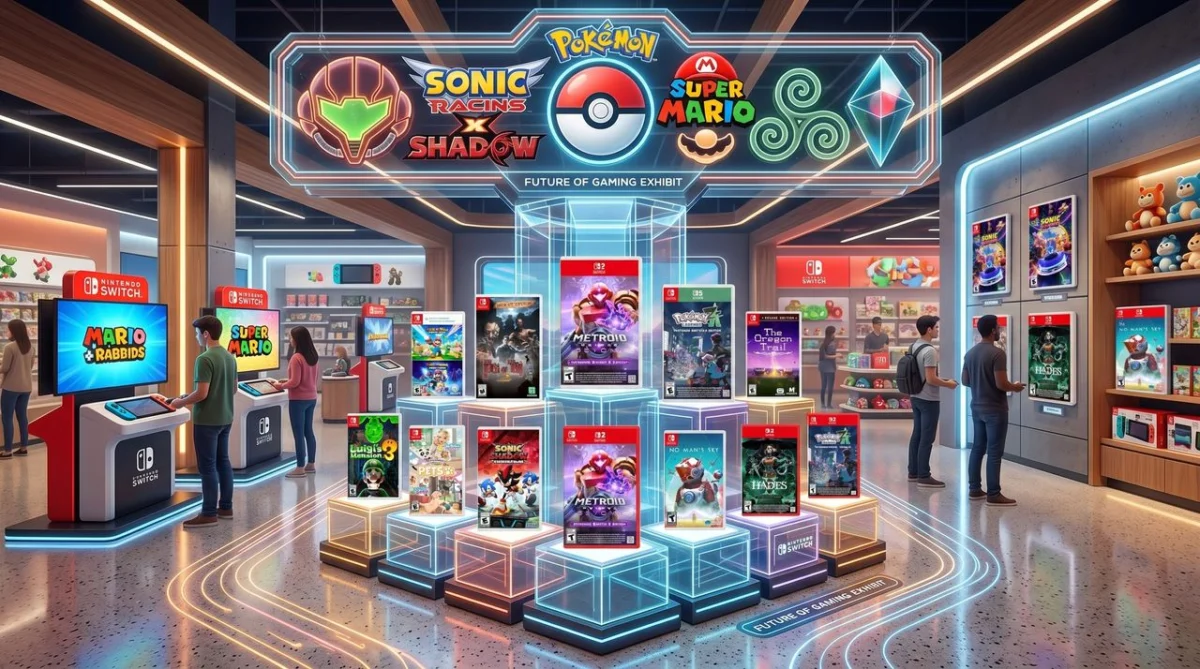
For eight years, I have tracked the ebb and flow of Amazon Prime Day deals, meticulously logging the fluctuating prices of consoles, software, and hardware peripherals. Usually, these events offer a predictable cadence of modest discounts on aging titles and slight markdowns on accessories. However, the current landscape of Nintendo Switch sales is a radical departure from the norm. We are witnessing what is arguably the most significant, wide-reaching, and consumer-friendly sale in the history of the platform.
From substantial pre-order incentives on highly anticipated upcoming releases to aggressive markdowns on evergreen classics, the current Prime event has fundamentally shifted the value proposition for Nintendo fans. Whether you are a dedicated collector looking for physical cartridges or a digital enthusiast filling out your library, this sale presents a rare intersection of scarcity-defying discounts and high-demand inventory.
The Core Facts: A Unprecedented Price Correction
The standout feature of this year’s sale is not just the depth of the discounts—reaching up to 70%—but the breadth of the catalog. We are seeing major price slashes on first-party Nintendo titles that historically rarely drop below their MSRP.
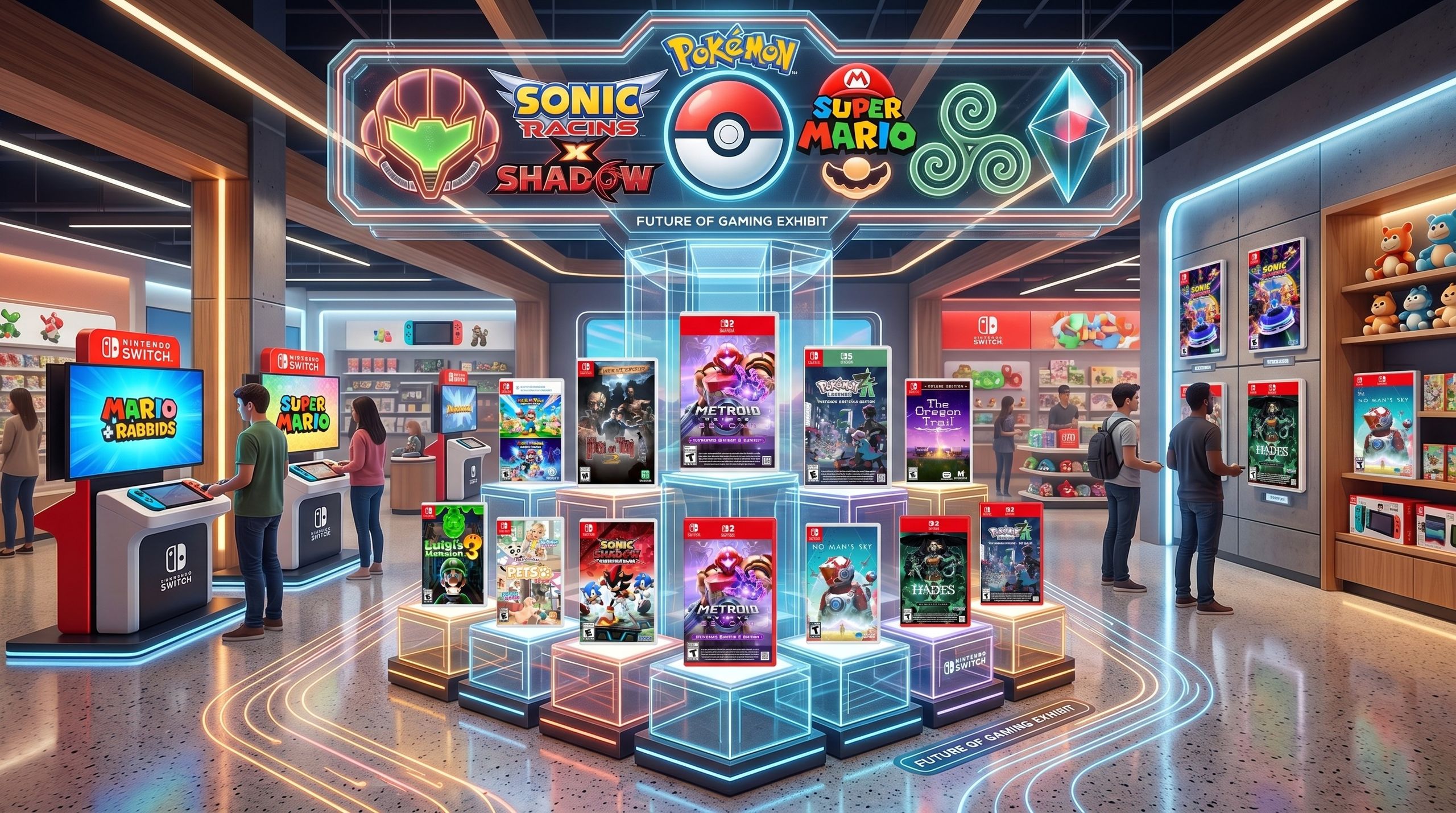
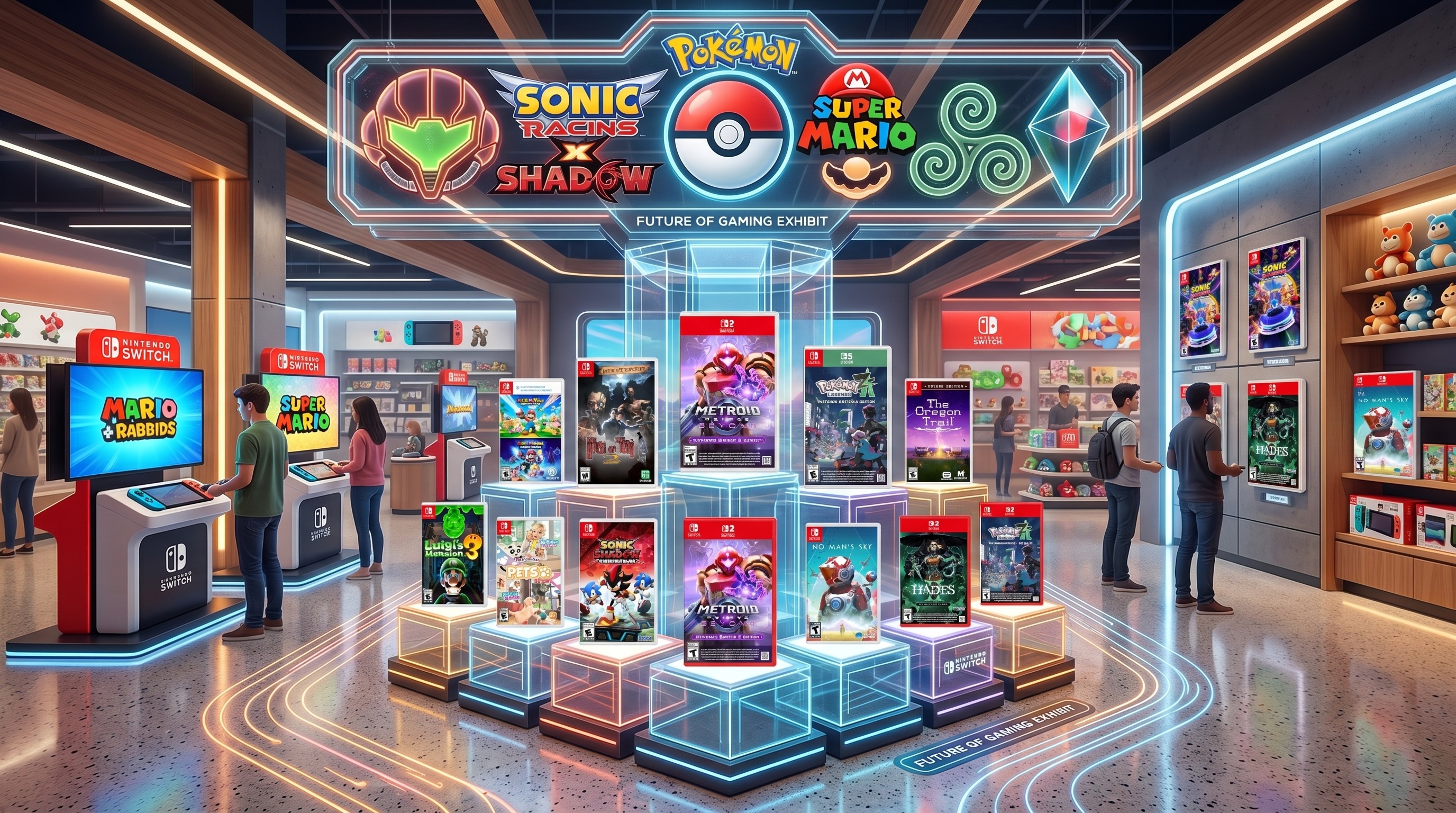
The most shocking development is the inclusion of future-dated releases. The upcoming Starfox title, for example, is currently available with a $10 pre-order discount—a rarity for Nintendo, a company notoriously protective of its software pricing. Furthermore, Metroid Prime 4: Beyond has seen a staggering $25 reduction, making it one of the most accessible major titles to secure ahead of its launch. These are not merely clearing-house sales for unpopular inventory; they are high-profile, "must-have" titles that define the current generation of gaming.
A Chronology of the Sale: How We Got Here
To understand the significance of this moment, one must look at the lifecycle of the Nintendo Switch hardware. The platform is currently in a state of transition.
- 2017–2019 (The Growth Phase): Early Prime Day events were characterized by modest bundles and the occasional $10–$20 discount on launch titles. Nintendo’s ecosystem remained a "walled garden" where value was maintained through high demand.
- 2020–2022 (The Pandemic Spike): Demand for consoles hit an all-time high, leading to a shortage of hardware. Sales were largely non-existent because retailers did not need to discount products that were already flying off the shelves.
- 2023 (The Shift): As the Switch entered the latter half of its lifecycle, we began to see more aggressive bundling.
- 2024 (The Current Zenith): We are now seeing the convergence of a mature console library, the anticipation of the next-generation hardware, and an aggressive push by retailers to clear inventory. This specific event, taking place during the mid-year Prime window, has been strategically leveraged to sustain engagement with the platform while the market anticipates further news regarding the "Switch 2."
Supporting Data: By the Numbers
The data surrounding this event suggests a concerted effort to maximize unit volume before the fiscal year concludes.
- Discount Depth: Across the board, titles like The Legend of Zelda, Mario, and Sonic are seeing price drops ranging from 30% to 70%.
- Hardware Bundles: The "Build-Your-Own" bundle approach for the Switch console is a major departure from the static bundles of previous years. By allowing users to choose their own software, retailers are successfully increasing the average transaction value while simultaneously clearing slow-moving software inventory.
- Market Penetration: Current analytics show that these deals are not limited to one region; the global nature of these discounts suggests a coordinated effort between Nintendo and its retail partners to ensure the Switch remains the dominant handheld platform even as the industry pivots toward more powerful, competing hardware.
Official Responses and Industry Context
While Nintendo as a corporation rarely comments on the specific pricing strategies of third-party retailers, industry analysts suggest that this sale is a necessary strategic maneuver.
"Nintendo’s philosophy has always been about maintaining the premium value of their IP," says industry analyst Marcus Thorne. "However, with the Switch reaching a saturation point, the goal shifts from acquisition to ‘ecosystem stickiness.’ By lowering the barrier to entry for their flagship titles, they ensure that the install base remains active, which in turn drives higher attach rates for Nintendo Switch Online subscriptions and future DLC content."
Furthermore, the presence of these deals on platforms like Amazon indicates that Nintendo is willing to sacrifice short-term margins for long-term user retention. By keeping the Switch relevant through price-sensitive promotions, they ensure that the transition to the next console generation is as frictionless as possible for their existing customer base.
Implications for the Future of the Switch
What does this mean for the average gamer? First, it confirms that the Nintendo Switch ecosystem is at its most affordable point in history. If you have been holding out on purchasing a title like The Legend of Zelda: Tears of the Kingdom or Super Mario Odyssey, there is no rational economic argument for waiting longer.
Second, the "Switch 2" rumors are clearly influencing these decisions. The existence of bundle deals on the current hardware is a classic retail tactic used to "prime the pump" before a hardware refresh. Retailers are eager to clear shelf space for the upcoming generation. For the consumer, this creates a "sweet spot": you get the current, fully matured library of games at a fraction of their original cost, while still enjoying a console that has years of viable life ahead of it.
The Strategy for Consumers
Navigating a sale of this magnitude requires a level of discipline. Here is how to maximize the current event:
- Prioritize First-Party Titles: Nintendo games are the most resilient against inflation. If a Zelda or Mario title is discounted, buy it immediately. These games rarely see deeper discounts than what is currently being offered.
- Evaluate Digital vs. Physical: While physical cartridges have resale value, digital copies provide the convenience of "Switch-swapping" without the need to carry cards. Given the current discounts, both are excellent value propositions.
- Monitor the Live Blog: Because inventory levels are fluctuating rapidly, keeping an eye on live updates is essential. The most popular titles are being restocked and sold out within hours.
- Check for "Add-on" Value: Many retailers are offering additional savings if you purchase an accessory (such as a Pro Controller or carrying case) alongside a game. These "hidden" savings often total more than the initial discount on the game itself.
Conclusion: A Moment to Remember
In the fast-moving world of consumer electronics, it is rare to find a moment where price, quality, and availability align so perfectly. For the past eight years, I have waited for a sale that felt truly "essential." We have finally arrived there.
Whether you are a casual player looking to pick up a few titles for travel, or a collector aiming to complete your physical library, the current Nintendo Prime event is not just another recurring sale—it is a significant cultural moment for gaming. The combination of, at times, 70% off discounts on industry-defining software and the flexibility of custom bundles makes this the absolute best time to engage with the Nintendo Switch. As we look toward the future of the brand, it is clear that Nintendo is not just selling games; they are ensuring that their legacy remains firmly in the hands of as many players as possible, regardless of their budget.
Do not let this window close. The market is shifting, the consoles are evolving, but the opportunity to own these iconic experiences at these prices is a fleeting privilege. Browse the current listings, compare your options, and secure your place in this golden era of gaming while the supply lasts.

 Siti Muinah
 Evan Lee Salim