Muslim
In the evolving landscape of Japan’s fitness industry, a major player has found itself at the epicenter of a heated social debate. chocoZap, a discount gym chain operated by RIZAP Group, has rapidly expanded its footprint across the nation, promising convenience and affordability. However, its recent push to establish "women-only" facilities and zones has exposed deep-seated fissures regarding gender safety, the efficacy of staffless business models, and the limits of social enforcement in a digital age.
As the chain scales its experiment to nearly 300 locations, it is grappling with a fundamental paradox: how to guarantee safety in a space devoid of human supervision. The resulting outcry—pitting concerns for female security against accusations of exclusionary practices—reflects a broader, ongoing struggle in Japanese society to balance modern safety needs with traditional social norms.
The Business of Convenience: The chocoZap Model
chocoZap has revolutionized the Japanese fitness market by stripping away the frills of traditional gyms. For a monthly fee of approximately 3,278 yen ($22 USD), members gain access to an expansive network of over 1,800 facilities. The gyms are designed as "lifestyle hubs," often housing not just treadmills and weight machines, but also self-service laundry facilities, beauty treatment stations, and even karaoke rooms.
The core of the chocoZap business model is the "unmanned" facility. By removing staff, the company significantly reduces overhead, allowing for a hyper-competitive price point and rapid geographical expansion. However, this lack of oversight has become a liability. In a country where sexual harassment and molestation are chronic, often under-reported issues, the prospect of entering a secluded, staffless room—even in a gym—carries a heavy psychological burden for many women.
Chronology of a Controversy
2023: The Hair Removal Backlash
The tension surrounding gender-specific services is not new for RIZAP. In 2023, the chain implemented a policy restricting men from using the hair removal (depilation) machines at its locations. The decision was rooted in a protective logic similar to that which governs purikura (photo booth) usage in arcades: these machines are primarily utilized by women, and their use requires a level of privacy that could be compromised if men are present.
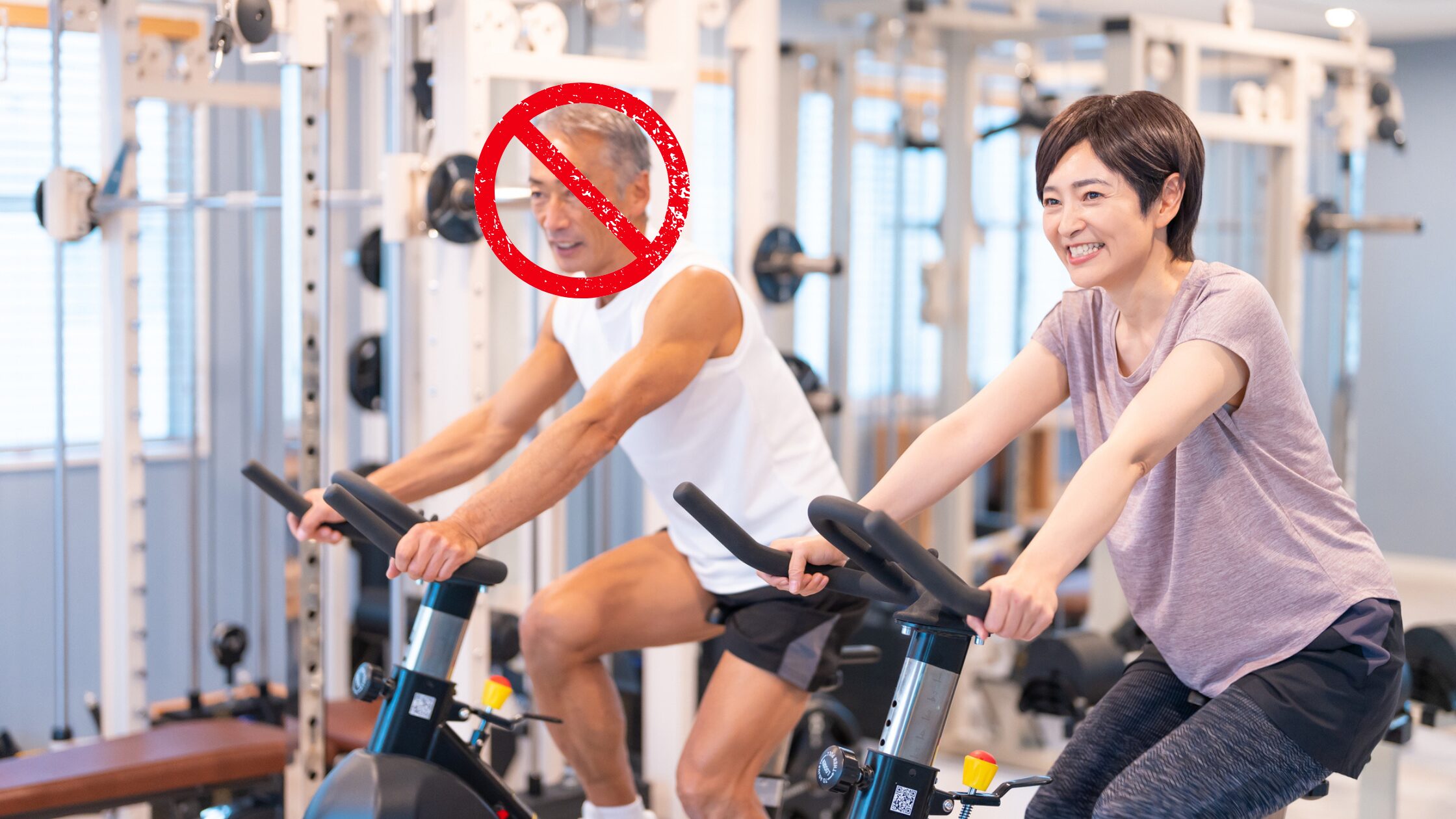
The backlash from male members was immediate and intense. Critics argued that the policy unfairly limited the services they were entitled to as paying members, characterizing it as a discriminatory act against men. Facing immense pressure and public criticism, the chain was forced to reverse the policy, a move that served as a precursor to the current, more complex debate.
May 2026: The "Women-Only" Expansion
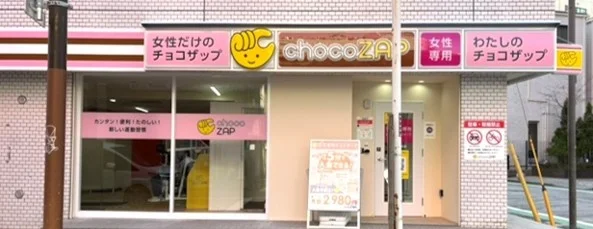
On May 14, 2026, RIZAP announced it would scale up its trial of women-only facilities. Initially restricted to 16 stores, the plan proposed expanding this to 300 locations, alongside the introduction of women-only private rooms, bookable via the official app. The company positioned this as a response to growing consumer demand for "safe spaces" where women could exercise or use beauty services without fear of unwanted attention or harassment.
June 2026: The Social Media Tipping Point
The initiative quickly spiraled into a PR crisis. The branding itself was the first target; the use of bright pink signage to denote women-only zones was criticized as regressive and stereotypically gendered, with one user on social media describing the aesthetic as reminiscent of "nightlife establishments" rather than fitness centers.
The situation escalated when a female user posted on the platform X (formerly Twitter) that she had booked a "women-only" room, only to encounter a man exiting it. This was not an isolated incident; other users soon corroborated the claim, revealing that the "women-only" designation was, in practice, a suggestion rather than a rule.
The "Goodwill" System and Its Failures
Following the outcry, RIZAP issued an official apology, acknowledging that the system was built on "goodwill" rather than technological enforcement. While the app labeled rooms as "women-only," the booking software lacked the backend logic to actually prevent male members from reserving them.
This admission highlighted a critical flaw: in an era of automated, staffless retail, trust is an insufficient security protocol. RIZAP stated it is currently developing a system to restrict reservations by gender and is exploring the integration of member ID checks at the point of entry. However, the damage to consumer confidence had already been done.
The Context of Gendered Spaces in Japan
To understand the volatility of the chocoZap situation, one must look at the historical precedent of gendered spaces in Japan.
- Women-Only Parking: Since the 1980s, department stores have designated parking spots for women. Originally framed as an accommodation for those "not confident in their driving," these spaces have evolved into recognized safety zones.
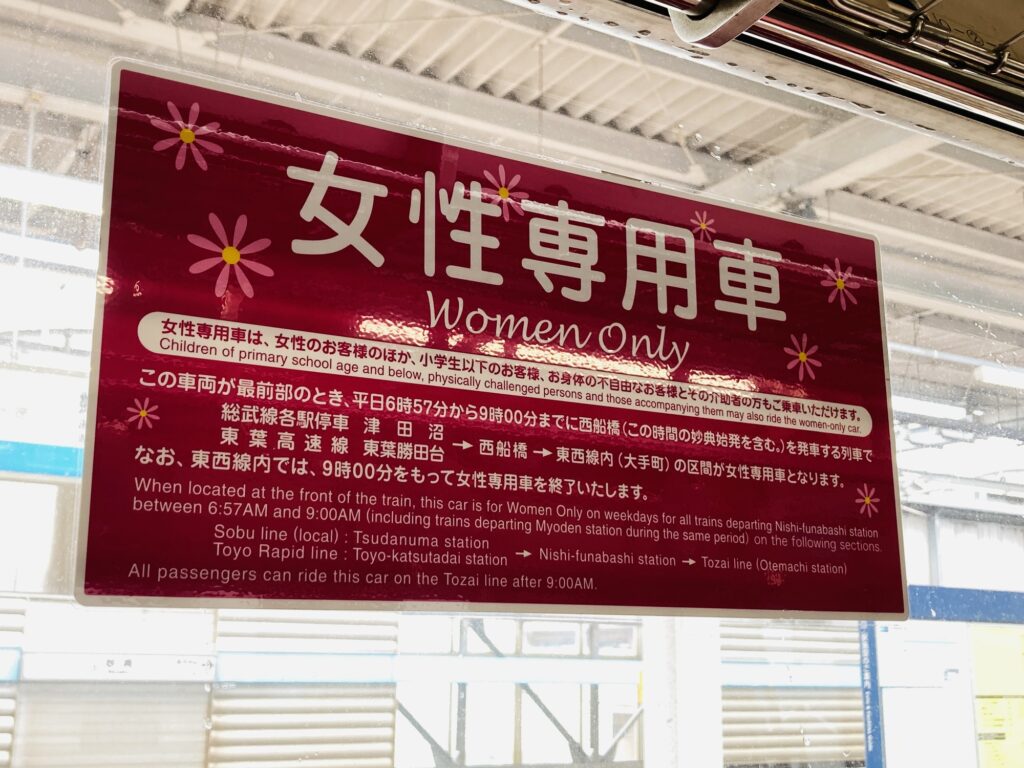
- Women-Only Train Cars: Introduced in the early 2000s to combat widespread groping, these cars are common on busy commuter lines in the Kanto region. Unlike the gym situation, these train cars benefit from "social enforcement." Because they are crowded and public, a man entering such a car is immediately visible, leading to swift social shaming—a powerful deterrent in Japanese culture.
The failure of the chocoZap model lies in the difference between a crowded, public train car and a private, isolated gym room. When a man enters a women-only train car, he is challenged by dozens of onlookers. When he enters a private chocoZap room, he is shielded by the very privacy the room was designed to provide.
The Dilemma of Enforcement: Legal vs. Social
The "Association Opposing Women-Only Cars," an activist group that protests the existence of gender-segregated train carriages, serves as a reminder that these policies are rarely backed by rigid legal mandates. In Japan, gender-segregated spaces exist in a legal grey area; they are voluntary social contracts.
However, as RIZAP attempts to formalize these restrictions, it faces a mounting legal and ethical dilemma. If the company moves to enforce gender-based entry through identification, it must define "gender." In a nation where transgender rights have become a flashpoint—and where public support for trans inclusion has seen a significant decline in recent years—implementing a "legally recognized gender" requirement could trigger a secondary, even more vitriolic debate regarding the rights of transgender women to access these safe spaces.
Economic and Social Implications
The chocoZap controversy is ultimately a symptom of the "staffless store" trend. As Japan faces a severe labor shortage, companies are aggressively pursuing automation to keep costs low. Yet, the removal of human staff creates a vacuum of accountability.
- The Loss of Trust: The shift from service-based businesses to app-managed, unmanned environments has fundamentally altered the relationship between service provider and consumer. When the "service" includes personal safety, the lack of a human intermediary becomes a liability.
- The Cost of Inclusivity: If RIZAP invests in biometric or ID-based verification systems, the cost of operating these gyms will inevitably rise. This challenges the very affordability that made the chain successful in the first place.
- The Societal Divide: The debate reflects a deepening polarization. On one side are women who feel that the normalization of sexual harassment in Japan makes these "safe spaces" a necessary adaptation. On the other side are men who argue that gender-based restrictions are a form of discrimination that erodes the principle of equal access to services.
Conclusion: A Future of Friction
The chocoZap incident serves as a microcosm of the challenges Japan faces in the 21st century. The country is attempting to modernize its economy through automation while struggling to address archaic gender dynamics and persistent issues of sexual violence.
RIZAP’s attempt to provide a "safe space" was a tacit admission of a social failure—the inability of the public sphere to protect women from harassment. However, by failing to provide robust enforcement mechanisms, the company effectively placed the burden of safety back onto the victims, leading to the current outcry.
As the company moves toward more rigid verification systems, the debate will likely shift from the logistics of gym access to the ethics of gender definition and the limits of surveillance. One thing remains clear: as long as the underlying issues of harassment and the lack of social safety remain unaddressed, the friction surrounding "women-only" spaces in Japan will only continue to intensify. There is no simple technological fix for a problem that is, at its core, deeply rooted in the social fabric of the nation.


 Neng Nana
 Asro
Asro