Neng Nana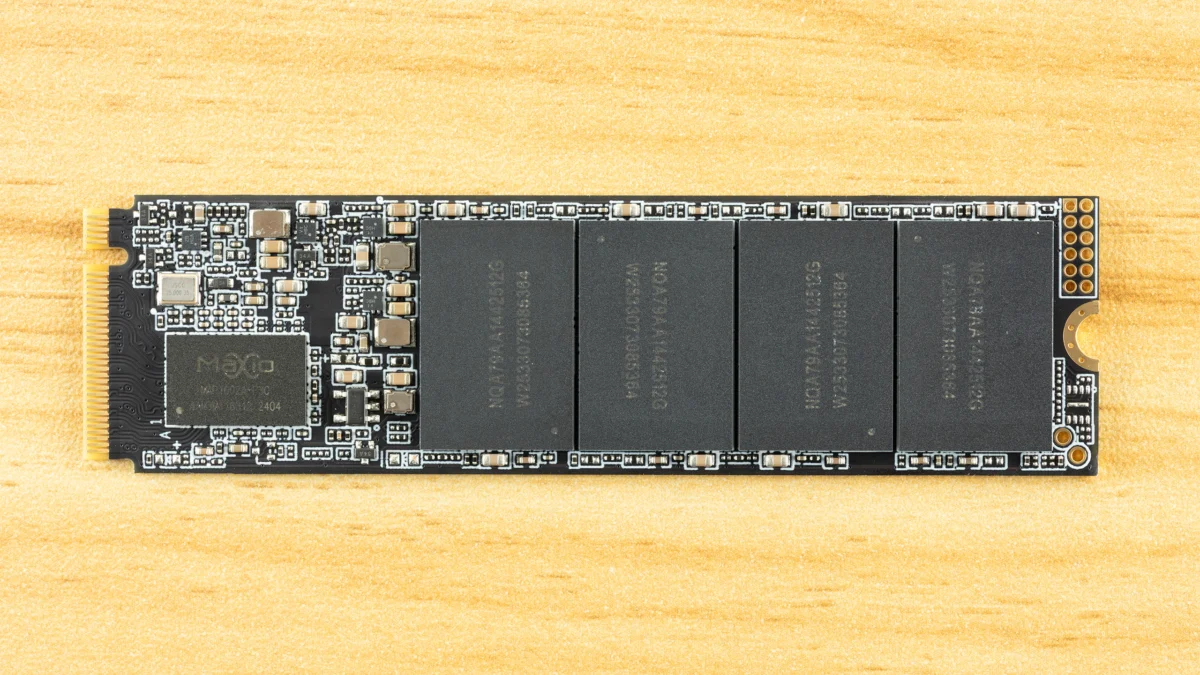
In the rapidly evolving landscape of NVMe storage, the market is frequently flooded with "no-name" drives originating from offshore marketplaces. Amidst this noise, the Goodram PX700 emerges as a refreshing, albeit somewhat mysterious, contender. As a product of Wilk Elektronik—a seasoned memory manufacturer based in Poland—the PX700 carries the weight of a reputable European brand. While it positions itself as a budget-friendly PCIe 4.0 solution, our rigorous testing reveals that its performance profile frequently punches above its weight class, delivering a user experience that rivals many premium-tier drives.
Main Facts: What is the Goodram PX700?
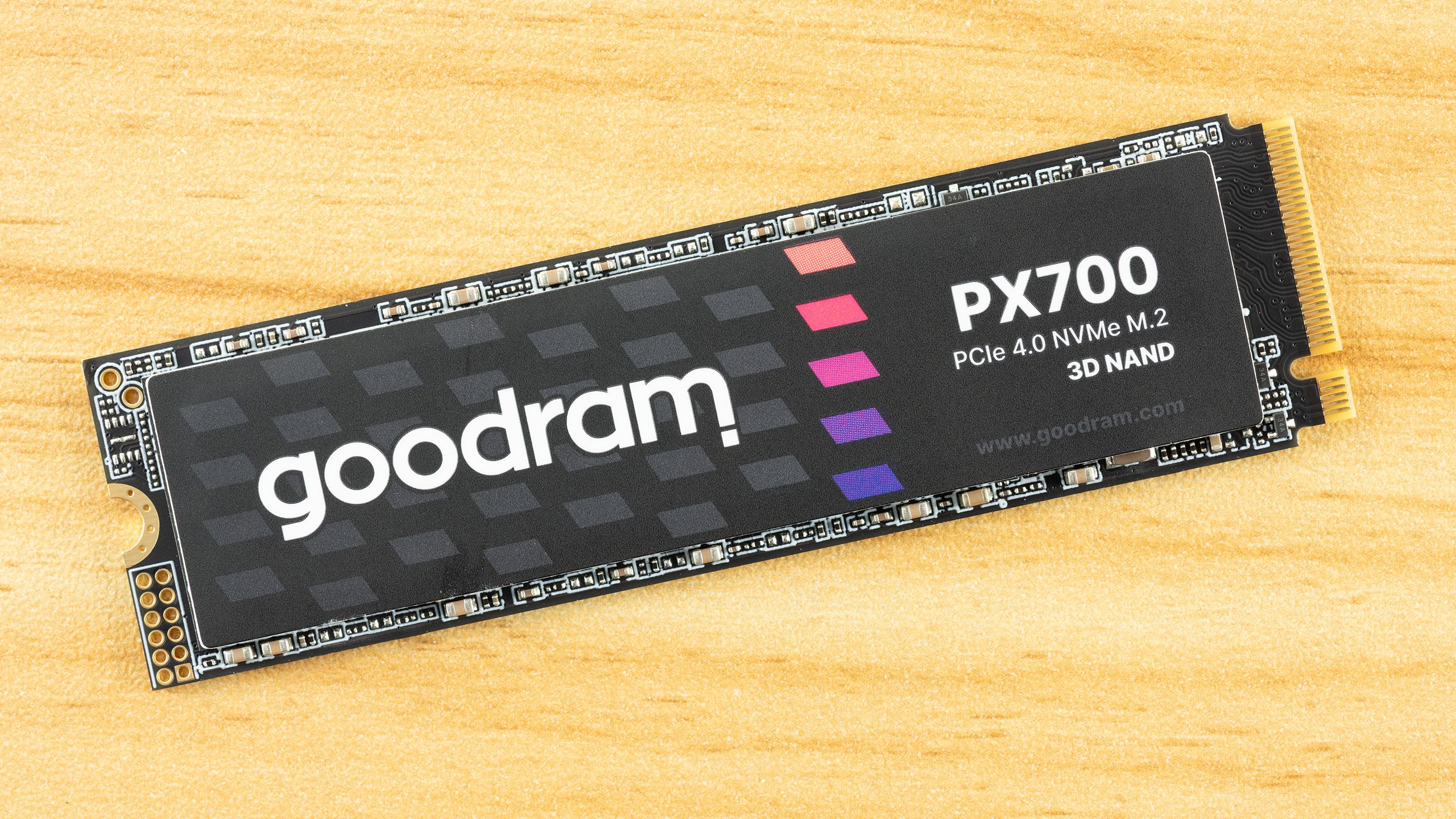
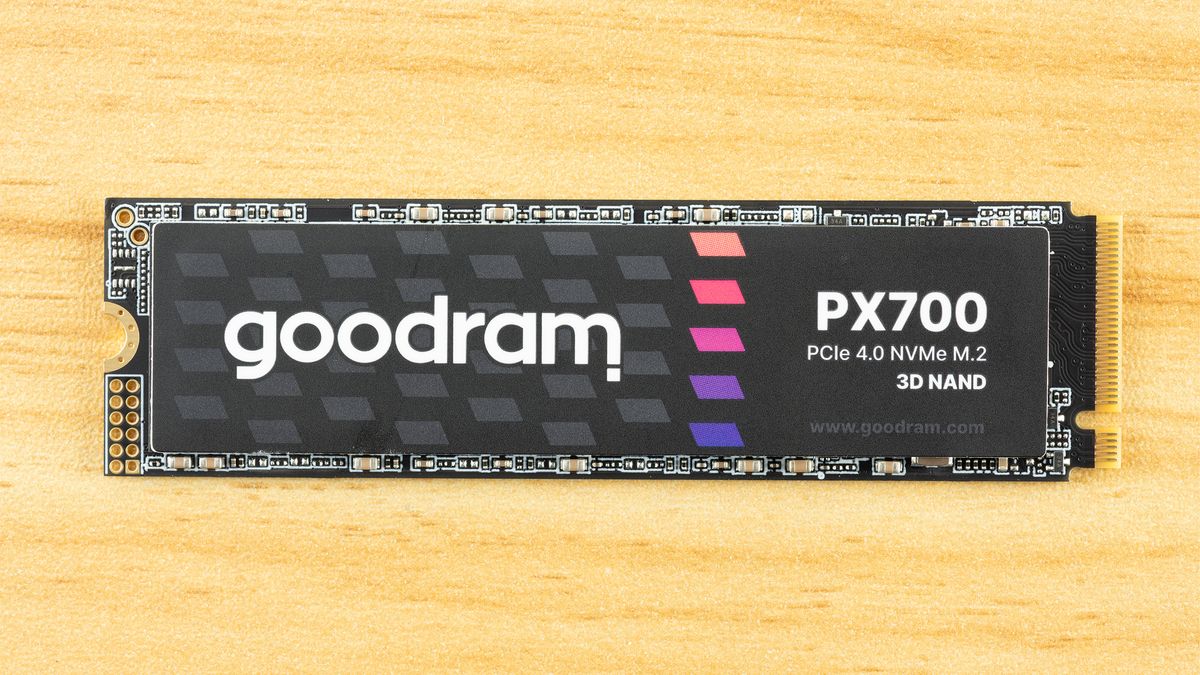
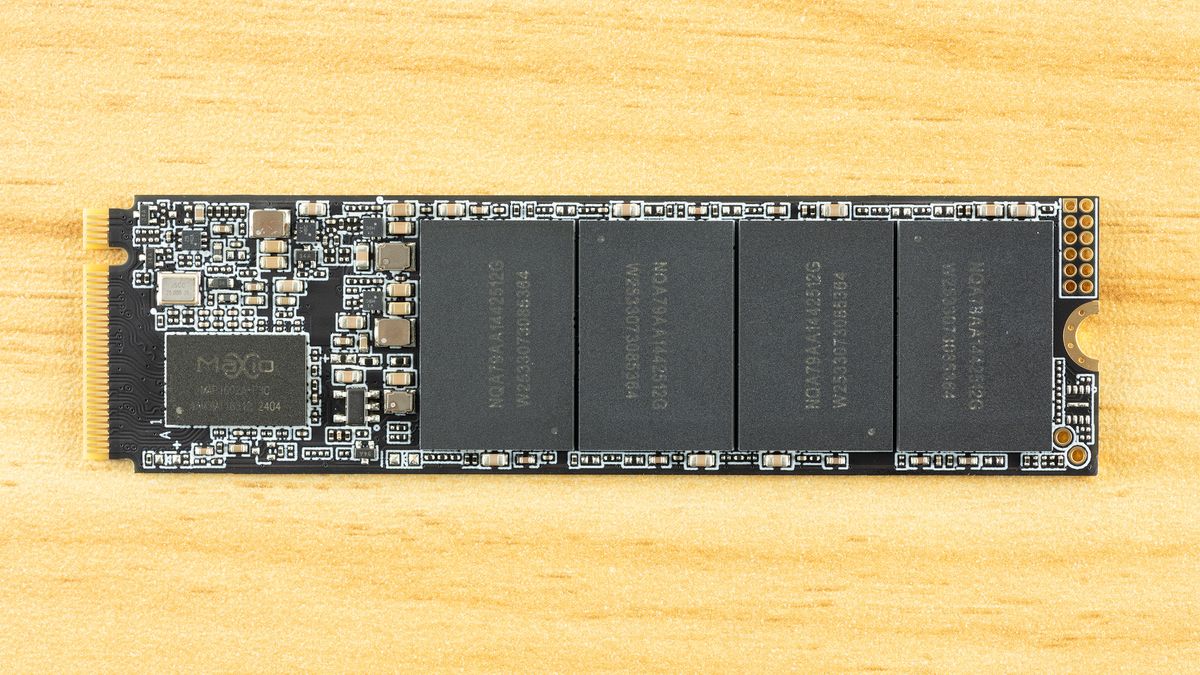
The Goodram PX700 is a single-sided M.2 2280 NVMe SSD designed to leverage the full bandwidth of the PCIe 4.0 interface. It is currently available in 1TB, 2TB, and 4TB capacities. Under the hood, it utilizes the popular Maxio MAP1602 controller, a DRAM-less, four-channel powerhouse that has become the industry standard for high-efficiency, cost-effective SSDs.
Key specifications include:
- Interface: PCIe 4.0 x4 / NVMe 2.0
- Sequential Performance: Up to 7,400 MB/s (Read) and 6,500 MB/s (Write)
- Random Performance: Up to 1,000K IOPS (Read)
- Form Factor: Single-sided M.2 2280
- Endurance: 600TBW per 1TB of capacity
The drive’s most defining characteristic is its balance: it manages to run remarkably cool while maintaining high-end speed metrics, making it an excellent candidate for laptops, small form factor (SFF) builds, and consoles like the PlayStation 5 or the Steam Deck.
Chronology of the Drive’s Development and Market Entry
Goodram, while perhaps less recognizable to North American audiences than legacy giants like Samsung or Western Digital, has deep roots in the European memory industry. Based in Poland, Wilk Elektronik has operated for decades as a premier memory assembler. The PX700 represents their latest effort to capture the mainstream PCIe 4.0 market.
Historically, the segment occupied by the PX700 was dominated by drives using proprietary controllers and expensive DRAM caches. However, as flash NAND technology matured—particularly with the introduction of 232-layer nodes—manufacturers like Goodram began shifting toward the Maxio MAP1602 controller. This shift allowed for a "best of both worlds" scenario: the drive could achieve the high throughput of early Gen4 drives while benefiting from the superior thermal efficiency of modern, smaller-process hardware. The PX700 entered the market as a reliable, locally supported alternative to the transient, often unvetted storage solutions appearing on platforms like Amazon and AliExpress.
Supporting Data: Performance and Technical Analysis
Our testing environment focused on real-world workflows, synthetic benchmarks, and thermal stress tests.
Performance Metrics
In sequential workloads, the PX700 comfortably hits its advertised speeds of 7,400 MB/s. During file transfers, the drive remained consistent, showing little of the performance degradation often associated with DRAM-less drives thanks to the effectiveness of the Host Memory Buffer (HMB) feature. While sustained write performance—the act of writing hundreds of gigabytes in a single session—saw a dip, this is a negligible factor for 95% of home users, gamers, and office professionals.
Thermal and Power Efficiency
One of the most impressive aspects of the PX700 is its thermal profile. Because it is a single-sided drive, the controller and NAND packages are easily accessible for cooling solutions. However, in our open-bench testing, the drive barely broke a sweat during heavy read operations. This thermal efficiency is crucial for users installing the drive in cramped laptop chassis or PS5 slots where airflow is limited.
The Flash Memory Conundrum
Identifying the exact NAND inside the PX700 remains an investigative challenge. The TBW ratings (600TBW for the 1TB model) are strong indicators of high-quality TLC (Triple-Level Cell) flash. While some competitors in this price bracket have shifted to QLC (Quad-Level Cell) to cut costs, Goodram’s endurance ratings suggest they are adhering to a more robust standard. While we suspect the use of high-density YMTC or Micron 232-layer flash, the drive’s firmware remains encrypted, preventing standard diagnostic utilities from reading the specific NAND ID. Ultimately, the performance speaks for itself: it is fast, durable, and reliable.
Official Stance and Market Positioning
Goodram has not issued a formal press release detailing the specific supply chain for the PX700, which is standard practice in an industry where controller and NAND sourcing can shift based on global supply constraints. However, the company’s emphasis on European assembly, testing, and warranty support provides a significant "trust premium."
In an era of NAND shortages, the current pricing of the PX700—ranging from $348 for the 1TB to $613 for the 2TB at various retailers—is somewhat aggressive. These prices, likely inflated by low market availability rather than inherent production costs, place the drive in a difficult spot. For the drive to be a "must-buy," market analysts suggest it should sit closer to the $200–$300 range for the 2TB capacity. Goodram is banking on the "Made in EU" reliability and a solid five-year warranty to justify the cost over generic competitors.
Implications: Is the PX700 Right for You?
The Goodram PX700 is a classic example of "premium-performance at a mainstream price," provided you can find it at a reasonable market rate.
Why you should buy it:
- Reliability: Unlike unvetted imports, you have a clear path for support and warranty claims through an established European firm.
- Efficiency: It runs cool and consumes little power, making it ideal for laptops.
- Performance: It delivers peak Gen4 speeds that make it indistinguishable from much more expensive "pro-sumer" drives in daily usage.
Considerations:
- Price Volatility: At the time of this review, prices are high due to market fluctuations. It is recommended to wait for a promotional period or a supply stabilization before pulling the trigger.
- Software Support: Goodram does not provide a proprietary SSD toolbox. Users will need to rely on industry-standard third-party tools like CrystalDiskInfo for health monitoring or Clonezilla for drive imaging.
Final Verdict
The Goodram PX700 is a "stealth" performer. It doesn’t rely on aggressive marketing or flashy heatsinks to stand out. Instead, it relies on solid, consistent engineering that delivers exactly what the modern power user needs: high-speed storage that doesn’t overheat or fail under pressure. While its current pricing is a hurdle, the fundamental hardware is excellent. If you are a user who values long-term support and reliable, European-backed manufacturing, the PX700 is a storage upgrade that deserves your attention. It proves that you don’t need a household name to get a top-tier computing experience—sometimes, the best gear is the one that simply works, every single time.


 Sagoh
Sagoh
 Asro
Asro