Laily UPN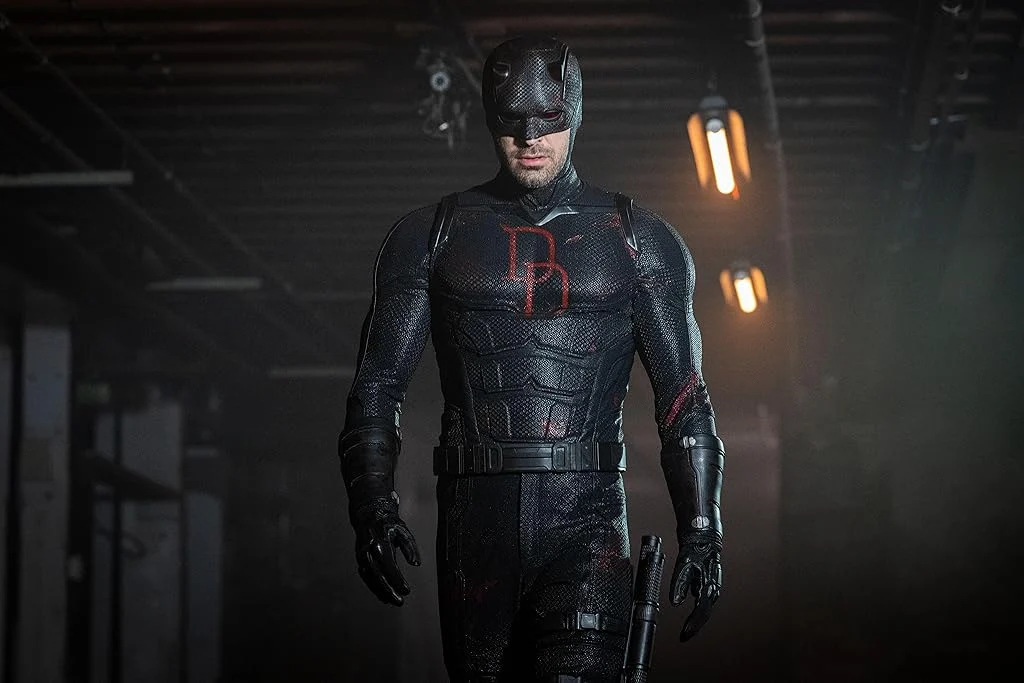
By Greg Mysogland
The evolution of television distribution—specifically the shift from traditional weekly broadcasts to binge-friendly streaming drops—has sparked a contentious debate among critics and audiences alike. While the prevailing argument suggests that the "binge model" undermines the slow-burn tension essential to serialized storytelling, Daredevil: Born Again Season 2 offers a nuanced counter-argument. By coupling the premiere with a double-header release for its second week, Disney has provided a structural blueprint for how streaming flexibility can enhance, rather than hinder, narrative momentum.
As the series barrels toward its climactic crossover with the upcoming The Mandalorian and Grogu film and the Punisher: One Last Kill special, the decision to bundle episodes 2 and 3 serves a dual purpose: it bypasses the potential for viewer fatigue and allows for a cohesive exploration of the escalating conflict between Matt Murdock and Wilson Fisk’s tightening grip on New York City.
The Chronology of Resistance: Episodes 2 and 3
The second week of the season begins with "Shoot the Moon," an installment that, while slower in pacing than its predecessors, serves as a vital connective tissue for the season’s overarching arcs. It moves beyond simple action, focusing on the ripple effects of the premiere’s dramatic events. The episode navigates the legal fallout of Jack Duquesne’s trial—a harrowing display of the judicial rot festering under Fisk’s administration—and builds the psychological landscape for the characters caught in the crossfire.

The momentum peaks in the third episode, "The Scales & The Sword." If "Shoot the Moon" was about the preparation for battle, this hour is about the execution. It culminates in a daring infiltration of the Red Hook facility, where Matt Murdock and Karen Page attempt to liberate Jack and the other detainees held by Fisk’s forces. The sequence is a masterclass in modern action choreography, signaling a return to the visceral, high-stakes combat that defined the original Netflix series while pushing the boundaries of the character’s current capabilities.
Supporting Data: Corruption and the "City Without Fear"
The narrative core of these episodes lies in the overt decay of New York’s institutional integrity. The Anti-Vigilante Task Force (AVTF) has moved beyond the fringes of legality, engaging in blatant, unconstitutional abductions that signal a transition into full-blown fascism.
Yet, the resistance is mounting. Karen Page’s anonymous outreach to Governor Marge McCaffrey (Lili Taylor) introduces a potent new variable into the political landscape. Taylor’s performance imbues the governor with a steely, pragmatic resolve, hinting that Fisk’s unchecked power may finally be meeting a legitimate institutional challenge.
Simultaneously, the internal rot within Fisk’s own camp is becoming impossible to ignore. The tension between Daniel and Buck Cashman (Arty Froushan) serves as a microcosm for the fragile loyalty inherent in a criminal empire. As Daniel begins to suspect he is being groomed as a "fall guy" for the administration’s inevitable collapse, his shift from true believer to survivalist creates a compelling dynamic. Even the villains are beginning to recognize the writing on the wall: their "glory days" are fleeting, and the cost of maintaining their position is rising.
Character Arcs: The Internal Haunted House
Vanessa Fisk remains the most tragic figure in this power dynamic. The series’ use of surreal, dreamlike imagery—most notably the shifting lighting and hallucinations—effectively communicates the psychological weight of her betrayal of Dex. Dex, lurking in the shadows of the mayoral events and seeking confession at St. Agnes/Clinton Church, is portrayed as a volatile element.
The showrunners are walking a razor’s edge with Dex’s character. His insanity, while a potent narrative tool, requires a delicate touch to remain grounded in the series’ history. His current fixation on Matt Murdock—viewing him as an unlikely role model in their shared hatred for the Fisks—is a fascinating, if unstable, development.
Meanwhile, Wilson Fisk himself continues to operate with a mixture of terrifying competence and hubris. His refusal to simply eliminate Matt Murdock, choosing instead to manipulate the narrative by framing him for kidnappings, reveals a complex psychological profile. Vincent D’Onofrio’s delivery of the line, "He saved me," captures the precise, toxic blend of gratitude and resentment that defines Fisk’s obsession with the man he once called an adversary.
The Technical Execution: Returning to Form
The standout moment of these episodes is undoubtedly the prison break at Red Hook. The sequence echoes the famous "one-shot" fights of the Netflix era, though it utilizes modern editorial techniques to blend multiple long takes. Unlike the sometimes over-reliant CGI seen in the series pilot, the Red Hook sequence strikes a balance between practical stunts and digital enhancement.

This combat feels different; it is not just a fight for survival, but a mission of liberation. Seeing Matt Murdock, fully armored and strategically focused, dispatch guards while protecting the vulnerable, highlights his growth. The integration of Jack Duquesne’s fencing background into the chaos provides a visceral reminder that this is a team effort. The scene where Dalton (Jack) turns a piece of piping into a weapon is a small, brilliant touch of character work that underscores the desperation of their cause.
Ethical Implications: The Cost of the War
Perhaps the most significant, and potentially controversial, element introduced in these episodes is the shift in ethical boundaries. As Karen Page engages in armed conflict and young Angela steps into the mantle of a hero, the series forces a confrontation between Matt’s rigid moral code and the brutal reality of their situation.
The death of a Task Force member at Karen’s hands—and Matt’s reaction to it—poses a difficult question: does the "no-kill" rule, so central to Daredevil’s identity, become a liability when facing a regime that considers the murder of innocents a standard tactic?
The explosion of The Northern Star at the end of the third episode is the ultimate testament to this. In an act of pure, misguided desperation, Fisk orders the destruction of the site, sacrificing his own workers to cover his tracks. It is a tactical overreaction that, while tragic, confirms that Fisk is losing his grip on the narrative. The misinformation machine—once the foundation of his power—is faltering, as evidenced by the growing reach of the "City Without Fear" broadcasts.

Official Responses and Future Outlook
While no formal statement has been issued by Disney regarding the long-term political messaging of the show, the creative direction is clear: Daredevil: Born Again is moving toward a total, violent dissolution of the status quo.
The question remains: what does a "win" look like for Matt Murdock? If the regime is truly a reflection of real-world authoritarianism, can it be defeated without the very compromises that the protagonists are struggling to avoid? The series is effectively building a "kettle" scenario, where the pressure inside the city is rising toward an inevitable, explosive climax.
For now, the audience is left with a series that is not afraid to let its heroes win, but reminds us that every victory comes with a cost. The devil’s army may be winning the war, but the fight for the soul of New York City is far from over. Whether the series can maintain this delicate balance between character-driven drama and high-octane superhero spectacle remains the key factor to watch as we approach the season’s final acts.
The stakes have never been higher, and as Fisk’s empire begins to fray at the edges, the path forward for Daredevil and his allies looks increasingly fraught with the kind of moral ambiguity that makes for the best, and most haunting, television.

 Sagoh
Sagoh
 Ammar Sabilarrohman