

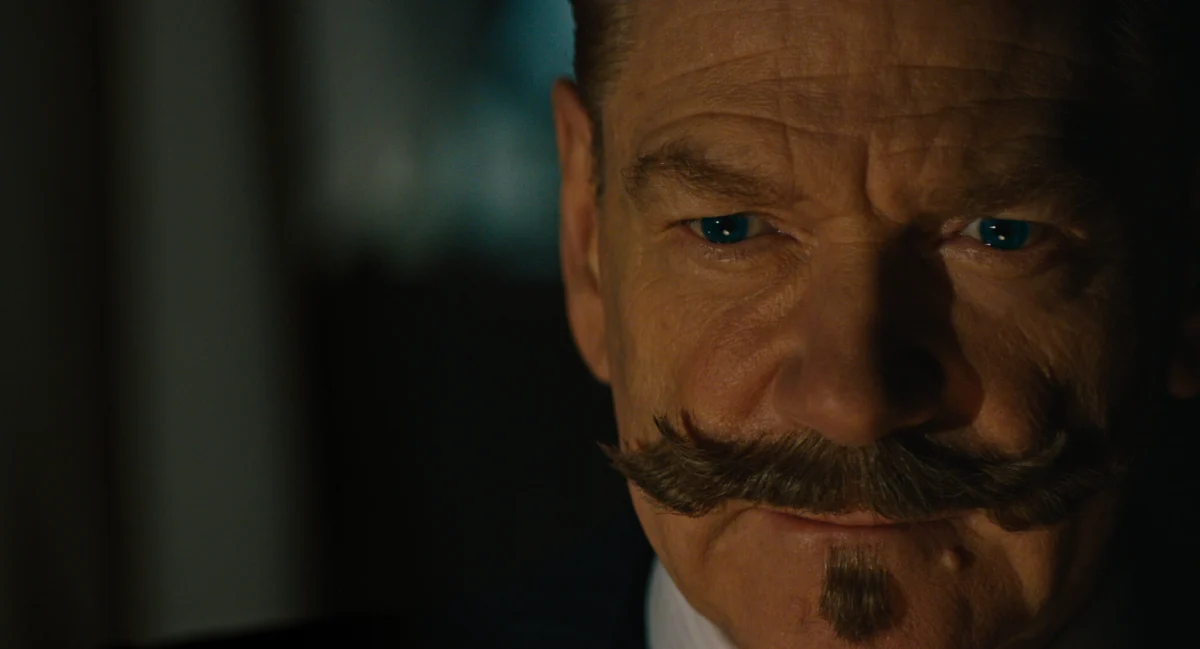
Hercule Poirot, the fastidious, egg-headed, and undeniably brilliant Belgian detective, is set to make a triumphant return to the small screen. In a move that has sent shockwaves through the global television industry, the BBC has officially secured the rights to produce a new series based on Agatha Christie’s legendary literary canon. The project, which promises a fresh interpretation of the iconic sleuth, is already deep into its pre-production phase, with casting calls and location scouting currently underway in the United Kingdom.
This announcement comes as the latest chapter in a long-standing fascination with the “greatest detective in the world.” As millions of fans await the revival, industry analysts are already weighing in on the implications of a major network taking on such a storied intellectual property, particularly in an era where the “whodunit” genre has seen a massive resurgence in popularity.
The Main Facts: A New Era for a Literary Legend
The BBC successfully navigated a highly competitive and secretive bidding process to acquire the television rights for Poirot. While the financial details of the acquisition remain undisclosed, the commitment from the network is significant: the BBC has greenlit a minimum of three seasons, indicating a long-term investment in the character and his world.
According to reports from Deadline, the first season is slated for a premiere in the latter half of 2027. The project is being spearheaded by screenwriter Benji Walters, a rising talent in the British television landscape known for his work on Obsession, Noughts + Crosses, The Leopard, and the intense drama Code of Silence. Walters’ task is gargantuan: he must distill the essence of Christie’s 33 novels and 51 short stories into a cohesive, modern television format that respects the source material while offering something new to a contemporary audience.
The production is moving at a rapid pace. Filming is scheduled to commence this summer across Liverpool and the northwest of England, areas selected for their rich architectural heritage and capacity to stand in for the various European locales that often feature in Christie’s globe-trotting narratives.
Chronology: A Legacy of Portrayals
The history of Hercule Poirot on screen is as storied as the mysteries he solves. Since his debut in The Mysterious Affair at Styles in 1920, the character has been interpreted by a revolving door of acting royalty, each bringing a different nuance to his signature mustache and his obsession with “order and method.”
The Golden Age of Adaptations
- 1989–2013: For nearly a quarter of a century, David Suchet defined the character for a generation. His portrayal in the long-running ITV series is widely considered the definitive version of the detective. Suchet’s meticulous preparation and physical embodiment of the role set a standard that remains the benchmark for all successors.
- 2018–2023: Kenneth Branagh brought a more visceral, cinematic approach to the character in his trilogy of films—Murder on the Orient Express (2017), Death on the Nile (2022), and A Haunting in Venice (2023). Branagh’s Poirot was a man haunted by his past, a stark departure from the more whimsical, cerebral detective of the page.
- 2018: John Malkovich took a darker, psychological approach in the BBC’s miniseries adaptation of The ABC Murders. This portrayal explored an aging, ostracized detective struggling to maintain his relevance in a rapidly changing world, proving that the character could be adapted for darker, more mature storytelling.
Supporting Data: Why Poirot Still Matters
The enduring appeal of Hercule Poirot lies in the psychological comfort of the “closed-room mystery.” In an age of digital chaos and complex, sprawling plotlines, the formula established by Agatha Christie—the gathering of suspects, the revelation of a crime, and the ultimate triumph of intellect—remains a staple of successful television.
Data suggests that the “Golden Age” of detective fiction has never been more profitable. The success of Rian Johnson’s Knives Out franchise and the continued popularity of traditional mystery novels indicate a massive market for high-production-value, character-driven mysteries. By committing to three seasons, the BBC is banking on the fact that Poirot is not merely a character, but a brand that carries institutional weight. The network’s ability to secure these rights in a crowded streaming market demonstrates a strategic pivot toward prestige dramas that can anchor their international distribution efforts.
Official Responses and Industry Speculation
While the BBC has remained tight-lipped regarding the specific creative direction of the reboot, the casting process has become the primary subject of speculation. With the production moving into the filming stage, the identity of the actor tasked with wearing the patent leather shoes and the waxed mustache is the industry’s best-kept secret.
The casting search is reportedly wide-ranging. While some rumors suggest the network is looking for a younger, more dynamic actor to carry the series for several years, others argue for a veteran performer who can capture the gravitas required for the role. Names such as Toby Jones—frequently cited by critics and fans for his chameleon-like ability to inhabit complex, intellectual roles—have surfaced in internal discussions among industry observers.
“The challenge for any actor playing Poirot is the shadow of David Suchet,” notes one industry analyst. “You cannot simply mimic him. The new lead must find the vulnerability behind the ego. The BBC is likely looking for someone who can balance the caricature of the ‘mustachioed Belgian’ with the deep, human loneliness that Christie often hinted at in her later books.”
The Implications: What This Means for Television
The decision to reboot such a high-profile series carries several major implications for the BBC and the future of the mystery genre:
1. The Power of Intellectual Property
The acquisition confirms that established intellectual property (IP) remains the safest bet for major networks. In a landscape saturated with original content, a property as globally recognized as Hercule Poirot guarantees a built-in audience from the first teaser trailer.
2. The Shift Toward Serialized Mysteries
By committing to a multi-season arc rather than a series of standalone, feature-length episodes (as was the case with the ITV Suchet series), the BBC is signaling a shift toward serialized storytelling. This could mean that the series will explore a more cohesive character study across its episodes, potentially diving into Poirot’s backstory, his life during the war, or his relationships with the recurring cast of characters, such as Captain Hastings or Inspector Japp.
3. Cultural Re-evaluation of the Classics
Every adaptation of Christie’s work in the 21st century faces the challenge of addressing the era in which the books were written. How will Benji Walters’ scripts handle the social mores, gender roles, and colonial undertones present in the original 1920s–1940s texts? The BBC’s approach will be closely watched by critics who expect a modern, inclusive, and nuanced interpretation that honors the puzzle-solving brilliance of the stories while updating their social context.
4. Regional Production as a Strategy
The choice to film in Liverpool and northwest England is a strategic nod to the UK’s commitment to regional television production. By utilizing these locations, the BBC not only manages costs but also infuses the production with a distinct British aesthetic that has historically served the Poirot brand well.
Conclusion: A High-Stakes Mystery
As the summer of 2025 approaches, the pressure on the production team to deliver a compelling, high-quality series will only increase. Hercule Poirot is more than a detective; he is a symbol of the triumph of logic over the irrationality of violence. If the BBC can capture that spirit while providing a fresh, contemporary lens, they may well be on their way to creating the next definitive version of a timeless character.
For now, the mystery of who will play the Belgian sleuth remains the first puzzle to be solved. As the cast and crew prepare for their first day on set in the heart of northwest England, fans across the globe are watching with bated breath. One thing is certain: when Hercule Poirot eventually steps onto the screen in 2027, the world will be watching to see if he remains, as he so frequently reminds us, the greatest detective in the world.










No comments yet. Be the first to join the conversation!