
 Nila Kartika Wati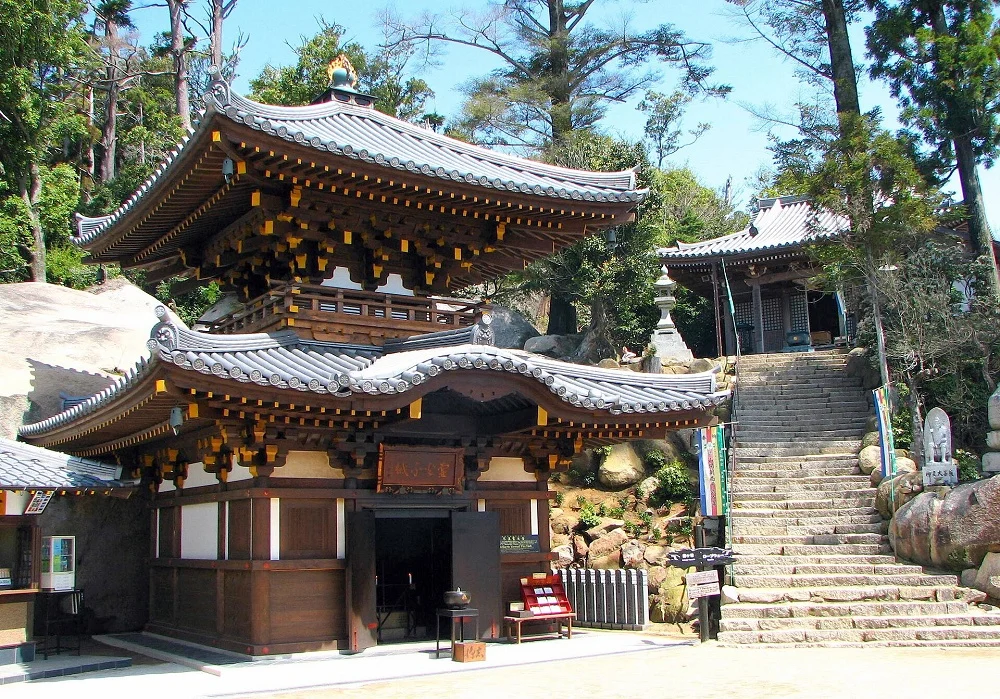
Introduction
On the morning of May 20, 2026, a devastating fire tore through the historic slopes of Mt. Misen on Miyajima Island, Hiroshima Prefecture. The blaze, which consumed the iconic Reikado Hall of Daishoin Temple, sent shockwaves through the local community and the global cultural heritage sector. While the architectural structure—a site of immense religious and historical significance—was reduced to ashes, a remarkable act of courage ensured that the temple’s most precious treasure survived: a flame that has burned continuously for over 1,200 years.
The Significance of Daishoin and the Reikado
Miyajima Island is world-renowned for its "floating" torii gate and its harmonious blend of nature and Shinto-Buddhist tradition. Among the island’s myriad spiritual sites, Daishoin Temple stands as a pillar of antiquity. Founded in 806 AD by the legendary monk Kūkai, also known as Kōbō Daishi, the temple has served as a center for Shingon Buddhism for over a millennium.
The Reikado, or "Hall of the Sacred Flame," was the heart of this spiritual complex. Its official name, Kiezu no Reikado (Hall of the Ever-burning Sacred Flame), refers to the fire inside that was ignited by Kūkai himself upon the temple’s founding. This flame is not merely a symbolic beacon; it is considered a living relic of the monk’s original practice. The heat from this flame is famously used to boil water in a large iron kettle, and the resulting water is believed to have curative properties for ailments. For 1,200 years, the flame has been protected, nurtured, and passed down, surviving wars, natural disasters, and the passage of centuries.
Chronology of the May 20 Disaster
The emergency began in the early hours of May 20, 2026. At approximately 8:00 AM, local emergency services received a 119 call reporting smoke billowing from the Reikado hall.
The Firefighting Effort
Firefighters and local authorities arrived on the scene within the hour. The location of the Reikado—perched on the steep, wooded slopes of Mt. Misen—presented significant logistical challenges for emergency responders. The fire did not stay confined to the wooden structure; it quickly spread to the surrounding forest, threatening to engulf more of the sacred grounds.
For nearly two hours, crews battled the inferno. While they successfully prevented the fire from consuming the broader temple complex and contained the forest blaze, the Reikado itself proved too fragile to save. By the time the fire was fully suppressed, the hall had been reduced to a skeleton of charred timber.
The Preservation of the Flame
In the chaos of the evacuation, a quick-thinking monk made a split-second decision that saved a piece of history. Recognizing that the structural integrity of the Reikado was failing, the monk successfully transferred a portion of the sacred flame to a secure, unaffected section of the temple. By moving the fire to a safe location, the monastic community ensured that the 1,200-year streak of the "ever-burning flame" remained unbroken, even as the walls that housed it crumbled.
Supporting Data and Historical Context
The loss of the Reikado is a profound architectural blow. The hall was a registered cultural property, housing intricate Buddhist iconography and historical artifacts that have been meticulously maintained since the Heian period.
This is not the first time the Reikado has faced the threat of total destruction. In 2005, a fire of similar intensity destroyed the hall. However, that incident, much like the one in 2026, saw the sacred flame successfully rescued. The hall was subsequently rebuilt, with the new structure opening to the public in 2006. The 2026 fire marks the second time in twenty years that the temple has had to grapple with the loss of this specific building, raising questions about the vulnerability of remote, wooden historical structures in the face of modern environmental risks.
Official Responses and Immediate Impact
Local authorities, including the Hiroshima Prefectural Police and the fire department, have launched an investigation into the cause of the blaze. As of the latest updates, no definitive cause has been identified, though arson, electrical failure, and accidental ignition are all being considered.
Public Safety and Tourism
The immediate aftermath necessitated strict safety measures. The hiking trails leading to the peak of Mt. Misen were cordoned off, and the Miyajima Ropeway—a major tourist attraction—was temporarily suspended to facilitate the investigation and ensure the safety of hikers and pilgrims. These closures caused significant disruption to the island’s tourism economy, which relies heavily on foot traffic through these mountain paths.
A Statement from the Abbot
Daishoin’s abbot, Masahiro Yoshida, addressed the public shortly after the fire was extinguished. While expressing his deep sorrow over the loss of the hall, he remained steadfast in his commitment to the temple’s mission. "The hall is a vessel, but the spirit of the flame is what defines us," Abbot Yoshida stated. "While we mourn the loss of the building, we are profoundly relieved that the flame survives." He cautioned, however, that the road to restoration would be arduous, estimating that a full rebuilding project would take more than one year to complete, pending thorough architectural surveys and historical preservation reviews.
Implications for Heritage Preservation
The fire at Daishoin Temple serves as a sobering reminder of the fragility of Japan’s wooden architectural heritage. Many of the country’s oldest temples are situated in dense, forested areas, making them highly susceptible to fire, lightning, and natural disasters.
The Dilemma of Ancient Materials
Preservationists are now faced with a difficult dilemma: how to modernize fire suppression systems in structures that are hundreds of years old without compromising their historical integrity. Traditional wooden joinery and non-treated timber, while historically accurate, provide little resistance to rapidly spreading flames. The 2026 fire will likely trigger a national conversation regarding the installation of advanced sensor technology and automated sprinkler systems in remote heritage sites.
Cultural Continuity
Beyond the structural concerns, the "Miracle of the Flame" has resonated deeply with the Japanese public. In a modern world defined by rapid change and digital fragility, the idea of a physical flame burning for over a millennium offers a sense of stability and continuity. The monk’s act of preservation is being hailed as a triumph of human agency over catastrophe. It reinforces the belief that, in Buddhist tradition, the transmission of a practice is more important than the vessel that contains it.
Conclusion
As the ashes are cleared from the slopes of Mt. Misen, the focus turns toward the future. Rebuilding the Reikado will be a massive undertaking, requiring the craftsmanship of master carpenters and the blessing of the community. Yet, the story of the 2026 fire will likely be remembered not for the building that was lost, but for the flame that was saved.
The Reikado may be gone for now, but the light that Kūkai ignited in the 9th century continues to burn, serving as a testament to the resilience of the monks of Daishoin and the enduring spirit of Miyajima. As investigators continue their work and plans for the new hall are drawn, the island waits, knowing that when the doors to the new Reikado eventually open, the flame that greets the first visitor will be the very same one that has flickered through the ages.


 Neng Nana
 Asro
Asro





