The world of Eiichiro Oda’s One Piece is currently experiencing a period of unprecedented expansion. While the original manga reaches its narrative zenith in the final saga and Toei Animation’s long-running series continues to dominate weekly broadcasts, a third pillar is being erected in the franchise’s legacy. Netflix, in collaboration with the prestigious Wit Studio, has finally broken its silence regarding The One Piece, a high-budget anime reboot designed to reintroduce the East Blue Saga to a modern global audience.
As fans look toward a February 2027 release date, the project represents more than just a remake; it is a strategic reimagining of one of the most successful intellectual properties in history.
Main Facts: A New Vision for the Straw Hat Pirates
The upcoming series, titled simply The One Piece, was first unveiled during the Jump Festa 2024 event, sending shockwaves through the anime community. Unlike the original 1999 adaptation by Toei Animation, which has surpassed 1,100 episodes, this new iteration is being produced by Wit Studio—the powerhouse behind the first three seasons of Attack on Titan, Vinland Saga, and Spy x Family.
According to official data released via Netflix’s "Tudum" platform, the first season of the reboot will focus exclusively on the "East Blue Saga." However, the structural approach differs significantly from traditional long-form shonen anime. Season 1 is slated to consist of seven episodes with a total estimated runtime of 300 minutes. This suggests an episodic length of approximately 42 to 45 minutes, aligning more closely with Western "prestige TV" formats than the standard 22-minute Japanese broadcast slot.
The creative team assembled for the project is a "who’s who" of industry veterans:
Character Design: Kyoji Asano (Attack on Titan) and Takatoshi Honda (The First Slam Dunk)
Production Partners: Shueisha, Fuji Television Network, and Toei Animation (serving in a supervisory/collaborative capacity).
Chronology: From Jump Festa to the 2027 Horizon
The journey of The One Piece has been characterized by deliberate pacing and calculated reveals. The timeline of the project reflects a shift in how major anime productions are handled in the streaming era.
December 2023 (Jump Festa 2024): The project is officially announced. A brief teaser featuring a hand-drawn animator at a desk sparked immediate speculation about the visual direction. The announcement emphasized that the reboot would utilize "cutting-edge technological advancements" to modernize the early chapters of Oda’s work.
2024 – Early 2025: A period of "radio silence" followed the initial announcement. During this time, the One Piece franchise saw the massive success of its live-action adaptation on Netflix and the continuation of the "Egghead Island" arc in the Toei anime.
May 2025: Netflix and Wit Studio provided a substantial production update. This included the reveal of the core staff and the confirmation that the first season would cover the first 50 chapters of the manga—concluding around the Baratie arc where Luffy first encounters the chef-turned-pirate Sanji.
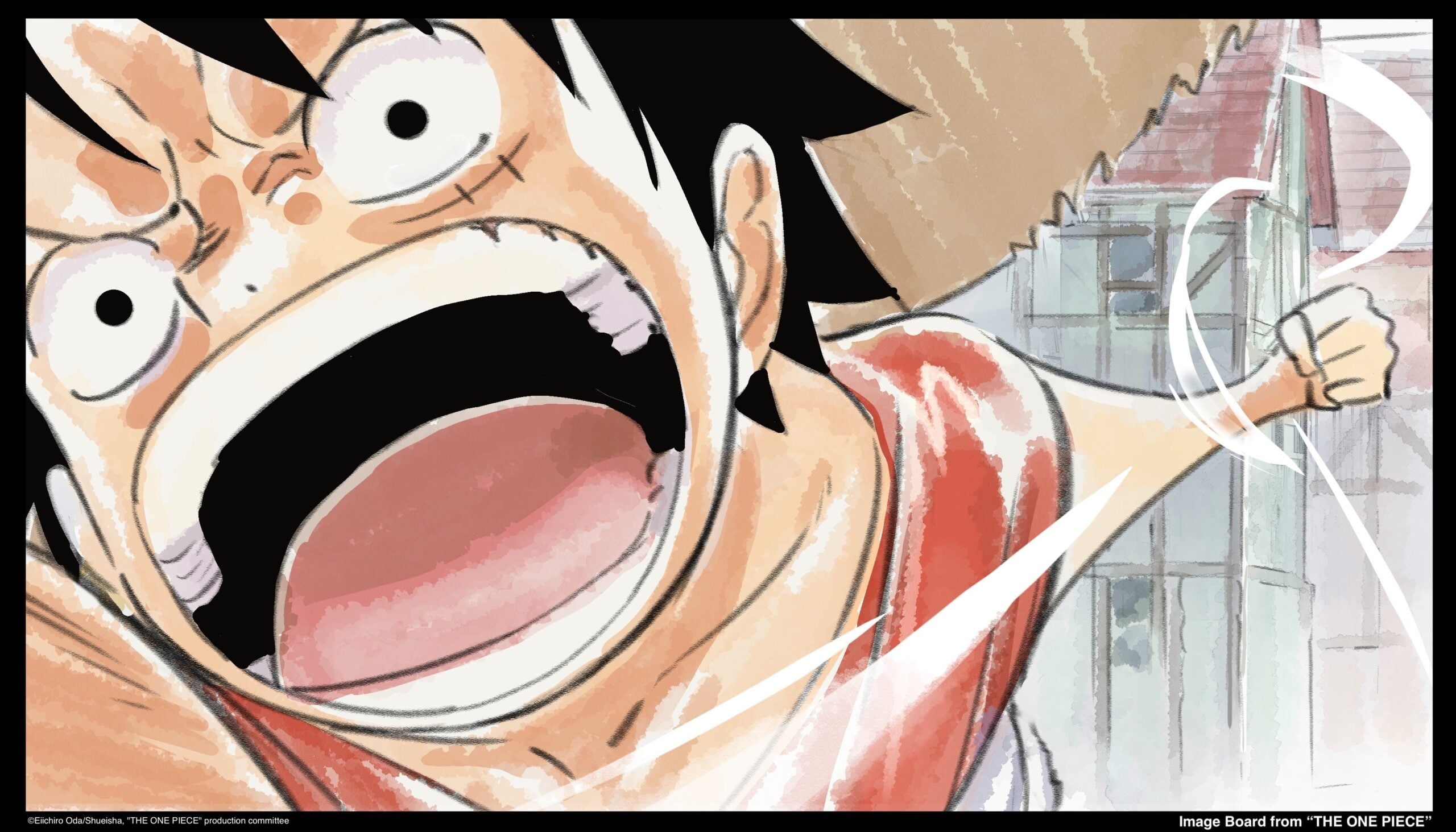
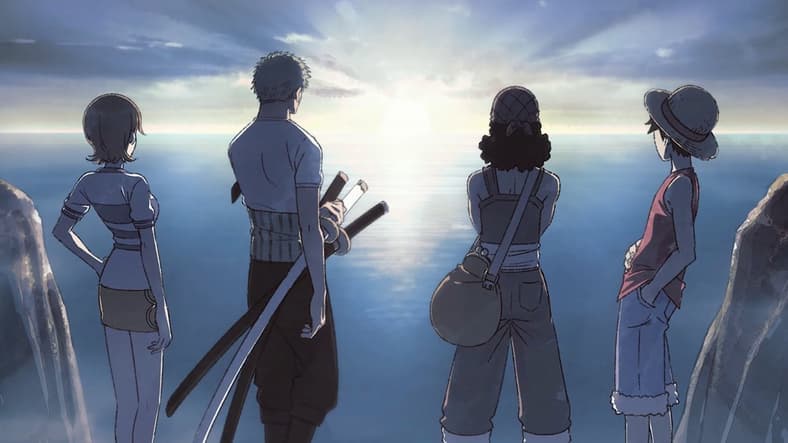
Present Day: Concept art and character sheets have been released, showcasing a vibrant, watercolor-influenced aesthetic that pays homage to Oda’s early art style while incorporating the fluid, cinematic motion for which Wit Studio is famous.
February 2027: The scheduled global premiere on Netflix.
Supporting Data: The Pacing Revolution
One of the most significant points of discussion among the "Nakama" (the One Piece fanbase) is the pacing of the new series. The original Toei Animation adaptation has often been criticized for its "one chapter per episode" pacing in later years, a necessity of the weekly broadcast format to avoid overtaking the manga.
By contrast, The One Piece aims for a much leaner narrative. By adapting the first 50 chapters into 300 minutes of footage, Wit Studio is effectively distilling the story to its core emotional and action beats. For comparison:
Toei Animation (1999): The East Blue Saga up to the end of the Baratie arc took approximately 30 episodes. At roughly 20 minutes of actual content per episode (excluding intros/outros), this totals about 600 minutes.
Wit Studio (2027): The same content will be covered in 300 minutes.
This 50% reduction in runtime suggests that the reboot will eliminate "filler" scenes and extended reaction shots, providing a narrative velocity that modern viewers, accustomed to binge-watching, have come to expect. This streamlined approach is likely intended to make the daunting task of "catching up" to One Piece far more accessible to newcomers who are intimidated by the original’s four-digit episode count.
Official Responses: Quality Over Speed
The lack of a full-length trailer nearly two years after the announcement has led to some anxiety within the fandom. Addressing these concerns, Wit Studio Co-Founder Tetsuya Nakatake took to social media to reassure audiences.
In a statement translated from his personal X (formerly Twitter) account, Nakatake emphasized the meticulous nature of the production:
"Although only a small amount of information about The One Piece has been revealed so far, the effort our core team has poured into polishing every single scene has already transformed into incredibly powerful animation quality. Even though no footage has been shown publicly yet, we’re confident this is a work we can proudly present to everyone."
His comments highlight a "quality-first" philosophy. Wit Studio has a reputation for pushing animators to their limits to achieve cinematic results, a trait that famously led to the high-octane "Vertical Maneuvering Equipment" sequences in Attack on Titan. Applying this level of technical craft to Luffy’s "Gomu Gomu no Mi" abilities could redefine the visual language of shonen battle sequences.
Netflix has also remained steadfast in its support, positioning the reboot as a cornerstone of its anime strategy. By owning the streaming rights to a modernized version of the world’s best-selling manga, Netflix secures a long-term asset that complements its live-action series.
Implications: A New Era for Anime Reboots
The existence of The One Piece signals a broader shift in the anime industry’s relationship with its "Big Three" legacy titles. For decades, the industry followed a "long-running weekly" model. However, the success of seasonal anime like Demon Slayer and Jujutsu Kaisen has proven that high-fidelity, condensed storytelling can yield massive commercial returns.
1. The Co-existence of Two Adaptations
The most unique aspect of this project is that the original anime will still be airing while the reboot begins. This creates a "multiverse" of content:
Toei’s Version: The "Historical Record," maintaining the traditional aesthetic and the complete, unedited journey.
Wit’s Version: The "Prestige Cut," offering a modernized, high-fidelity entry point for a global, digital-first audience.
2. The "Netflix Effect"
Netflix’s involvement ensures that The One Piece will be localized in dozens of languages simultaneously upon release. This global "day-and-date" strategy is essential for a franchise that is currently attempting to break further into the North American and European mainstream markets. The success of the live-action series proved there is a massive "normie" audience interested in Oda’s world; the reboot is the perfect bridge to pull those viewers into the medium of animation.
3. Visual Evolution
The released concept art suggests a move away from the digital, often overly clean look of modern long-running shows. Wit Studio appears to be leaning into a more "painterly" style, with textured backgrounds and expressive character acting. This honors the "Rubber Hose" animation influences that Eiichiro Oda has cited as inspirations for Luffy’s character design, particularly in the later "Gear 5" revelations.
Conclusion: Sailing Toward 2027
As the manga enters its final act, the One Piece franchise is paradoxically starting over. The One Piece by Wit Studio is a bold experiment in how a legacy title can be refreshed for a new generation without abandoning the soul of the original work.
While the February 2027 release date remains a distant horizon, the pedigree of the staff and the ambitious restructuring of the East Blue Saga suggest that the wait will be worth it. For veteran fans, it is a chance to see the emotional foundations of the Straw Hat crew through a new lens. For new fans, it is an invitation to join the world’s most famous pirate crew without the weight of 25 years of backlog. One thing is certain: the "Will of D" is stronger than ever, and the Great Pirate Era is far from over.














No comments yet. Be the first to join the conversation!