

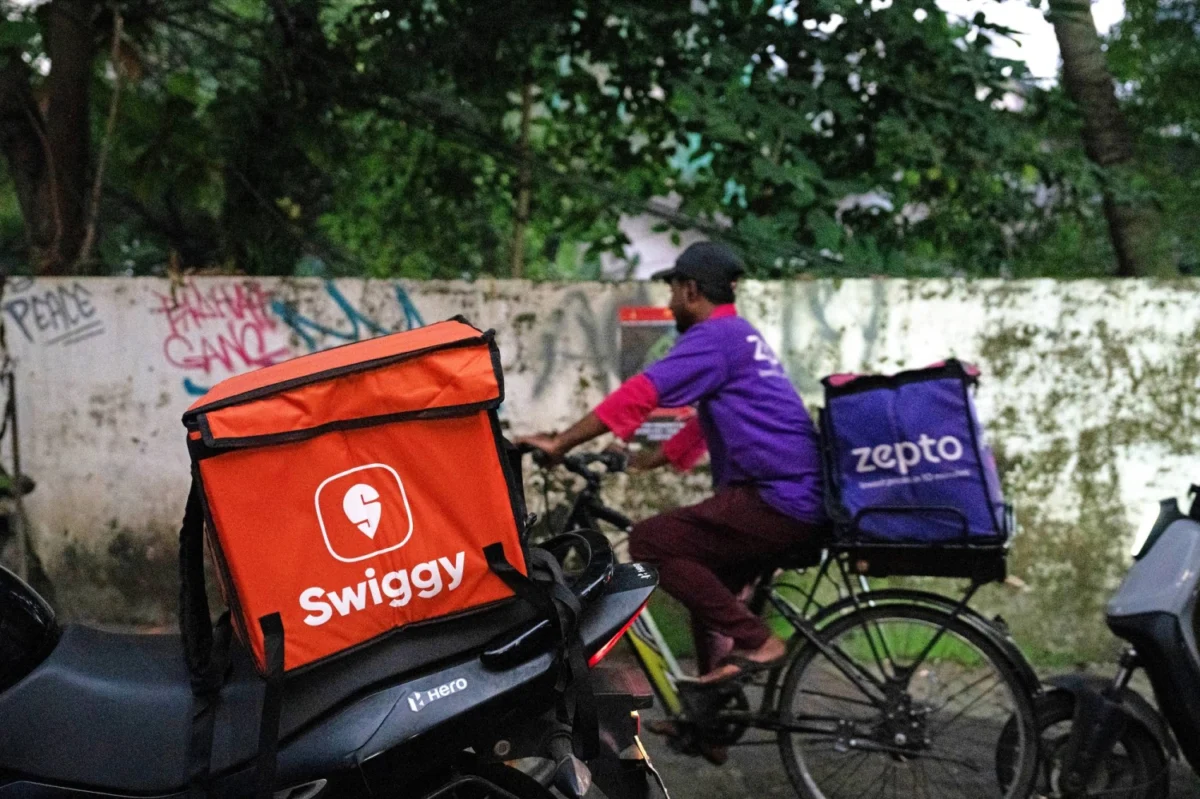
In the landscape of global e-commerce, Amazon has long been the titan that defines the rules of the game. Yet, in the bustling, chaotic, and high-growth theater of India, the Seattle-based giant finds itself in an unfamiliar position: playing catch-up. While domestic competitors and local conglomerates have revolutionized the way Indians shop—pioneering the "quick commerce" model that promises goods in under ten minutes—Amazon remains largely tethered to its traditional, slower logistical infrastructure. This divergence in strategy, characterized by caution rather than conquest, marks a profound shift in the company’s post-Bezos trajectory.
The Turning Point: The IPL Media Rights Fiasco
The story of Amazon’s recent strategic retreat can be traced back to a single, pivotal moment in June 2022. As the Board of Control for Cricket in India (BCCI) prepared to auction the media rights for the Indian Premier League (IPL), the atmosphere in Mumbai was electric. The IPL is more than a tournament; it is a cultural juggernaut that commands the attention of hundreds of millions.
Bankers, broadcasters, and tech giants anticipated a titanic bidding war. Many analysts believed that Amazon, eager to cement its status as the premier digital platform in the world’s most populous nation, would spare no expense to secure the rights. Proponents within the company argued that cricket would provide the ultimate "halo effect," driving massive traffic to its Prime ecosystem and anchoring its position in the Indian market.
However, just hours before the auction commenced, Amazon abruptly pulled out. The decision shocked the industry, effectively handing the rights to a partnership between The Walt Disney Company and Reliance Industries. At the time, it seemed like a tactical error. Looking back, however, it was the first clear signal of a fundamental change in Amazon’s DNA under CEO Andy Jassy.
The Jassy Doctrine: Moving Away from "Big Bets"
The decision to abandon the IPL bid represented a departure from the "Jeff Bezos era." For decades, Amazon operated on a philosophy of "Day 1"—a mandate to innovate aggressively, ignore short-term profitability, and make massive, long-term capital investments to capture market share. Under Bezos, Amazon was known for its willingness to bleed cash in new regions if it meant establishing an unassailable moat.
Andy Jassy, having stepped into the CEO role in 2021, arrived with a different mandate. Faced with inflationary pressures, a cooling global economy, and the need to satisfy Wall Street’s demand for disciplined fiscal management, Jassy began to rein in the company’s more speculative, high-cost initiatives. The withdrawal from the IPL was a quintessential "Jassy move": avoiding a bidding war that promised high brand visibility but carried immense risk and uncertain returns on investment.
The Rise of Quick Commerce: A Market Amazon Missed
While Amazon focused on streamlining its core retail and cloud operations, a new, disruptive force was upending the Indian retail sector: Quick Commerce (Q-commerce).
Companies like Zepto, Blinkit (owned by Zomato), and Swiggy Instamart transformed the retail landscape by leveraging "dark stores"—micro-warehouses located in the heart of residential neighborhoods. These startups promise delivery of groceries, electronics, and household goods in ten minutes or less. This model has proven immensely popular with India’s burgeoning urban middle class, who value convenience and speed above almost anything else.
Amazon’s failure to anticipate or adequately pivot to this model has been its most significant misstep in India. While Amazon continues to offer "Amazon Fresh" and same-day delivery in some areas, its infrastructure—built around large, centralized fulfillment centers—is fundamentally ill-suited for the hyper-local, sub-10-minute delivery model. By the time Amazon realized the shift in consumer behavior, its competitors had already secured the best real estate and established the logistical networks necessary to dominate the "instant gratification" economy.

Chronology of a Slowdown
- 2013-2017: Amazon launches in India with a massive infusion of capital, rapidly expanding its fulfillment network and competing directly with local players like Flipkart.
- 2019-2020: The pandemic accelerates digital adoption in India. Amazon focuses on bolstering its Prime Video offering and scaling its core e-commerce platform to handle unprecedented demand.
- June 2022: The IPL media rights auction. Amazon’s surprise exit signals a move toward fiscal conservatism.
- 2023-2024: The "Quick Commerce" explosion. Startups like Zepto achieve unicorn status as consumer habits shift toward instant delivery. Amazon’s market share in the grocery segment remains stunted.
- 2025-2026: Amazon focuses on its cloud business (AWS) and AI integration in India, effectively sidelining a major push into the high-cost, low-margin Q-commerce sector.
The Competitive Landscape: Data and Reality
Supporting data reveals the depth of the challenge. According to recent market analysis, while Amazon remains a dominant player in consumer electronics and apparel, its penetration in the high-frequency grocery segment—the engine of Q-commerce—is significantly lower than that of its local rivals.
The Q-commerce market in India is projected to reach $5 billion in valuation by 2025, with growth rates far outpacing traditional e-commerce. Amazon’s insistence on a "one-size-fits-all" global infrastructure has prevented it from adapting to the unique constraints of Indian cities, where traffic, infrastructure, and consumer habits demand a highly localized, agile solution.
Official Responses and Corporate Strategy
Amazon has largely remained tight-lipped regarding its specific failures in the Q-commerce space. In recent investor calls, leadership has emphasized a "balanced approach" to the Indian market, focusing on profitability, Prime member retention, and the growth of AWS (Amazon Web Services).
"We are committed to India for the long term," a company spokesperson stated in a recent briefing. "Our strategy is focused on delivering a sustainable and scalable business that provides value to both customers and sellers."
However, industry insiders suggest that this "sustainable" approach is code for an unwillingness to engage in the "burn rate" wars that characterize the Indian startup ecosystem. Amazon is no longer interested in buying market share at the cost of the bottom line.
Implications: A Future Defined by Niche Dominance?
The implications of Amazon’s retreat are twofold. First, it leaves the door wide open for Indian conglomerates like Reliance and Tata, as well as agile startups, to dominate the consumer retail experience. By yielding the ground of "instant commerce," Amazon is effectively conceding the most loyal, high-frequency customer segment.
Second, the shift signals a broader maturation of Amazon as a company. It is no longer the scrappy disruptor fighting to enter every market at any cost. It is a mature, profit-focused corporation that is willing to cede peripheral markets—even massive ones like Indian groceries—if the economics don’t align with its current financial goals.
As India continues its trajectory toward becoming the world’s third-largest economy, the absence of an aggressive, hyper-local Amazon is a fascinating case study in corporate strategy. Amazon may win the battle for the cloud and for long-tail e-commerce, but by failing to adapt to the "ten-minute" reality, it has allowed a new generation of local innovators to redefine the Indian consumer experience. The "Day 1" mentality that built the Amazon empire may have finally met its match in the streets of Mumbai, where speed, rather than scale, is the ultimate currency.












No comments yet. Be the first to join the conversation!