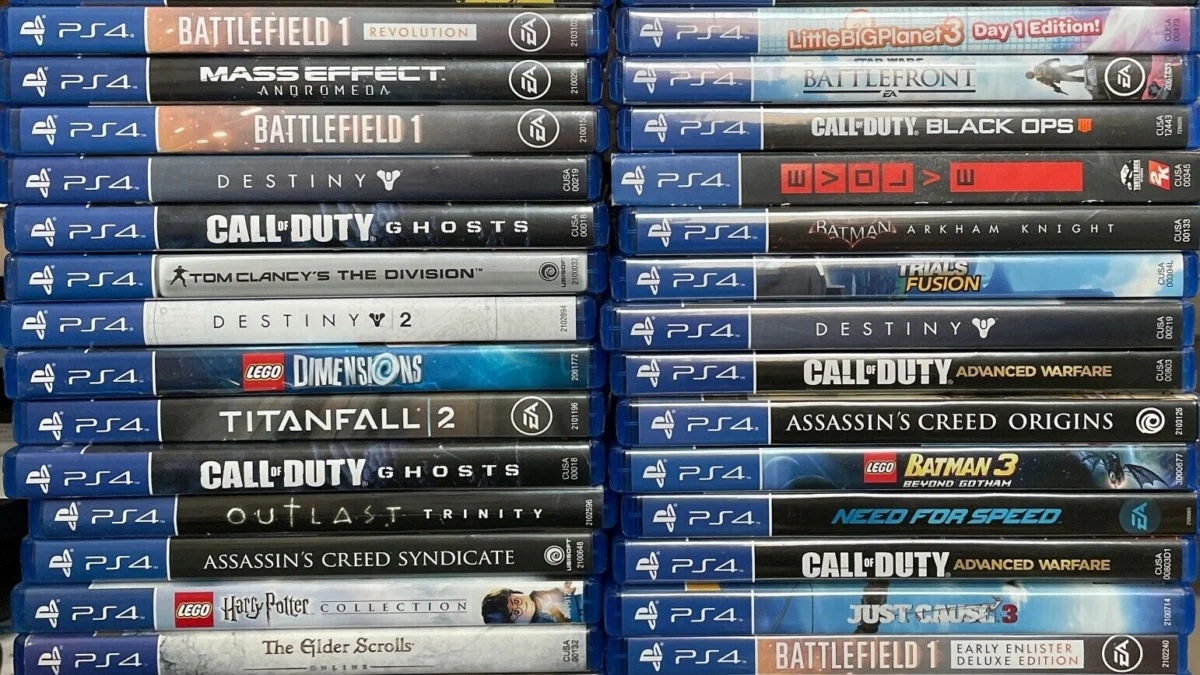
In a seismic shift for the video game industry, Sony Interactive Entertainment (SIE) has officially announced its intention to cease the production of physical game discs. The decision, confirmed via a recent corporate blog post authored by Senior Director Sid Shuman, marks the beginning of the end for the traditional retail model that has defined console gaming for over four decades. As of January 2028, the production of physical media for new PlayStation titles will grind to a permanent halt, signaling a total transition to a digital-only ecosystem.
This move, while framed by Sony as a response to evolving consumer behavior, has ignited a firestorm of controversy among collectors, preservationists, and budget-conscious gamers. As the industry pivots toward a model defined by licensing rather than ownership, the fundamental nature of what it means to "own" a video game is being irrevocably altered.
The Chronology of a Digital Shift
The transition to digital-only distribution has not occurred overnight; rather, it is the culmination of a decade-long strategy designed to integrate players into Sony’s proprietary digital infrastructure.
- 2013–2020 (The Foundation): The PlayStation 4 era saw the steady rise of digital storefronts. While physical discs remained the dominant choice, the PlayStation Store began offering day-one digital releases, slowly conditioning the consumer base to the convenience of high-speed downloads.
- 2020 (The Catalyst): The launch of the PlayStation 5, which included a "Digital Edition" console devoid of an optical drive, served as a proof-of-concept. By offering a cheaper hardware entry point, Sony successfully incentivized millions of users to abandon physical media.
- 2023 (Market Saturation): By mid-2023, data trends indicated that digital sales had begun to consistently outpace physical sales by a significant margin. This shift was bolstered by subscription services like PlayStation Plus, which emphasize access over ownership.
- July 2026 (The Announcement): Sony formalizes its roadmap, announcing a definitive "sunset" date for physical disc manufacturing, set for January 2028.
- January 2028 (The Sunset): The cessation of physical disc production for new software titles takes effect, effectively ending the legacy of the optical format on PlayStation platforms.
Official Responses and Corporate Rationale
In the official announcement, Sid Shuman stated that the transition is a "natural direction" for Sony, explicitly citing "consumer preferences" as the driving force behind the policy change. The statement emphasizes the company’s desire to align its distribution channels with the modern habits of its community.
"This is a natural direction for Sony Interactive Entertainment to adapt to consumer trends as the general preference for digital media significantly outpaces physical discs," Shuman wrote. "This transition will enable us to align more closely with how most of our community prefers to access and play games today."
However, industry analysts suggest that while consumer convenience is a factor, the financial incentives for Sony are immense. By removing the physical middleman—retailers like GameStop, Walmart, or Amazon—Sony gains total control over pricing, eliminates the manufacturing and logistics costs associated with shipping plastic and cardboard, and, most importantly, eliminates the secondhand market entirely.
Implications for Game Preservation
The shift to an exclusively digital landscape has sent shockwaves through the preservationist community. Organizations such as the Entertainment Software Association (ESA) have frequently faced criticism for their stance on the "right to repair" and game preservation, often labeling the modification or archiving of older titles as "piracy."
The danger is clear: when a game exists solely as a server-side license, it is inherently ephemeral. If a digital store is shuttered, or if a publisher decides to pull a game due to expired music licenses or server maintenance costs, the title can effectively vanish from existence. Without physical media—which functions as a permanent, offline repository of the software—future generations may be unable to access the cultural artifacts of the 2010s and 2020s.
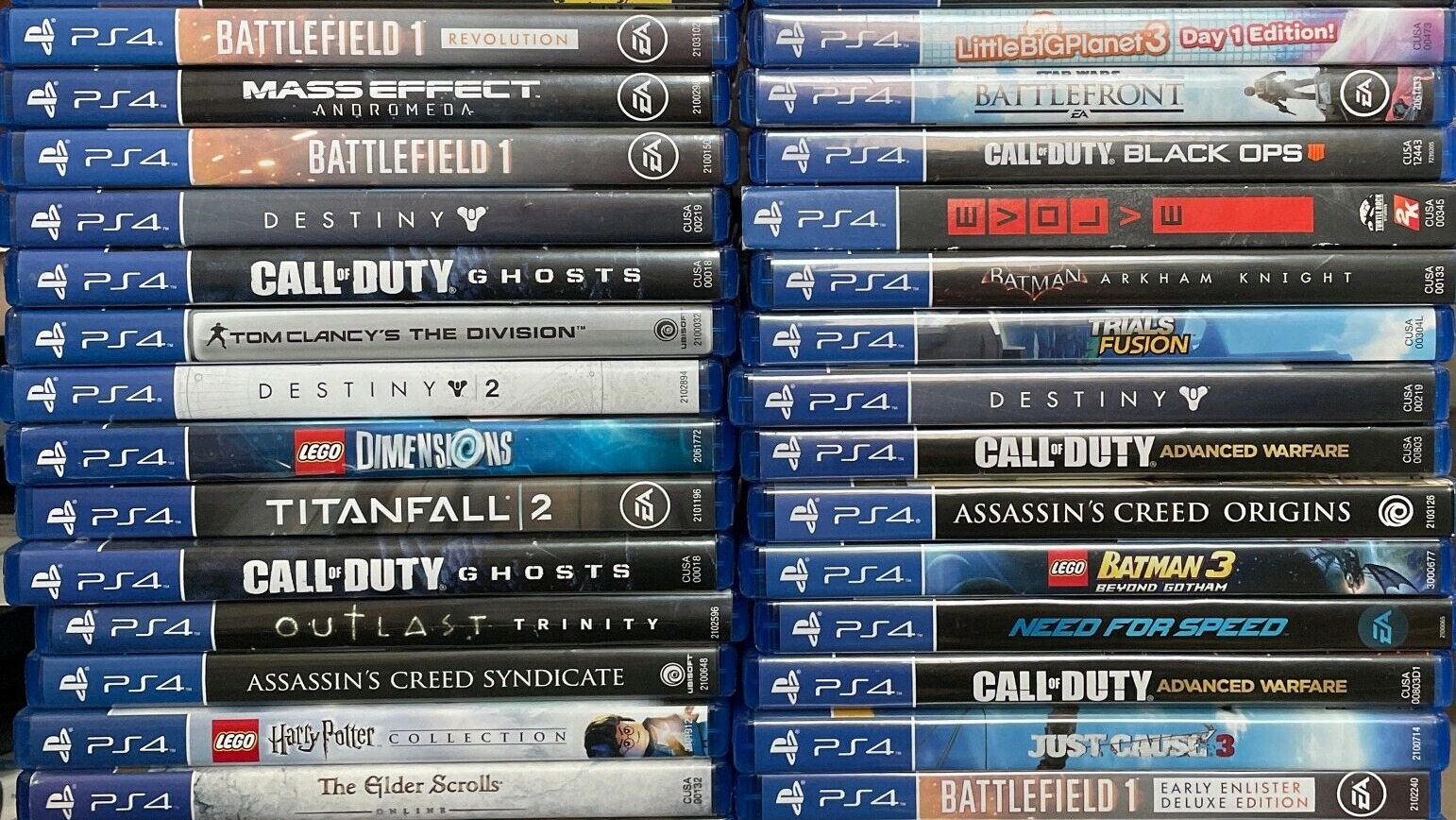
Critics argue that Sony’s move effectively forces players to rely on the "goodwill" of the corporation. In this model, the consumer does not purchase a game; they purchase a revocable license to access the content. If the platform holder decides to change their terms of service, revoke access, or terminate support for a console, the consumer has no recourse.
The Death of the Secondhand Market
Perhaps the most tangible impact on the average gamer is the complete dissolution of the secondhand market. For decades, the ability to trade, sell, or lend physical games has been a cornerstone of the console gaming economy. It provided a safety net for gamers on a budget and allowed for a thriving ecosystem of retro gaming and collector culture.
When a game is tied to a digital account, it is non-transferable. The value of a game drops to zero the moment it is purchased, as the license cannot be resold to a retailer or another player. This ensures that every single transaction must flow directly through Sony’s ecosystem, preventing gamers from recouping costs on titles they have finished.
For collectors, the loss of physical media is a blow to the hobby. The art of box design, the inclusion of physical manuals, and the tactile satisfaction of a growing library are being traded for a list of thumbnails in a digital menu. Collectors fear that this homogenization of media will lead to a loss of the "tangibility" that made gaming a hobby of discovery and ownership rather than just a subscription service.
Supporting Data: The Global Trend
Market research consistently highlights the decline of physical media. According to industry reports from firms like Newzoo and various fiscal disclosures, digital revenue now accounts for over 80% of total gaming revenue across the console and PC sectors.
- Logistics: The cost of manufacturing discs, printing inserts, and shipping goods to global retailers has risen alongside inflation.
- Efficiency: For developers, digital-only allows for "Day One" patches to be integrated directly into the download, ensuring that players have the most up-to-date version of the game immediately, theoretically reducing the frustration of "Day One" physical updates.
- Control: The elimination of the "used game" market ensures that 100% of the profit from a game sale goes to the platform holder and the publisher, preventing the leakage of revenue into the secondary market.
Conclusion: A Turning Point for Gaming
Sony’s decision to abandon physical media by 2028 is a watershed moment that will likely be studied by historians of technology for years to come. While the convenience of digital distribution is undeniable, the long-term consequences regarding consumer rights, history, and the autonomy of the player are profound.
As the industry moves toward this "always-online" or "digital-only" future, the debate between convenience and control will only intensify. Sony is betting that the average consumer will choose the former, prioritizing immediate access over the permanence and flexibility of physical ownership. Whether this transition will be viewed as a logical evolution of the medium or a regressive step for consumer rights remains to be seen. One thing is certain: by 2028, the physical disc—a format that has survived since the inception of the PlayStation brand—will be relegated to the history books, marking the end of a golden age of ownership.