

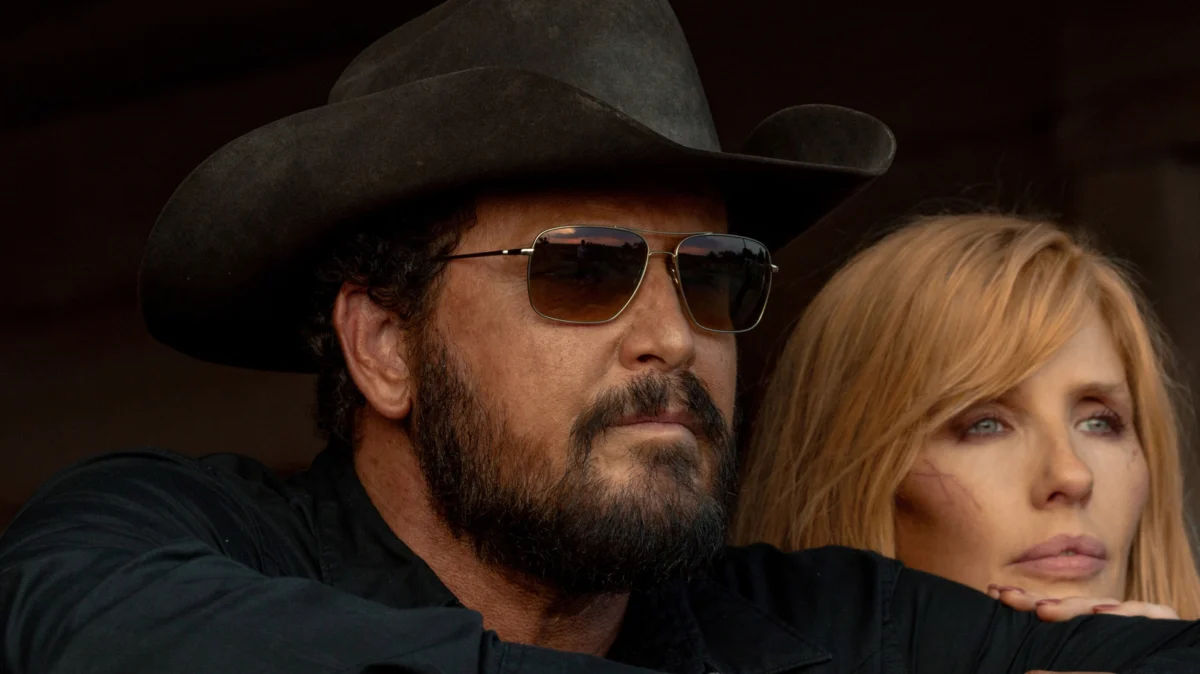
The expansive television empire built by Taylor Sheridan has long functioned as a series of distinct but tonally tethered fiefdoms. From the rugged Montana vistas of the original Yellowstone to the historical depth of 1883 and 1923, and the gritty, oil-slicked corridors of Landman, Sheridan’s influence on modern prestige television is undeniable. However, with the arrival of the latest spin-off, Dutton Ranch, the walls separating these worlds appear to be thinning.
As Dutton Ranch hits its stride in its third episode, viewers have begun to notice more than just a thematic kinship between the Duttons’ new Texas venture and the high-stakes oil world of Landman. There is an emerging structural overlap—a shared DNA in storytelling, geography, and business maneuverings—that suggests we may be witnessing the early stages of a grand, unprecedented crossover.
The Chronology of Convergence: A New Chapter in Texas
The trajectory of Dutton Ranch has been nothing short of a ratings juggernaut. Premiering on May 15, 2026, the series immediately distinguished itself from its predecessor Marshals, which struggled with tonal consistency. Dutton Ranch succeeded by leaning into the high-stakes, family-centric drama that defined the early seasons of Yellowstone, while transplanting the core conflict to the unforgiving landscape of Texas.
By the third episode, the series has moved beyond mere world-building. We see Beth Dutton and Rip Wheeler operating with a level of autonomy and ambition that feels increasingly aligned with the corporate cutthroats seen in Landman. While the first two episodes established the stakes—the physical labor of ranching and the transition of the Dutton legacy to a new state—the third episode marks a shift toward the "deal-making" era. Beth’s foray into Dallas to secure high-end contracts for Dutton Ranch beef is not just a subplot; it is a direct mirror of the corporate maneuvering that defines Tommy Norris’s life in Landman.
Supporting Data: Why the Narrative Overlap Matters
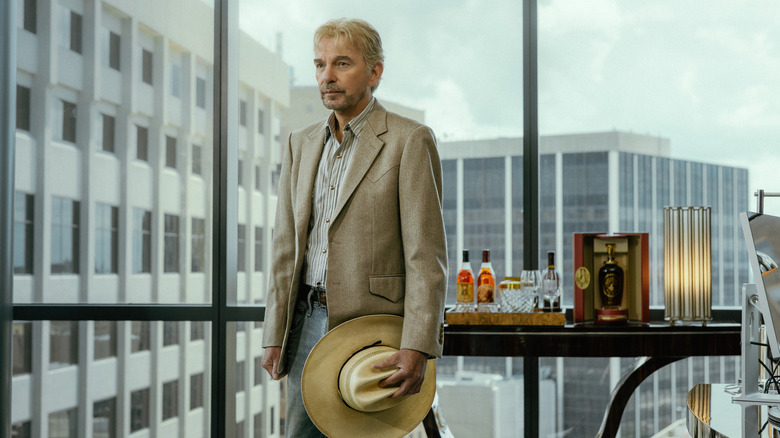
For the uninitiated, Landman has served as the spiritual successor to the Yellowstone vacuum since its debut in 2024. Starring Billy Bob Thornton as the pragmatic and battle-hardened Tommy Norris, the series has ascended to become the number-one Paramount+ original of all time.
The narrative parallels are striking. In Landman, Tommy Norris spends his seasons navigating the treacherous waters of the oil industry, eventually founding CTT Oil Exploration and Cattle. The inclusion of "Cattle" in his company name—which the show frames as a whimsical choice for an LLC—now feels like a narrative breadcrumb. With Beth and Rip establishing their own cattle empire in the same state, the logistical overlap between their business interests and Tommy’s operation is impossible to ignore.
Furthermore, the juxtaposition of environments is identical in both shows. Both series masterfully contrast the sterile, glass-walled boardrooms of Dallas with the dusty, dangerous reality of the field—whether that field is an oil rig or a cattle pen. This shared visual language reinforces the theory that these stories are not just happening in the same universe, but are potentially destined to collide.
Behind the Scenes: The "Sheridan-Verse" Blueprint
The production history of Dutton Ranch adds a layer of intrigue to this crossover speculation. The series was launched under the guidance of showrunner Chad Feehan, whose subsequent firing ahead of the premiere could have been a death knell for the production. Yet, the show maintains a creative sharpness that feels distinctly "Sheridan-esque."
Taylor Sheridan has famously maintained a hands-on approach to his scripts, and despite his lack of direct writing credits on every episode of Dutton Ranch, the tone remains consistent. This consistency is the glue of the Sheridan-verse. The snappy, hard-boiled dialogue, the moral ambiguity of the protagonists, and the pacing of the dramatic reveals are hallmarks that Sheridan has cultivated across his entire slate.
However, there is a significant hurdle to total narrative integration: the "Actor Re-use Paradox." Sheridan is known for his loyalty to a specific stable of performers, which creates continuity friction. For example, Michelle Randolph plays Ainsley Norris in Landman, but she also appeared as Elizabeth Strafford in the prequel 1923. Such casting choices suggest that Sheridan prioritizes talent over rigid timeline continuity. If a crossover were to occur, it would likely ignore these actor overlaps in favor of thematic synergy.
Implications: Can the Universes Truly Merge?
The implications of a Dutton Ranch and Landman crossover are profound. For fans, it represents the potential for a "Sheridan-verse" event similar to the cinematic universes of modern superhero franchises.
Imagine a scenario where the Duttons, needing political or financial leverage in Texas, find themselves in the orbit of Tommy Norris. A potential conflict involving an antagonist like Andy Garcia’s cartel boss, Danny "Gallino" Morrell, could necessitate an alliance between the resourcefulness of Rip Wheeler and the institutional power of the Landman lead.
From a business perspective, such a crossover would be a masterstroke for Paramount+. Consolidating the audiences of the two most successful shows in the network’s history would create a singular, must-watch event. While some critics argue that the shows function better as standalone entities—allowing them to explore different aspects of the American West—the appetite for a "grand unification" is palpable.
The Future of the Lone Star State
As we look toward the remainder of the season, the focus will undoubtedly remain on whether Dutton Ranch continues to lean into these narrative parallels. Will Beth Dutton cross paths with a representative from CTT Oil? Will the "Cattle" aspect of Tommy Norris’s business become more than just a name on a letterhead?
If Lawman: Bass Reeves taught us anything, it is that Taylor Sheridan is not afraid to flirt with the idea of connectivity, even if he chooses to keep the threads loose. The creative team has built a world where the borders are porous. Whether a formal crossover event is on the horizon or if these are simply stylistic nods to a shared aesthetic, the result is the same: the Sheridan-verse is becoming more interconnected, more complex, and more dangerous for its characters.
For now, the audience is left to watch, wait, and wonder. But if the trajectory of the third episode is any indication, the Duttons are not just moving to Texas—they are moving into a world that already has its own king, and he goes by the name of Tommy Norris. The potential for conflict, collaboration, and chaos has never been higher. As the dust settles on the Texas plains, one thing is certain: in the world of Taylor Sheridan, no business deal is ever just a business deal, and no border is ever truly closed.











No comments yet. Be the first to join the conversation!