

By [Your Name], Gaming Correspondent
In the ever-expanding landscape of video games, where photorealism and complex mechanics often dominate, a refreshing wave of simpler, story-driven experiences has emerged. Among these, "Mixtape," developed by [Developer Name, if known, otherwise omit], attempts to capture the quintessential teenage experience, drenched in nostalgia and powered by a carefully curated soundtrack. While it doesn’t shy away from the predictable tropes of adolescent dramas, and its gameplay can feel somewhat rudimentary, "Mixtape" manages to resonate with a surprising emotional depth, offering a genuine, albeit imperfect, glimpse into the formative years of its protagonists.
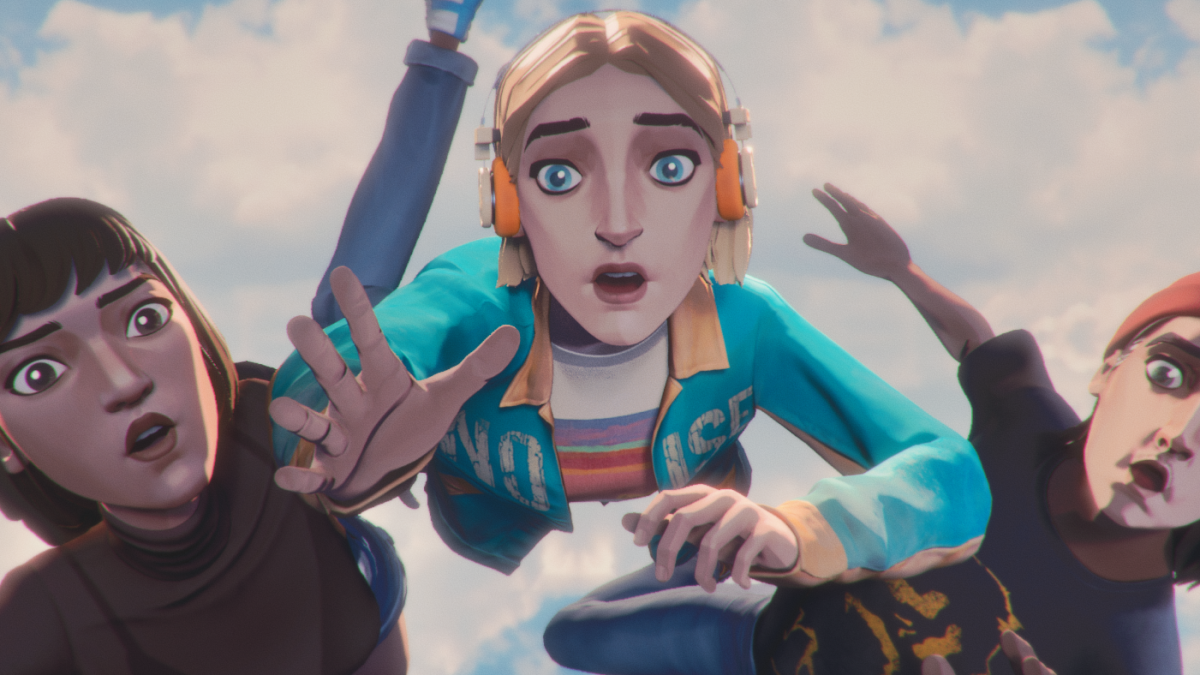
At its core, "Mixtape" is a narrative-focused game that prioritizes character development and atmospheric storytelling over challenging gameplay. Players step into the shoes of Stacey Rockford, a music-obsessed high school senior poised on the precipice of adulthood. Alongside her close friends, the laid-back Slater and the overachieving Cassandra, Stacey navigates the final days of high school, a period marked by burgeoning independence, shifting friendships, and the ever-present influence of music. The game’s appeal lies not in its intricate mechanics, but in its ability to evoke a sense of shared youthful experience, amplified by a soundtrack that aims to be more than just background noise.
The Core Narrative: Friendship, Identity, and the Soundtrack of Youth
"Mixtape" centers on the dynamics within Stacey, Slater, and Cassandra’s trio. Stacey is portrayed as a charismatic and somewhat self-absorbed protagonist, whose passion for music is infectious and whose potential neurodivergence is subtly hinted at. Her personality, while occasionally overwhelming, forms the energetic nucleus of the group. Slater, initially appearing as a stereotypical "stoner-bro," reveals moments of unexpected sensitivity and empathy, a facet of his character that the game occasionally hints at but could have explored more thoroughly.
It is Cassandra, however, who truly anchors the emotional weight of the narrative. Raised in a strict household and burdened by her parents’ high expectations, she finds an outlet for rebellion and self-discovery within her friendships with Stacey and Slater. Her desire to forge her own identity, by aligning herself with the perceived "delinquents" of her school, provides a compelling counterpoint to Stacey’s more outwardly confident persona. While the narrative may not reach the heights of literary complexity, "Mixtape" effectively conveys the raw emotions of these characters, their insecurities, their aspirations, and the powerful bonds that tie them together.
However, a recurring critique from players and critics alike is the game’s limited perspective, primarily focusing on Stacey’s viewpoint. This can, at times, overshadow the potential for deeper exploration of her friends’ inner lives and motivations. While Stacey’s narrative drive is undeniable, a broader scope could have enriched the overall understanding of the group’s collective journey and individual struggles.
Gameplay Mechanics: A Nostalgic Playground of Mini-Games
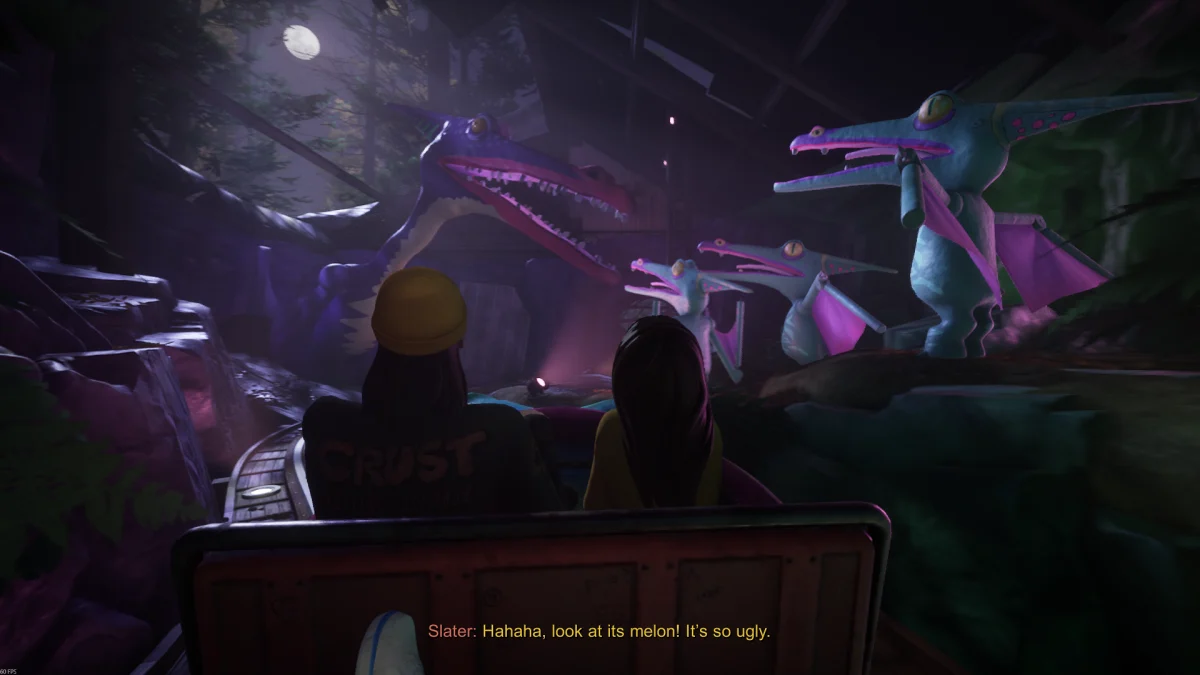
The gameplay in "Mixtape" is intentionally understated, designed to complement the narrative rather than challenge the player. The primary mode of interaction involves exploring the characters’ bedrooms, engaging with a variety of interactable objects. These interactions often serve as triggers for flashbacks, which are then accompanied by a series of short, whimsical mini-games. These mini-games are designed to evoke the carefree, often absurd, activities of adolescence. Examples include playing sports, engaging in harmless pranks like toilet-papering a principal’s house, or the seemingly trivial yet surprisingly engaging act of choosing a slushie flavor.
Crucially, these mini-games lack significant challenge or a high risk of failure. When a player does falter, the game typically offers a gentle reset, allowing for another attempt. This design choice reinforces the idea that the gameplay is not about skill or mastery, but rather about immersing oneself in the playful, unstructured nature of childhood. While some players might find this lack of traditional gameplay loop unengaging, within the context of "Mixtape," it contributes to a sense of lightheartedness and nostalgia, making the experience feel short, sweet, and delightfully whimsical.
The Power of the Playlist: Music as a Narrative Device
The titular "mixtape" is not merely a thematic element; it is an integral part of the game’s narrative and atmosphere. Stacey meticulously curates playlists to accompany specific events and flashbacks, transforming the licensed soundtrack into a potent storytelling tool. The game boasts a diverse selection of music spanning several decades, aiming to capture the essence of a teenage coming-of-age story.
However, the soundtrack’s curation has also drawn criticism for its perceived narrowness and anglocentric focus. While the majority of the music leans towards alt-rock and related genres, the selection often lacks specificity, making it difficult to pinpoint a distinct era beyond a general "90s vibe." This could be explained diegetically by Stacey’s own musical snobbery and limited palate, but the game doesn’t delve deeply enough into this aspect to make it a fully realized narrative point. While Stacey’s friends are aware of her tendency to dominate musical conversations, the game misses an opportunity to explore how their differing tastes might clash or complement, and how Stacey’s self-proclaimed "cosmic talent" for influencing people through her mixtapes might actually be a manifestation of her overpowering personality. Interrogating this aspect could have added another layer of complexity to the character dynamics.
The Emotional Core: Successes and Missed Opportunities
Ultimately, "Mixtape" succeeds in its ambition to evoke a feeling of nostalgic warmth and genuine emotional connection. The characters are likable, the low-key gameplay is surprisingly effective in its charm, and the overall experience encourages players to slow down and appreciate the moments presented. The game’s ability to transport players back to a time of youthful exuberance, awkwardness, and burgeoning self-discovery is undeniable.
However, the game also leaves a lingering sense of what could have been. The thematic exploration, while present, often feels surface-level. The potential for deeper dives into the characters’ psyches, the nuances of their friendships, and the impact of music beyond Stacey’s curated vision remains largely untapped. For players who crave a more profound narrative experience or a deeper critique of the themes it presents, "Mixtape" might fall short of their expectations.
A Deeper Dive into the "Mixtape" Experience
Thematic Resonance: The Double-Edged Sword of Nostalgia
"Mixtape" leans heavily into nostalgia, a powerful emotional currency that can be both a comfort and a trap. The game aims to tap into the collective memory of adolescence – the awkward first crushes, the late-night talks, the music that soundtracked pivotal moments. The effectiveness of this approach hinges on the player’s own lived experiences and their willingness to embrace the game’s idealized version of youth.
The "weapons-grade nostalgia," as the original review aptly puts it, is undeniable. The visuals, the dialogue, and the very premise are steeped in an era that many players will recognize and cherish. This can be a deeply satisfying experience, offering a sense of escapism and a chance to relive cherished memories. However, the reliance on nostalgia can also lead to predictability. The archetypal characters and familiar plot points, while comforting, might lack the element of surprise or genuine innovation.
Furthermore, the game’s presentation of adolescence, while heartfelt, is filtered through Stacey’s particular lens. This creates a rich tapestry of her experiences but can also limit the universality of the narrative. The game could have benefited from exploring the complexities of teenage life beyond the often romanticized portrayal. Issues of social pressure, economic disparity, or more challenging family dynamics, while perhaps outside the scope of this particular narrative, are often integral to the adolescent experience and could have added greater depth.
Supporting Data: Player Reception and Critical Analysis
While a comprehensive statistical breakdown of player reception for "Mixtape" is not readily available, anecdotal evidence and critical reviews suggest a polarizing, yet often positive, response. Many players laud the game’s emotional resonance and its ability to evoke powerful feelings of nostalgia. The soundtrack, despite its perceived limitations, is frequently cited as a highlight, with many appreciating the effort to integrate licensed music so prominently.
Critics, while generally acknowledging the game’s charm and heartfelt narrative, often echo the sentiment that "Mixtape" could have benefited from greater depth. The gameplay mechanics are consistently described as simple, sometimes to the point of being an afterthought. The narrative, while engaging, is frequently noted for its straightforwardness and lack of complex thematic exploration.
One common point of discussion is the character of Stacey. While her passion is infectious, her self-absorption can be off-putting for some players. The game’s reliance on her perspective means that other characters, particularly Slater and Cassandra, are often viewed through her eyes, limiting the player’s ability to fully understand their individual motivations and internal struggles.
Official Responses and Developer Intentions
As of [Current Date], there have been no widely publicized official responses from the developers of "Mixtape" directly addressing specific criticisms or elaborating on their thematic intentions. However, the game’s design and structure strongly suggest a deliberate focus on creating an accessible, emotionally resonant experience centered around the power of music and friendship during adolescence.
The developers appear to have prioritized atmosphere and narrative immersion over complex gameplay. The choice of a story-focused, short-form experience, combined with the extensive use of licensed music, indicates a desire to create a game that feels more like an interactive film or a playable album than a traditional video game. This approach aligns with a growing trend in the industry to explore diverse narrative forms and cater to audiences who may not be seeking high-octane action or intricate mechanics.
The emphasis on a specific era and musical genre likely stems from a personal connection or a desire to evoke a particular cultural moment. The developers may have aimed to create a game that speaks directly to a demographic that grew up with this type of music and these types of coming-of-age narratives.
Implications and Future Considerations
The success, or perceived shortcomings, of "Mixtape" carry several implications for the gaming industry and for players seeking similar experiences.
-
The Viability of Nostalgia-Driven Narratives: "Mixtape" demonstrates that there is a significant audience for games that tap into nostalgia, particularly for the formative years of adolescence. This opens doors for developers to explore similar themes and eras, provided they can offer genuine emotional resonance and avoid succumbing to cliché.
-
The Power of Licensed Music: The game’s integration of a curated soundtrack highlights the potential of licensed music as a narrative and atmospheric tool. As licensing costs and complexities evolve, games that can effectively leverage popular music may find a dedicated following.
-
The Future of "Low-Gameplay" Experiences: "Mixtape" exists within a growing category of games that prioritize narrative and atmosphere over complex gameplay. This trend suggests a broadening definition of what constitutes a "game" and a willingness from a segment of the audience to engage with more passive, story-driven experiences. Developers exploring this space should focus on compelling narratives and evocative atmospheres to maintain player engagement.
-
The Importance of Character Perspective: The critique of "Mixtape" regarding its limited perspective raises important questions about narrative design. While a single protagonist’s viewpoint can be effective, developers should consider whether broadening the scope or offering multiple perspectives could enrich the overall storytelling and character development.
-
The Nuance of Thematic Exploration: While "Mixtape" successfully evokes emotion, its superficial exploration of certain themes suggests that developers should strive for greater depth and nuance, even in lighthearted or nostalgic narratives. Examining complex issues with sensitivity and insight can elevate a game from enjoyable to truly memorable.
In conclusion, "Mixtape" is a game that, despite its predictable elements and occasionally shallow gameplay, manages to capture a genuine spark of adolescent emotion. Its strength lies in its heartfelt narrative, its charming characters, and its evocative soundtrack. While it may not satisfy players seeking a deep, challenging gameplay experience, those who can embrace its nostalgic embrace and appreciate its simple joys will likely find a rewarding and emotionally resonant journey through the bittersweet landscape of growing up. The game serves as a testament to the fact that sometimes, the most compelling stories are not told through complex mechanics, but through the simple, universal language of friendship and the enduring power of a well-crafted playlist.
Mixtape is currently available on PS5, Xbox Series X/S, Nintendo Switch 2, and PC via Steam and the Epic Games Store.












No comments yet. Be the first to join the conversation!