For the better part of a decade, Netflix was the undisputed hegemon of the streaming wars. It was the platform that defined the "binge-watch" culture, revolutionized how we consume episodic television, and became a cultural shorthand for home entertainment. However, a seismic shift has occurred in 2026. As the platform pivots aggressively toward generative artificial intelligence to streamline production, a growing number of subscribers are beginning to ask a fundamental question: Is the convenience of the Netflix library worth the erosion of the artistic soul of the medium?
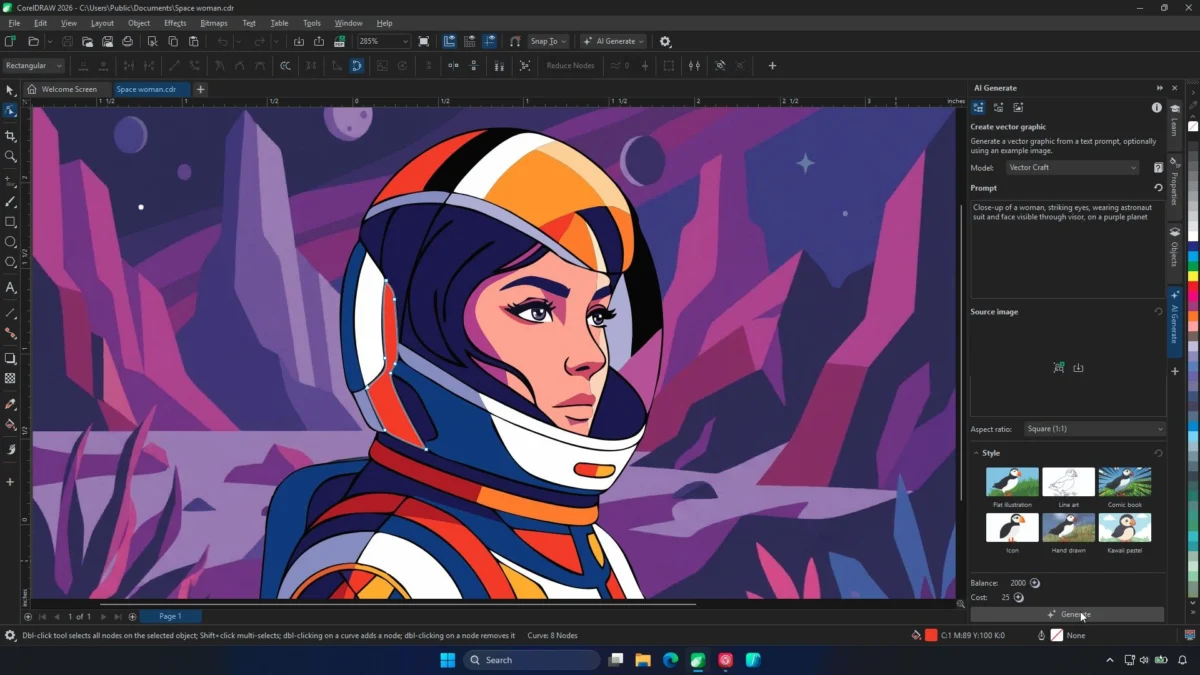
Recent disclosures from the company have confirmed that the use of generative AI is no longer a peripheral experiment; it is central to the platform’s operational strategy. With approximately 300 titles featuring AI-assisted elements this year alone, Netflix is signaling a future where the line between human craftsmanship and algorithmic efficiency is permanently blurred.
The New Reality: AI in the Production Pipeline
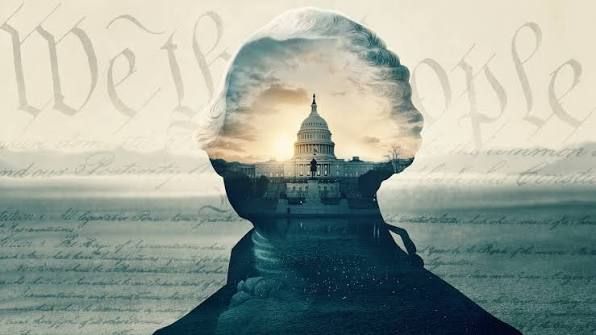
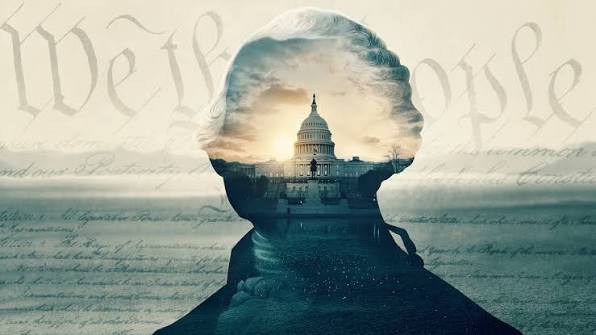
The most striking evidence of this shift surfaced in the docuseries The American Experiment. A deep dive into the history of the American Revolution, the series garnered attention not merely for its subject matter, but for the revelation that 17 minutes of its runtime relied on AI-altered footage.
Netflix’s defense of this practice is rooted in the language of fiscal efficiency. In recent shareholder communications, the company noted that the AI-augmented sequences were produced in half the time and at 50% of the cost of traditional filming techniques. Furthermore, executives argued that the technology allowed the production to include historical recreations that would have been otherwise financially unfeasible.
While the platform maintains that these tools are intended to assist—not replace—human creators, the optics have been stark. During the most recent quarterly earnings call, co-CEO Ted Sarandos and his leadership team consistently pivoted back to the metrics of "cost" and "operational output" when discussing these technological integrations. For a subscriber base that values prestige drama and artistic intent, this focus on the bottom line over creative vision has caused significant friction.
A Chronology of the AI Integration
The integration of AI into Netflix’s ecosystem was not an overnight transition. It has been a calculated, multi-year evolution:
- 2023: Early Exploration. Netflix began testing AI tools for subtitling, dubbing, and basic visual enhancement in international markets.
- Early 2025: The Scaling Phase. Following the resolution of major industry labor disputes, Netflix quietly increased its R&D budget for proprietary generative tools designed for post-production color grading and background asset generation.
- Q1 2026: Official Disclosure. In its Q1 shareholder letter, Netflix acknowledged the use of AI in "various creative capacities," framing it as a way to "unlock new storytelling possibilities."
- Mid-2026: The "American Experiment" Milestone. The release of the docuseries brought the reality of AI-altered footage into the mainstream, triggering a backlash from industry purists and subscribers alike.
- Current Status: With 300 titles now utilizing some form of AI, the platform has reached a point where the technology is effectively "baked in" to the standard production pipeline for both unscripted and scripted content.
The Cost of "Algorithmic Sameness"
The philosophical objection to Netflix’s strategy is rooted in what critics call "algorithmic sameness." When production pipelines are streamlined via AI to hit specific cost-to-viewing-time ratios, the result is often a homogenized aesthetic. Shows begin to look and feel like they were manufactured in a factory, losing the distinct visual fingerprints of the directors and cinematographers who previously helmed these projects.
This sentiment is exacerbated by the company’s ruthless approach to its catalog. The recent cancellation of The Boroughs serves as a case study in corporate disconnect. Despite the sci-fi drama featuring high-profile talent like Alfred Molina and Geena Davis—and holding a critical 96% approval rating on Rotten Tomatoes—the series was axed after just one season. When even high-performing, critically acclaimed shows are discarded to optimize for short-term algorithmic gains, subscribers begin to lose trust in the platform’s commitment to quality.
Furthermore, the decision to use an AI-generated voice of the late Gene Wilder in a recent reality series has ignited a firestorm of ethical criticism. The move was viewed by many as a disrespectful exploitation of a deceased icon, further cementing the perception that Netflix prioritizes engagement data over the dignity of the artists who built the industry.
The Competitive Landscape: Where the Prestige Lives
As Netflix doubles down on cost-cutting and AI-assisted content, its competitors have moved in the opposite direction, positioning themselves as the new bastions of prestige television.
Apple TV+: The New Gold Standard
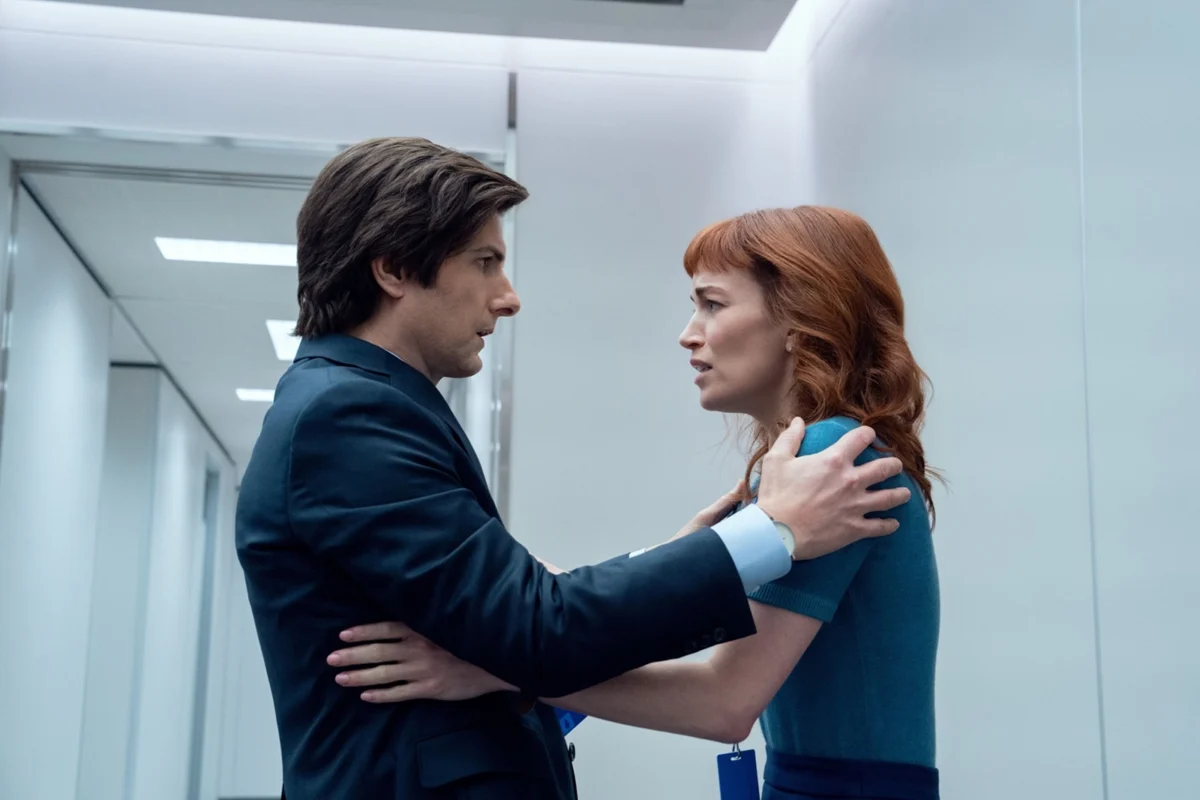
Apple TV+ has arguably become the strongest competitor for the discerning viewer. By focusing on limited, high-quality runs of shows like Severance, Slow Horses, and Bad Sisters, Apple has cultivated an environment that favors "water-cooler" quality over volume. These shows consistently top critics’ lists, maintaining a sense of prestige that feels increasingly absent from the Netflix homepage.
Paramount+: The Genre Powerhouse
For those seeking comfort and world-building, Paramount+ has successfully leveraged the Star Trek franchise. With the introduction of Starfleet Academy and a deep library of classic sci-fi, the platform offers a sense of continuity and "comfort telly" that provides a stable alternative to Netflix’s volatile catalog.
Disney+: The Home of Award-Winning Drama
Disney+ has surprised many by shedding its "kiddie content" reputation. The success of the apocalyptic thriller Paradise and the highly anticipated The Testaments has proven that the platform can host complex, adult-oriented prestige drama. Paradise, in particular, has become a benchmark for what can be achieved when a studio invests in original, high-stakes storytelling rather than filling a schedule with AI-supplemented filler.
The Implications: Is the Habit Broken?
The question for the modern viewer is no longer "what is on Netflix," but rather "what am I paying for?" The platform’s reliance on AI is a symptom of a larger pivot away from being a "prestige" destination toward becoming a high-volume utility service.
For the consumer, the implications are twofold. First, the democratization of AI means that even the most "human" shows may contain subtle, machine-generated artifacts that change the viewing experience. Second, the reliance on data-driven cancellations means that viewers who invest time in developing a relationship with a show’s characters are at higher risk of being left with a narrative dead-end.
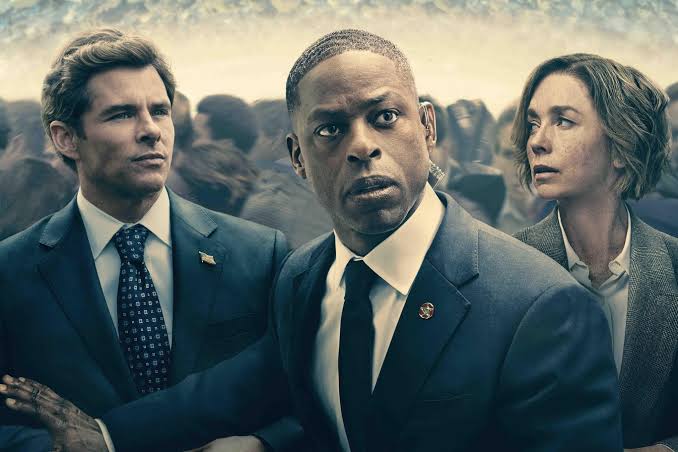
Industry analysts suggest that we are entering a "post-subscription fatigue" era. As the quality of library content fluctuates, the churn rate for services like Netflix is expected to rise. If the platform continues to prioritize the 300+ titles that rely on AI-driven shortcuts over the long-term cultivation of talent and narrative depth, it may find that its subscriber base is not as loyal as its internal data suggests.
Conclusion: A Pivot Toward Choice
The technology behind AI in film is not inherently evil; it is, as Netflix insists, a tool. However, the application of that tool in a way that minimizes human cost while simultaneously alienating the audience is a dangerous gamble.
The current state of streaming is a reminder that content is not a commodity. We watch shows for the human perspective, the emotional resonance, and the unique artistic vision that only a human creator can provide. As Netflix moves toward a model defined by algorithmic optimization, other platforms are stepping into the void, offering a reminder that viewers are still willing to pay for stories that feel, act, and sound like they were made by people, for people.
For the subscriber, the takeaway is simple: you are not bound to a single platform. In an age of high-quality, human-led storytelling available across multiple competitive services, the "Netflix habit" is becoming increasingly easy to break. The power of the remote has never been more significant; it is the ultimate tool for voting on what kind of television we want to see in the future.