Lina Irawan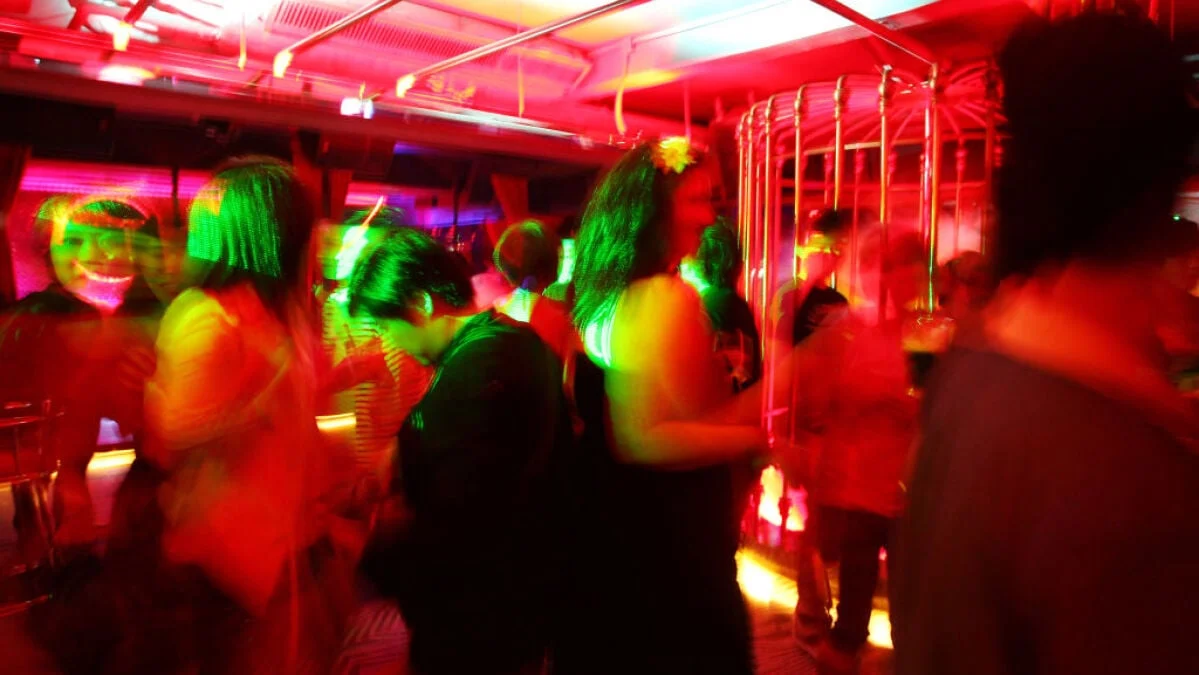
In the digital age, virality is rarely a deliberate choice. Often, it is a byproduct of a collision between hyper-local grievances and the insatiable appetite of the internet for performative outrage. This week, the unlikely epicenter of this phenomenon was Greenfield, Massachusetts—a town of approximately 17,000 residents—where a modest, mission-driven lesbian bar known as the "Last Ditch" found itself at the center of a national media storm.
What began as a logistical update regarding public health protocols spiraled into a 1,500-word deep dive by the Boston Globe, sparking a cascade of online discourse that has been compared to modern-day literary sensations like "Cat Person" or the "Bad Art Friend" saga. As the dust begins to settle, the story serves as a chilling case study on how queer spaces—already struggling for survival—are increasingly vulnerable to the volatility of social media, ideological purity tests, and the commodification of community conflict.
The Last Ditch: A Rare Outpost in a Declining Landscape
To understand the intensity of the reaction, one must first understand the scarcity of the space. According to data from the Lesbian Bar Project, there are only 36 lesbian bars remaining in the United States. In a post-pandemic era characterized by the shuttering of nightlife venues and a broader decline in in-person socialization, these spaces are not merely businesses; they are vital cultural touchstones for the sapphic community.
The Last Ditch was founded on the principle of filling this void in Western Massachusetts. It was established by a group of friends with a stated commitment to fostering an unapologetically queer environment, far removed from the profit-driven motives of mainstream nightlife. However, the very intimacy that makes such spaces sacred also creates a high-pressure environment where every administrative decision is viewed through the lens of political and moral duty.
Chronology of a Conflict: From Masks to Meltdown
The catalyst for the crisis was an Instagram post published by the bar on August 31. The management announced a modification to their long-standing mask policy. Previously, the venue had enforced a strict KN-95 mandate for all patrons. The new policy aimed to open Saturday nights to maskless clientele, citing a desire to move toward a more flexible social environment.
The response was immediate and vitriolic. The comments section of the post transformed into a digital battlefield within hours. Critics, many of whom identified as former patrons, framed the policy shift not as a business decision, but as an act of betrayal. Terms like "mass disabling event" and "eugenicist attack" were leveled against the owners. One commenter wrote, "People like you kill disabled people in the name of your own leisure and convenience."
The Boston Globe’s exhaustive reporting chronicled the subsequent days: a frantic series of apologies, retractions, town hall-style public meetings, and increasingly polarized online debates. The conflict pitted self-described COVID-conscious activists against a leadership team that appeared caught off guard by the intensity of the backlash. As the situation evolved, the specific grievances regarding health protocols were quickly eclipsed by ad hominem attacks.
The Internet’s Voyeuristic Response
As the Globe piece gained traction, the narrative escaped the confines of Greenfield. The internet, acting with its characteristic lack of nuance, began to treat the story as a piece of performance art. Screenshots of the most extreme comments—including one user noting that an owner was currently enrolled in clown school, and another calling for the venue to be "firebombed"—began to proliferate on X (formerly Twitter) and Reddit.
For many online observers, the story was a form of entertainment. It offered a "train wreck" quality that allowed people to mock the participants while ignoring the broader reality of the situation. Users debated the absurdity of the anecdotes, with one viral post labeling the bar’s internal drama as "possibly the best reporting of the year."
However, beneath the surface of the memes and the mockery, a darker strain of commentary emerged. The reporting provided a canvas for those with no connection to the Greenfield community to air long-standing grievances against queer and disabled people. Images of staff and patrons were scraped from the bar’s social media and subjected to body-shaming and homophobic scrutiny. Critics of leftist politics seized on the story to mock what they termed "intergalactic woke batcrapitude," using the Last Ditch as a proxy for a broader, performative cultural struggle.
The Erosion of Queer Sanctuary
This is not the first time a queer space has been weaponized by the internet. In 2024, a similar debate erupted over the NYC institution Cubbyhole, where a TikTok influencer’s visit sparked a national conversation about who "belongs" in queer spaces and the impact of social media exposure on vulnerable community hubs.
The Last Ditch situation highlights a recurring paradox: the very digital tools that allow small, queer-owned businesses to build community and broadcast their existence are the same tools that facilitate their destruction. When a private disagreement is moved to a public Instagram feed, it is no longer a community conversation; it is content. And in the economy of modern content, the more "dramatic" or "bizarre" the situation, the more it is incentivized to spread, often at the expense of the people living through it.
The Implications for Local Journalism and Community
The Boston Globe reportedly saw an uptick of over 1,000 subscriptions following the publication of the article. This creates a complex incentive structure: the publication benefited from the viral nature of the conflict, as did the bar, which gained a surge of notoriety that may lead to increased foot traffic from curious tourists and new supporters.
But at what cost to the residents of Greenfield? The bar’s leadership, in an earlier Instagram plea, stated clearly: "We started this project as a small group of friends with a burning desire to keep unapologetically queer spaces alive… Not to make money, not to garner notoriety."
The reality, however, is that they have been forced into a position of notoriety. The "Last Ditch" has become a vessel for a national discourse that has little to do with the specific needs of its patrons. By turning local nightlife minutiae into a global spectacle, the internet has effectively stripped the space of its ability to resolve its own internal conflicts.
Conclusion: Lessons from the Void
As the dust settles, the Greenfield controversy stands as a warning to community-based organizations. In an era of digital surveillance, the stakes of administrative transparency are higher than ever. Policies regarding safety, health, and inclusion are no longer just internal guidelines; they are public statements subject to extreme scrutiny.
For the Last Ditch, the path forward remains uncertain. The venue must reconcile its desire to be an inclusive, safe space for the local sapphic community with the harsh reality that its digital presence is now permanently tied to a national caricature. The incident serves as a stark reminder that while the internet is excellent at highlighting the struggles of the marginalized, it is often fundamentally ill-equipped to handle them with the grace, empathy, or context they require.
In the end, the Greenfield saga suggests that perhaps not every community disagreement needs to be a "main character" moment. Sometimes, the most radical act in a hyper-connected world is keeping one’s business, and one’s disagreements, offline.

 Neng Nana
 Nana Wu