Nana Wu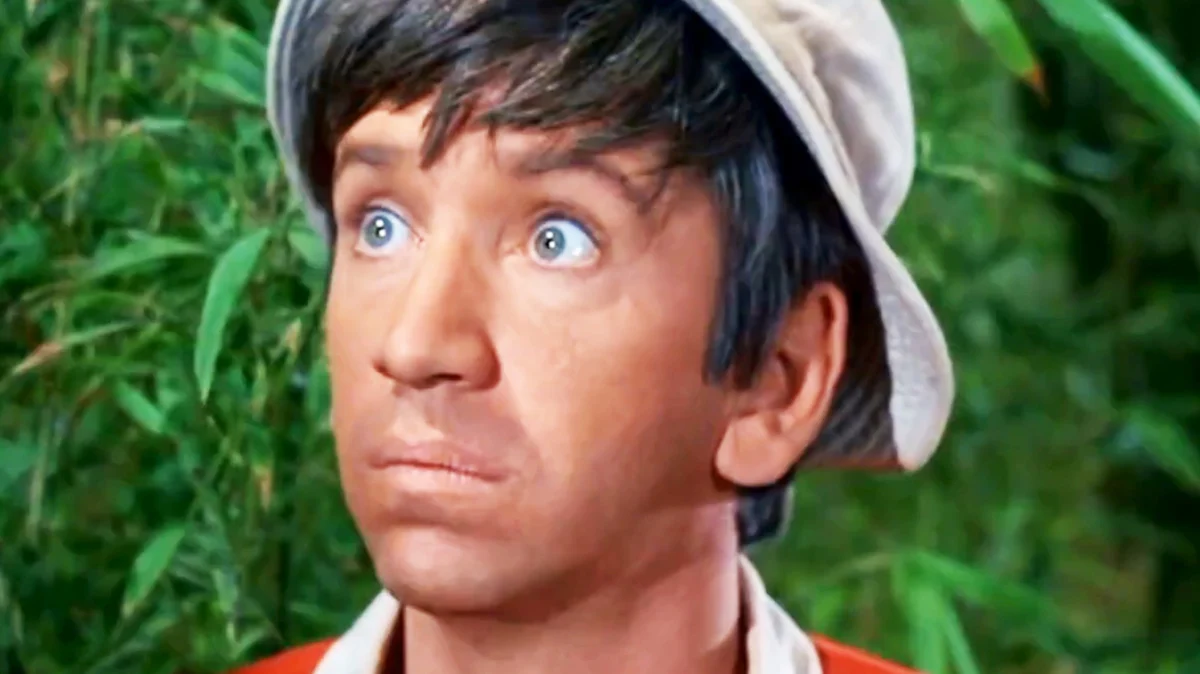
For three glorious seasons in the mid-1960s, Gilligan’s Island became a cultural phenomenon, defined as much by its absurdity as by its revolving door of eclectic guest stars. From legendary comedians like Don Rickles to the entire Harlem Globetrotters roster, the remote Pacific island saw more visitors than many major cruise ports. However, among the most unexpected arrivals was Roman Gabriel, the towering Los Angeles Rams quarterback who stepped off the gridiron and into the jungle in 1966. While his performance as a tribal head-hunter remains a curious footnote in sports and television history, the story behind his casting reveals a charm that went far beyond the script.
The Intersection of Sports and Stardom: A 1966 Crossover
By 1966, Roman Gabriel was already a household name in the sporting world. As the first Filipino-American quarterback in NFL history and a standout talent from NC State, Gabriel commanded the field with a level of poise that made him a natural candidate for the crossover appeal of 1960s television.
The writers of Gilligan’s Island were notorious for their "anything goes" approach to narrative continuity. Faced with the logistical challenge of keeping seven castaways stranded on an island for over 90 episodes, the production team relied heavily on guest stars to inject fresh conflict into the static setting. These visitors ranged from the absurd to the surreal, with plots often requiring the castaways to interact with explorers, military personnel, or, in the case of the Season 2 episode "Topsy-Turvey," tribal figures.
Gabriel’s appearance in "Topsy-Turvey" saw him cast alongside actors Eddie Little Sky and Allen Jaffe. The premise was simple, if somewhat dated by modern standards: the trio arrived on the island as hunters, forcing the castaways into a series of comedic, high-stakes escapes. For a man accustomed to the precision of a professional football offense, the role of a jungle head-hunter was a far cry from his life in the pocket, yet Gabriel approached the assignment with the same professional rigor he brought to the stadium.
The Human Element: A Three-Word Motivation
Despite the demanding schedule of a professional athlete, Gabriel’s motivation for accepting the role was surprisingly grounded. He was not there for the prestige of the script or the challenge of acting; he was there for the opportunity to interact with the cast.
In a revealing anecdote shared by Tim Peeler—a noted historian of NC State athletics and a personal acquaintance of the late quarterback—the true reason for Gabriel’s guest spot was clarified. When asked years later about his experience on the iconic sitcom, Gabriel bypassed any mention of the directing, the craft of acting, or the novelty of being a guest star. Instead, he offered a simple, three-word response: "Meeting Mary Ann."
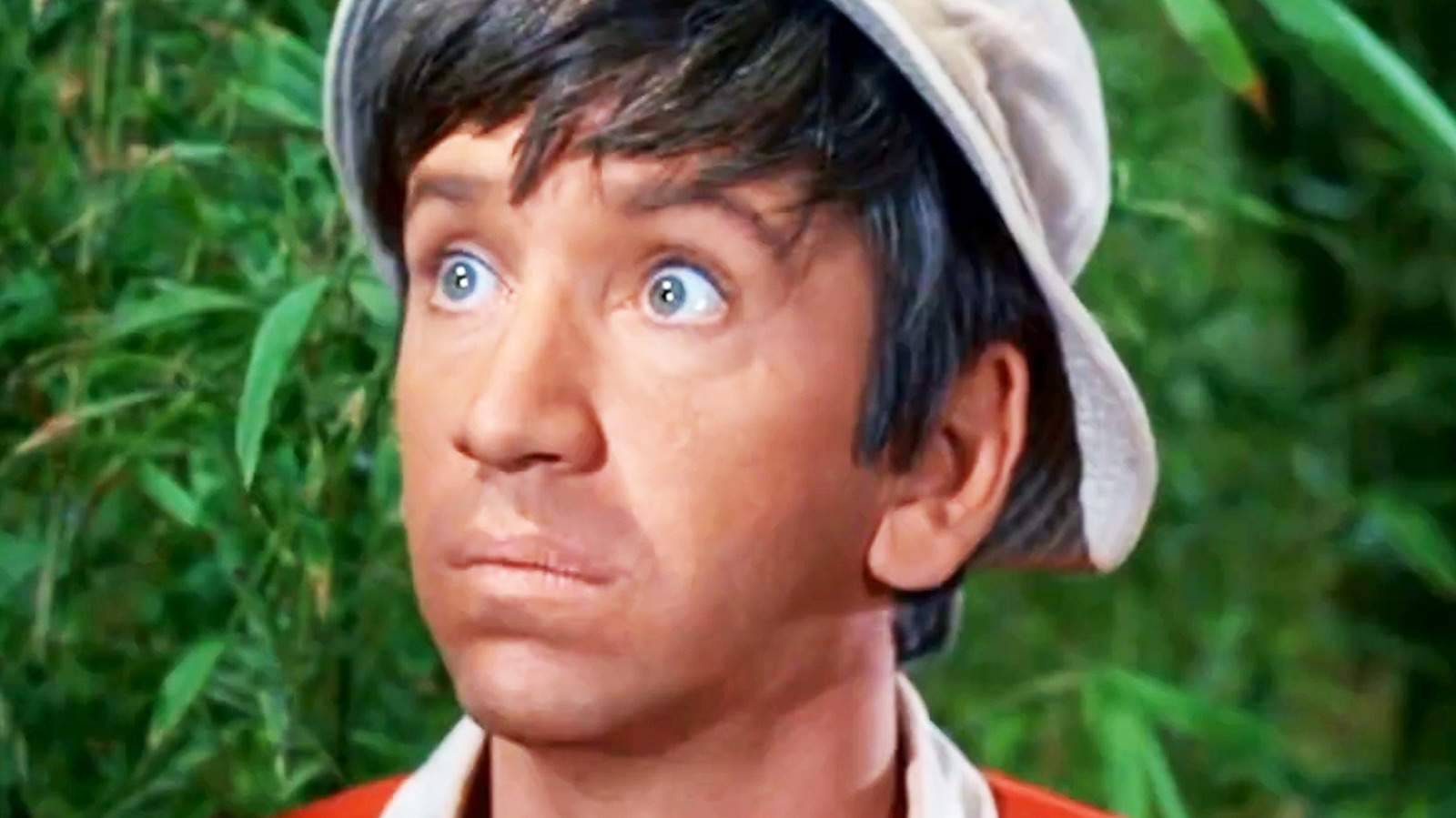
This admission serves as a testament to the cultural impact of Dawn Wells, who portrayed Mary Ann Summers. As the "girl next door" archetype, Wells provided a grounded, relatable presence that anchored the show’s more frantic energy. While Tina Louise’s Ginger Grant was the glamorous Hollywood starlet, Wells’ Mary Ann was the heart of the castaways, a character who resonated with audiences and, evidently, with the biggest stars of the NFL.
The Significance of Mary Ann Summers
To understand why a man of Gabriel’s stature would prioritize meeting Dawn Wells, one must examine the legacy of the character she created. Mary Ann Summers was not in the original, unaired Gilligan’s Island pilot—a piece of television history that remained hidden for nearly three decades. When the show was retooled for its CBS debut in 1964, the addition of Mary Ann (alongside Russell Johnson’s Professor) proved to be the missing piece of the puzzle.
Mary Ann represented a sense of home and decency. While other characters often fell victim to their own vanity or schemes, Mary Ann was the steady hand, the cook, and the moral compass. Fans of the show have long debated the "Ginger vs. Mary Ann" dynamic, but the consensus among many viewers is that Mary Ann was the soul of the island. For Roman Gabriel, who spent his life in the hyper-masculine, high-pressure world of professional football, the warmth and simplicity of the Mary Ann character likely offered a refreshing contrast.
Beyond the Island: The Athletic-Actor Pipeline
Roman Gabriel’s career path was emblematic of a generation of athletes who found themselves transitioning into the entertainment industry during the off-season. Unlike many of his contemporaries who sought bit parts for a quick paycheck, Gabriel demonstrated genuine interest in the craft.
Following his Gilligan’s Island appearance, Gabriel’s acting portfolio expanded. He appeared in the 1969 Western The Undefeated, starring the legendary John Wayne and Rock Hudson. Working with "The Duke" was a career highlight, though it was marred by a notorious on-set injury that saw Wayne suffer a permanent, lifelong impairment. Gabriel’s ability to move between the physical brutality of the NFL and the controlled environment of a film set highlights the versatility of the man.
Furthermore, his appearance on Perry Mason alongside Raymond Burr showed that he was comfortable in a range of genres. Yet, despite these roles, his brief stint on the Pacific island remains the subject of curiosity for many. It stands as a reminder of a time when the lines between professional sports and pop culture were blurred, allowing for unique interactions that are rarely seen in the era of modern, highly protected athlete branding.
Professional Reflections and Historical Context
From a journalistic perspective, the documentation of Gabriel’s experience is significant because it adds a human layer to the history of a show often criticized for its repetitive nature. While critics might dismiss Gilligan’s Island as a lighthearted farce, the oral histories provided by its guest stars suggest that the set was a place of genuine connection.
The fact that Gabriel—a man who faced down the most aggressive defensive lines in the country—felt a genuine desire to meet a sitcom star speaks volumes about the celebrity culture of the 1960s. It was a time when television stars were the center of the American living room, commanding an influence that transcended their specific roles.
A Legacy of 83 Years
Roman Gabriel passed away in 2024 at the age of 83. His death prompted a retrospective look at his dual career as a gridiron icon and a bit-part actor. Whether he was throwing a touchdown pass at the Los Angeles Memorial Coliseum or holding a prop spear on a soundstage in Hollywood, Gabriel maintained a reputation for reliability.
The anecdote regarding Mary Ann is now cemented as a piece of his legacy, representing the lighter, more personal side of a life defined by intense competition. It serves as a reminder that even the most formidable figures have their fandoms and their simple joys.
Conclusion: The Enduring Appeal of the Minnow
The story of Roman Gabriel’s appearance on Gilligan’s Island is more than just a piece of trivia; it is a snapshot of an era. It highlights the power of television to bring together individuals from vastly different walks of life—the professional athlete and the sitcom star—under the banner of entertainment.
While the S.S. Minnow never actually left the island, its legacy continues to drift across the landscape of popular culture. For Gabriel, the journey to the island was short, the screen time was limited, but the memory of meeting Mary Ann clearly endured long after the cameras stopped rolling. In the end, the most important part of his journey wasn’t the survival of the castaways or the absurdity of the plot—it was the simple, human connection he made along the way.

 Lina Hope
 Azzam Bilal Chamdy