

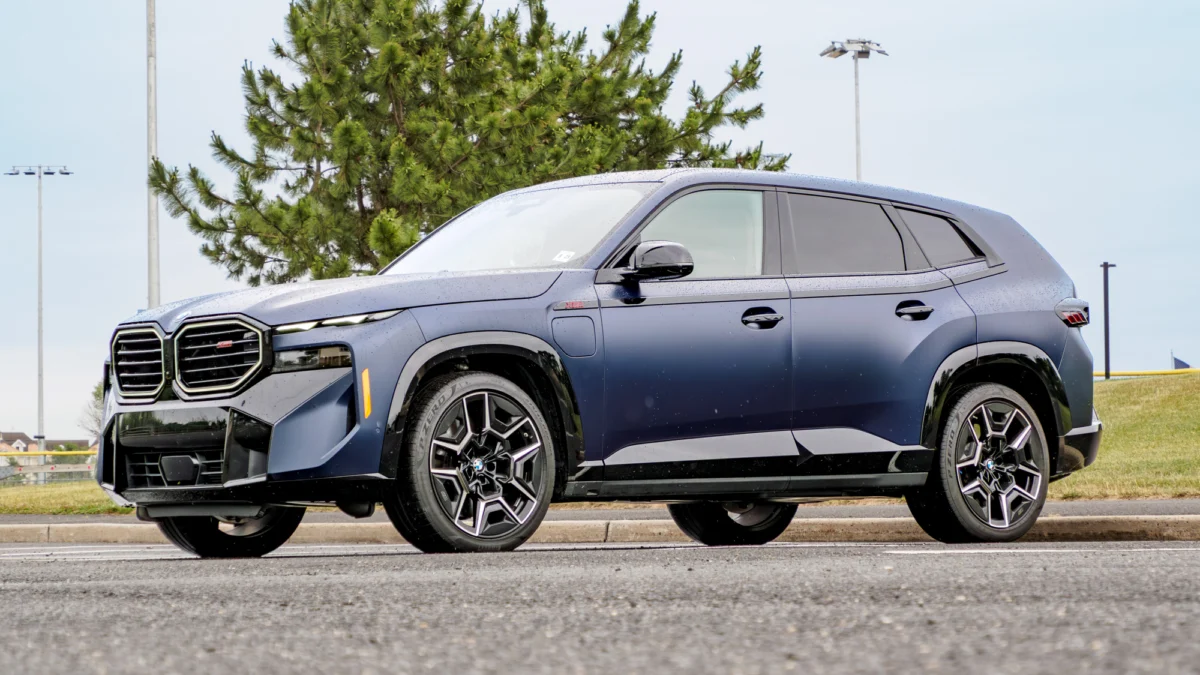
When the conversation turns to the pinnacle of German automotive engineering, the discourse inevitably gravitates toward the high-performance SUV segment. These vehicles are no longer mere utility haulers; they are status symbols that marry the brute force of a track-bred powertrain with the opulent comfort of an executive lounge. Two of the most formidable contenders in this ultra-premium arena are the 2026 BMW XM Label and the 2026 Audi RS Q8 performance.
Both vehicles command price tags north of $160,000, promising a dual-purpose experience that justifies their existence in the garages of the world’s elite. But when the dust settles, which of these German titans truly delivers on the promise of "ultimate performance"? After a week of intensive real-world testing, we break down the design, efficiency, driving dynamics, and overall value of these two behemoths.
The Contenders: Main Facts and Specifications
The BMW XM Label and the Audi RS Q8 performance represent two distinct philosophies of power. The BMW XM Label is a bold, plug-in hybrid (PHEV) statement piece, utilizing a massive 4.4L TwinPower Turbo V8 paired with an electric motor to output a staggering 738 horsepower. In contrast, the Audi RS Q8 performance sticks to a more traditional, yet highly refined, 4.0L TFSI biturbo V8, pushing out a still-impressive 631 horsepower.
| Feature | 2026 BMW XM Label | 2026 Audi RS Q8 performance |
|---|---|---|
| MSRP | $159,600 | $138,300 |
| Engine | 4.4L TwinPower Turbo V8 (PHEV) | 4.0L TFSI Biturbo V8 |
| Horsepower | 738 hp | 631 hp |
| 0-60 mph | 3.4 seconds | 3.4 seconds |
| Electric Range | 30 miles | N/A |
| Fuel Economy (Combined) | 14 mpg / 47 MPGe | 16 mpg |
A Chronology of Comparison: A Week of Real-World Testing
To understand these vehicles, one must live with them. Our testing protocol involved a full seven-day cycle of urban commuting, high-speed highway cruising, and technical cornering.
Days 1-3: Urban Presence and Daily Usability
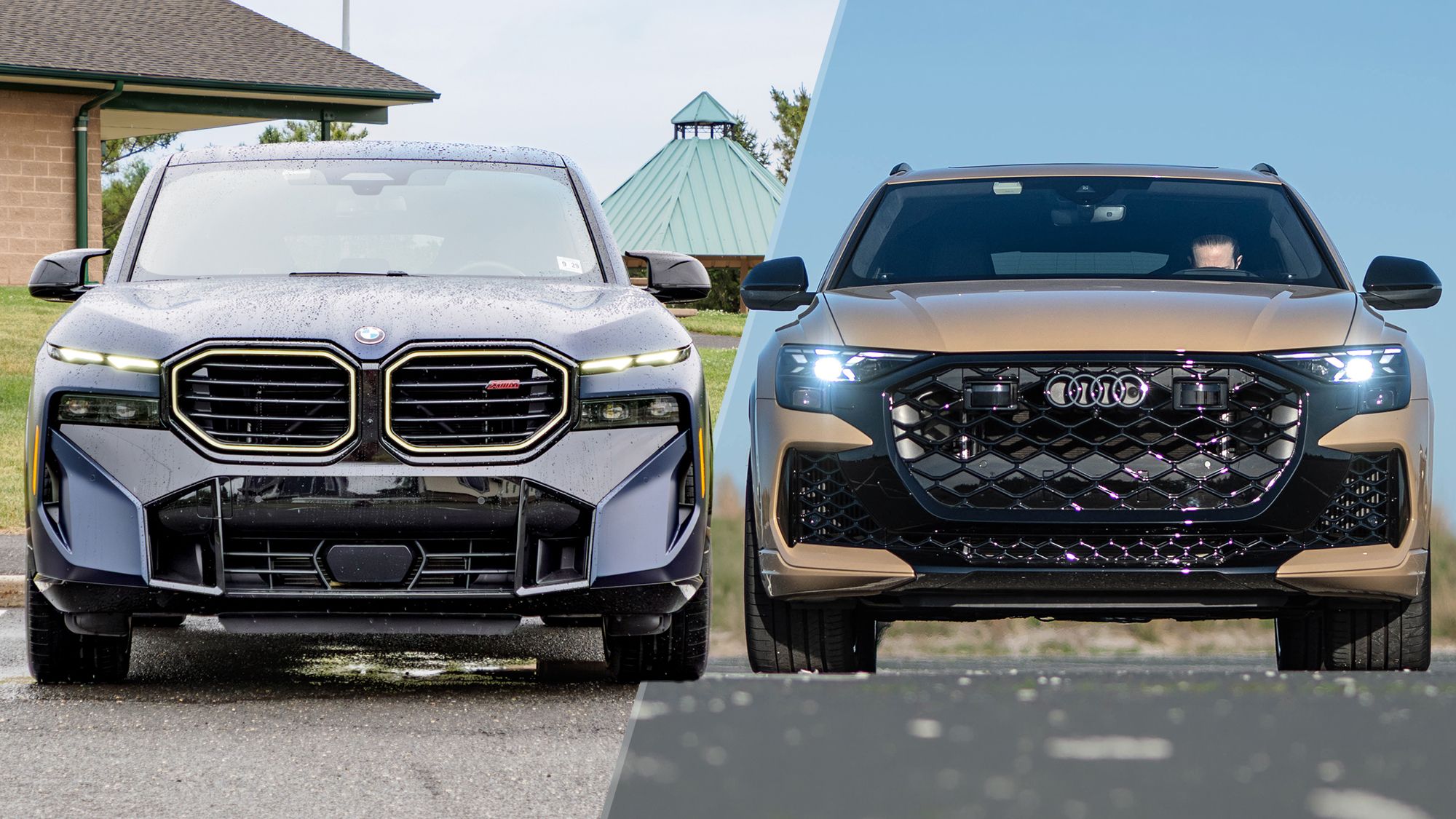
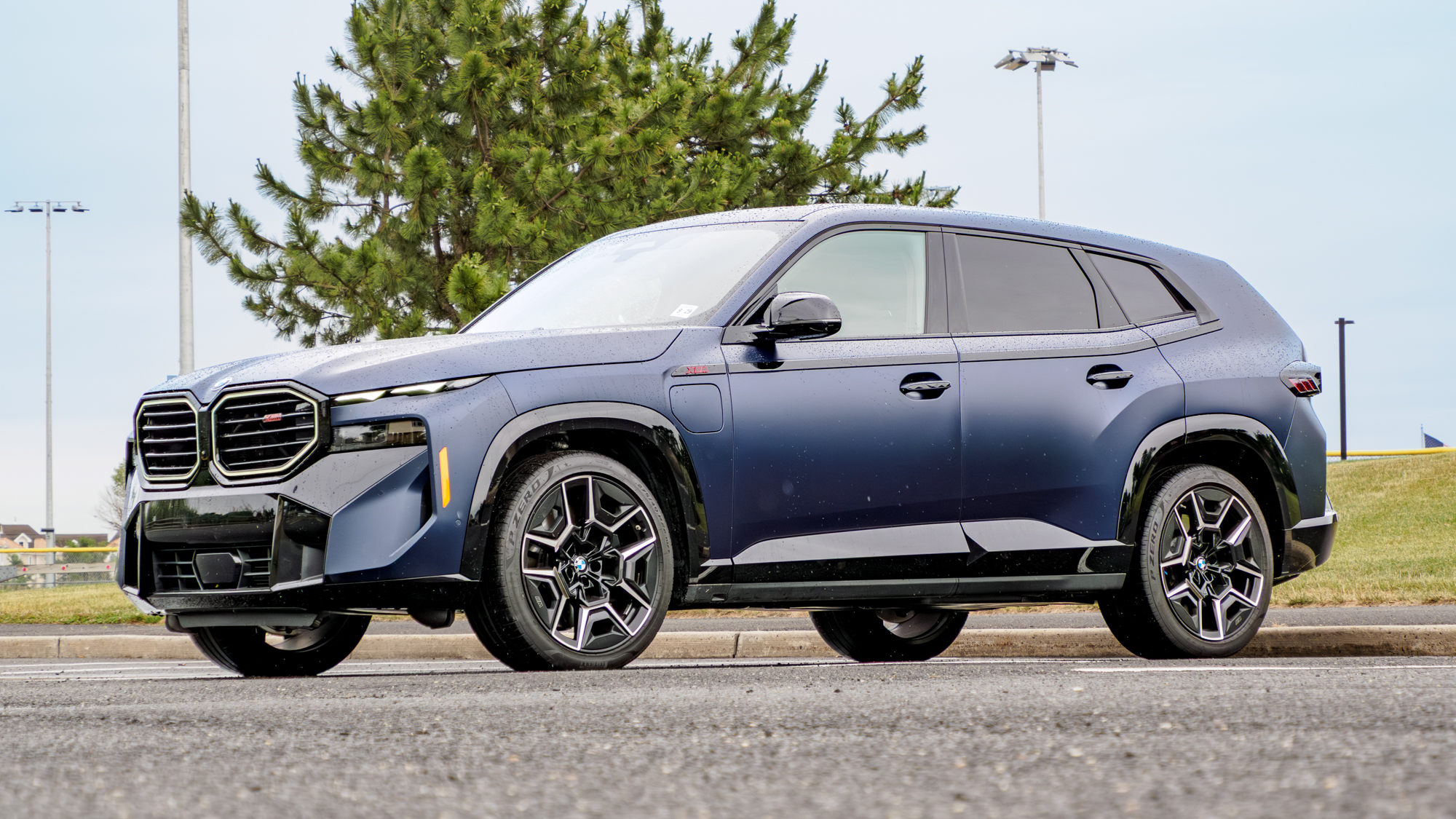
The first three days were focused on city driving. The BMW XM Label, with its aggressive "stealth-fighter" aesthetic, commands attention at every intersection. Its slab-sided design and illuminated hexagonal kidney grilles create a cyberpunk presence that makes the Audi appear almost conservative. However, the size of the XM is a double-edged sword; navigating tight urban parking garages feels like captaining a yacht.
The Audi RS Q8 performance, by contrast, feels more "normal." Its proportions are more manageable, and its design—while handsome—blends into the standard Audi design language. It is a car that whispers its power rather than shouting it.
Days 4-5: Efficiency and the PHEV Advantage
Mid-week, we shifted focus to fuel efficiency. This is where the BMW XM Label pulls away. As a plug-in hybrid, it offers approximately 30 miles of pure electric driving. For short commutes, the XM can operate as an EV, significantly lowering the cost of ownership and reducing the carbon footprint of such a heavy machine. Our testing yielded an average of 23.5 MPGe in the BMW, compared to 16.1 mpg in the gas-only Audi.
Days 6-7: Performance and The Open Road
The final two days were reserved for performance testing. Despite the BMW’s massive power output, its weight is a significant handicap in the corners. The Audi RS Q8, being lighter and equipped with advanced all-wheel steering and air suspension, feels far more athletic when the road begins to twist. It is the more composed machine in high-speed, technical maneuvers.
Supporting Data: Performance and Tech
While the BMW XM Label wins on sheer power and hybrid efficiency, the Audi RS Q8 performance offers a more grounded, driver-focused experience.
The tech suites in both vehicles are top-tier. BMW’s interior feels like a high-tech sanctuary, complete with an LED-lined roof that changes the cabin atmosphere at night. Their Drive Assist system is particularly impressive, allowing for head-gesture confirmation during turns—a feature that feels like a glimpse into the future of automotive automation.
The Audi, meanwhile, prioritizes safety and clarity. The inclusion of a night-vision camera that detects heat signatures of pedestrians and animals is a standout feature for long-distance night driving. Furthermore, the Audi’s premium sound system offers a level of acoustic purity that makes the cabin feel like a concert hall.
Official Perspectives and Market Positioning
Both BMW and Audi have positioned these vehicles as the "halo" products for their respective SUV lineups. BMW’s strategy with the XM Label is to capture the "bold luxury" segment—customers who want the car to be a conversation starter. Audi’s strategy with the RS Q8 performance is to appeal to the "discerning enthusiast"—those who want supercar performance hidden in a practical, daily-driver silhouette.
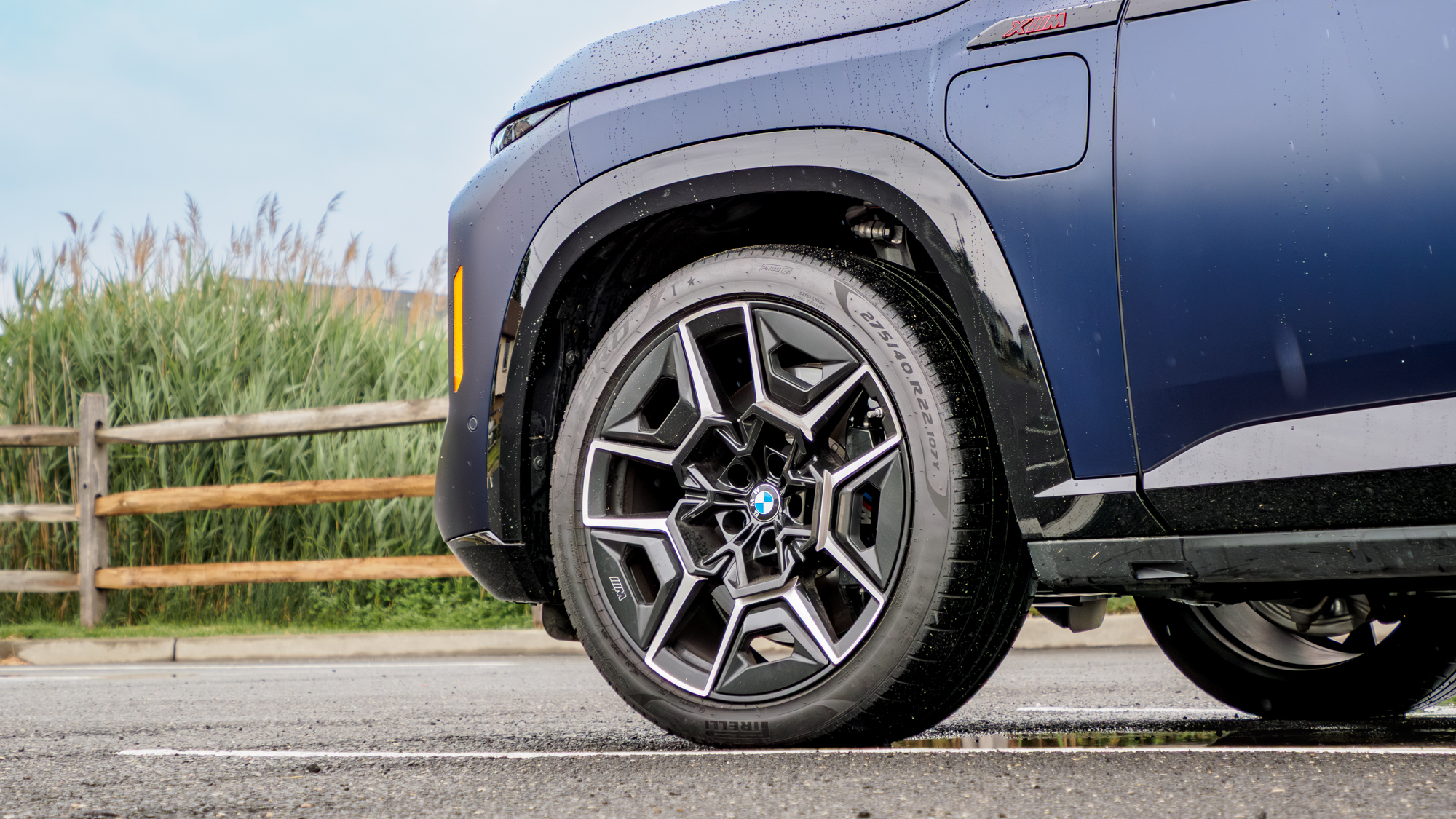
From an engineering standpoint, the decision to go with a PHEV in the XM Label is a direct response to tightening global emissions regulations, allowing BMW to maintain a V8 presence while meeting efficiency targets. Audi’s continued reliance on the TFSI V8 demonstrates a commitment to traditional combustion refinement, relying on mild-hybrid tech rather than full electrification to smooth out the power delivery.
Implications: The Verdict
So, which vehicle earns the crown?
If your priority is driving engagement and handling, the Audi RS Q8 performance is the clear winner. It is a more responsive, tactile, and agile machine that feels like a true sports car in SUV clothing. Its lower starting price and more conventional design make it a safer, more reliable pick for the traditionalist.
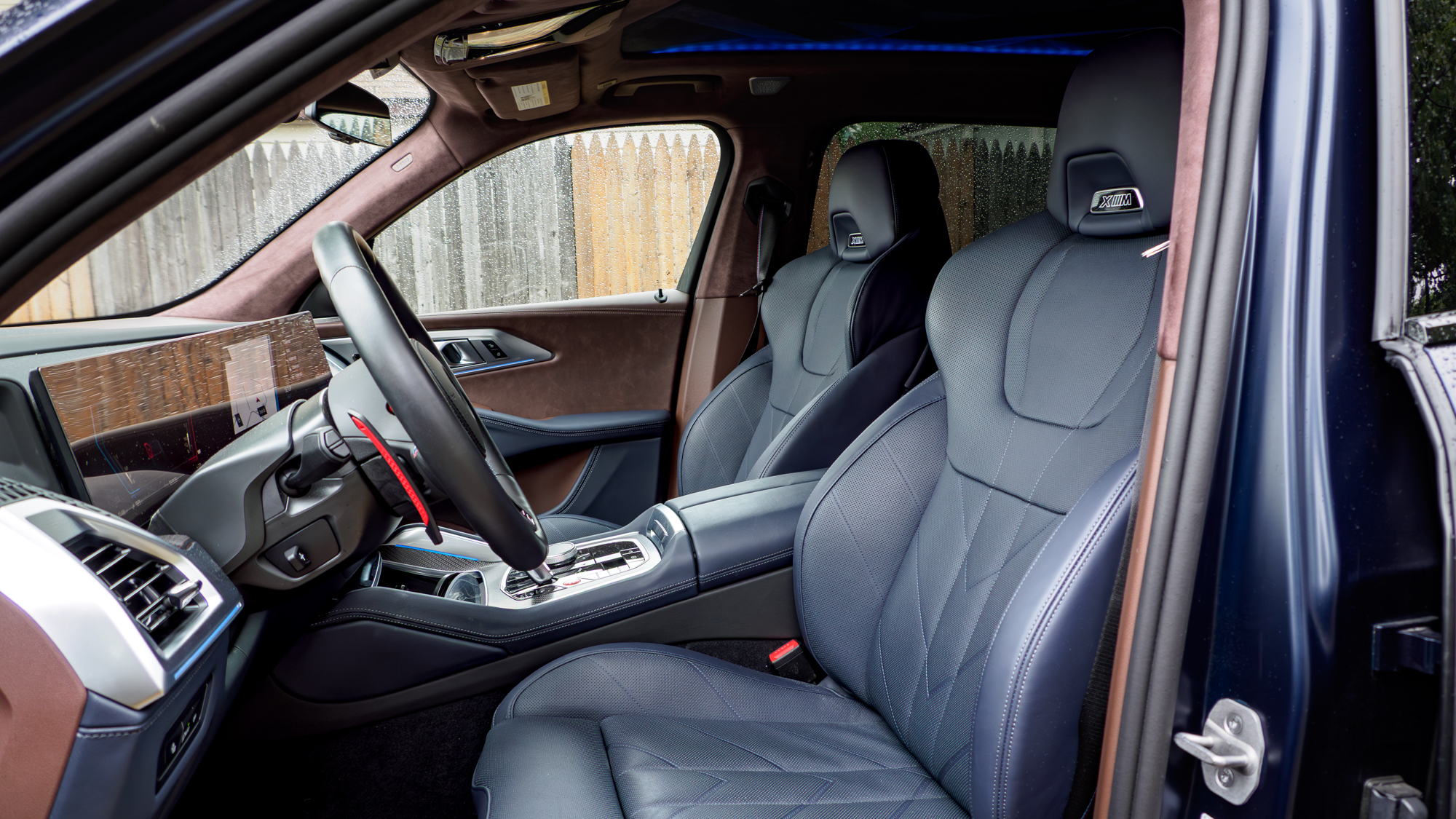
However, if your priority is innovation, presence, and long-term utility, the BMW XM Label is the superior choice. It is a boundary-pushing vehicle that embraces the future of hybrid performance. The ability to commute on electric power alone, combined with its futuristic design and intelligent automation, makes the XM Label feel like a much more significant leap forward.
The Final Scorecard:
- Design: BMW XM Label
- Fuel Economy: BMW XM Label
- Driving Performance: Audi RS Q8
- Comfort: BMW XM Label
- Value: BMW XM Label
Why the BMW XM Label is the Ultimate Splurge
In the six-figure SUV market, buyers aren’t just paying for the engine; they are paying for an experience. The Audi RS Q8 is an incredible piece of machinery, but it plays it safe. The BMW XM Label does not. It is polarizing, unapologetic, and technologically ahead of the curve. When you are spending this kind of money, you want a car that feels like an event every time you open the door. The BMW XM Label provides that event.
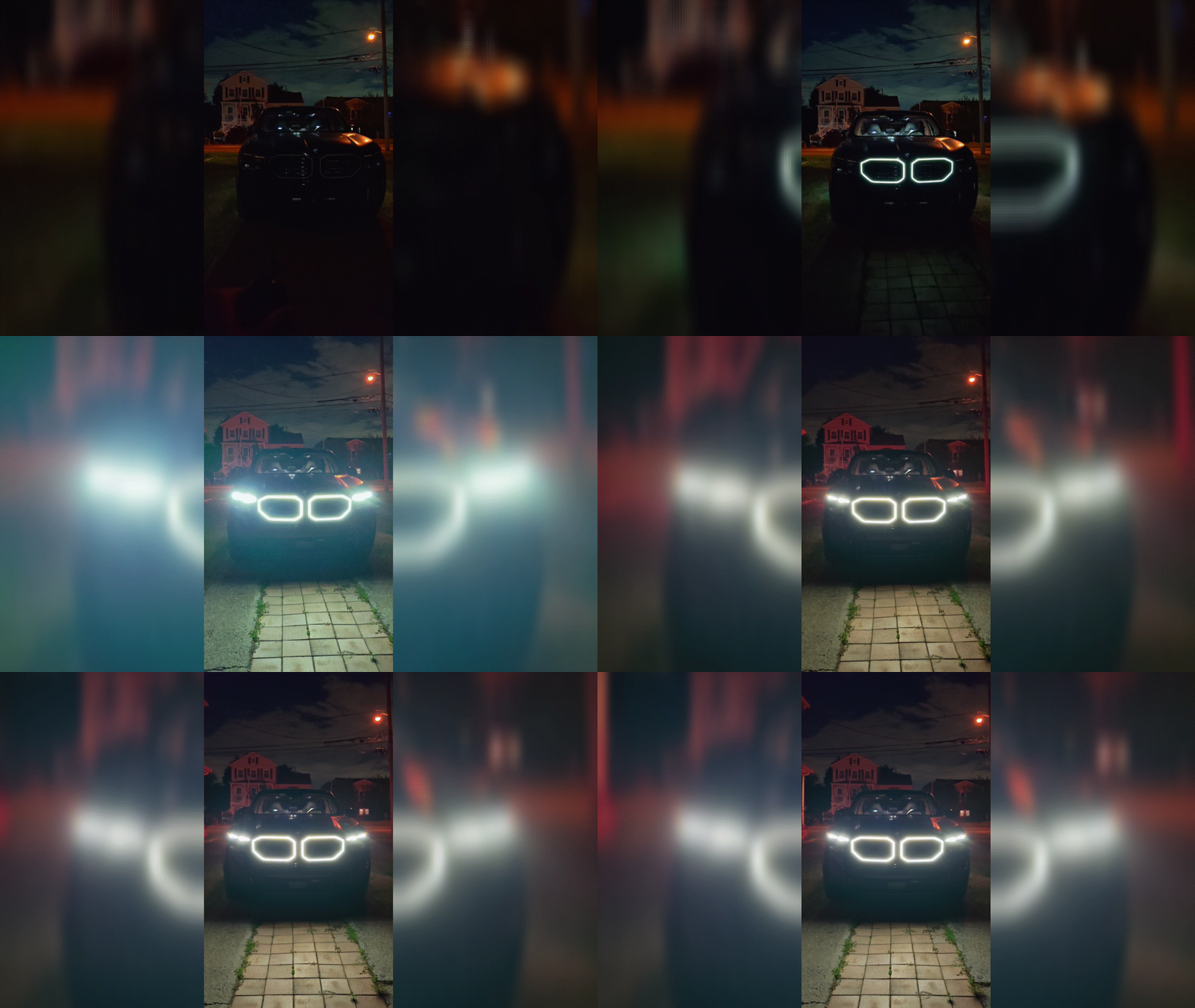
By justifying its cost through a combination of cutting-edge engineering and exclusive luxury features, the BMW XM Label stands as the definitive, if over-the-top, winner of this heavyweight bout. It is the vehicle that pushes the segment into new territory, and for that reason, it is the one we would recommend for those looking to make a true statement on the road.











