Asep Darmawan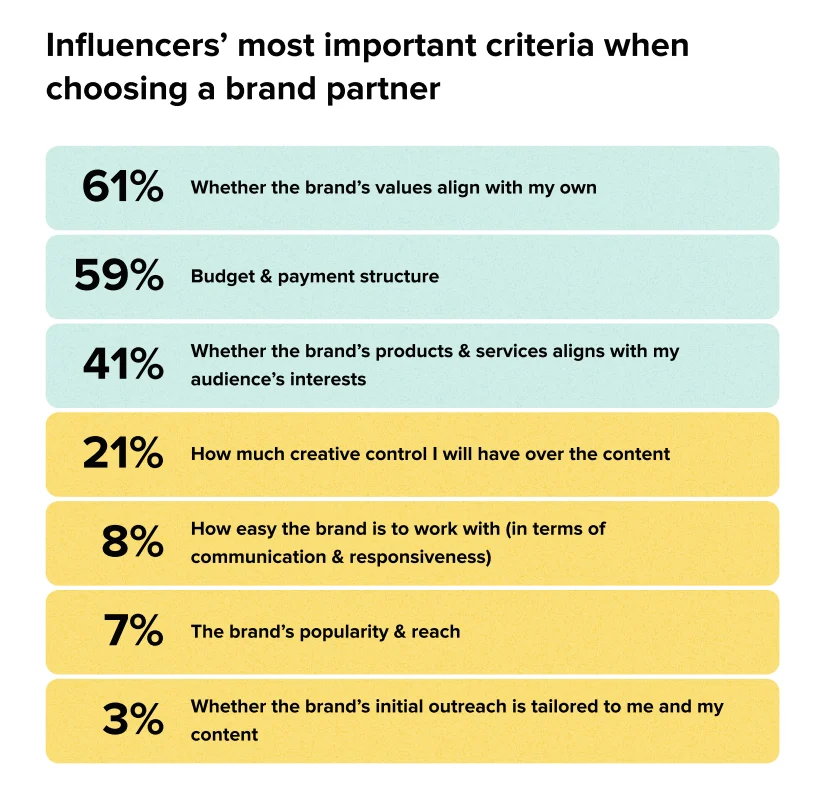
For modern marketing teams, the journey from influencer discovery to campaign execution has become a well-oiled machine. Brands have mastered the art of identifying talent, ideating creative content, and launching viral social campaigns. However, a significant "operational bottleneck" remains that threatens the sustainability of these programs: the grueling, often manual, administrative burden of influencer payments.
As influencer marketing evolves from a experimental side-hustle to a multi-billion dollar pillar of the digital economy, the disconnect between creative strategy and financial operations has become glaring. When the process of paying creators involves chasing down invoices, manual data entry, and fragmented email threads, the result is more than just administrative fatigue—it is a recipe for late payments, strained relationships with top-tier talent, and significant tax compliance risks.
The Evolution of Creator Compensation: From Gifting to Business Operations
Traditionally, the influencer landscape was defined by simple, transactional relationships—often involving product gifting or "in-kind" exchanges. A creator would receive a piece of jewelry or a skincare product in exchange for a mention. While these barter-based models still exist for nano-influencers, the industry has undergone a radical transformation.

Today, influencer compensation is a critical business workflow that demands synchronization between marketing and finance departments. As creators professionalize, they view their content creation as a legitimate business, and they demand payment structures that reflect their expertise, reach, and time. According to The State of Influencer Marketing Report, 59% of influencers cite budget and payment structure as the most important criteria when choosing a brand partner. Failing to provide a professional, seamless payment experience is no longer just a minor annoyance; it is a competitive disadvantage that can cause a brand to lose its preferred creators to more organized rivals.
The Four Pillars of Creator Compensation Models
To successfully scale a creator program, brands must adopt payment models that align with their specific business goals. The following four models represent the industry standard:
1. The Fixed-Rate Model (Flat Fee)
The most common and predictable approach is the flat fee per post. For example, a brand agrees to pay $500 for one Instagram Reel. This model is favored for its simplicity and the ability to accurately forecast campaign expenses. Advanced platforms, such as Sprout Social’s Influencer Marketing suite, allow managers to draft these payments within the campaign workflow, ensuring that budget tracking occurs in real-time rather than as an afterthought.
2. Performance and Affiliate Commissions
For brands focused on direct-response and e-commerce, the performance-based model is the gold standard. Here, creators receive a percentage of sales generated via unique tracking links or promo codes. While this creates a high-ROI environment, it places a heavy administrative burden on the brand to track conversion data accurately. Integrations with tools like TUNE allow for the centralization of performance data, enabling brands to calculate payouts based on verified sales rather than manual estimates.
3. Product Gifting and In-Kind Exchanges
This model remains essential for influencer seeding and brand awareness campaigns involving nano-influencers. While it is cost-effective, it introduces a tracking challenge: because no cash changes hands, teams often struggle to account for the "value" of these assets in their ROI calculations. Proper documentation of the fair market value of these gifts is essential for maintaining accurate financial records.
4. Long-Term Retainers and Hybrid Models
The industry is seeing a shift toward long-term partnerships. Data indicates that 71% of influencers are willing to offer a discount when hired for multiple posts or a long-term engagement. Hybrid models—combining a baseline flat fee with performance-based bonuses—are becoming the preferred choice for sophisticated brands looking to balance budget predictability with aggressive growth metrics.
The Financial Mechanics: How Brands Execute Payouts
The "how" of payment is just as important as the "how much." Brands typically rely on three distinct methodologies, each with varying levels of scalability and risk.
Peer-to-Peer (P2P) Platforms
Platforms like PayPal remain a staple for many marketers. They offer a quick, seamless way to disburse funds to a creator’s email address, eliminating the need to handle sensitive bank account details. However, while P2P platforms are excellent for one-off payments, they often fall short in providing the tax documentation and centralized reporting required for large-scale enterprise programs.
Invoice-Based Compliance Networks
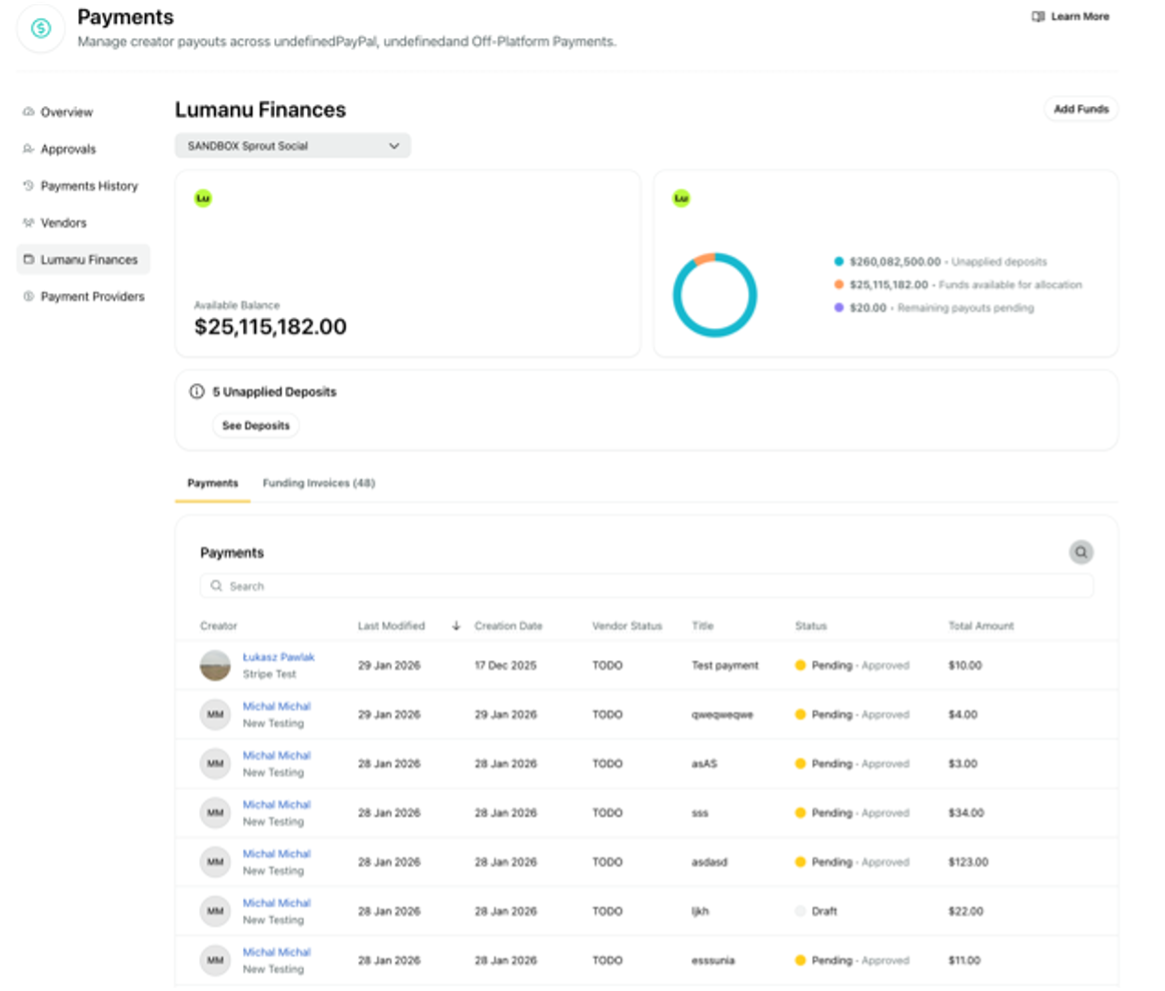
For enterprise-level organizations, the reliance on manual spreadsheets is unsustainable. Platforms like Lumanu act as a "master vendor," allowing finance departments to fund a secure balance and automate payouts. These networks are specifically designed to address the "tax headache," automatically handling the collection of W-9 and W-8 forms and the issuance of 1099s, effectively offloading a massive compliance burden from the marketing team.
Traditional Banking (Wire, ACH, and Check)
While still in use, these methods represent the most manual and error-prone category. They require the brand to handle private banking information and provide little in the way of automated audit trails. For modern, fast-paced marketing teams, these methods should generally be avoided in favor of integrated platforms that allow for "tracking-only" records, ensuring that even manual payments are documented within a unified dashboard.
Strategic Best Practices for Financial Compliance
Scaling an influencer program requires more than just money; it requires a robust operational framework. To avoid the pitfalls of manual management, brands should adhere to the following best practices:
- Standardize Contracts and Due Dates: Establish clear payment timelines during the negotiation phase. Moving to a bulk-payment schedule (e.g., the 5th of every month) creates consistency that both finance teams and creators appreciate.
- Automate Tax Compliance: As the regulatory landscape around creator income tightens, the risk of non-compliance grows. Using integrated tools that automatically collect tax forms and issue 1099s is no longer optional—it is a risk-mitigation necessity.
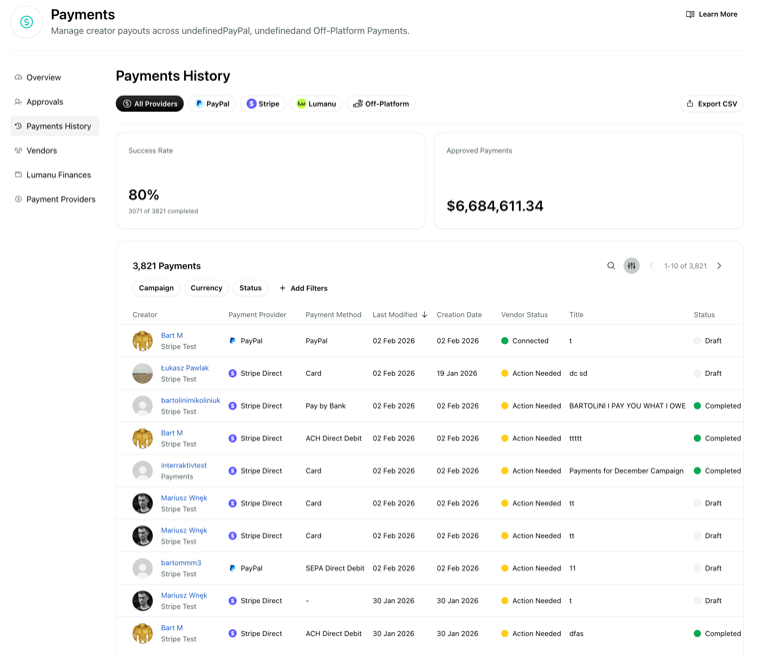
- Maintain an Impeccable Audit Trail: Every transaction, regardless of the payment method, must be logged. Using dynamic reporting tools that allow for filtering by campaign, creator status, or currency ensures that when tax season arrives, the reconciliation process is a non-event rather than a crisis.
- Empower Creators with Self-Service: The "Creator Hub" model is the future of influencer relations. By allowing creators to manage their own payment details and track their payout status, brands eliminate the back-and-forth emails that waste time and increase the risk of data leaks.
Implications: The Shift Toward Integrated Management
The move toward integrated influencer marketing platforms—where discovery, management, performance tracking, and payments exist in a single ecosystem—is not merely a trend; it is a structural necessity. When marketing teams operate in silos, the "finance gap" grows. By connecting campaign deliverables directly to the payment workflow, brands can achieve a level of visibility that was previously impossible.
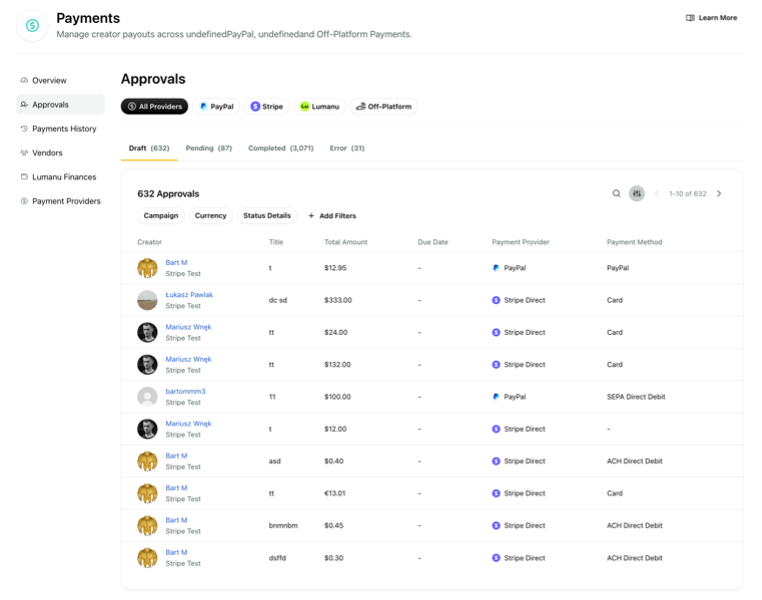
Consider the "budget shock" scenario: a campaign manager initiates a series of payments, only to find that the team has exceeded its monthly budget. This occurs because campaign execution and financial planning were handled in isolation. Integrated platforms like Sprout Social bridge this gap, offering a native Payments Dashboard that provides real-time visibility into payment statuses—from "Draft" to "Completed"—ensuring that the financial health of the campaign is as transparent as its social reach.
Summary of Compensation Models
| Compensation Model | Best For | Budget Predictability | ROI Tracking |
|---|---|---|---|
| Flat Fee | One-off campaigns | High | Moderate |
| Performance/Affiliate | E-commerce/Direct response | Low | High |
| Product Gifting | Seeding/Nano-influencers | High | Low |
| Long-Term Retainer | Brand ambassadors | High | Moderate |
| Hybrid | Large-scale partnerships | Moderate | High |
Conclusion: The Path Forward
The administrative burden of influencer payments is the "hidden cost" of the creator economy. For too long, brands have accepted the friction of spreadsheets and manual invoices as an unavoidable byproduct of growth. However, by adopting centralized, automated, and compliant payment technologies, brands can transform this administrative burden into a competitive advantage.
The goal for any mature influencer marketing program should be to reduce the friction between the brand and the creator. When a creator is paid accurately, on time, and with professional ease, they are significantly more likely to prioritize that brand in future campaigns. As the industry continues to professionalize, those who master the "business" of influencer marketing—from the first touchpoint to the final payout—will be the ones who secure the most valuable, long-term partnerships.


 Nana Wu
 Ammar Sabilarrohman